Quick answer
Wash athletic socks inside out in cold water on a gentle cycle, then air-dry them or tumble on low. Skip fabric softener and bleach, which coat fibers and break down spandex. This keeps the cushion plush and the elastic snug instead of flat and baggy.
Why cushion and stretch fade in the wash
The plush feel in athletic socks comes from looped or brushed yarns, while the snug fit comes from spandex. Hot water, high heat drying, and harsh chemicals attack both. Elastic fibers fatigue and snap back less, and cushioning yarns mat down. Once that happens, no wash can restore them.
You can slow the decline by treating socks like the performance gear they are: cooler water, gentler agitation, and no softener. The goal is to clean sweat and oils without stripping the fibers that give structure.
Sort by color and fabric weight
Separate light and dark socks to avoid dye transfer, especially with white or heather gray styles. Keep heavy cushioned socks away from lightweight liners or delicate knits so they do not abrade each other. If you wash socks with towels, expect more lint and friction; a mesh laundry bag reduces both.
Turn socks inside out before washing
Sweat, dead skin, and oils collect on the inside of the sock, so turning them inside out exposes that layer to the wash water. It also protects the outer surface from pilling and snags. This one step makes a bigger difference than most people expect.
Use cold water and a gentle cycle
Cold water is the single most effective change you can make. It prevents elastic breakdown and reduces shrinkage. Choose a gentle or delicate cycle with low spin if your machine offers it. High agitation is fine for sturdy cotton towels but rough on sock cushioning and spandex.
Measure a mild detergent and skip the extras
Use the amount of mild liquid detergent recommended for a normal load. Fabric softener leaves a waxy film that coats fibers and reduces breathability, and it makes spandex less effective. Bleach weakens elastic and fades colors. If socks are heavily soiled, a short pre-soak in cold water with a little detergent is safer than adding more chemicals.
Air-dry or tumble on low heat
Heat is the enemy of cushion and stretch. Air-drying is best; if you use a dryer, choose the lowest heat setting and remove socks while slightly damp. High heat can shrink the sock and permanently flatten the cushion. Laying socks flat or hanging them by the toe keeps their shape.
Store socks loosely, not stretched
Once clean and dry, avoid balling socks tightly or hanging them over a taut line for long periods. Constant tension can fatigue elastic over time. A loose drawer pile or a divider box is enough. This small habit helps them hold their fit between washes.
Step-by-step sock washing routine
- 1. Turn socks inside out and check pockets: Pull each sock inside out so the sweat-facing side gets cleaned. Shake out any debris. Common mistake: leaving socks right-side out, which traps oils and odors against the fabric. Checkpoint: all socks are inside out and free of loose items.
- 2. Sort by color and fabric weight: Separate lights from darks and heavy cushion from thin liners. Common mistake: washing new dark socks with whites, which can cause dye transfer. Checkpoint: two or three distinct piles, no mixed loads that invite friction or bleeding.
- 3. Set the machine to cold water and gentle cycle: Choose cold and a delicate or gentle cycle with low spin. Common mistake: using hot water or a normal cycle out of habit, which accelerates elastic fatigue. Checkpoint: water temperature dial is on cold, cycle selector is on gentle.
- 4. Add mild detergent, no softener or bleach: Measure a mild liquid detergent. Skip fabric softener and bleach entirely. Common mistake: adding softener for softness, which actually coats fibers and reduces breathability and stretch. Checkpoint: detergent only, no extra bottles.
- 5. Air-dry or tumble on low heat: Lay socks flat or hang by the toe. If using a dryer, select low heat and remove while slightly damp. Common mistake: high heat drying, which shrinks socks and flattens cushion permanently. Checkpoint: socks are dry but not hot or crispy.
- 6. Store loosely without stretching: Place socks in a drawer without balling them tightly or hanging them under tension. Common mistake: stretching socks over a hanger or line, which can fatigue elastic over time. Checkpoint: socks rest loosely and hold their shape.
Product facts
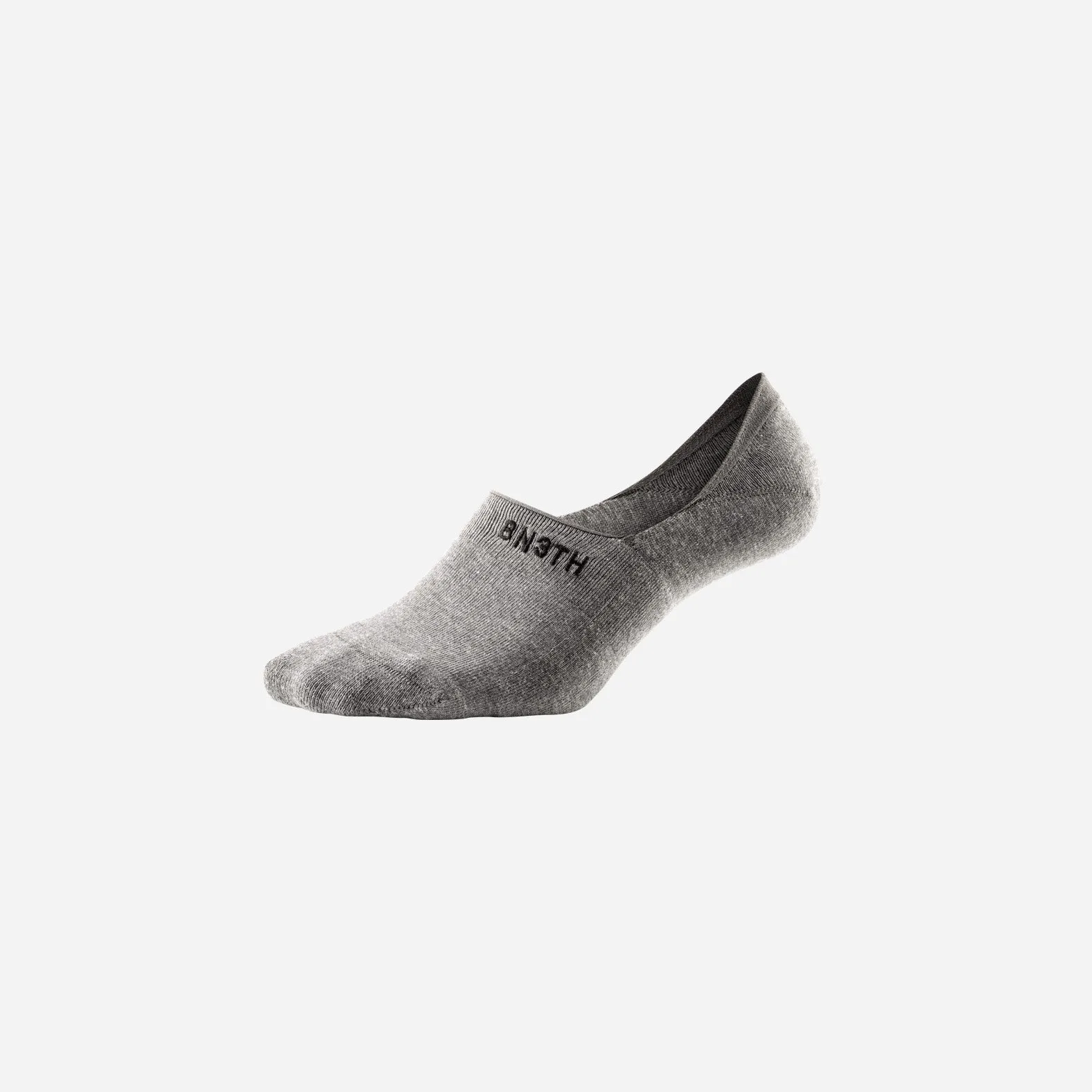
- Classic No Show Sock: Heather Gray: Classic No Show Sock: Heather Gray is blended with sustainable TENCELTM Lyocell fibers and cotton for cloud-like comfort, with plush bottoms that absorb excess moisture and ensure a snug, secure fit. Fabric: 37% Nylon, 36% Cotton, 25% TENCELTM Lyocell, 2% Spandex. The TENCELTM Lyocell and cotton blend feels soft and breathable, but the 2% Spandex is what maintains the snug fit. Washing in cold water and avoiding high heat protects that elasticity so the sock does not become loose.
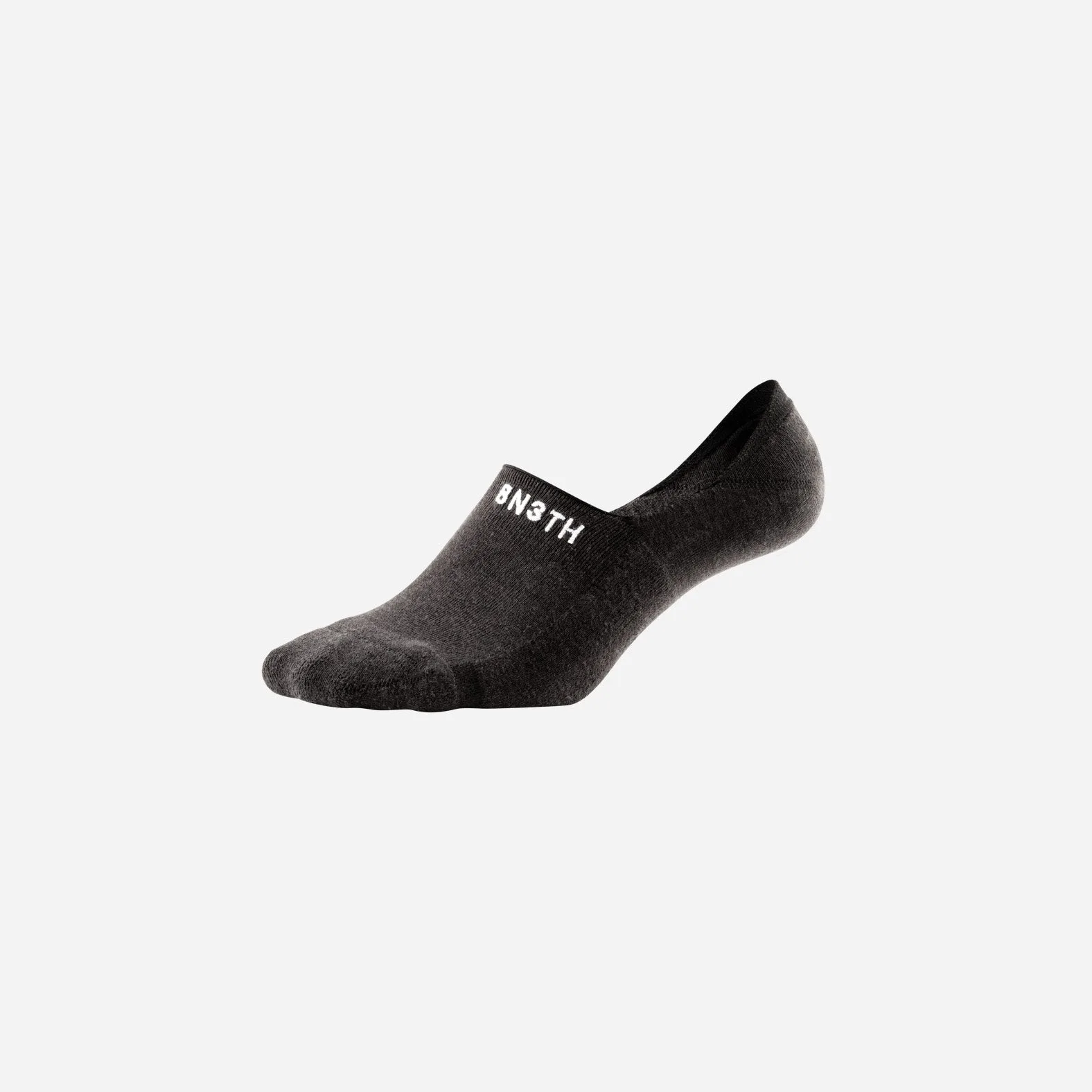
Classic No Show Sock
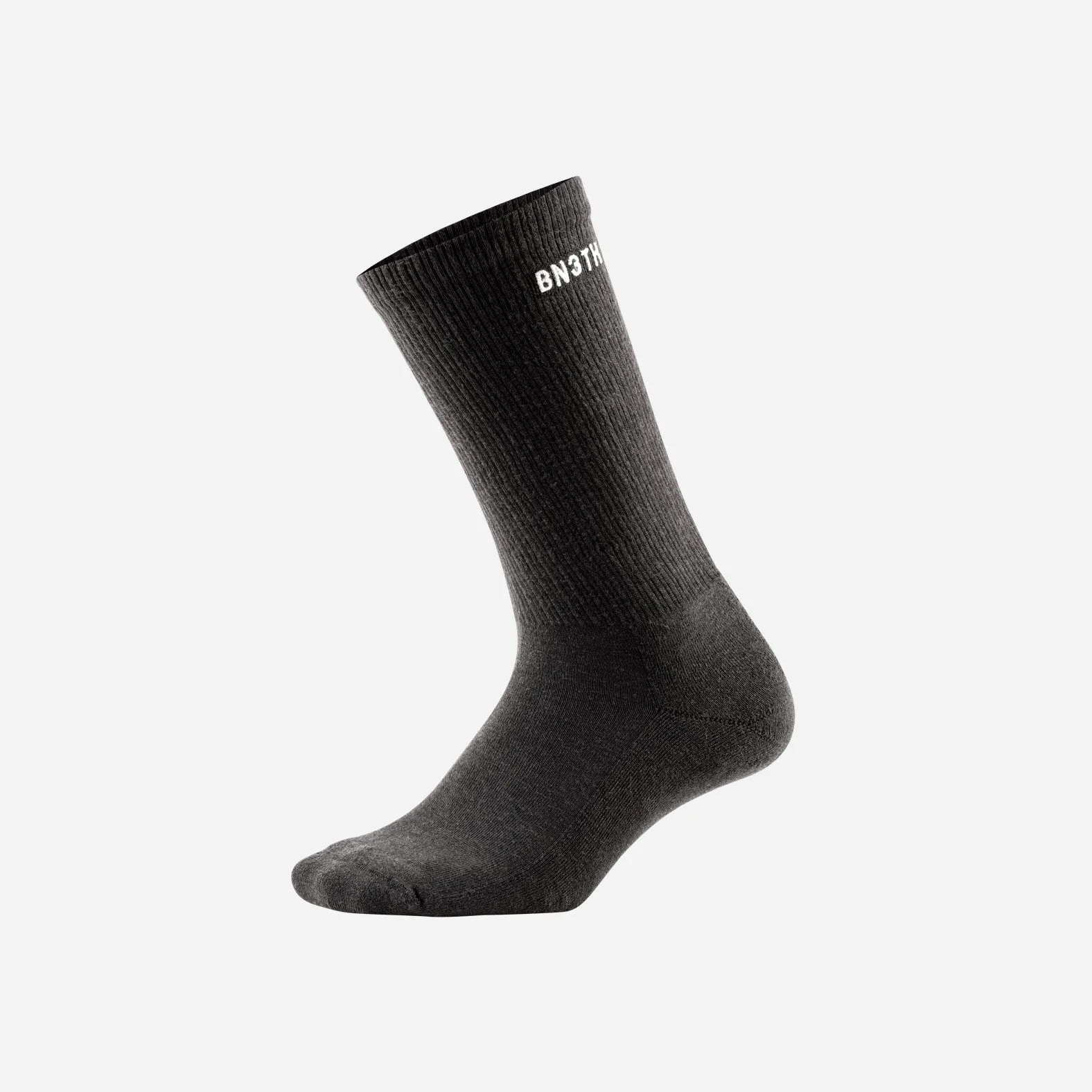
- Classic Crew Sock: Classic Crew Sock is blended with sustainable TENCELTM Lyocell fibers and cotton to provide cloud-like comfort for long days on your feet. The plush bottoms absorb excess moisture and ensure a snug, secure fit. Fabric: 37% Nylon, 36% Cotton, 25% TENCELTM Lyocell, 2% Spandex. The plush cushioning comes from the cotton and TENCELTM Lyocell blend, while the nylon adds durability. To keep the cushion from matting, use a gentle cycle and low heat drying, which preserves the loft of the fibers.