Quick answer
Wash a baby wrap carrier by hand or on a delicate cycle in cool water with mild detergent, then air dry. Wash muslin blankets separately in cool water on a gentle cycle and tumble dry low or air dry. Skip fabric softener and bleach—they coat the fibers and make muslin feel stiff instead of soft.
Why carriers and muslin blankets need different handling
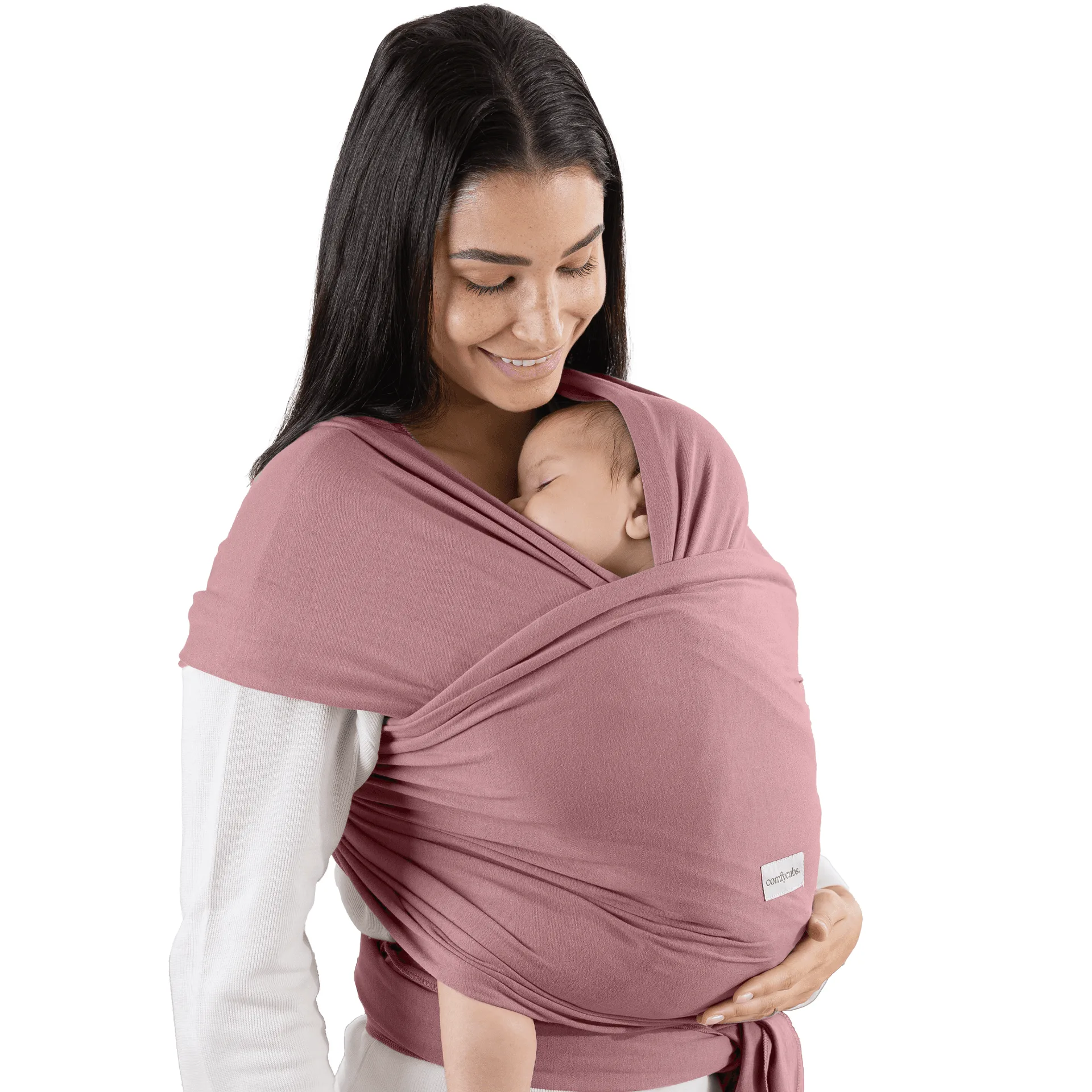
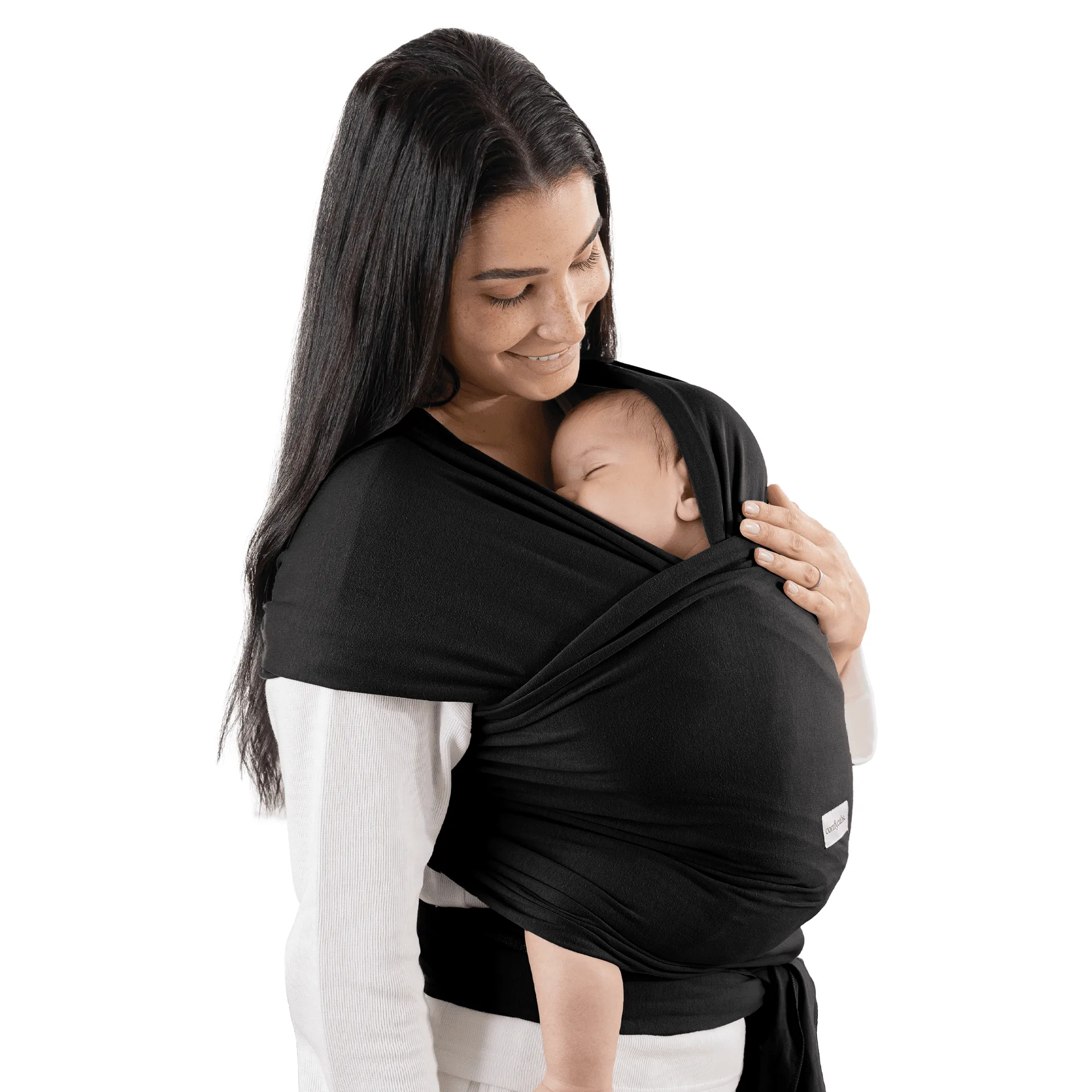
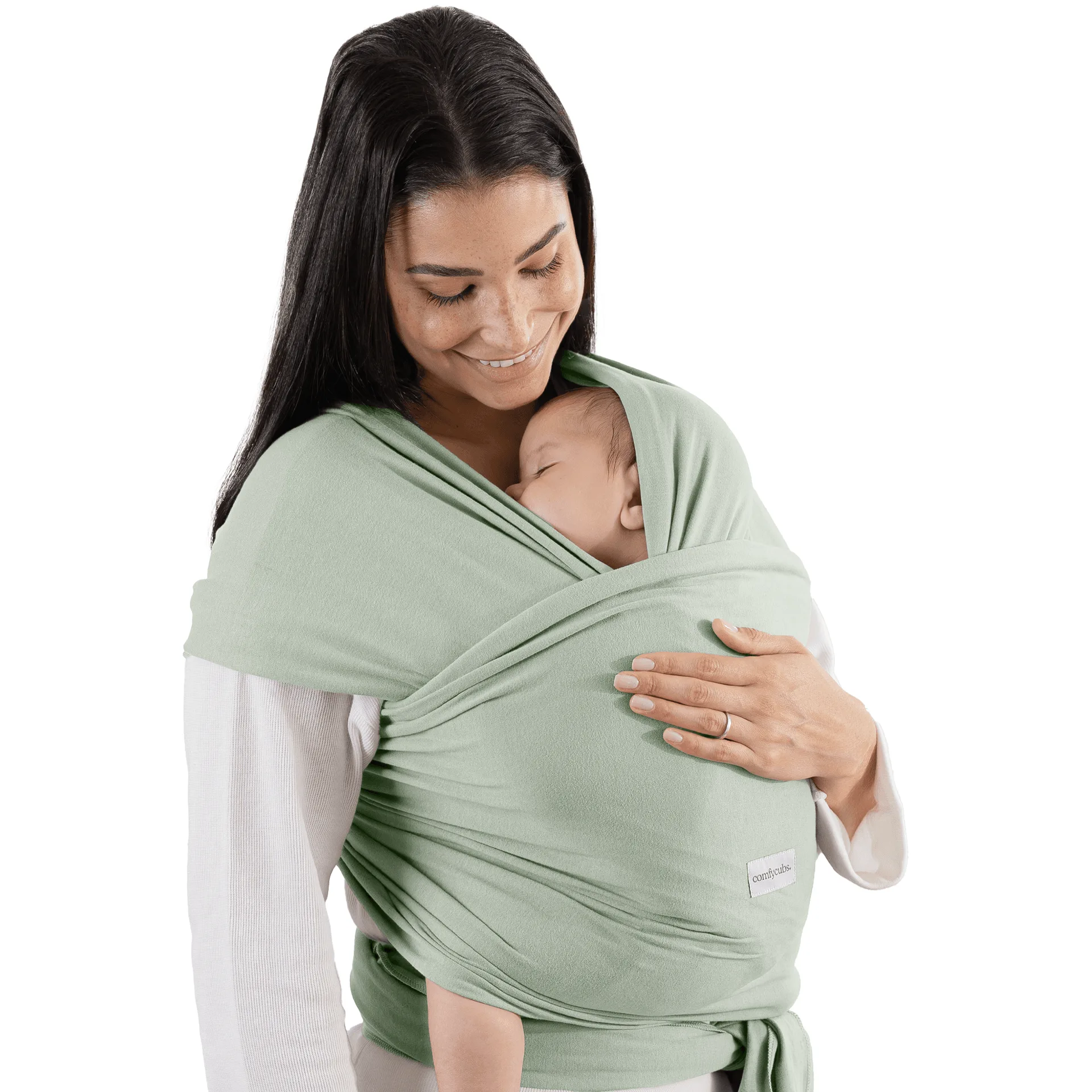
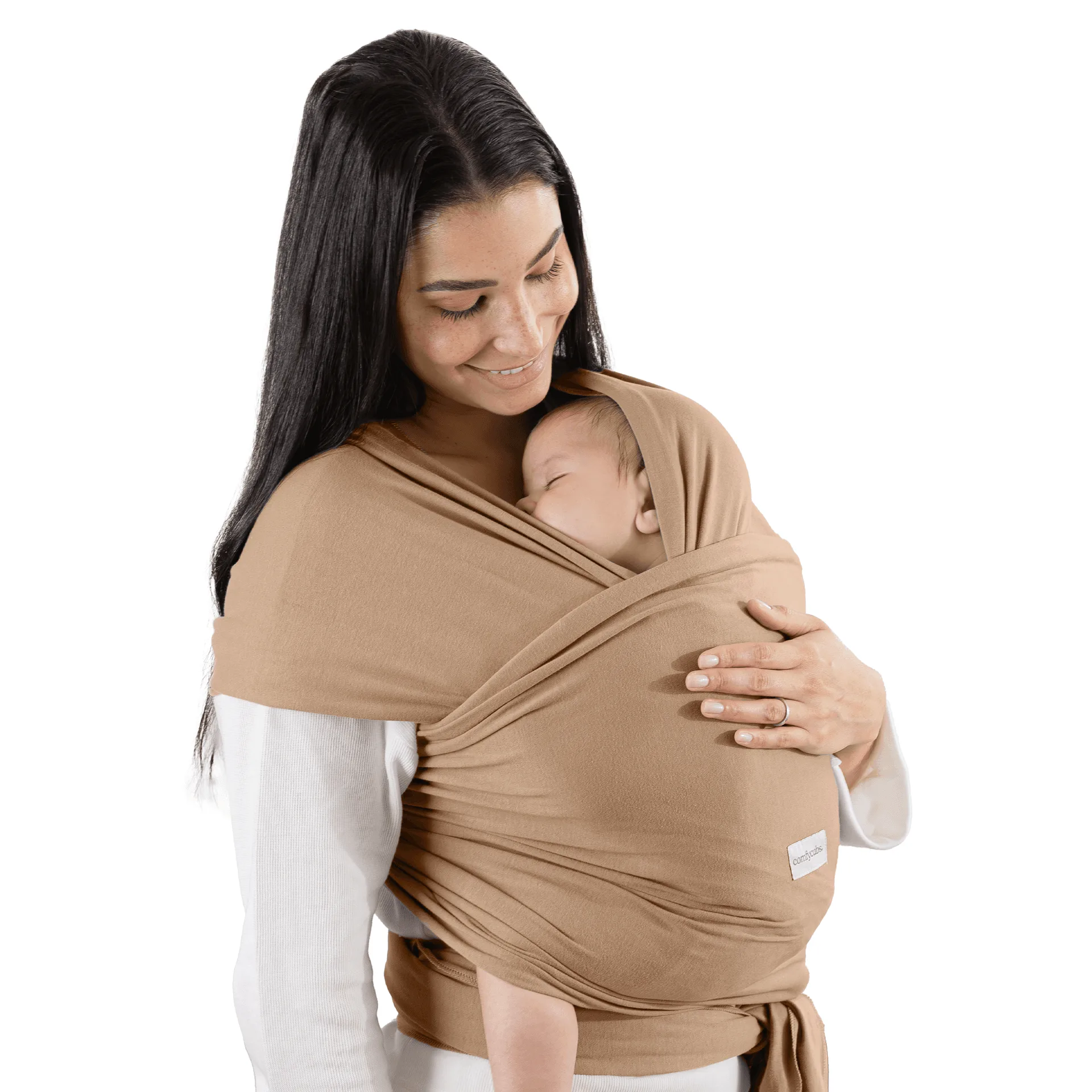
Baby wrap carriers are usually made from stretchy knit fabric that can lose its shape or elasticity if washed in hot water or dried on high heat. Muslin blankets are woven cotton, which is more forgiving but still prone to shrinkage and stiffness when treated roughly. Because they are used so close to your baby's skin, both need frequent washing, but they don't belong in the same load if you want them to last.
What you need before you start
Gather a mild, fragrance-free detergent, a mesh laundry bag, and a clean towel for blotting. Check the care tag on your carrier and blanket first—if the manufacturer gives specific instructions, follow those over any general advice. If a care tag is missing or unclear, treat the item as delicate and use the gentlest method available.
Step-by-step washing routine
- Pre-treat stains and spit-up: Rinse the area with cool water and apply a small amount of mild detergent. Let it sit for 10–15 minutes. Common mistake: scrubbing vigorously, which can pill the fabric or stretch a knit carrier. Checkpoint: the stain should look faded before you put the item in the wash.
- Wash the carrier separately or in a mesh bag: Use cool water on a delicate or hand-wash cycle. If washing by hand, gently knead the fabric in the water for a few minutes. Common mistake: using hot water, which can shrink muslin and break down the elasticity of a wrap carrier. Checkpoint: the water should be cool to the touch, never warm.
- Wash muslin blankets in their own gentle load: Keep blankets separate from towels or items with zippers and hooks. Use cool water and a gentle cycle. Common mistake: overloading the machine, which causes friction that makes muslin feel rough. Checkpoint: blankets should move freely in the drum, not packed tight.
- Skip fabric softener and bleach: Fabric softener leaves a coating that reduces absorbency and makes muslin feel stiff. Bleach weakens fibers over time. Common mistake: adding softener to make the blanket softer—it does the opposite for muslin. Checkpoint: if the fabric feels slick or coated after washing, you used too much softener.
- Air dry or tumble dry low: For carriers, air dry flat or hang to preserve stretch. For muslin blankets, tumble dry low or air dry. Common mistake: drying on high heat, which shrinks cotton and can warp a knit carrier. Checkpoint: if the item feels stiff after drying, it was exposed to too much heat.
- Store clean and dry: Make sure both the carrier and blankets are completely dry before folding and storing. Common mistake: putting away a slightly damp carrier, which can encourage mildew and a musty smell. Checkpoint: feel for any cool or damp spots before storing.
Muslin blankets built for frequent washing
- Baby Muslin Blanket in Mauve: Made with high-quality muslin cotton for superior softness and a larger, more versatile size. Muslin cotton handles gentle, frequent washing well, so you can keep this blanket clean without it losing its soft feel.
- Baby Muslin Blanket in Heather Blue: Offers plush comfort that's perfect for enjoying a quick nap. A blanket this soft is worth protecting with cool water and low heat so it stays cozy after every wash.