Quick answer
Wash bras and knickers in cold water with a gentle detergent, close every hook, and keep them out of the dryer. Hand washing is the safest option for lace, mesh and underwired bras, while a mesh bag on a delicate cycle works for everyday cotton and microfibre styles. Wash after two to three wears, not after every single wear, and let everything air dry flat or on a line.
Most lingerie does not wear out from wearing it. It wears out in the wash: heat, agitation and detergent residue break down elastic, dull lace and warp cup shape long before the fabric itself gives up. A five-minute change to your laundry routine is usually the difference between a bra that lasts a season and one that lasts a few years.
This guide walks through the full process in order, from sorting to storage, with the common mistake to avoid at each step. It applies whether you are washing a lace cheeky bikini, a cotton hi-cut brief or a padded push-up bra.
Start by sorting and reading the care label
Separate lingerie from heavy items like jeans, towels and anything with zips or hooks that can snag lace. Sort by colour as well as fabric: dark lace and bright colours can bleed onto pale cotton in a warm wash. Then read the care label on each piece, because a Supima cotton brief and a lace push-up bra do not have the same tolerances.
The label is your only reliable guide to whether a garment can be machine washed at all. If a label says hand wash only, treat that as a limit rather than a suggestion, and if it is missing or unreadable, default to the gentlest method: cold water, no agitation, air dry.
- Common mistake: tossing bras in with towels, which adds lint and heavy agitation.
- Checkpoint: anything with underwire, moulded cups or fine lace goes in the delicate pile.
Close hooks and fasten straps before washing
Fasten every hook-and-eye closure and attach straps to their loops before the garment touches water. An open hook turns into a small barb in the drum that catches lace, mesh and neighbouring knickers, and it also bends out of shape itself. This one step prevents most of the mysterious pulls and runs people blame on fabric quality.
If you are machine washing, turn bras inside out so the cup and any padding face inward, and place each bra in its own mesh laundry bag. Knickers can share a bag, but keep lace styles separate from anything with hardware.
- Common mistake: leaving a bra unhooked and letting it snag the rest of the load.
- Checkpoint: run a finger along each hook to confirm it is closed and flat.
Choose hand washing or a machine delicate cycle
Hand washing is the better choice for lace, mesh, underwire and anything padded, because you control the amount of stretching and agitation. Fill a basin with cool water, add a small amount of gentle detergent, and press the garments down to submerge them. Let them soak for about ten to fifteen minutes, then squeeze the water through the fabric rather than scrubbing it.
For everyday cotton and microfibre knickers, a machine works if you use a mesh bag, a delicate or hand-wash cycle, cold water and a low spin. Skip the machine entirely for anything with moulded cups, delicate lace panels or visible hardware, since the drum action is what flattens padding and stretches bands.
- Common mistake: using hot water because it feels cleaner; heat is what kills elastic.
- Checkpoint: if you would not wash a silk scarf in the load, do not put a lace bra in it either.
Rinse, then remove excess water without wringing
After washing, rinse in cool water until no suds remain, because leftover detergent attracts dirt and stiffens lace over time. The rinsing step matters more than most people expect: residue is a common reason bras start feeling scratchy or lose their softness after a few months.
Never wring or twist a bra or a lace brief. Instead, press the garment between your palms or roll it in a clean towel and squeeze gently. Wringing stretches the band, distorts cup shape and can snap the small stitches that hold lace panels in place.
- Common mistake: twisting a bra to speed up drying, which permanently warps the wire casing.
- Checkpoint: the water running out should be clear before you stop rinsing.
Dry flat or line dry, and skip the dryer
Lay bras flat to dry with cups reshaped by hand, or hang them by the centre gore rather than by the straps. Straps stretched under the weight of a wet bra lose their snap, and heat from a tumble dryer is the fastest way to break down spandex and shrink cotton. Knickers can go on a line or a flat rack in the shade.
If you need something dry quickly, press it in a towel first and then hang it in a well-ventilated spot. Direct sun and radiator heat both fade colour and dry out fibres, so a shaded indoor line is usually the better option.
- Common mistake: hanging a wet bra by one strap, which stretches it unevenly.
- Checkpoint: cups should hold their rounded shape while drying, not fold in on themselves.
Rotate, store and know when to retire a piece
Give your lingerie a rest between wears. Elastic recovers better with a day or two off, so a rotation of several bras and knickers keeps each one in shape longer than wearing the same two on repeat. Store bras stacked with cups nested, not folded in half, and keep knickers loose rather than crammed into a tight drawer.
Eventually every piece reaches its limit. If a band rides up at the back, wires poke through the casing, or lace has lost its stretch, the garment is done. Replacing one worn-out bra is cheaper than letting a stretched one distort how your tops fit.
- Common mistake: folding moulded cups in half for storage, which creates permanent creases.
- Checkpoint: if the band no longer sits level at the back, the bra has lost its support.
Your six-step lingerie wash routine
- Sort by fabric and colour: Keep lace, mesh and underwired bras away from towels, denim and anything with zips or hooks. Checkpoint: if a piece has fine lace or padding, it goes in the gentle pile.
- Close hooks and bag the delicates: Fasten every hook-and-eye, turn bras inside out and place each one in its own mesh laundry bag. This single step prevents most snags and bent wires.
- Wash cool and gentle: Hand wash lace, mesh and padded bras in cool water with a small amount of gentle detergent; machine wash everyday cotton and microfibre on a delicate cycle in a bag. Never use hot water or a normal cycle on anything with elastic.
- Rinse until the water runs clear: Leftover detergent stiffens lace and attracts dirt, so rinse thoroughly in cool water. Checkpoint: no suds should remain in the basin or bag.
- Remove water without wringing: Press the garment between your palms or roll it in a towel and squeeze gently. Twisting stretches bands and warps cup shape permanently.
- Dry flat and rotate your wear: Reshape cups by hand and dry flat or line dry in the shade; give each bra a day or two of rest between wears. Skip the dryer entirely, and retire any bra whose band no longer sits level.
How specific fabrics change your wash routine
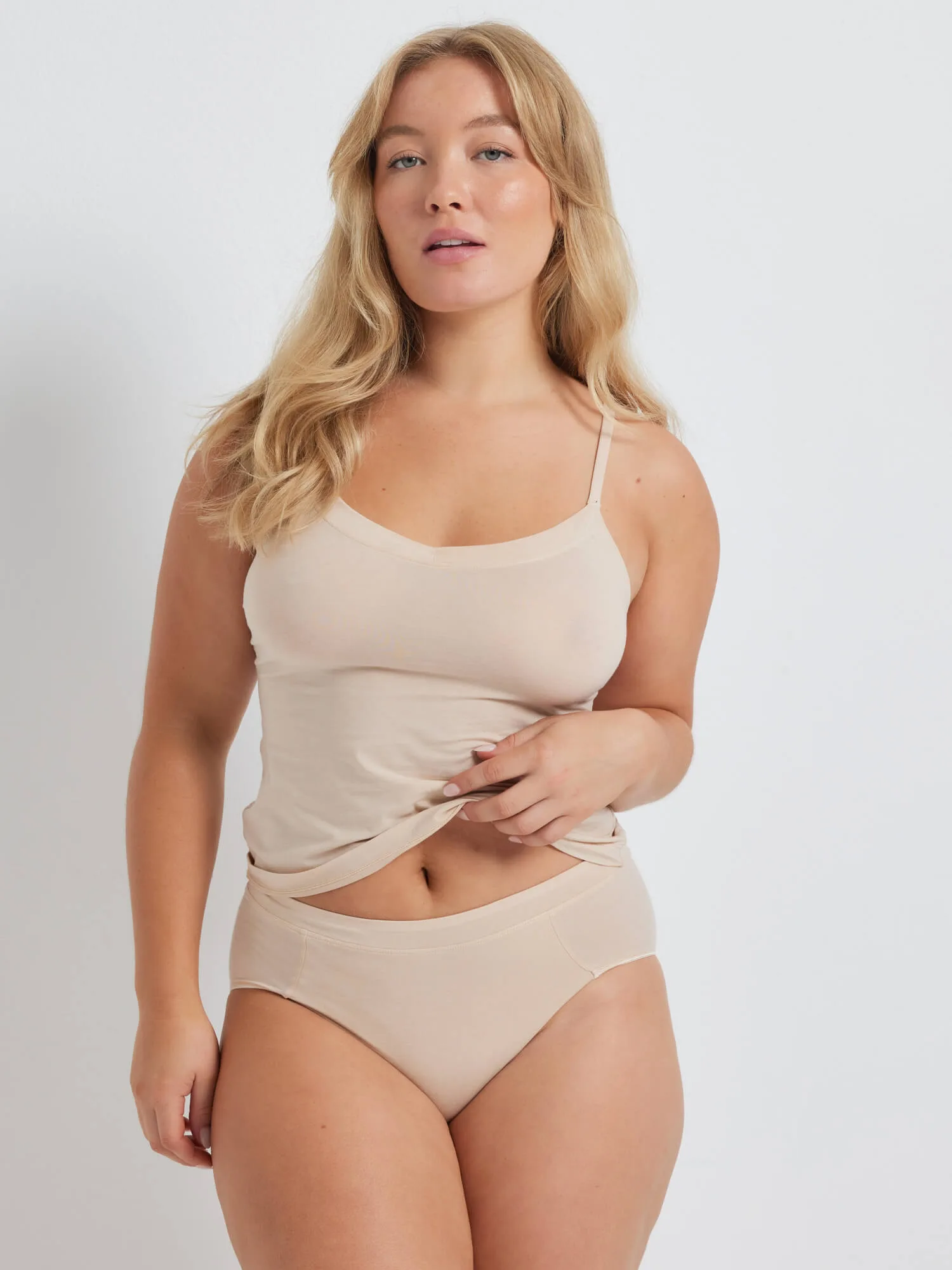
- Supima Bliss Cotton Hi-Cut: Made from Supima cotton, known for softness and durability thanks to its extra-long staple fibres, and breathable for all-day comfort. Cotton briefs like these tolerate a gentle machine cycle in a mesh bag better than lace, but they still shrink in heat, so keep the water cold and skip the dryer.
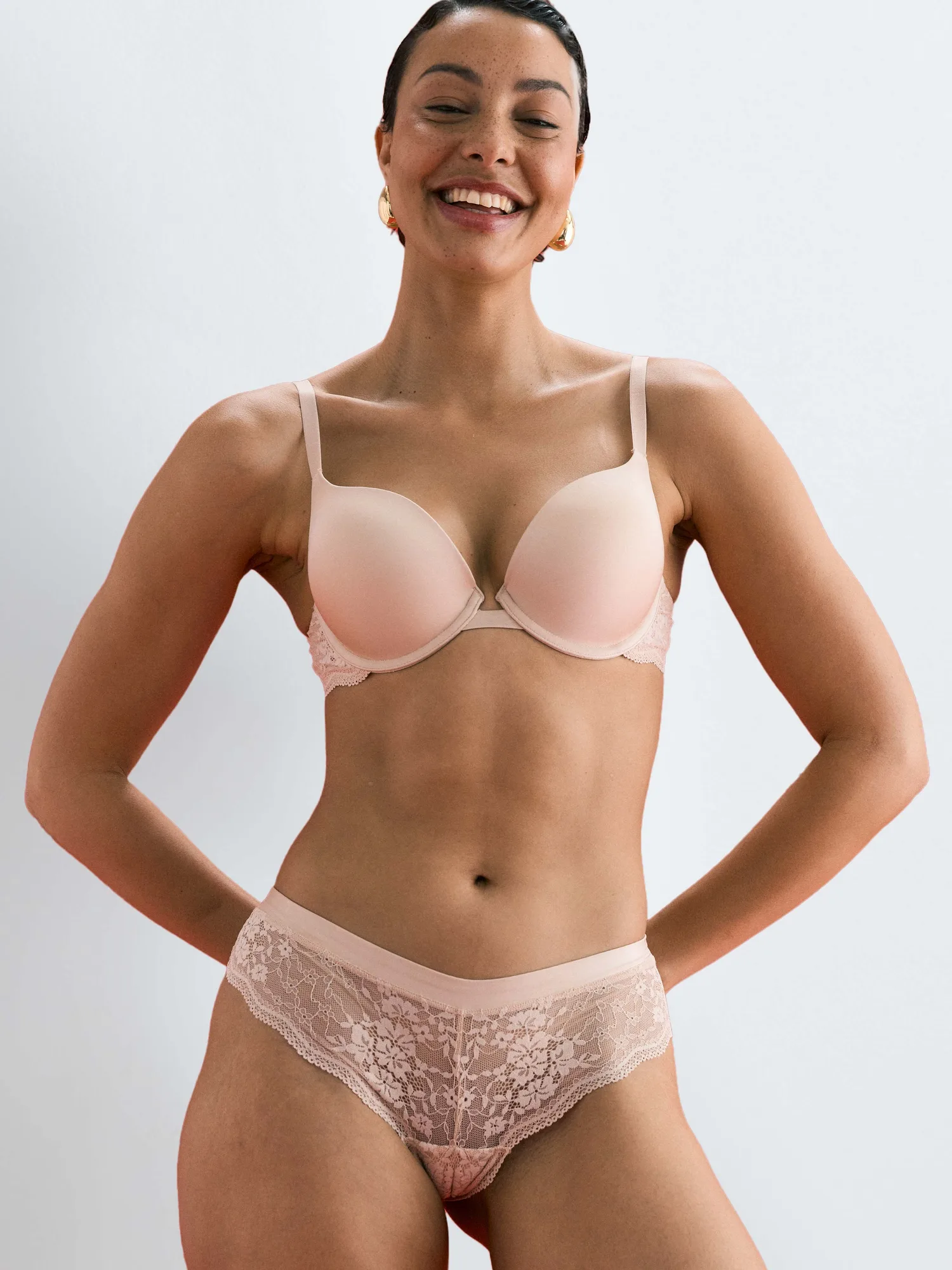
- https://kayserlingeriepkj.com/products/be-real-lace-cheeky-bikini-copy-83b25693f2ceff76978b88bd-1345649Be Real Smooth Lace Cheeky Bikini: Floral lace with a soft microfiber waistband designed for a seamless finish without visible panty lines. Lace and fine waistbands are the parts most easily snagged and stretched, so hand wash this style or bag it separately and never wring it out.
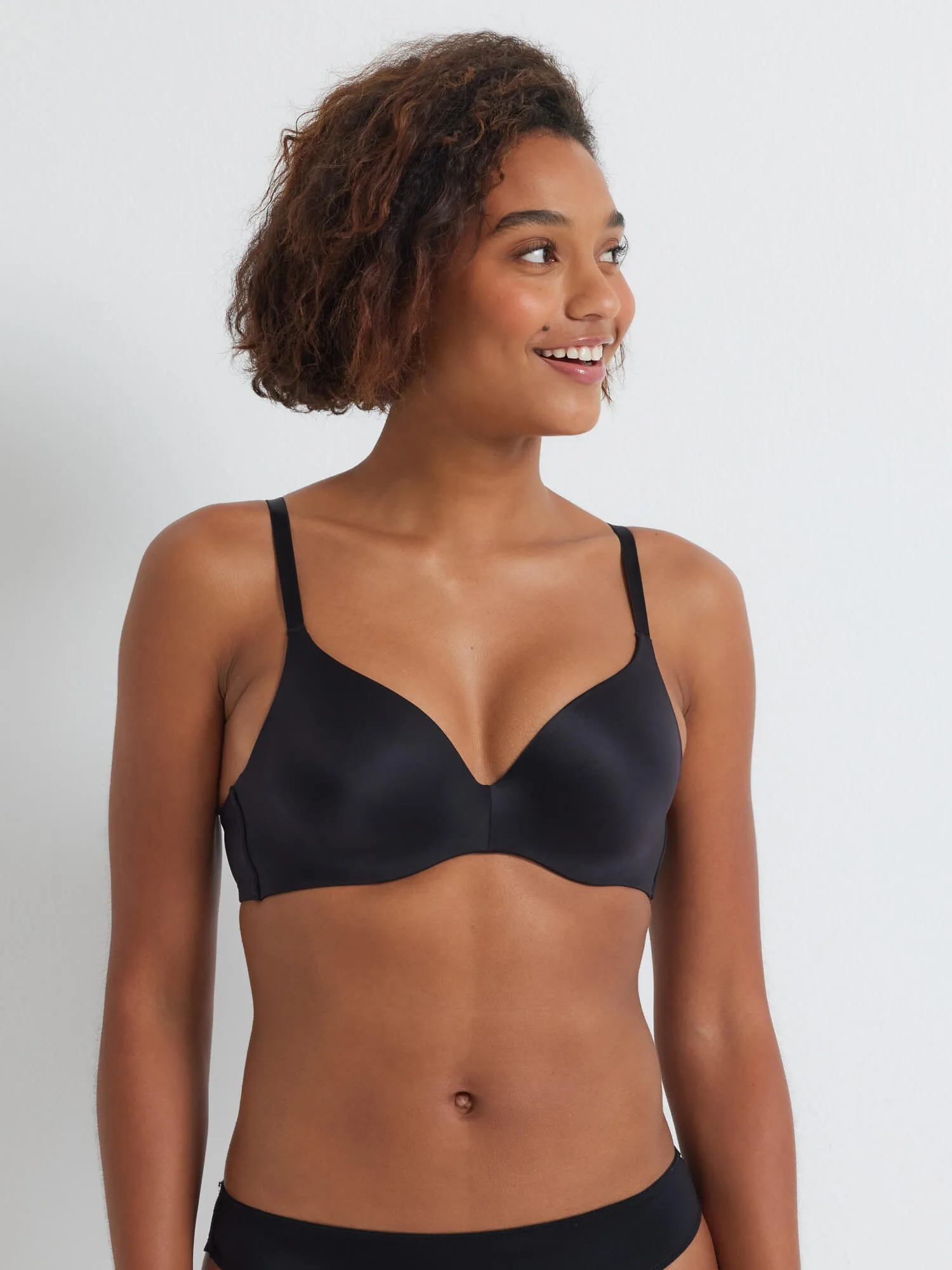
- https://kayserlingeriepkj.com/products/brazilian-smooth-comfort-tshirt-bra-rubgytan-aa170e6c385fa50f76ec250b-1344758Smooth Comfort T-Shirt Bra: Fully encased with no visible seams, a soft ballet back with concealed wings, and a padded hook and eye for extra comfort. A smooth, seam-free bra keeps its no-show finish only if the cups are not crushed, so close the padded hook, wash it in a bag and dry it flat with the cups reshaped.
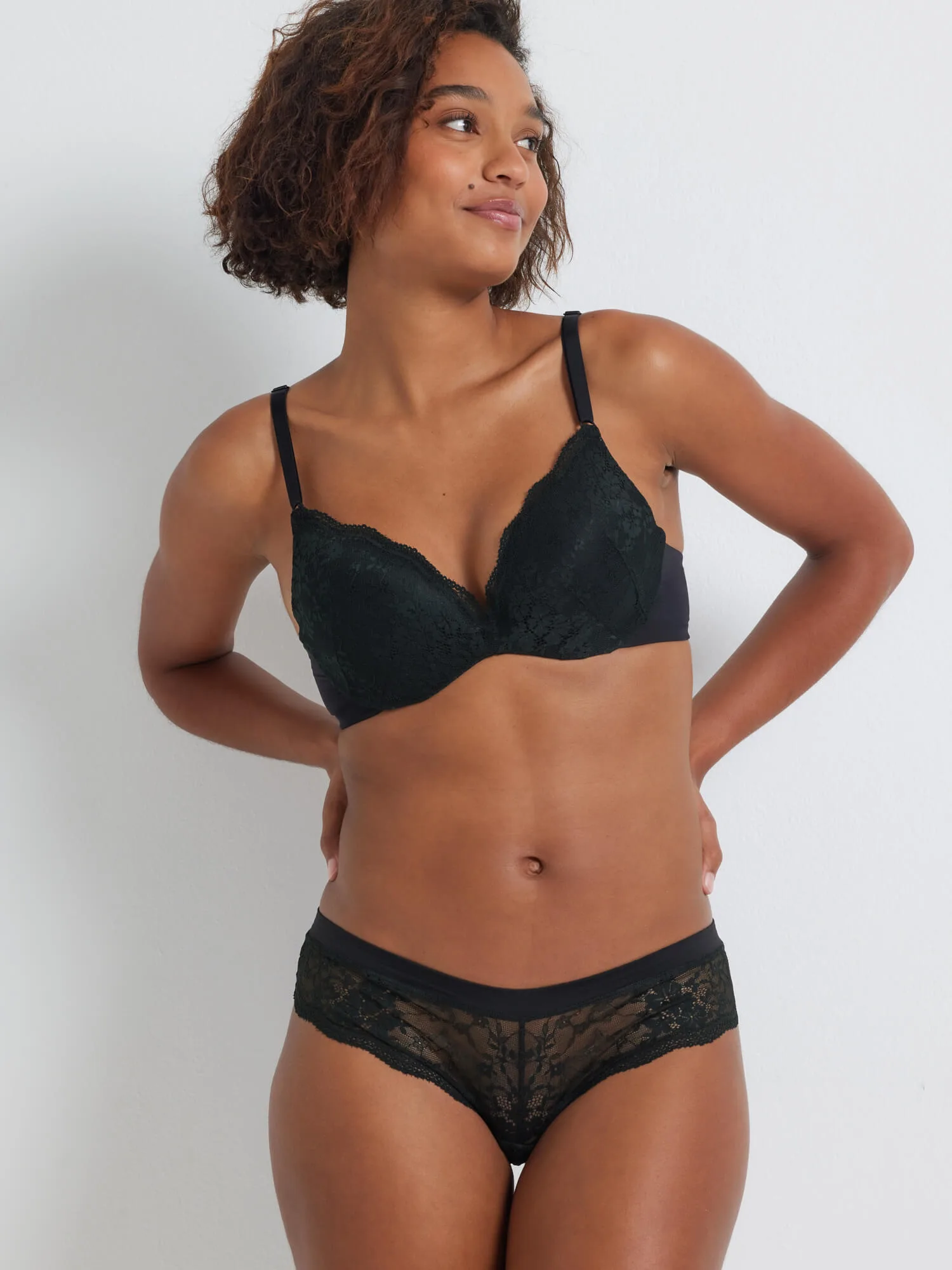
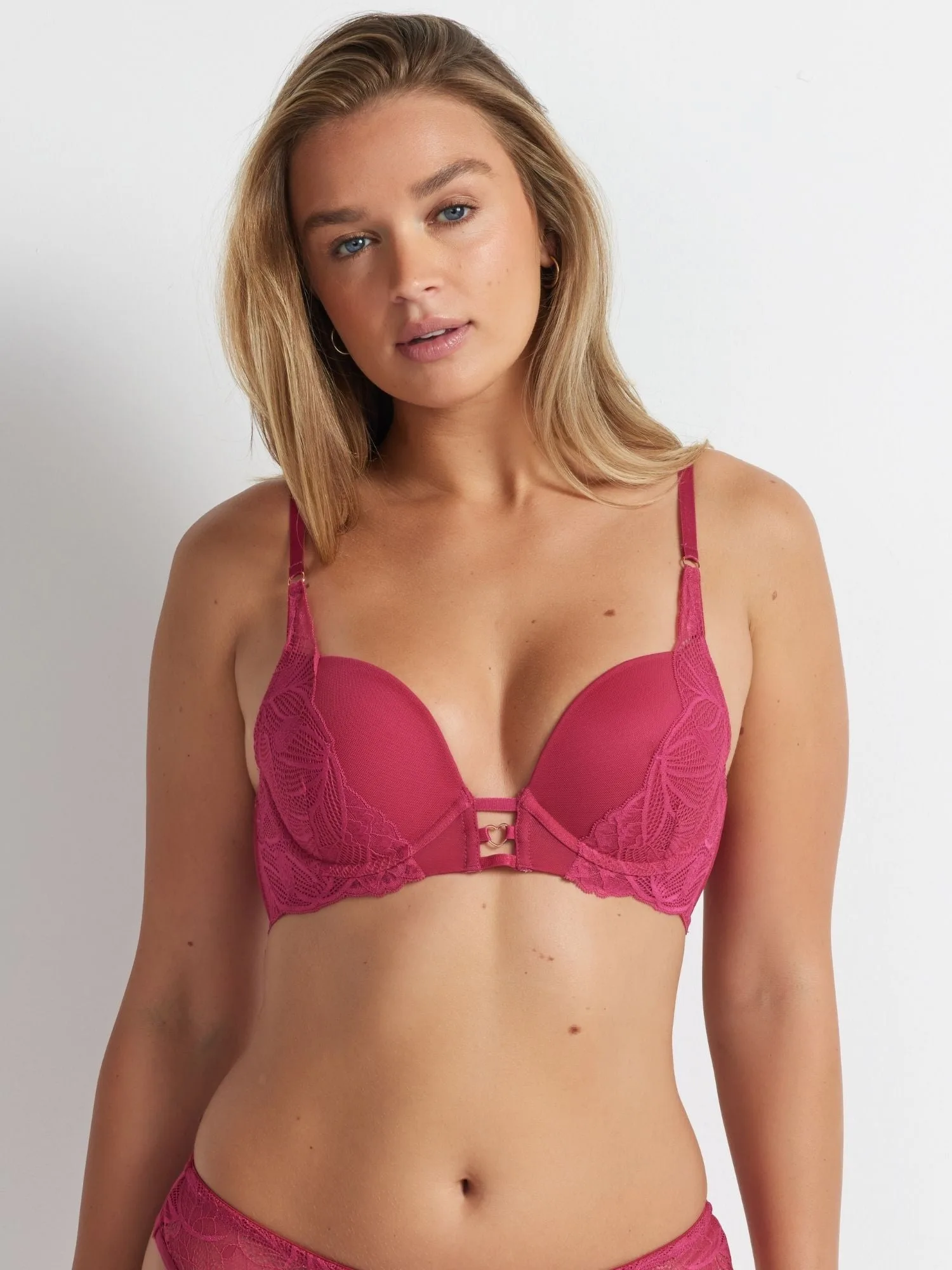
- After Dark Out All Night Push Up Bra: Soft padded cups, floral lace, scalloped lace edges, mesh wings and gold hardware. Padded cups, delicate lace edges and metal hardware are three reasons to hand wash this bra in cool water and dry it flat rather than risk the drum.
Cold water, closed hooks, no wringing and no dryer cover most of what makes bras and knickers last. Treat lace and padding by hand, machine wash everyday cotton in a bag, and rotate your favourites so the elastic gets a rest. Do that consistently and you will replace lingerie because you want to, not because the wash wore it out.