Quick Answer
To keep your nursing bras in top shape, hand wash them in cold water with a gentle detergent, then lay them flat to dry. Avoid the dryer and fabric softeners, as heat and chemicals can break down elastic and moisture-wicking fabrics. With proper care, you can extend the life of your bras and maintain the support you need.
Nursing bras work hard—they support changing breast tissue, withstand frequent feedings, and need to stay comfortable for months. But even the best bra won't last if it's tossed in the washing machine with your jeans and dried on high heat. Learning how to wash and care for your nursing bras can make a real difference in their fit, support, and longevity.
The good news is that caring for nursing bras isn't complicated. A few simple habits—like hand washing, using the right detergent, and air drying—can keep them looking and feeling great from pregnancy through weaning. Here's a step-by-step guide to help you get the most from your nursing bras.
Why Nursing Bras Need Special Care
Nursing bras are engineered with delicate components that can be damaged by rough washing. The flexible underwire or wireless support bands, soft cotton linings, and nursing clips all need gentle handling to function properly. Heat and agitation can break down elastic fibers, causing the bra to lose its shape and support over time.
Additionally, the fabrics used in nursing bras—like microfiber and cotton—are chosen for softness and breathability. Harsh detergents and fabric softeners can leave residues that irritate sensitive skin or reduce moisture-wicking properties. By understanding these vulnerabilities, you can tailor your care routine to protect your investment.
- Always fasten hooks before washing to prevent snagging.
- Use a mesh laundry bag if you must machine wash.
Preparing Your Bras for Washing
Before washing, close all hooks and clasps to prevent them from catching on other fabrics or stretching out of shape. If your bra has removable pads, take them out and wash them separately to avoid bunching.
Check the care label on each bra—some may have specific instructions. While most nursing bras benefit from hand washing, a few may be machine washable on a gentle cycle. When in doubt, hand washing is the safest choice.
- Sort bras by color to avoid dye transfer.
- Treat any stains (like milk) with a gentle stain remover before washing.
Choosing the Right Detergent
Select a mild, fragrance-free detergent that is gentle on delicate fabrics. Avoid bleach and fabric softeners, as these can break down elastic and irritate sensitive skin. Look for detergents specifically formulated for delicates or baby clothes if you prefer extra gentleness.
If you're washing by hand, use a small amount of detergent—too much can leave residue. For machine washing, use a delicate cycle with cold water and a reduced spin speed to minimize stress on the bra.
- Fragrance-free detergents are less likely to cause skin irritation for you and your baby.
Hand Washing Steps for Best Results
Fill a clean sink or basin with cold or lukewarm water and add a small amount of gentle detergent. Submerge your bras and gently squeeze the suds through the fabric—avoid scrubbing or twisting, which can distort the cups and band. Let them soak for 5-10 minutes to loosen oils and residue.
Rinse thoroughly in cold water until no soap remains. Press the water out gently without wringing. To remove excess water, roll the bra in a clean towel and press lightly—this speeds up drying without damaging the shape.
- Never wring or twist a nursing bra; it can permanently misshape the cups.
Drying and Storing Your Nursing Bras
Always air dry your nursing bras. Lay them flat on a drying rack or a clean towel, reshaping the cups and band to their natural form. Avoid hanging them by the straps, as this can stretch them out. Keep them out of direct sunlight, which can fade colors and weaken fibers.
Once dry, store your bras flat or folded with cups nested to maintain their shape. Avoid folding them in half or crushing them under heavy items. Rotating between several bras can also extend their life by giving each one time to recover its elasticity between wears.
- Invest in a few good nursing bras so you can rotate and reduce wear and tear.
Step-by-Step Nursing Bra Care Routine
- Step 1: Pre-treat and prepare: Close all hooks, remove pads, and spot-treat any stains with a gentle detergent. Fill a basin with cold water and add a small amount of mild, fragrance-free detergent. Checkpoint: Ensure the water is cold—hot water can set stains and damage elastic.
- Step 2: Hand wash gently: Submerge the bra and gently squeeze the soapy water through the fabric. Let it soak for 5-10 minutes, then rinse thoroughly in cold water until the water runs clear. Checkpoint: Avoid scrubbing or twisting—this can distort the cups and band.
- Step 3: Dry flat and store properly: Press out excess water with a towel, reshape the cups, and lay the bra flat to dry away from direct heat and sunlight. Once dry, store with cups nested and rotate between bras. Checkpoint: Never machine dry—heat breaks down elastic and shrinks fabrics.
Nursing Bras Built to Last
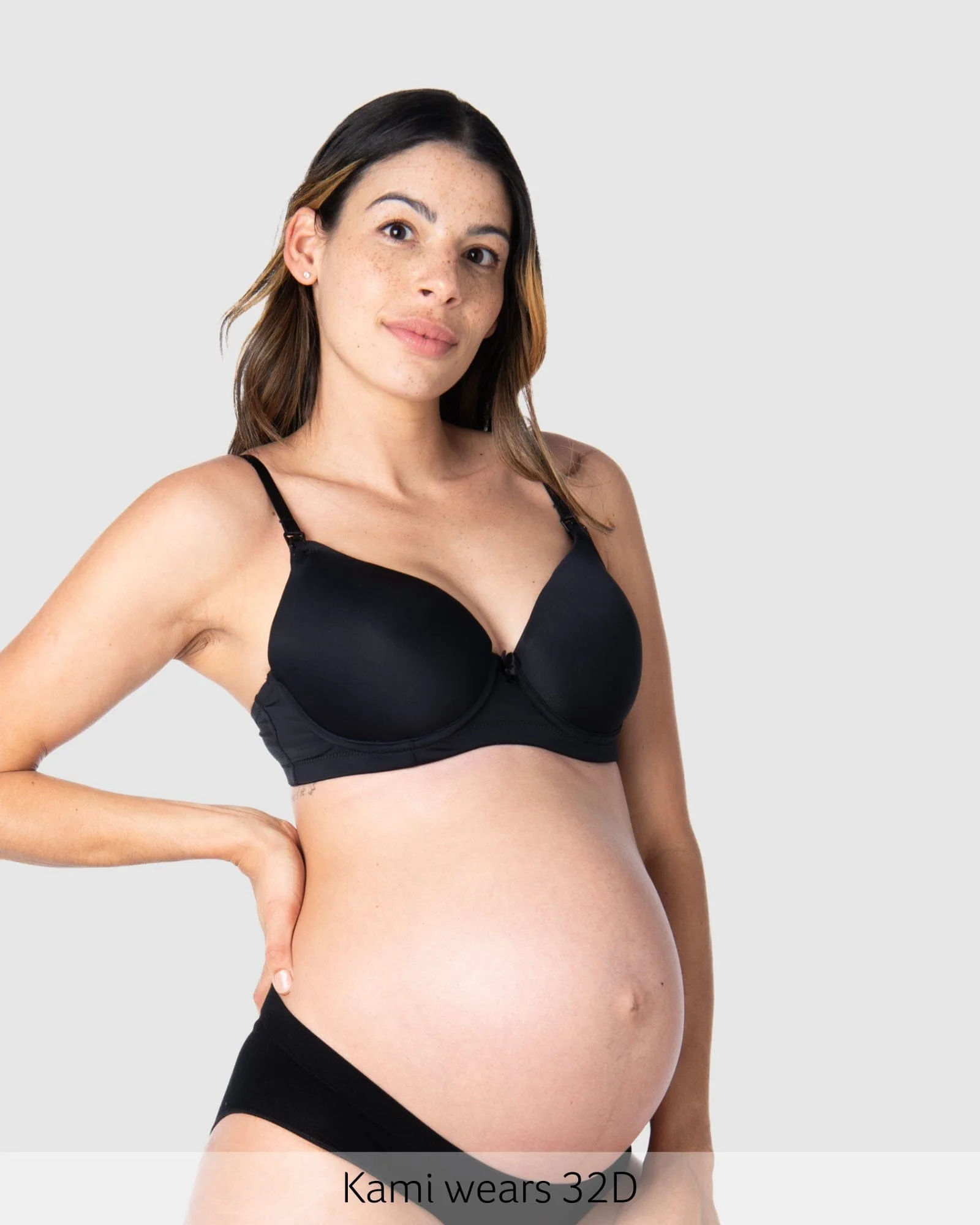
- Forever Yours T-Shirt Nursing Bra - Black: The everyday nursing bra that does it all. Seamless and supportive, it features silky padded cups, flexiwire lift, and soft cotton lining for ultimate comfort. This bra's seamless design and soft cotton lining benefit from gentle washing to maintain smoothness and prevent fabric pilling, ensuring it stays comfortable under clothing.
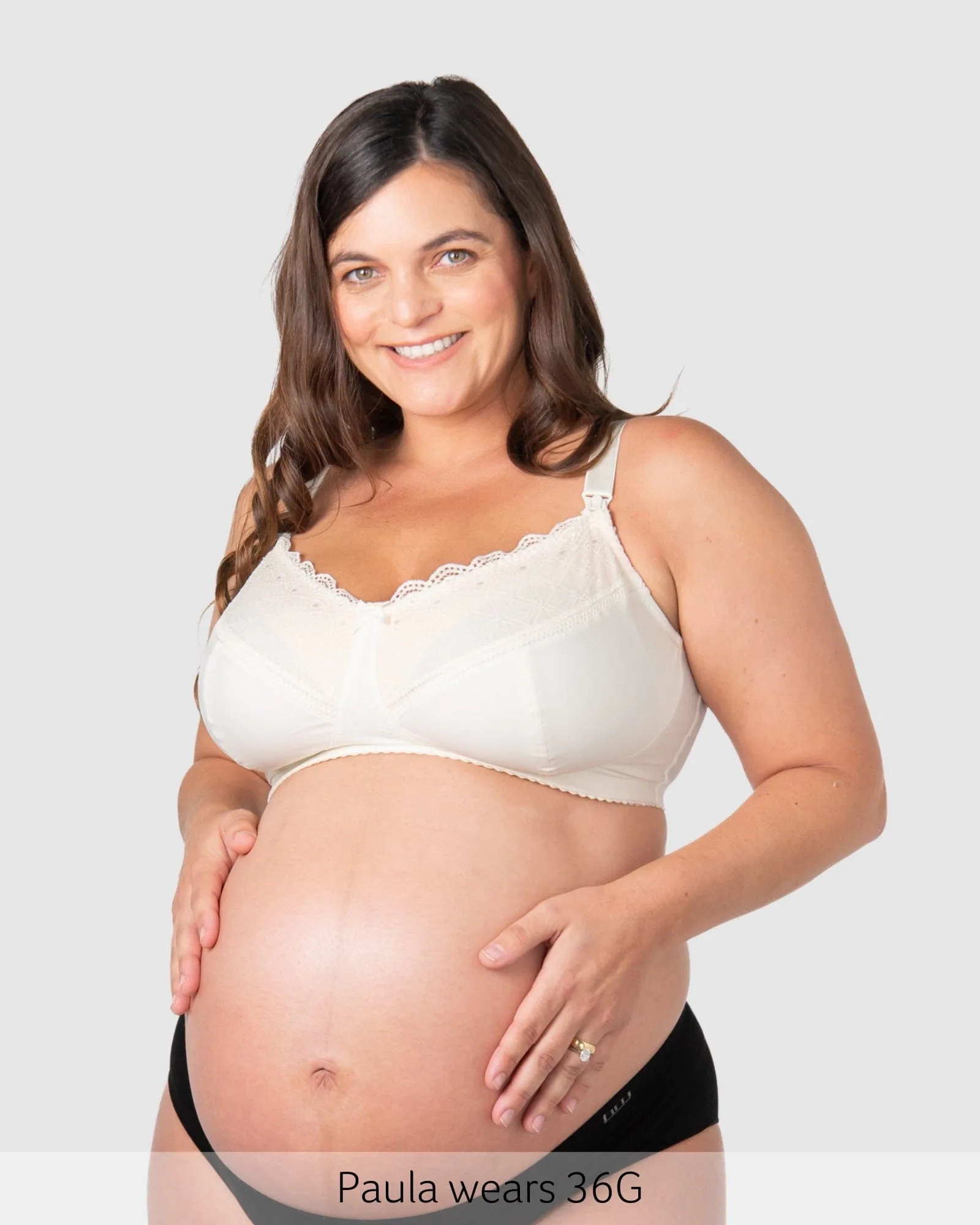
- Show Off Full Cup Nursing Bra - Ivory: With full coverage cotton-lined cups, A-frame nursing support, and a flexible wireless underbust band, it’s designed to move with you from pregnancy to postpartum. The A-frame support and wireless band rely on elastic integrity; proper care preserves the lift and flexibility that make this bra a favorite.
Taking a few extra minutes to hand wash and air dry your nursing bras can significantly extend their life and keep them comfortable and supportive. With proper care, your bras will continue to serve you well throughout your nursing journey. Remember to always check the care label and when in doubt, opt for the gentlest method.