Quick answer
Wash cycling kit after every ride in cold or lukewarm water on a gentle cycle, using a small amount of mild liquid detergent and no fabric softener. Turn everything inside out, close zips, place gloves and delicate items in a mesh bag, then air dry away from direct heat. Heat, softener and the tumble dryer are what destroy stretch, wicking and water-repellent finishes.
Why cycling kit needs different treatment
Technical cycling clothing is built from fabrics that are engineered, not just sewn. Wicking yarns move sweat to the surface, four-way stretch lets the fabric follow your pedal stroke, and some pieces carry a DWR treatment that helps rain and road spray bead off. Those properties sit in the fibres and the finishes, not in the colour, so they are the first things to go when kit is washed badly.
The damage is usually cumulative rather than instant. A hot wash here, a cap of softener there, and after a season the jersey feels clammy instead of fast-drying and the bib shorts have lost the compression that made them comfortable. Treat every wash as maintenance, not just cleaning.
Sort before you wash, not after
Separate kit by fabric weight and by how dirty it is. Heavy, muddy winter layers should not share a load with a light summer jersey, because the heavier items need a longer, more agitated cycle and will abrade the lighter ones. Keep anything with hook-and-loop straps, velcro or exposed metal away from jerseys, since those edges snag knit fabrics in the drum.
Check pockets before anything goes in. A gel wrapper left in a jersey pocket can bleed colour or leave residue, and a house key will scratch prints and panels. Empty every pocket, close every zip, and fasten any hooks so they cannot catch on other garments.
The products that reward careful washing
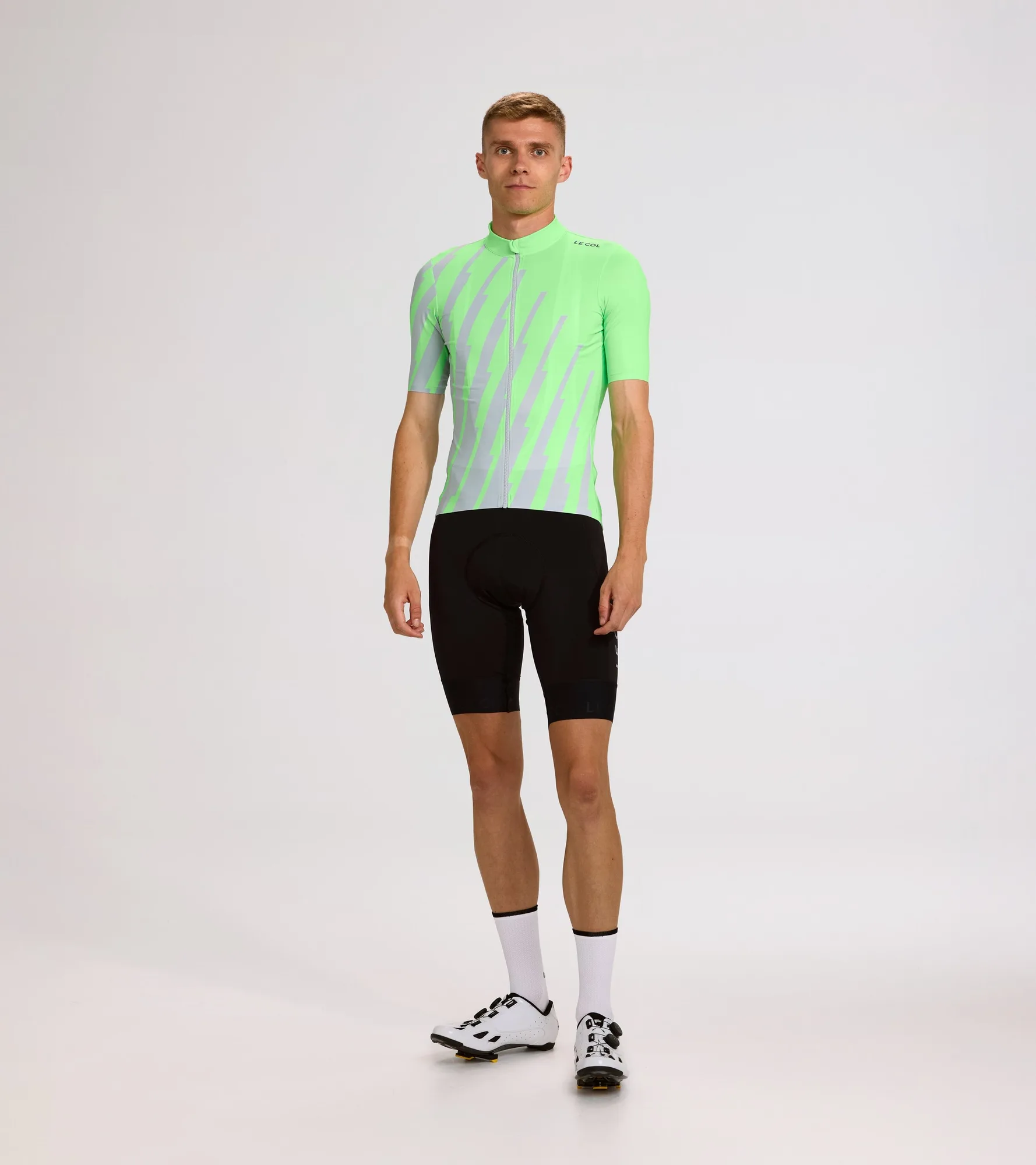
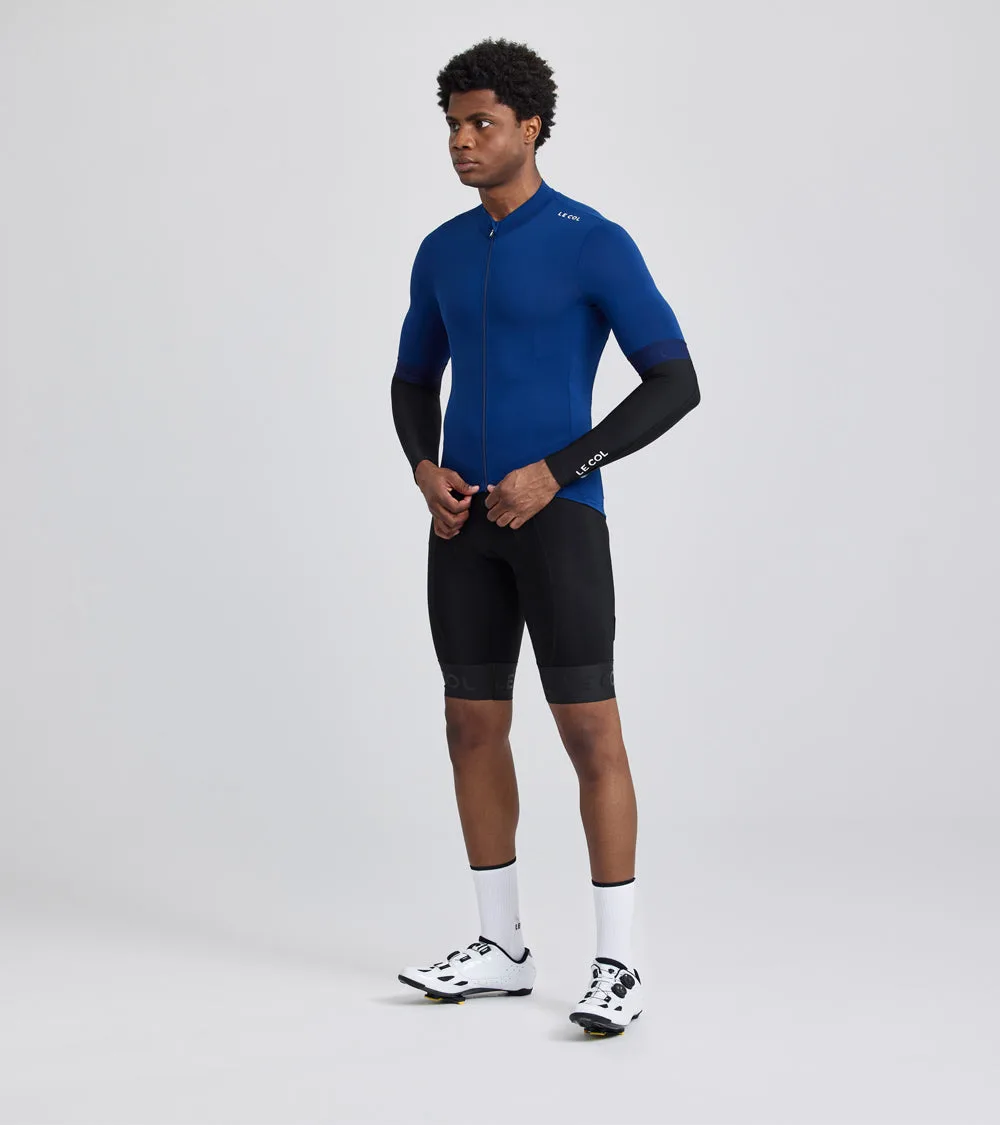
Race-fit garments show the effects of rough washing sooner than relaxed kit, because they rely on stretch and compression to work. If your jersey or bibs are designed to sit close to the body, treat the care label as part of the fit. A jersey that has been shrunk or has lost its elasticity will no longer hold its shape in an aggressive riding position, no matter how well it fitted when new.
Drying and storage decisions that add seasons
Air drying is the single easiest way to extend kit life. Hang garments in the shade or in a ventilated room, shaped rather than stretched, and let them dry fully before they go back in the drawer. A damp jersey left in a kit bag is how permanent odour starts, and odour that has set into a wicking fabric is very hard to remove.
Store clean, dry kit folded or on hangers, away from damp garages and direct sunlight. If you rotate between several jerseys and pairs of bibs, each piece gets washed less often and lasts longer, which is usually cheaper than replacing one favourite piece every season.
The wash routine, step by step
- 1. Empty pockets and close everything: Turn garments inside out, close all zips, fasten hook-and-loop straps, and check every pocket for gels, wrappers and keys. Mistake to avoid: leaving a zip open or a velcro strap exposed, which snags knit fabrics in the drum.
- 2. Pre-treat only where it is needed: Dab a small amount of mild liquid detergent onto chamois areas, underarm panels and collar edges, and let it sit for a few minutes before the main wash. Checkpoint: use detergent, not neat bleach or stain remover, on technical fabrics.
- 3. Bag the small and delicate items: Put gloves, socks, arm warmers and any lightweight jersey into a mesh laundry bag so they cannot wrap around heavier items or catch on the drum. Mistake to avoid: washing gloves loose with bib shorts, where straps and chamois can tangle them.
- 4. Wash cold on a gentle cycle with a small dose: Select a cold or lukewarm delicate cycle, use roughly a third of the usual detergent dose, and never add fabric softener or dryer sheets. Checkpoint: if the water feels hot to your hand, it is too hot for stretch and DWR finishes.
- 5. Skip the spin and rinse thoroughly: Use a low or no-spin setting, and run an extra rinse if your machine allows it, so no detergent residue is left in the padding or seams. Mistake to avoid: high-speed spin, which stresses seams and can distort close-fitting panels.
- 6. Air dry shaped, not stretched: Hang or lay garments flat in the shade or a ventilated room, reshaping bib shorts and jerseys while damp so they dry in their intended cut. Never tumble dry technical kit; heat is what kills wicking, stretch and water repellency.
- 7. Store dry and rotate your kit: Only put kit away once it is completely dry, and rotate between several jerseys and bibs so each piece is washed less frequently. Checkpoint: damp kit in a closed bag is the fastest route to permanent odour.
Kit that benefits from a careful wash routine
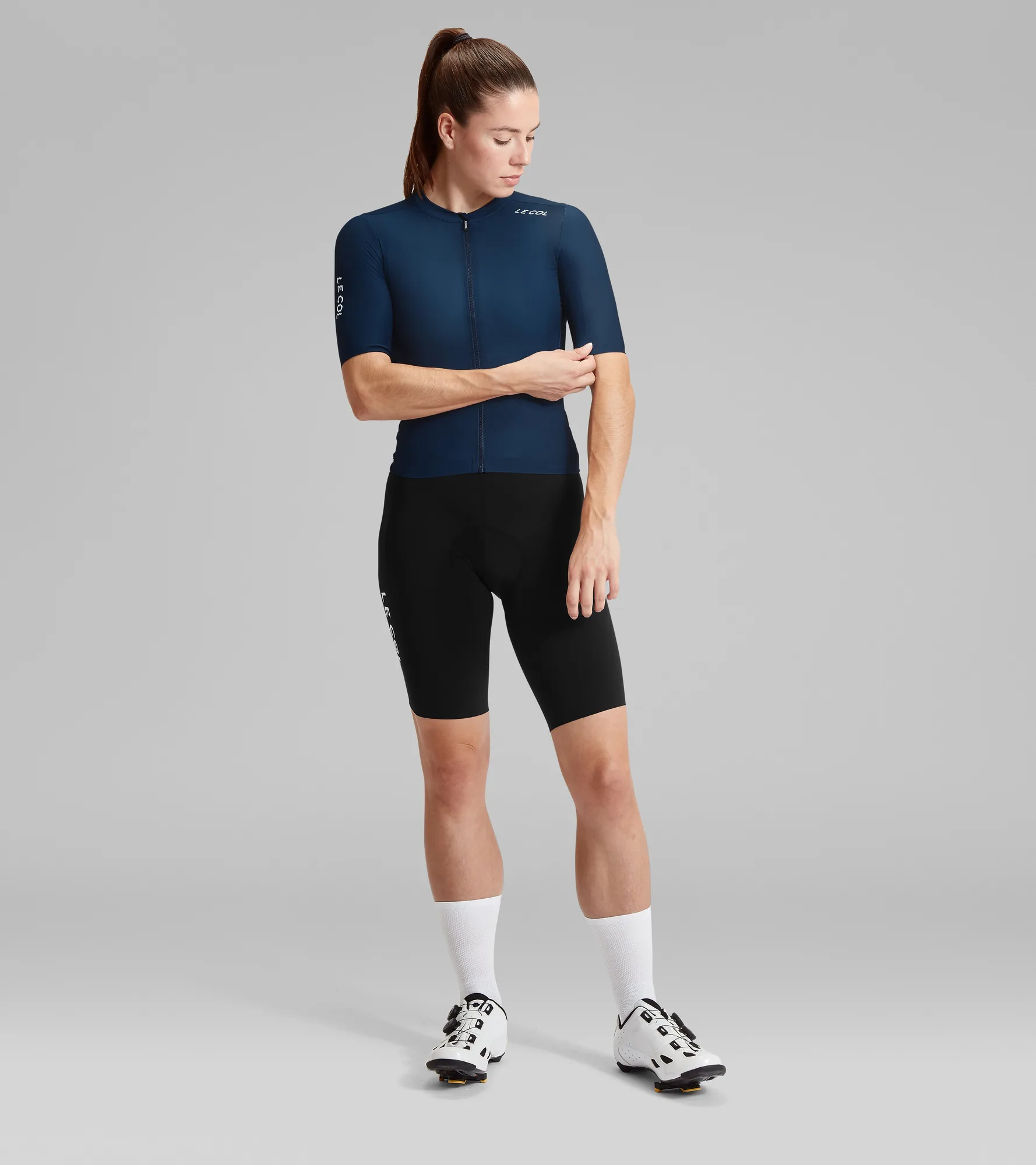
- Womens Pro Jersey: The Women's https://lecols.com/products/pro-jersey-cfc68a7ca9c5b4252587457d-760567Pro Jersey uses a fast-wicking fabric that pulls sweat away from the body, with a form-fitting four-way stretch cut for aggressive race positions. Wicking performance and four-way stretch are exactly what hot washes and fabric softener degrade, so this jersey is a good reason to keep the cycle cold and gentle.
- LC__CC Womens Pro Aero Jersey: The LC__CC Women's https://lecols.com/products/pro-aero-jersey-1-d0a180804a84edfdaf5bc8c7-760573Pro Aero Jersey is developed through wind tunnel testing with strategically placed textured fabrics to reduce drag, and it is moisture-wicking and highly breathable. Textured aero panels and surface fabrics are easily abraded by velcro, zips and overloaded drums, so wash it inside out and separate from heavy layers.
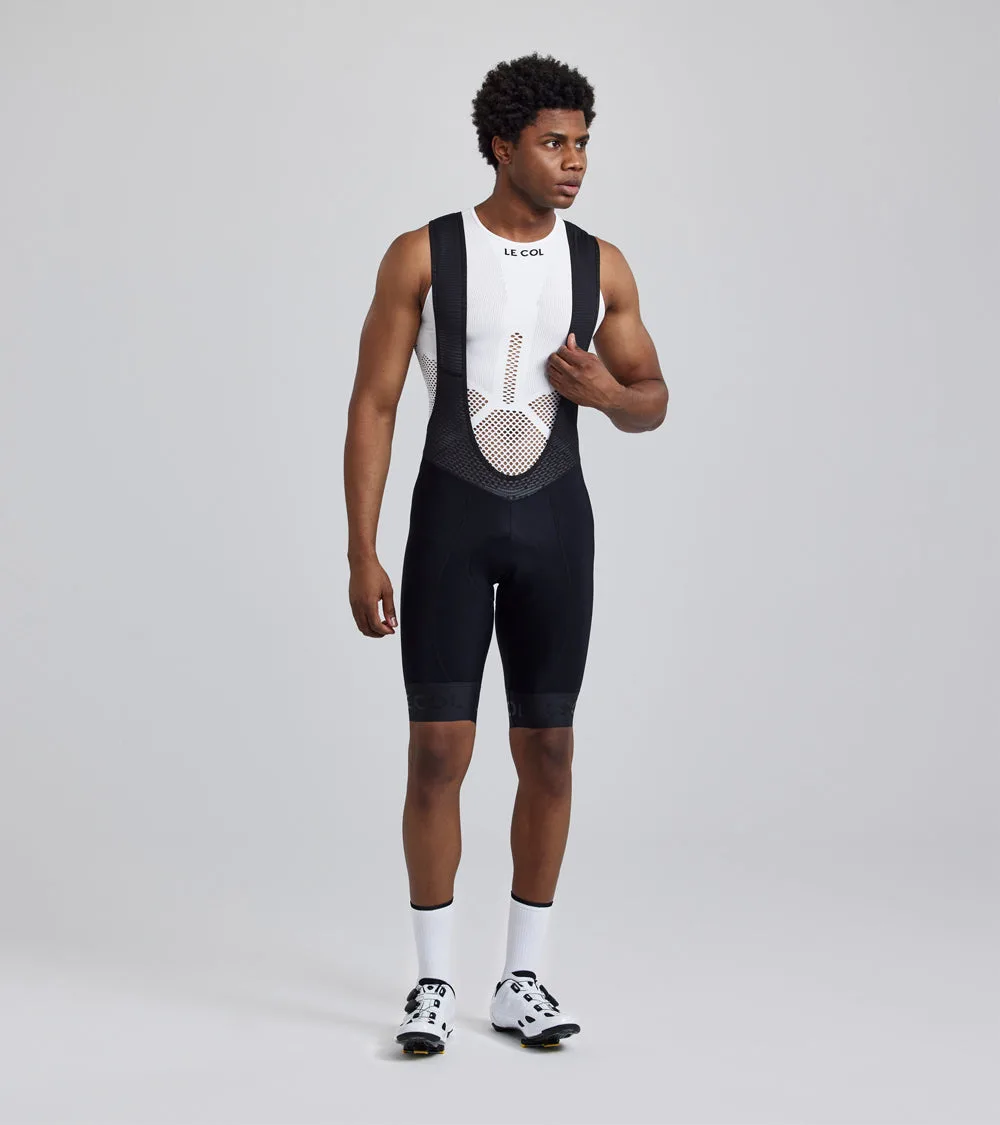
- Pro Thermal Bib Shorts: The Pro Thermal Bib Shorts use a thermal fabric with DWR treatment on the legs and soft thermal uppers, in a close race fit. DWR finishes are stripped by fabric softener and heat, so skip both if you want the legs to keep shedding showers and road spray.