Quick answer
Wash lace lingerie by hand in cool water with a gentle detergent, soak for no more than 10 minutes, then press the water out instead of wringing. Lay the piece flat to air dry. If you must use a machine, put the item in a lingerie laundry bag on a delicate cycle, but hand washing remains the safest option for scalloped lace and underwire bras.
Why lace needs a different wash routine
Scalloped lace and soft stretch fabrics are built for comfort, not for agitation. A standard wash cycle twists and pulls the lace edges, while hot water and harsh detergent can break down the elastane that gives a bra its stretch. Once that stretch goes, the band loosens and the cups stop supporting. Hand washing protects the lace structure and keeps the fit consistent over time.
Choosing a delicate lingerie detergent
Look for a mild, pH-neutral detergent labeled for delicates or silk. Avoid anything with bleach, enzymes, or fabric softener, because these leave residue that dulls lace and weakens elastic. A small amount is enough: about a teaspoon per basin of cool water. If you only have regular detergent, use a fraction of the usual dose and make sure it dissolves fully before adding the garment.
When a lingerie laundry bag makes sense
A mesh lingerie laundry bag is not a free pass to wash lace with towels. It only helps if you use it on a delicate cycle with low spin and cold water, and if you fasten every hook-and-eye closure first so the hooks do not snag other pieces. For underwire bras and lace camisoles, the bag reduces friction but does not eliminate it. Treat it as a backup for busy weeks, not your default method.
Drying lace without stretching it
Never put lace lingerie in a dryer. Heat breaks down elastane and can distort the shape of cups and straps. After washing, gently press the garment between two towels to remove excess water, then reshape it and lay it flat on a drying rack away from direct sunlight. Hanging a wet bra by its straps puts all the weight on the elastic and causes stretching. Air drying lingerie flat keeps the band and cups true to size.
Step-by-step hand washing for lace lingerie
- 1. Check the label and sort: Read the care tag first. Separate lace bras and camisoles from anything with zippers, hooks, or rough textures. Fasten all hook-and-eye closures so they do not catch on lace. Checkpoint: if the label says hand wash only, do not put it in the machine even in a bag.
- 2. Fill a basin with cool water and gentle detergent: Use cool water and a mild detergent made for delicates. Swirl the water to dissolve the detergent before adding the garment. Mistake to avoid: pouring detergent directly onto lace, which can leave a residue that weakens fibers.
- 3. Submerge and soak briefly: Place the lingerie in the water and let it soak for 5 to 10 minutes. Gently squeeze the suds through the fabric with your hands; do not rub or scrub. Checkpoint: if the water turns heavily gray, drain and repeat with fresh water before rinsing.
- 4. Rinse without wringing: Drain the basin and refill with cool water. Press the garment against the side of the basin to release soap, then lift it out. Repeat until the water runs clear. Mistake to avoid: wringing or twisting, which stretches lace and distorts underwire cups.
- 5. Remove excess water with a towel: Lay the piece on a clean, dry towel and roll the towel up gently to absorb water. Do not rub the lace against the towel. Checkpoint: the garment should feel damp, not dripping, before you lay it out to dry.
- 6. Air dry flat and reshape: Reshape cups and straps by hand and lay the lingerie flat on a drying rack. Keep it out of direct sun and away from radiators. Mistake to avoid: hanging a wet bra by its straps, which stretches the elastic and changes the fit.
Lace pieces that benefit from this routine
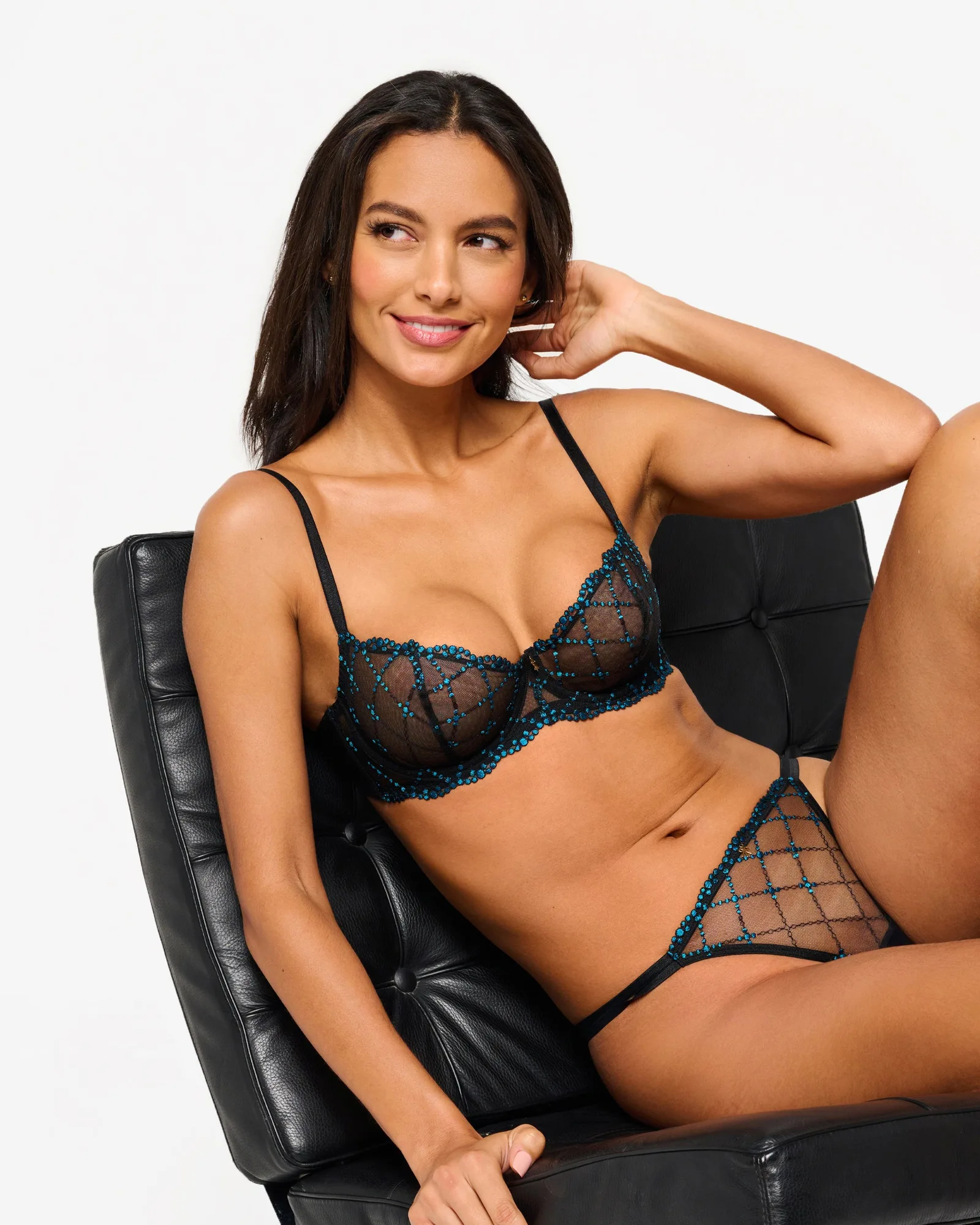
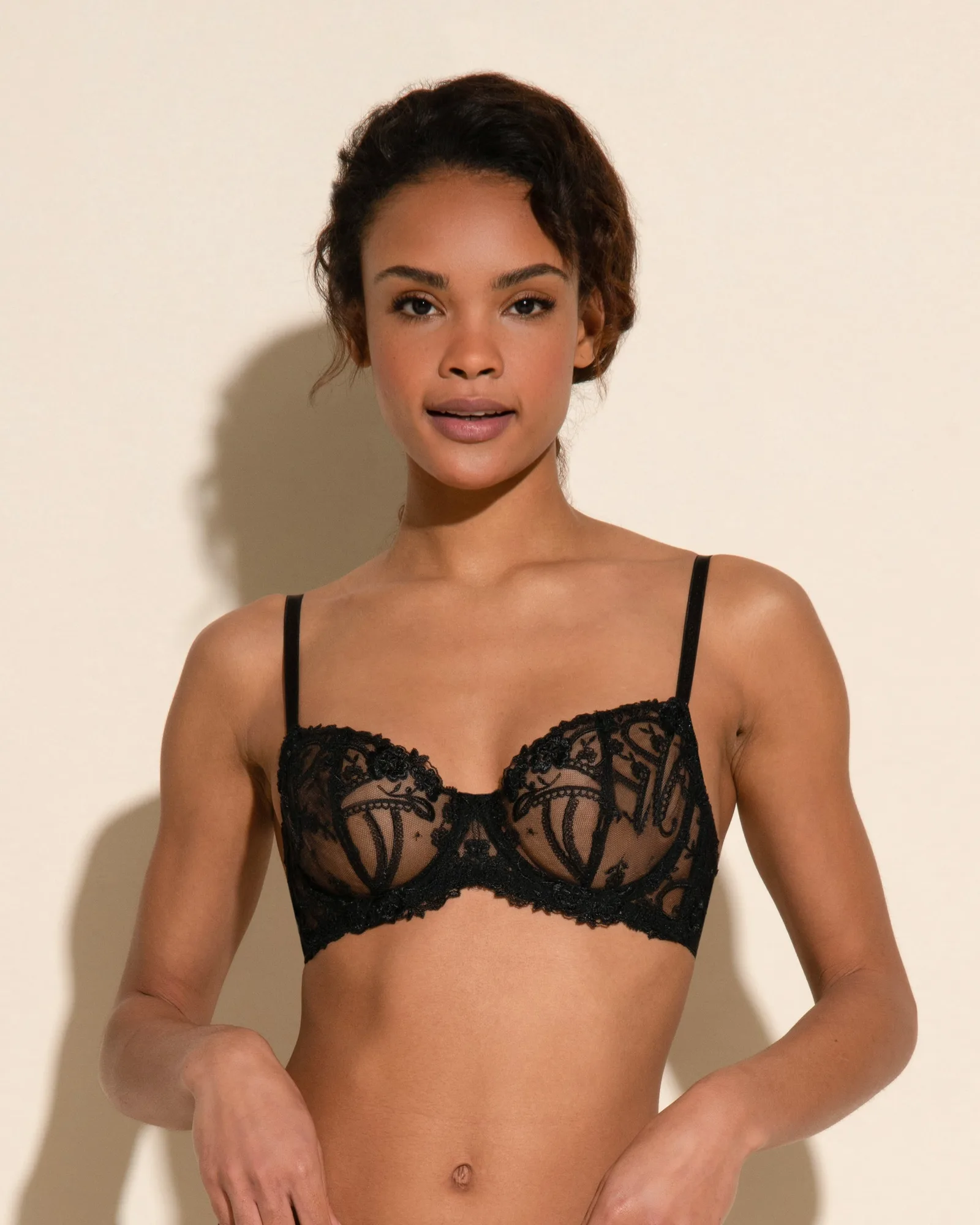
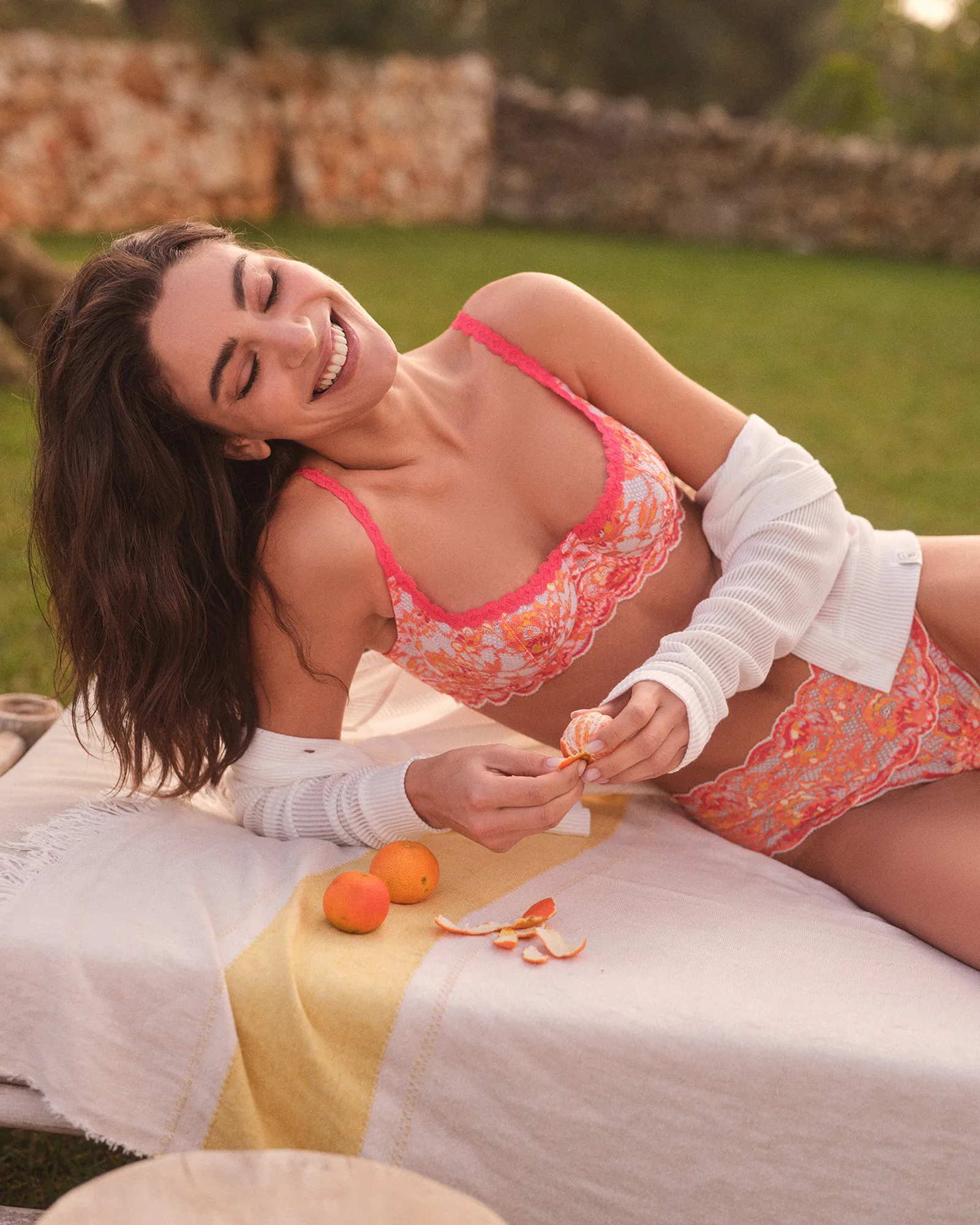
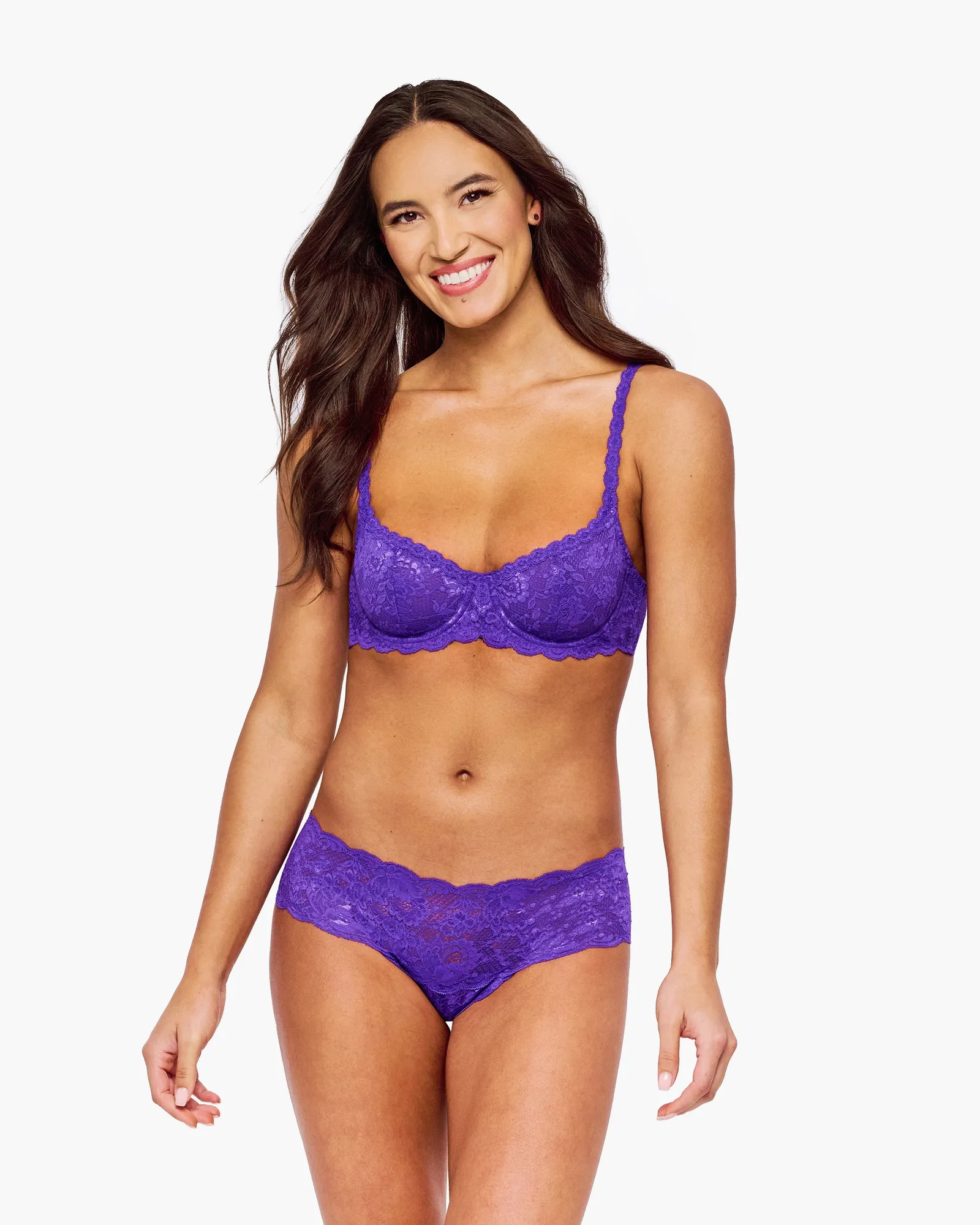
- Balconette Bra: https://cosabellaec.com/products/avventura-balconette-bra-black-lago-en-afed969e4c15059e0c848dfb-929656https://cosabellaec.com/products/dolce-underwire-bra-black-en-6f112082296477053e5c4acd-930321https://cosabellaec.com/products/dolce-balconette-bra-cappero-en-f52485339fbe7da25ce5ec32-930331https://cosabellaec.com/products/never-say-never-ombre-balconette-bra-agrumi-moon-ivory-e65808d8c424e35a9245679d-930344Balconette Bra with scalloped Never Say Never lace, non-padded cups, and an adjustable hook-and-eye closure; hand wash recommended. The hook-and-eye closure and lace trim are the first parts to wear out in a machine, so hand washing protects the fit and the delicate scalloped edge.
- Curvy Camisole: Curvy Camisole in lace with power mesh lining and wide, adjustable straps; pullover style. The mesh lining and wide straps hold their shape better when you press water out instead of wringing, and laying it flat to dry prevents strap stretch.