Quick Answer
Pre-wash new fabric the same way you plan to wash the finished item: usually machine wash cold and tumble dry low. Wash similar colors together, use a color catcher for strong reds and blacks, and press while slightly damp. Skipping this step risks shrinkage and dye transfer in the finished project.
New fabric looks ready to cut, but it usually is not. Cotton shrinks and dyes can bleed, so pre-washing fabric before sewing protects the size and color of anything you make. The good news is that fabric preparation is simple once you know the order of operations.
This guide walks through a repeatable pre-wash routine for quilting cotton, apparel fabric, and specialty fabrics, with the checkpoints that keep you from ruining a project before you even start cutting.
Why Pre-Washing Matters
Most quilting cottons are woven and finished with sizing or starch, and they can shrink slightly after the first wash. If you sew first and wash later, that shrinkage happens to the finished quilt or garment, which can pucker seams or change the fit. Pre-washing moves that change to the fabric, where you can handle it.
Dye bleed is the other reason. Deep reds, blacks, and saturated prints can release excess dye in the wash. Testing and washing before cutting lets you catch a bleeding fabric while you can still return it or wash it separately. It also removes manufacturing finishes that can make fabric feel stiff or resist a pressing iron.
- Pre-wash when the finished item will be washed regularly: quilts, clothing, kitchen linens, and gifts.
- Check the bolt end or product page for fiber content and care instructions before you wash anything.
Read the Fiber Before You Wash
Fiber content decides your wash method. Cotton, including quilting cotton and most apparel cotton, handles machine wash cold and tumble dry low. Blends with polyester or rayon are usually fine on the same setting, but they may need lower heat to avoid setting wrinkles. Wool, silk, and some rayons need hand washing or dry cleaning, so check the care instructions first.
For specialty fabrics like velveteen, the care decision is less obvious. Lush Velveteen Black from Robert Kaufman is 100% cotton at 42 inches wide and 6.78 ounces per square yard, but the catalog facts do not list a washing instruction. That absence is a real limitation: test a small square in cool water before committing the whole cut, or plan to dry clean it if you want to avoid any surface change.

Lush Velveteen Black from Robert Kaufman
- When care instructions are missing, cut a 4-inch test square and wash it alone before washing the full piece.
- If you cannot risk a texture change, choose a fabric with a stated wash method instead.
How to Pre-Wash Step by Step
Start by unfolding and inspecting the fabric for flaws, then cut a small test square from one corner. Wash the test square with a color catcher to see whether dye releases. If the water or catcher shows heavy color, wash the full piece separately the first time and add a color catcher to the load.
For most cotton, machine wash cold on a gentle cycle with a small amount of mild detergent, then tumble dry low. Pull the fabric out while it is still slightly damp and press it on the appropriate heat setting. If you prefer to skip the dryer, hang or lay flat to dry, then press. Either way, the goal is to finish the shrink-and-bleed cycle before you cut.
- Do not use fabric softener; it leaves a residue that can affect how fabric feeds through your machine.
- Wash similar colors together, and never wash a new dark red or black with light fabrics on the first pass.
Pre-Washing Bundles and Small Cuts
Fat quarters and small cuts fray in the wash, so handle them differently. Snip the corners to reduce raveling, or place small pieces inside a mesh laundry bag or a zippered pillowcase before washing. This keeps them from tangling and losing threads in the machine.
The Make (5) Piece Fat Quarter Bundle is a good example of a set that benefits from bagging. Each piece is approximately 18 by 22 inches and made from Riley Blake fabric, and the stated care is machine wash cold with tumble dry low. Washing the bundle pieces together in a mesh bag keeps the set matched and prevents one frayed piece from wrapping around the others.
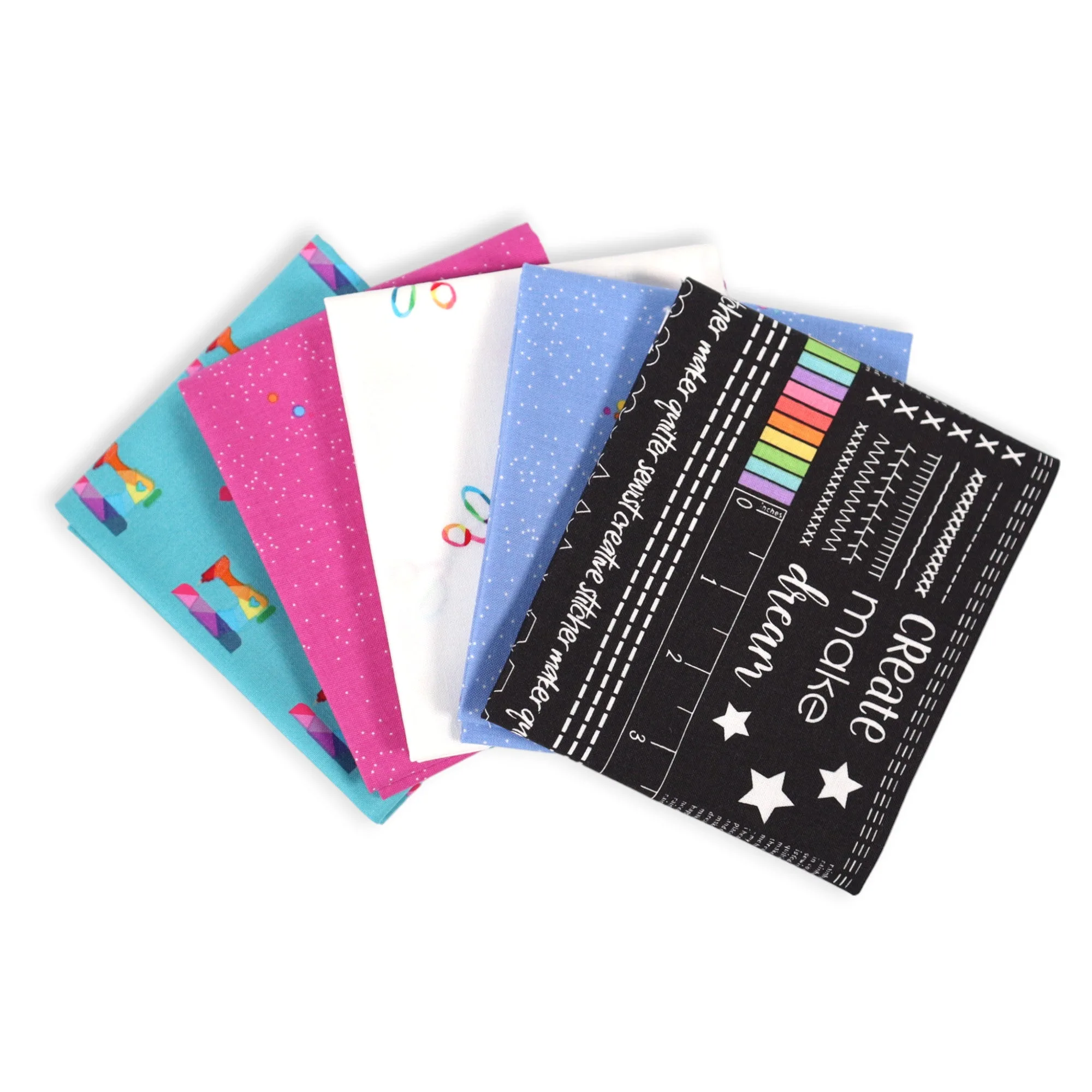
Make (5) Piece Fat Quarter Bundle
- Bag small cuts before washing to protect seams and edges.
- Wash bundle pieces together so they shrink and fade at the same rate.
Drying, Pressing, and Storing
Drying is where most shrinkage happens, so match the dryer setting to how you will wash the finished item. Tumble dry low is a safe default for cotton. If you plan to air dry the finished quilt or garment, air dry the fabric too, because the two methods can produce different final sizes.
Press fabric while it is slightly damp for the smoothest result. Use steam on cotton and a lower heat setting for blends. Once pressed, fold the fabric on grain and store it flat or rolled so it does not stretch out of shape before you cut. Label the stack with the wash method so you remember what you did.
- Press on grain to avoid stretching bias edges.
- Store pre-washed fabric away from direct sun, which can fade prints over time.
Common Pre-Washing Mistakes to Avoid
The most common mistake is washing everything together on the first pass. A new black or deep red can tint an entire load, so separate first washes by color family. The second is using hot water and high heat when the finished item will be washed cold, which can shrink fabric more than needed and set wrinkles.
Another mistake is forgetting to re-measure after washing. Fabric can shrink differently by print and finish, so measure before and after to know how much your yardage changed. Finally, do not pre-wash fabric you plan to use for a project that will never be washed, such as a wall hanging, unless you want the softer hand that washing provides.
- Separate first washes by color family.
- Measure before and after washing so you can adjust your cutting plan.
Your Pre-Wash Checklist
- Check the care instructions: Find the fiber content and wash method on the bolt end or product page before you wash anything. If no method is listed, treat it as a test-first fabric.
- Cut a test square: Wash a small square with a color catcher to check for dye release and shrinkage. Heavy color on the catcher means wash the full piece separately the first time.
- Wash cold on gentle: Use mild detergent and a gentle cycle, and skip fabric softener. Match the wash temperature to how you will clean the finished item.
- Dry low and press damp: Tumble dry low, or air dry if you plan to air dry the finished project, then press while slightly damp. Drying is where most shrinkage happens, so do not rush this step.
- Measure and store: Measure the fabric after washing, then fold on grain and store it flat or rolled. Note the wash method so you can repeat it for the finished item.
Fabric Facts That Affect Pre-Washing
- Make (5) Piece Fat Quarter Bundle: This bundle includes five pieces of Riley Blake fabric, each approximately 18 by 22 inches, with washing instructions of machine wash cold and tumble dry low. The small cut size means these pieces fray easily, so bag them in a mesh laundry bag before washing and follow the stated cold wash and low dry settings.
- Lush Velveteen Black from Robert Kaufman: This fabric is 100% cotton, 42 inches wide, and 6.78 ounces per square yard, but the catalog facts do not include a washing instruction. Because no wash method is listed, test a small square in cool water before washing the full cut, or plan to dry clean it if you want to preserve the surface.
- Avocado from POParazzi by Riley Blake Designs: This 100% cotton fabric is 43 to 44 inches wide and features tiny tone-on-tone squares, with washing instructions of machine wash cold and tumble dry low. The stated care matches the standard cotton routine, so you can pre-wash it with similar colors and dry low without special handling.
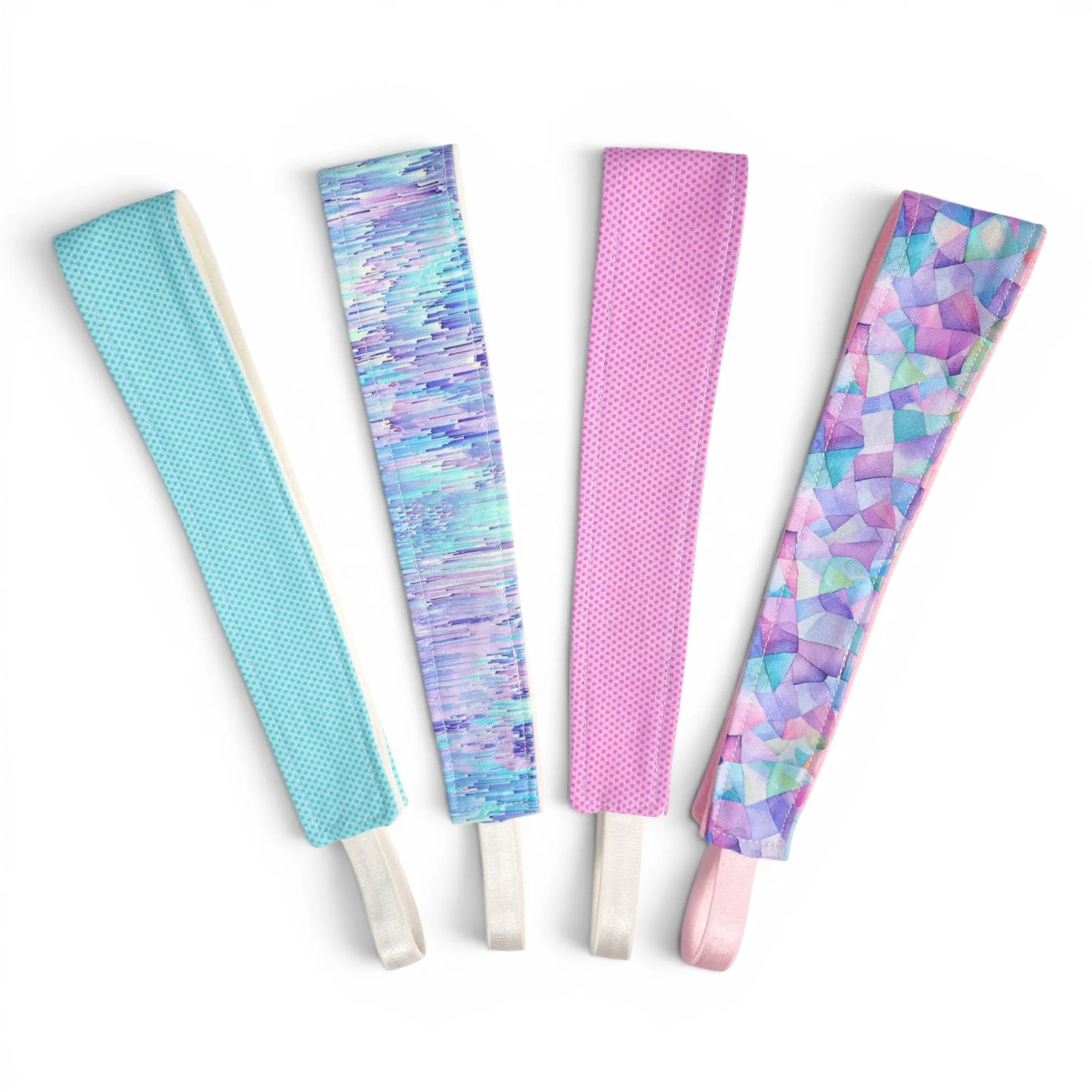
- Headband Sewing Kit - Makes 4 Headbands: This kit includes velvet for the lining and non-slip elastic, and the pattern offers two sizes with adjustable elastic. The velvet lining is a specialty fabric, so test it before washing; if you pre-wash the main fabric, keep the velvet and elastic out of the wash to protect their finish.
Pre-washing fabric before sewing is a small step that protects the size and color of everything you make. Wash the way you plan to clean the finished item, test unfamiliar fabrics first, and press before cutting. Your seams and your finished project will thank you.