Quick answer
Hand wash your quilt in cool water with a gentle, pH-neutral soap, then press the water out and dry it flat. Keep the label out of direct sun and skip the dryer unless the label is specifically rated for it. Most label fading comes from hot water, harsh detergent, and sunlight, not from washing itself.
A quilt with a sew-in label is part keepsake, part everyday object, and the label is usually the most fragile part of the whole piece. The good news: with the right method, you can wash a quilt with labels regularly without turning the tag into a faded, frayed rectangle.
This guide walks through the full process, from checking the label before the first wash to drying flat and storing the quilt between uses. It applies to cotton, woven, and organic cotton labels, including the ones Sarah Hearts sells, and it flags the mistakes that cause most label damage.
Before you wash: inspect the label and the quilt
Start by reading the label itself. Some labels carry wash and dry instructions printed right on the tag, like the Wash Cold Hang Dry Organic Cotton Sewing Labels, which tell you exactly how to treat the quilt. If your label has no care text, treat it as delicate: cool water, mild soap, no dryer heat. Then check the quilt's seams, binding, and any appliqué or embellishment for loose threads before the quilt gets wet.
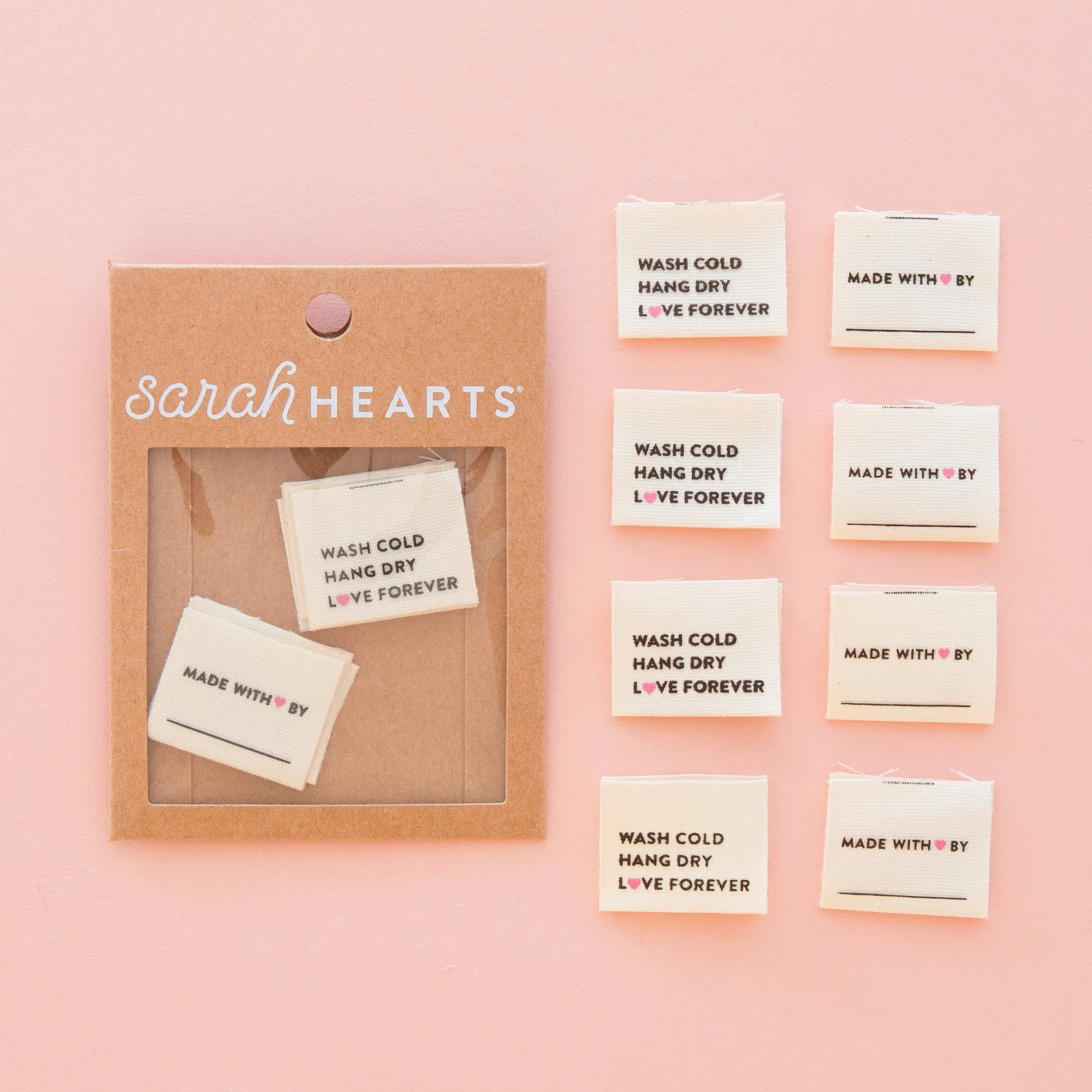
Wash Cold Hang Dry Organic Cotton Sewing Labels
This is also the moment to test for color bleeding. Dab a damp white cloth on a hidden corner of the label and on any dark or saturated fabrics. If color transfers, wash the quilt alone the first time and use a color catcher. A label that bleeds in the test will bleed more in a hot wash, so keep the water cool.
- Checkpoint: if the label feels stiff or scratchy, it may be a woven polyester label rather than cotton; both can be washed, but polyester tolerates a little more heat.
- Common mistake: assuming all labels are washer-safe because the quilt fabric is.
Choose the right washing method
For most handmade quilts, hand washing is the safest option. Fill a clean tub or large basin with cool water and a small amount of gentle, pH-neutral detergent. Submerge the quilt, press it down gently, and let it soak for 10 to 15 minutes. Do not scrub the label or wring the quilt; agitation is what causes fraying and fading.
If your quilt is sturdy and the label is fully washable, a front-loading machine on a delicate cycle with cold water is an acceptable shortcut. Avoid top-loading machines with a central agitator, which can twist the quilt and pull at the label. Never use bleach, fabric softener, or enzyme-heavy detergents, all of which break down fibers and dull printed ink.
- Common mistake: using hot water to sanitize. Cool water cleans quilts just as well and protects both dye and label ink.
- Checkpoint: if the water turns cloudy with dye, stop and rinse immediately.
Rinse, press, and dry flat
Drain the soapy water and refill with cool, clean water. Press the quilt down to push water through it, then drain again. Repeat until the water runs clear and no suds remain. To remove water, roll the quilt in a clean towel and press, or gently squeeze from the edges toward the center. Never wring or twist, especially near the label.
Dry the quilt flat on a clean towel or drying rack, reshaping it to its original dimensions as it dries. Keep it out of direct sunlight, which is a leading cause of quilt label fading. If you must hang it, hang over a wide, padded bar rather than a thin line, and keep the label out of the sun. Skip the dryer unless your label specifically says it can handle dryer heat.
- Checkpoint: flip the quilt once midway through drying so both sides dry evenly.
- Common mistake: drying in full sun because it feels faster. UV light fades label ink and quilt dyes.
Label care after washing
Once the quilt is dry, check the label's stitching. If any corner has lifted, re-sew it with a few small stitches using matching thread. If the label has a personalization space, wait until the quilt is completely dry before writing on it, and use a permanent fabric pen so the ink sets rather than washes out. A label that is still damp can wick ink and blur the writing.
For storage, fold the quilt loosely and keep it out of direct light. If you stack quilts, place acid-free tissue between them so labels do not snag on each other. Rotate folded quilts every few months to prevent permanent creases, and keep them away from damp basements, which encourage mildew on both fabric and label.
- Common mistake: writing on a label before the quilt is fully dry.
- Checkpoint: a label that feels rough after washing may have detergent residue; rinse once more in cool water.
Your quilt label wash routine, step by step
- Read the label and test for bleeding: Check the tag for wash and dry instructions, then dab a damp white cloth on a hidden corner of the label and any dark fabrics. If color transfers, wash the quilt alone in cool water with a color catcher. Checkpoint: no color transfer means you can wash the quilt with similar colors.
- Hand wash in cool water with gentle soap: Fill a basin with cool water and a small amount of pH-neutral detergent. Submerge the quilt, press gently, and soak for 10 to 15 minutes. Do not scrub or wring, especially near the label. Common mistake: using hot water or enzyme detergent, which fades ink and weakens fibers.
- Rinse until the water runs clear: Drain and refill with cool water, pressing the quilt down to move water through it. Repeat until no suds remain. Skip fabric softener entirely. Checkpoint: cloudy rinse water means more rinsing is needed.
- Remove water without wringing: Roll the quilt in a clean towel and press, or squeeze gently from the edges toward the center. Never twist the quilt, which distorts seams and pulls at the label. Common mistake: wringing the quilt to speed drying, which causes stretching and label damage.
- Dry flat, out of direct sun: Lay the quilt flat on a towel or drying rack and reshape it to its original dimensions. Flip once midway. Keep it out of direct sunlight, which fades label ink and quilt dyes. Checkpoint: if the label is rated for dryer heat, like the Red Heart Woven Sewing Labels, you can tumble dry on low instead.
- Check and re-sew the label if needed: Once dry, inspect the label's stitching. Re-sew any lifted corners with small stitches and matching thread. If you personalize the label, use a permanent fabric pen only after the quilt is completely dry. Next step: store the quilt folded with acid-free tissue between layers, away from damp and light.
Labels that hold up to washing
- Wash Cold Hang Dry Organic Cotton Sewing Labels: Made with organic cotton and printed with wash and dry instructions plus a space to personalize with your name. Sold in packs of 8 labels, 3.5x3cm, 100% organic cotton, OEKO-TEX certified. The label tells you exactly how to wash the quilt, so you do not have to guess. The personalization space also means you can add your name after the first wash, once the quilt is fully dry.
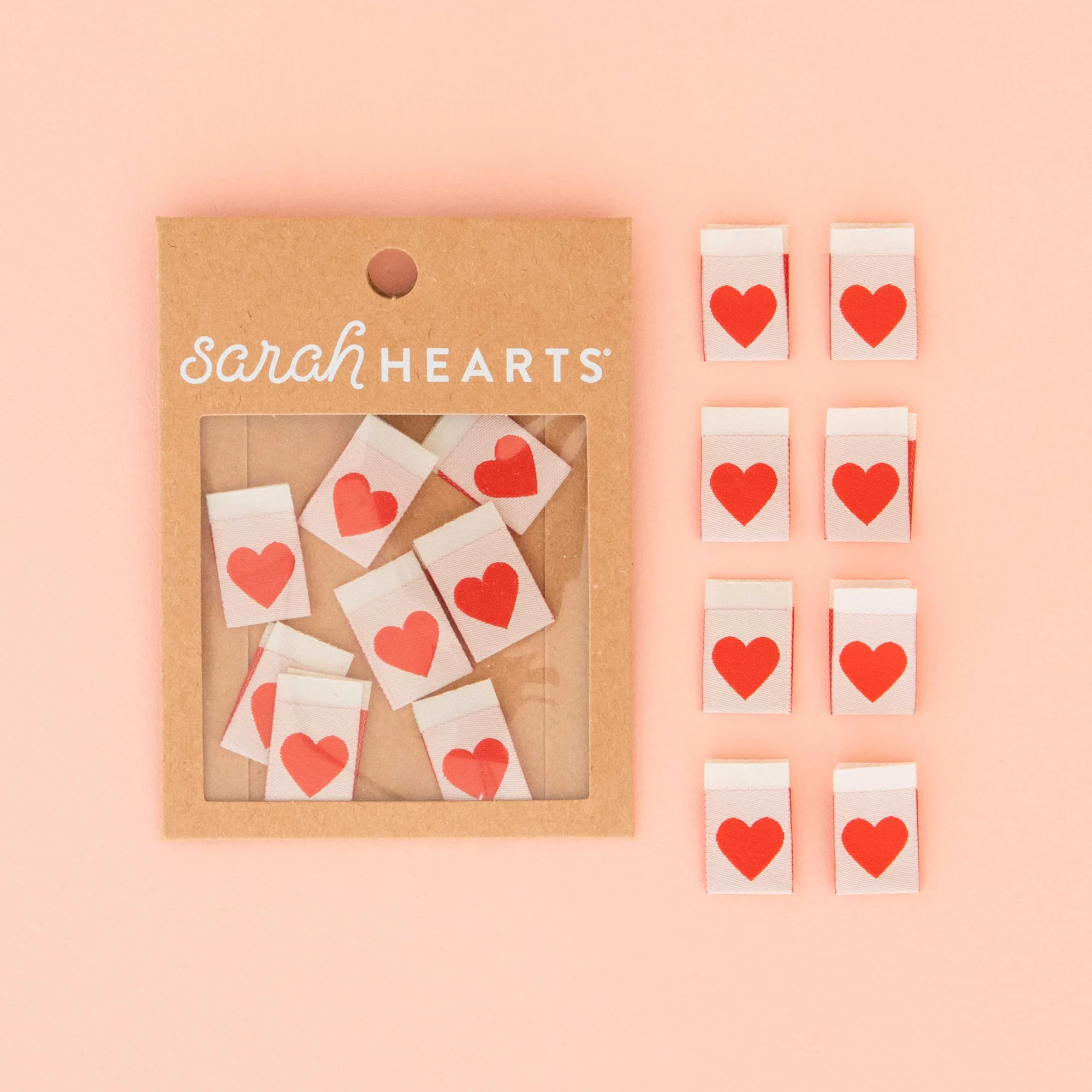
- Red Heart Woven Sewing Labels: A petite, double-sided red heart woven label on a cream background, super soft to the touch and never scratchy. Fully washable and can handle the heat of the dryer. Sold in packs of 8 labels. If you prefer the convenience of machine washing and drying, this label is rated for dryer heat, so you can skip the flat-dry step without risking the tag.
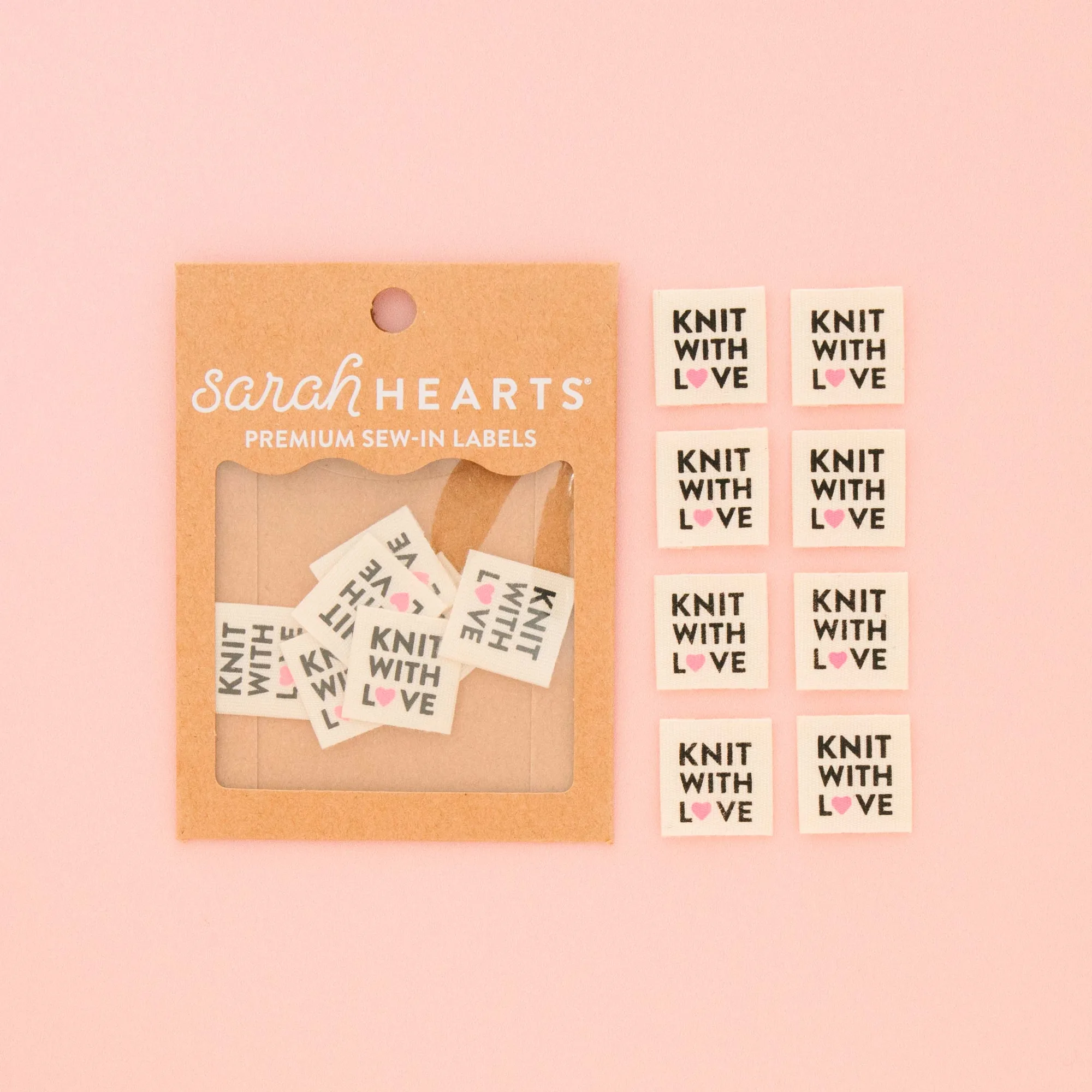
- Knit With Love Organic Sewing Cotton Labels: Rich black text and a sweet pink heart on a cream, organic cotton background. Super soft, never scratchy, and fully machine washable. Sold in packs of 8 labels, OEKO-TEX Standard 100 certified. A good choice for knit quilts and baby quilts that get washed often, since the label is designed to be machine washable and stays soft against the skin.
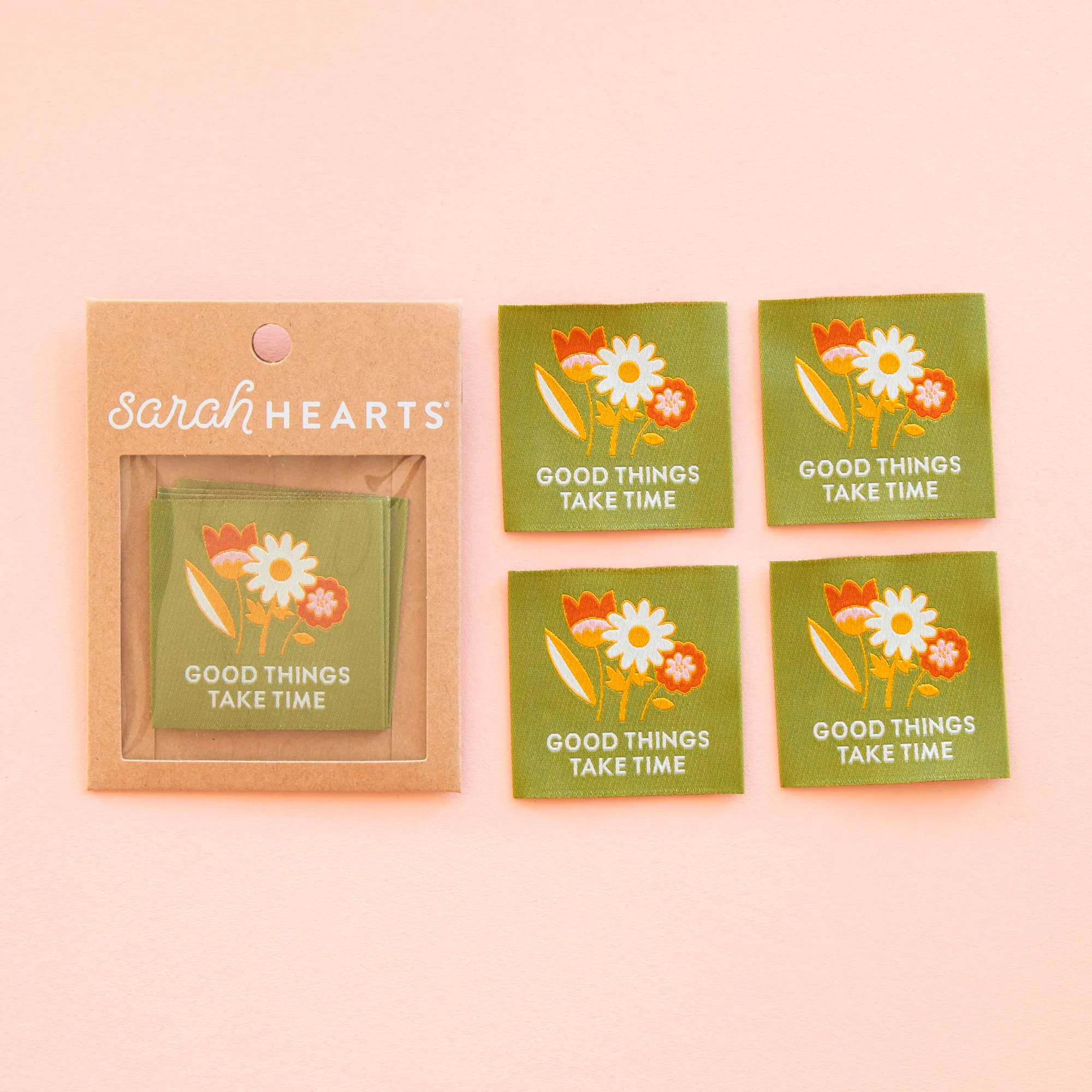
- Good Things Take Time Woven Sewing Labels: Sweet floral design with encouraging words on a 100% polyester woven label. Sold in packs of 4 labels, OEKO-TEX Standard 100 certified. Polyester woven labels tend to resist fading better than printed cotton, so this is a practical pick for quilts that will be washed frequently.
Washing a handmade quilt with a sew-in label comes down to three habits: cool water, gentle soap, and flat drying out of the sun. Follow those, and the quilt stays clean while the label stays readable for years.