Quick answer
Wash lace lingerie by hand in cool water with a small amount of gentle detergent, soak for a few minutes, then press the water out instead of wringing. Rinse in cool water, roll the piece in a towel to blot moisture, and lay it flat to air dry away from direct heat. Skip the dryer and never twist lace, because that is what stretches straps, warps cups, and dulls delicate fibers.
Lace looks fragile, but most of the damage happens in the wash, not on the body. Hot water, a fast spin cycle, and a rough towel rub are the usual culprits behind stretched straps, snagged eyelash trim, and cups that no longer sit flat.
The good news: caring for lace is mostly about slowing down. A short hand wash, the right soap, and a flat drying spot protect the fibers and the structure of the bra, so a piece like the Ava or Serena lace bra keeps its shape and color far longer.
Start with a 10-minute hand wash
Fill a clean sink or basin with cool water and add a small amount of gentle detergent made for delicates. Submerge the bra and let it soak for about five minutes, then gently press the suds through the lace and cups with your fingertips. Do not scrub, and do not let the piece sit in water for hours.
If the care label says hand wash, that is the safest route for lace. If you truly cannot hand wash, use a mesh lingerie bag on the most delicate cycle with cold water, but understand that machine agitation is still the main cause of snags and strap stretch. Hand washing lingerie is the single biggest habit that keeps lace looking new.
- Checkpoint: the water should feel cool, never warm or hot.
- Never pour detergent directly onto the lace; dilute it in the water first.
Treat straps, hooks, and cups differently
Fasten the hooks before washing so they cannot catch on lace or trim. Cup structure matters too: moulded or padded cups should be supported with your palm rather than squeezed, because bending a moulded cup can leave a crease that never comes out.
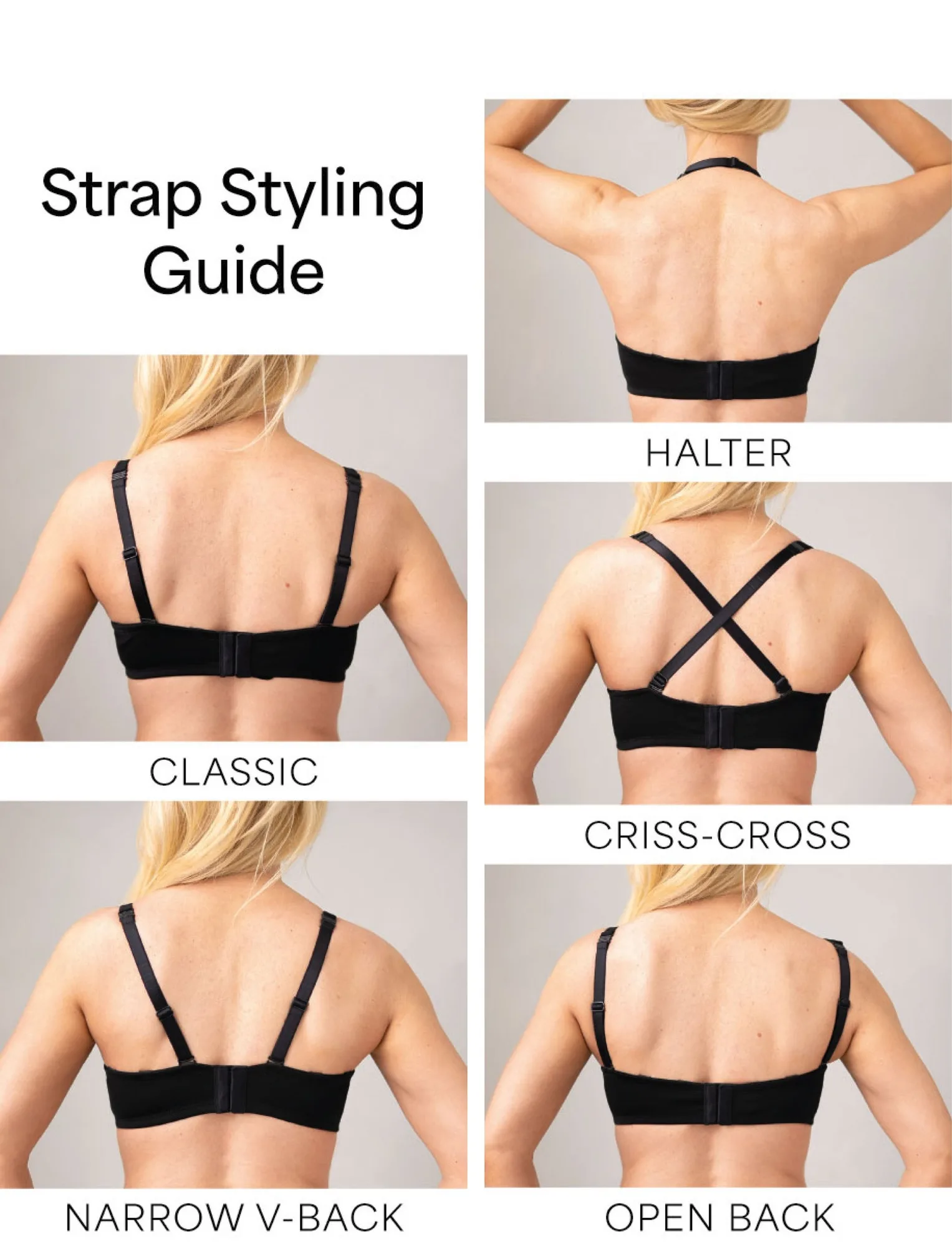
For bras with underwires or an inside sling in larger cup sizes, keep the shape flat and avoid folding the wire channel. A full-coverage style such as the Taylor bra has a wide supportive band and multi-way straps, so it needs a flat soak and a flat dry rather than a hang-by-one-strap approach.
- Checkpoint: close hooks and eyes before the bra touches water.
- Do not hang a wet bra by one strap; the weight can stretch it.
Rinse, blot, and dry flat
Drain the soapy water and rinse the bra in cool water until no suds remain. Press the water out gently with your hands, then lay the bra on a clean, dry towel, fold the towel over it, and press down to blot. This removes most of the moisture without twisting the lace.
Reshape the cups and straps by hand and lay the bra flat on a drying rack or a fresh towel. Air drying protects the elastic and the lace pattern; a dryer, even on low, adds heat and tumbling that shorten the life of delicate underwear. Keep the piece out of direct sun and away from radiators.
- Checkpoint: if the towel comes away soaked, blot again with a dry section.
- Never wring, twist, or rub lace between your hands.
Handle color, stains, and storage
Wash similar colors together and rinse promptly, especially for deep shades like burgundy or deep red, which can bleed if left soaking. For light marks, dab a tiny amount of gentle detergent on the spot and rinse rather than scrubbing the whole cup.
Store bras flat or stacked with cups nested, not crushed under heavy clothing. Rotating your lace pieces and giving each one a rest day between wears lets the elastic recover. If a bra is marked final sale or discontinued, treat it with extra care, since a replacement in the same color may not be available.
- Checkpoint: wash new dark lace separately the first time.
- Skip fabric softener and bleach; both break down elastic and lace fibers.
Your lace lingerie wash routine, step by step
- 1. Prep the basin: Fill a clean sink with cool water and dilute a small amount of gentle delicates detergent. Fasten all hooks and eyes first. Checkpoint: cool water only, and no detergent poured directly on lace.
- 2. Soak for five minutes: Submerge the bra and let it sit briefly, then press suds through the lace and cups with your fingertips. Do not scrub or leave it soaking for hours. Common mistake: walking away and letting the piece soak while you do other chores.
- 3. Rinse in cool water: Drain the soapy water and rinse until no suds remain, keeping the cups flat and supported in your palm. Checkpoint: if the water still feels slippery, keep rinsing.
- 4. Blot, never wring: Lay the bra on a dry towel, fold the towel over it, and press down to absorb moisture. Reshape the cups and straps by hand. Common mistake: twisting or wringing lace to speed up drying, which stretches straps and warps cups.
- 5. Dry flat and store with care: Lay the bra flat on a drying rack or fresh towel away from direct sun and heat. Once dry, store it flat or with cups nested, not crushed. Next step: give each lace bra a rest day between wears so the elastic recovers.
Lace bras and the care details that matter
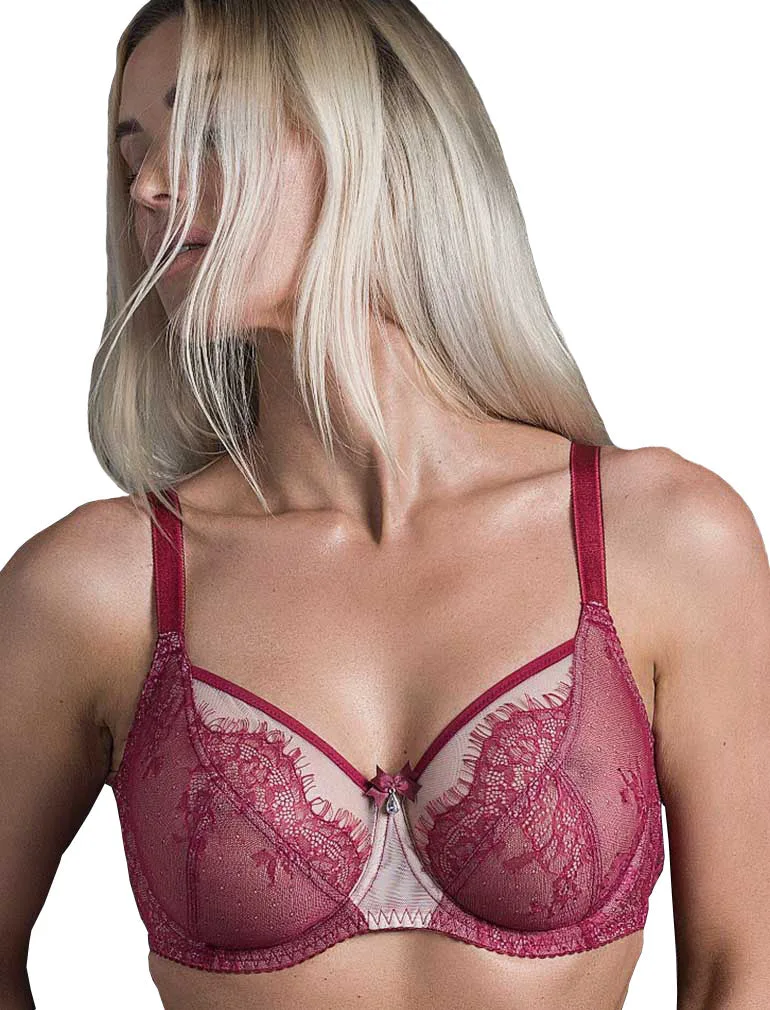
- B2382 Ava See-Thru Lace: DEEP RED: Full coverage sexy mesh bra with eyelash trimmed lace and fully adjustable straps, plus an inside sling in G cup sizes and up. Eyelash trim is the easiest part of a bra to snag, so keep this piece in a hand wash and dry it flat to protect the lace edge and the sling support.
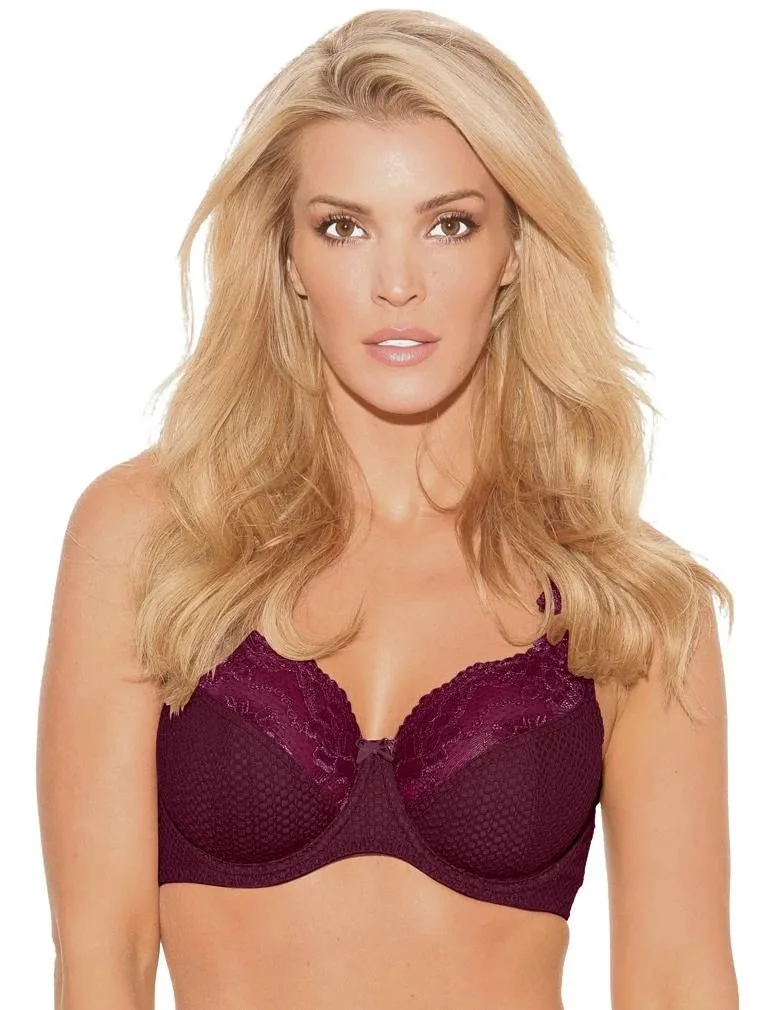
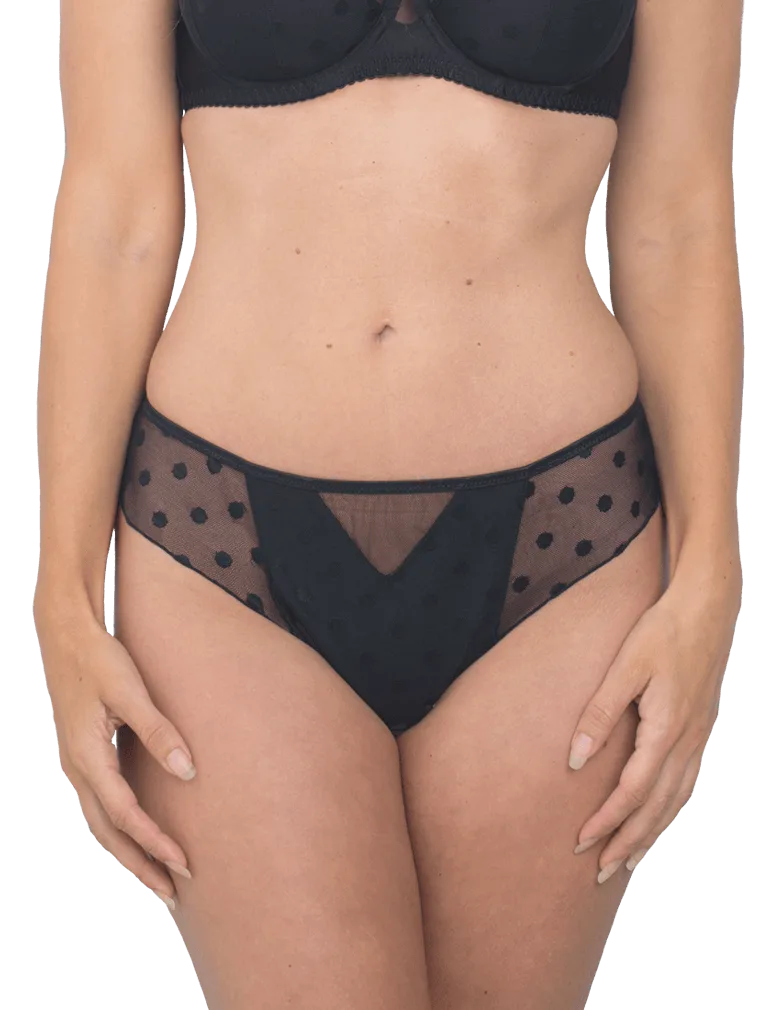
- B2761 Serena Lace: BURGUNDY: Lace set with J-hooks and matching panties available in bikini and brief styles. J-hooks and hook-and-eye closures catch on lace in the wash, so fasten them and wash the bra separately from the panties to avoid pulls.
- B1505 Taylor: MOONLIGHT: Full-coverage bra with a black mesh overlay on a contrasting moulded cup, a wide supportive band, and multi-way straps. Moulded cups and multi-way straps hold their shape best when blotted and dried flat, never hung by one strap or tumbled in a dryer.
A five-minute hand wash and a flat dry are the whole routine, and they are what keep lace bras from stretching, snagging, and fading. Treat every lace piece like the structured garment it is, and it will keep its shape and support through many wears.