Quick answer
Wean gradually by cutting pacifier use to sleep times only, then shorten those windows one at a time. Start with the easiest session, usually naps, and keep bedtime last. Expect one to three weeks of mixed sleep while your baby builds new self-soothing habits.
Decide on your weaning window
A calm week with no travel, illness, or daycare changes gives you the best odds. If your baby is cutting molars or learning to walk, the pacifier is doing real comfort work, so postpone the start rather than push through.
The American Academy of Pediatrics safe sleep guidance applies to sleep products, not to a weaning timeline, so there is no single correct age. Many families aim for somewhere between 12 months and 3 years, but readiness matters more than the calendar.
Set the rules before you start
Write down exactly where the pacifier is allowed: crib, car seat, or nowhere outside the house. Tell every caregiver the same rule so your baby does not learn that one adult will cave.
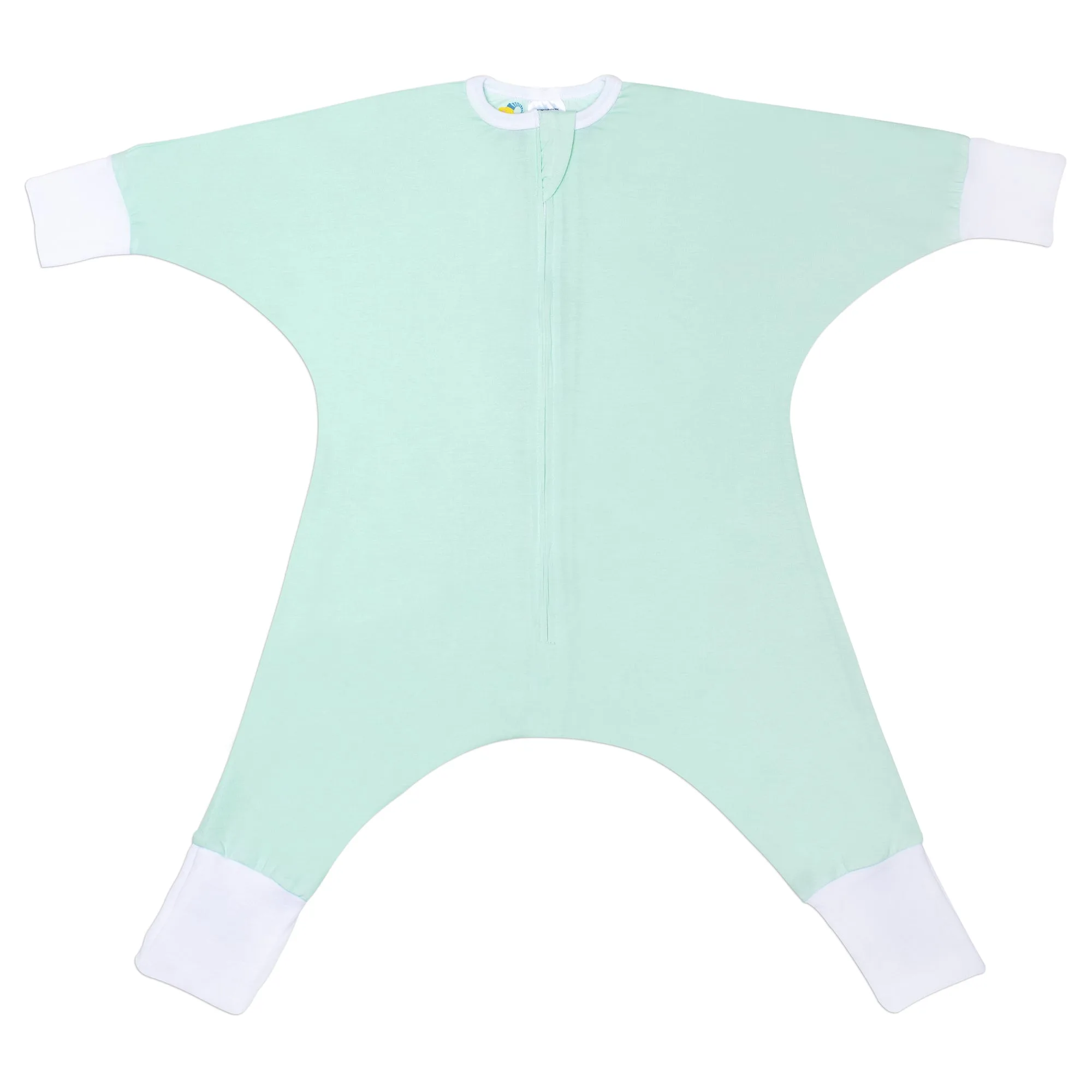
If your baby is still swaddled or just rolling, check that sleepwear matches the new routine. A transition suit with freedom of movement can replace the swaddle without adding a new sleep crutch.
Replace the pacifier with a sleep cue
Pair the pacifier-free routine with a consistent sequence: dim lights, feed, book, song, bed. The cue does the soothing work the pacifier used to do, so the change feels like a swap rather than a loss.
Keep the same bedtime and wake time during weaning. Moving bedtime earlier by 15 to 20 minutes for the first few nights reduces overtired crying that gets blamed on the pacifier.
Your step-by-step gentle weaning plan
- Step 1: Limit the pacifier to sleep: For one week, the pacifier stays in the crib and nowhere else. Offer it only when your baby is lying down for a nap or bedtime. Checkpoint: if your baby asks for it during play, redirect once and move on. Common mistake: giving in 'just this once' outside the crib resets the rule.
- Step 2: Drop the easiest session first: Remove the pacifier for one nap, usually the morning nap, while keeping it for bedtime and night wakings. Hold this for three to five days. Checkpoint: the nap may be shorter for a few days. Common mistake: removing it at bedtime first, which makes the hardest part of the day harder.
- Step 3: Remove it for all naps: Once the first nap is pacifier-free, apply the same rule to every nap. Keep bedtime as the last stronghold so nights stay predictable. Checkpoint: if two naps in a row fail, pause for two days and restart. Common mistake: adding a new sleep prop like rocking to sleep as a replacement.
- Step 4: Go pacifier-free at bedtime: On a calm night, put your baby down without the pacifier using your usual routine. Offer extra comfort through patting, shushing, or a longer song, then leave the room as you normally would. Checkpoint: expect one to three rough nights. Common mistake: changing the bedtime routine at the same time, which stacks two changes together.
- Step 5: Handle night wakings without reintroducing it: Respond with your standard night-waking method, whether that is a brief check or a feed if your baby still needs one. Keep the pacifier out of the crib entirely. Checkpoint: night wakings often increase for a week before settling. Common mistake: bringing the pacifier back at 3 a.m. because it feels faster, which teaches your baby that persistence works.
- Step 6: Remove the last pacifiers from the house: Once you have had five pacifier-free nights, gather the remaining pacifiers so they are not within reach during a weak moment. Checkpoint: if your child is old enough, a simple goodbye ritual can help. Common mistake: keeping a 'just in case' pacifier in the diaper bag, which invites a relapse.
Sleepwear that supports a pacifier-free routine
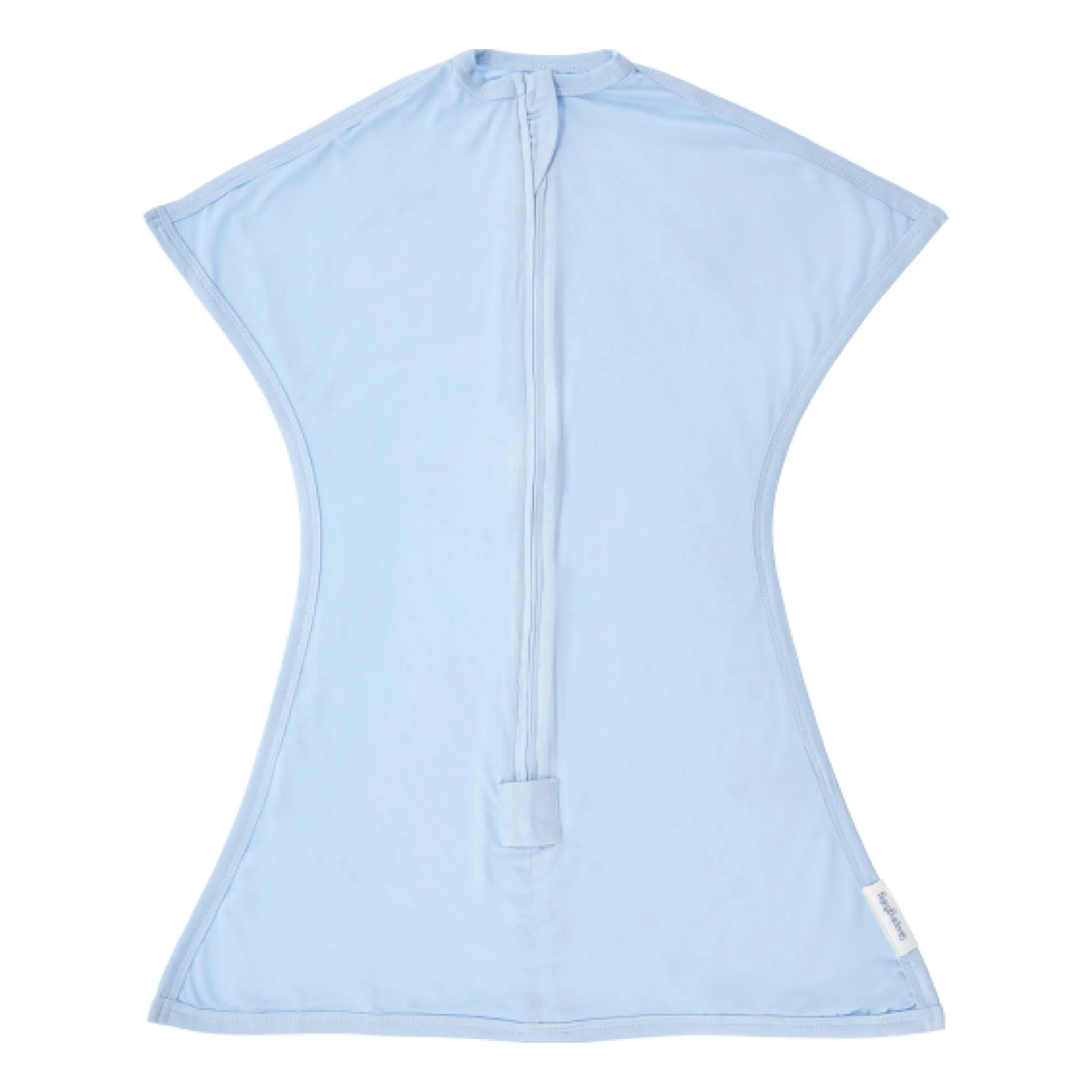
- Sleeping Baby EverSoft™ Bamboo Zipadee-Zip Swaddle Transition (Gingham): The EverSoft Bamboo Zipadee-Zip Swaddle Transition is made with natural bamboo fabric that is lightweight and gentle on delicate skin, and it has a double zipper for late-night diaper changes. If you are removing the pacifier and the swaddle at the same time, a lightweight transition suit keeps the sleep routine familiar while giving your baby freedom of movement.
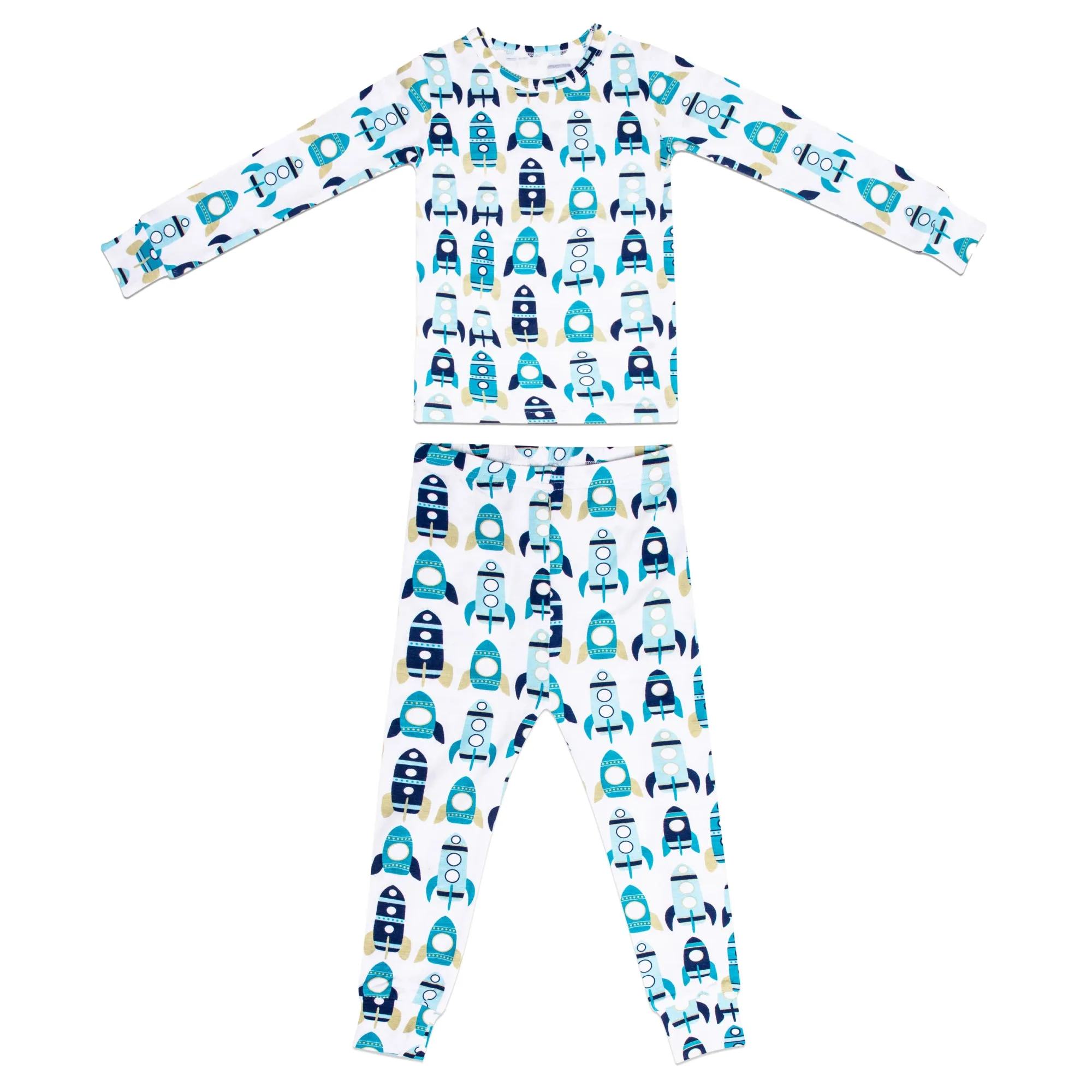
- Sleeping Baby Classic Rose Pink Flying Squirrel Pajama: The Classic Rose Pink Flying Squirrel Pajama doubles as a wearable blanket with a loose fit, gentle stretch, and ribbed cuffs at the wrists and ankles, and it is designed based on safe sleep recommendations from the American Academy of Pediatrics. For toddlers 12 months to 5 years, a wearable blanket replaces the comfort of a pacifier with full-body coziness and prevents the cuffs from hiking up during restless nights.
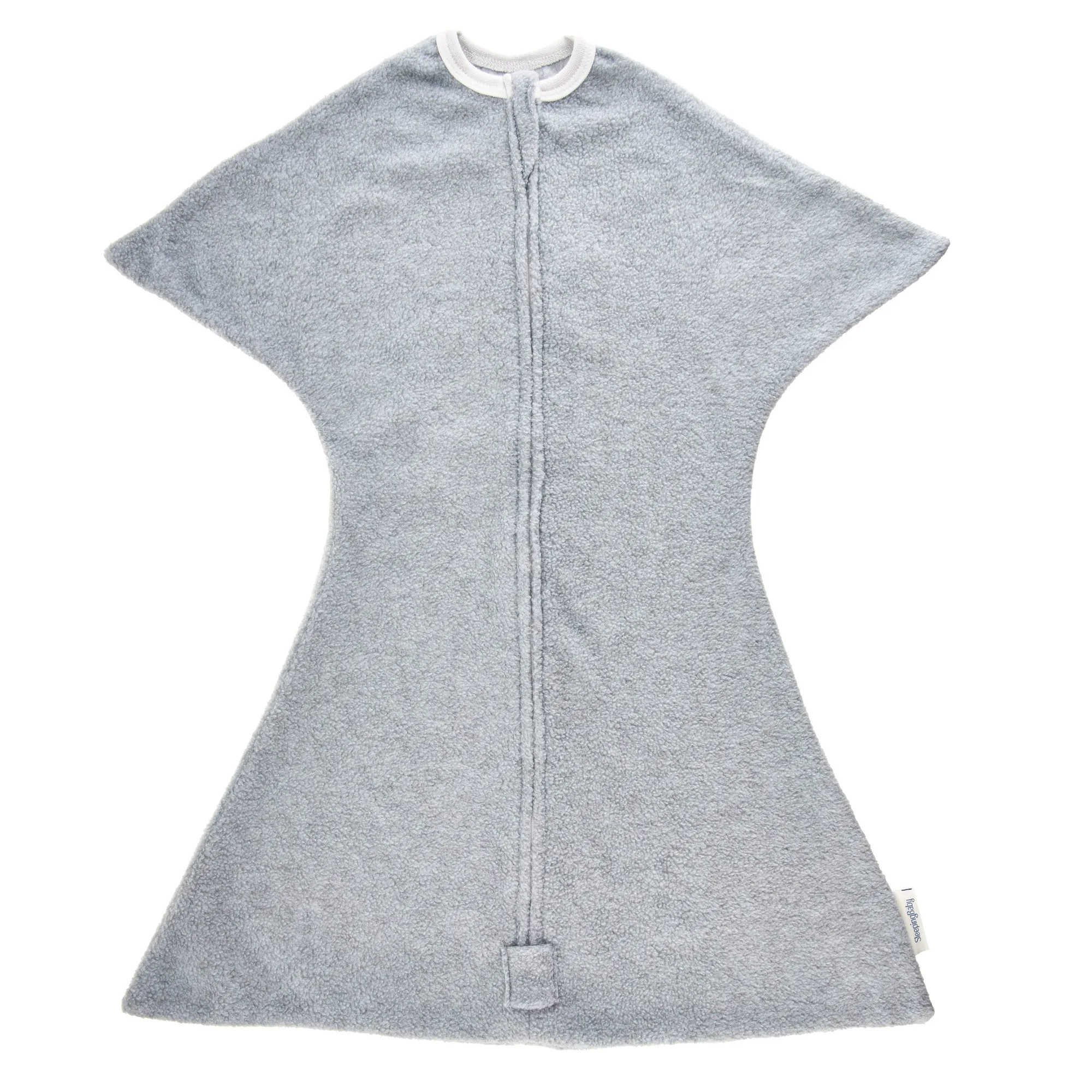
- Sleeping Baby Classic Heather Flying Squirrel Pajama - Fleece: The Classic Heather Flying Squirrel Pajama in fleece is made of 100% polyester and follows the same wearable-blanket design with ribbed cuffs and a loose fit for 12 months to 5 years. A warmer option for colder rooms means you can drop the pacifier without adding an extra blanket that could interfere with safe sleep.