Quick answer
The easiest way to wear a fashion scarf is to pick one knot that matches your neckline and the weather, then adjust the length so the scarf sits where you want it. For most people, the loop and the drape are the two most useful scarf tying styles because they work with coats, sweaters, and tees. Start with a long rectangular or square scarf, fold it to the width you like, and keep the knot loose enough to breathe.
A scarf can change the whole mood of an outfit in under a minute, but only if the knot actually stays put and feels comfortable. The trick is not memorizing dozens of scarf tying styles. It is learning four or five easy scarf knots that suit your coat, your neckline, and the temperature outside.
This guide walks through five simple styles you can tie without a mirror, plus the mistakes that make scarves look bulky or slip off. You do not need a special scarf for any of these. A rectangular or square scarf in a soft fabric works for all five, and you can practice each one with a scarf you already own.
Before you tie: choose the right scarf and length
Start by matching the scarf to the outfit. A long rectangular scarf gives you more length for loops and wraps, while a square scarf folded into a triangle works better for a bandana-style knot or a loose drape. If your coat has a high collar, a thinner scarf keeps the neckline from looking crowded. If you are wearing a deep V-neck, a wider scarf adds visual weight where the neckline leaves space.
Length matters more than most people expect. A scarf that hangs past your waist can look elegant with a long coat, but it can also get caught in car doors or dip into your coffee. A scarf that ends near your hip bone is usually the most practical for everyday wear. If your scarf is too long, fold it in half before you start rather than cutting it.
- Check the label for fabric care before you tie a new scarf, especially if it is silk or wool.
- If the scarf feels stiff, steam it lightly or let it hang overnight to soften the fold lines.
Style 1: The simple loop
Fold the scarf in half lengthwise so the ends meet. Drape it around the back of your neck with the folded loop on one side and the two loose ends on the other. Pull the loose ends through the loop, then tighten gently until the scarf sits comfortably at your collarbone. This is one of the easiest scarf knots and it stays put because the loop holds the weight.
The common mistake here is pulling too tight. A loop that presses against your throat looks strained and feels uncomfortable after an hour. Leave a finger of space between the scarf and your neck. If the loop keeps slipping, cross the loose ends once behind your neck before pulling them through.
- Best for: crewneck sweaters, zip-up fleeces, and casual errand days.
- Checkpoint: the loop should rest on your collarbone, not your chin.
Style 2: The classic drape
Drape the scarf around your neck with both ends hanging evenly in front. Do not tie it. Instead, tuck the ends under the front panels of your coat or cardigan so the scarf stays in place. This style works well when you want warmth without a visible knot, and it is one of the most flattering scarf outfit ideas for structured coats.
The mistake to avoid is leaving the ends completely loose on a windy day. If the forecast calls for gusts, cross the ends once at your chest and tuck them into your waistband or under your belt. That small anchor keeps the drape from flapping while still looking relaxed.
- Best for: long coats, blazers, and layered fall outfits.
- Checkpoint: both ends should hang at roughly the same length before you tuck them.
Style 3: The Parisian knot
Fold the scarf in half and wrap it around your neck so the loop sits on one side. Take the two loose ends and pull them through the loop only halfway, leaving a second small loop. Tighten the first loop slightly, then adjust the second loop so it sits flat against your chest. This gives you a tidy, compact knot that looks intentional.
The common mistake is making both loops too tight. If the knot looks like a ball, loosen the second loop and fan it out with your fingers. This style works best with a medium-weight scarf because very thick fabric makes the double loop bulky.
- Best for: trench coats, turtlenecks, and polished daytime looks.
- Checkpoint: the finished knot should be about the size of your palm.
Style 4: The belted wrap
Spread the scarf across your shoulders like a shawl, then bring both ends forward and let them hang. Fasten a belt over the scarf at your natural waist, or use the belt of your coat if it has one. This turns a scarf into a layering piece and gives you a defined shape without adding a jacket.
The mistake here is choosing a belt that is too wide or too tight. A belt that digs into the scarf leaves creases and can damage delicate fabrics. Use a slim belt and keep the tension light. If your scarf is very long, fold it in half first so the ends do not hang below your knees.
- Best for: dresses, long cardigans, and indoor-to-outdoor transitions.
- Checkpoint: you should be able to slide one finger under the belt comfortably.
Style 5: The bandana triangle
Fold a square scarf in half diagonally to make a triangle. Place the long edge across the front of your neck with the point hanging down your chest. Bring the two ends around the back of your neck and tie them in a small double knot. Tuck the point under the knot or leave it out, depending on how much coverage you want.
The common mistake is tying the knot at the front of your throat. That placement can feel restrictive and looks dated. Tie the knot at the back or slightly to one side instead. This style is one of the easiest scarf knots for warmer days because it covers less of your neck than a full wrap.
- Best for: denim jackets, v-neck tees, and casual weekend outfits.
- Checkpoint: the triangle point should sit flat, not bunch up under the knot.
How to keep any scarf knot in place
Slippery fabrics like silk and satin need a little help. A small safety pin hidden behind the knot, or a scarf clip, keeps the ends from sliding apart. For wool and fleece, the natural texture usually holds the knot without extra help. If you are tying a scarf over a coat, tuck the ends inside the coat rather than letting them hang over the collar.
Weather also changes which knot works best. On a mild fall day, a loose drape or bandana triangle gives you style without overheating. On a cold morning, the simple loop or Parisian knot traps more warmth near your neck. You can always loosen a knot as the day warms up, so start slightly tighter than you think you need.
- Keep a small scarf clip in your bag for quick fixes.
- If a knot keeps slipping, switch to a fabric with more texture.
Five scarf tying styles to practice this week
- Step 1: The simple loop: Fold the scarf in half, drape it around your neck, and pull the loose ends through the loop. Tighten until it rests on your collarbone. Checkpoint: leave a finger of space so the loop does not press on your throat.
- Step 2: The classic drape: Drape the scarf evenly around your neck and tuck the ends under your coat or cardigan. Cross and tuck the ends if it is windy. Checkpoint: both ends should hang at the same length before tucking.
- Step 3: The Parisian knot: Fold the scarf in half, wrap it around your neck, and pull the loose ends halfway through the loop to create a second small loop. Checkpoint: the finished knot should be about palm-sized, not tight and balled up.
- Step 4: The belted wrap: Spread the scarf over your shoulders, bring the ends forward, and fasten a slim belt over it at your natural waist. Checkpoint: you should be able to slide one finger under the belt comfortably.
- Step 5: The bandana triangle: Fold a square scarf into a triangle, place the long edge across your neck, and tie the ends behind your neck or to one side. Checkpoint: the triangle point should lie flat, not bunch under the knot.
Scarves and layers that work with these knots
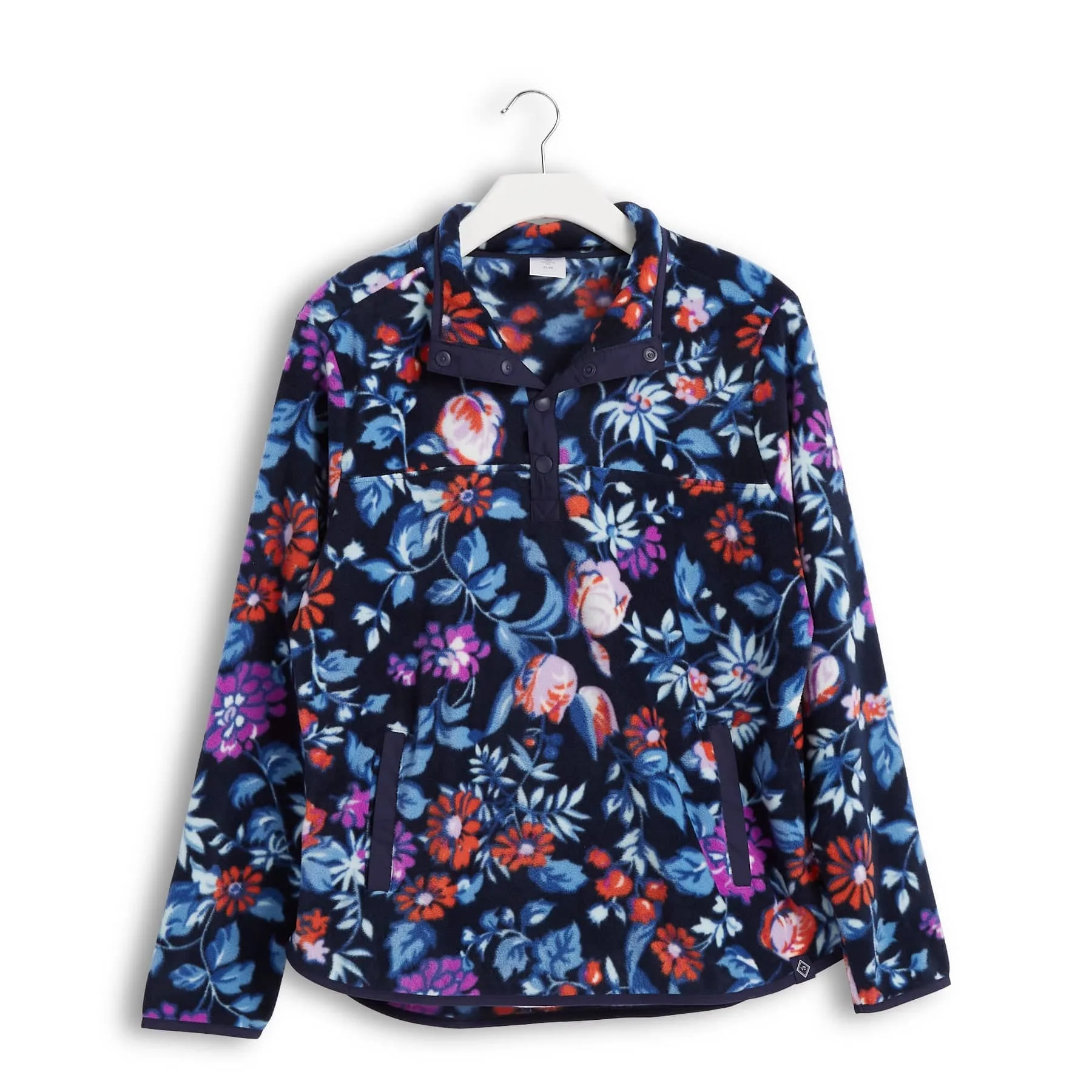
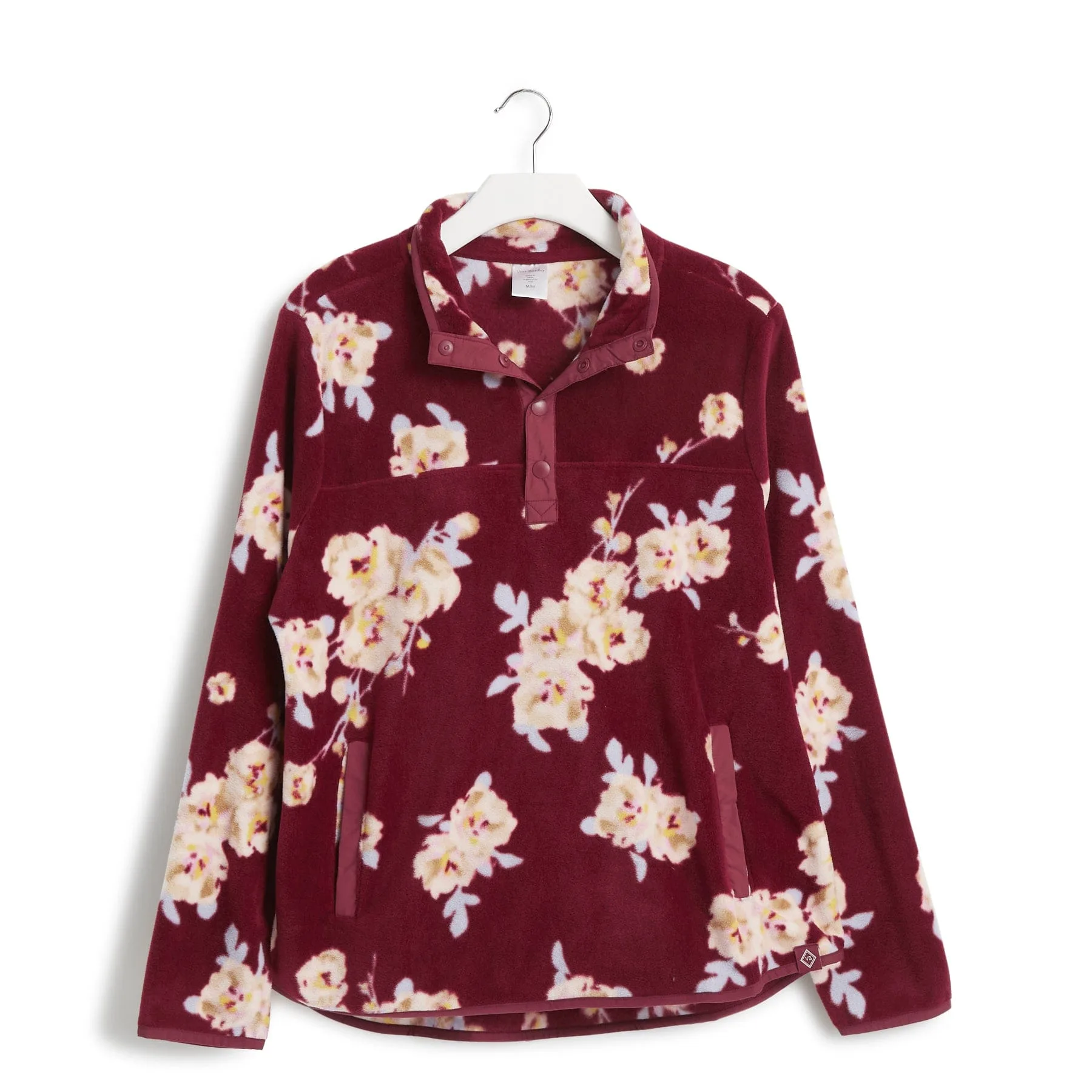
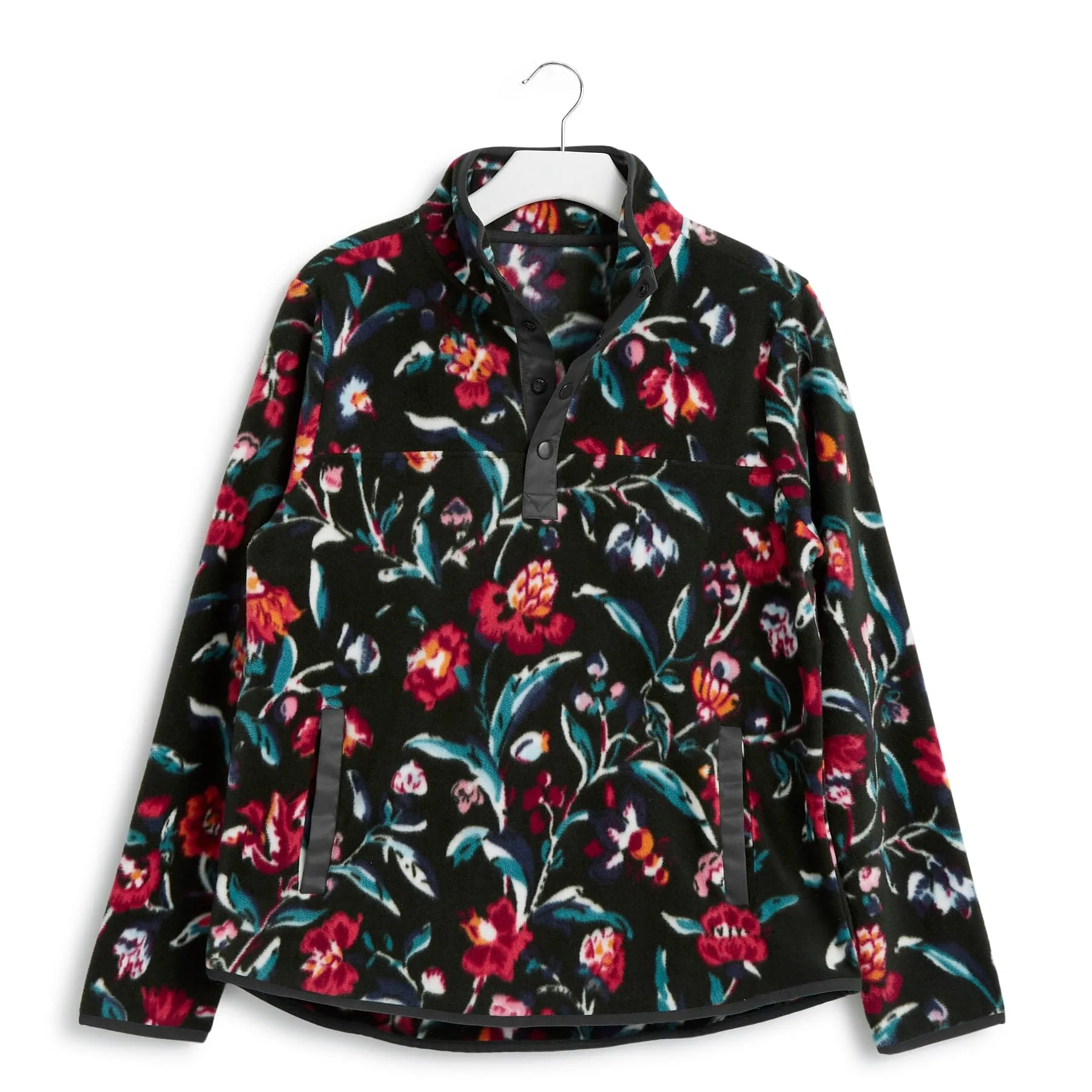
- https://verabradleyoutletex.com/products/sporty-fleece-pullover-3174316939-e28b6c89bcd1ad6ac2b73097-1641411https://verabradleyoutletex.com/products/sporty-fleece-pullover-3174318242-4d95c2889d6d950fed613581-1641414https://verabradleyoutletex.com/products/sporty-fleece-pullover-3174317131-399cdddd7489e16973617634-1641415Sporty Fleece Pullover: Polyester fleece with an interior kangaroo pocket and quarter snap closure. A quarter-snap neckline gives you room to tuck a scarf inside without a bulky collar, and the fleece texture helps a simple loop stay put.
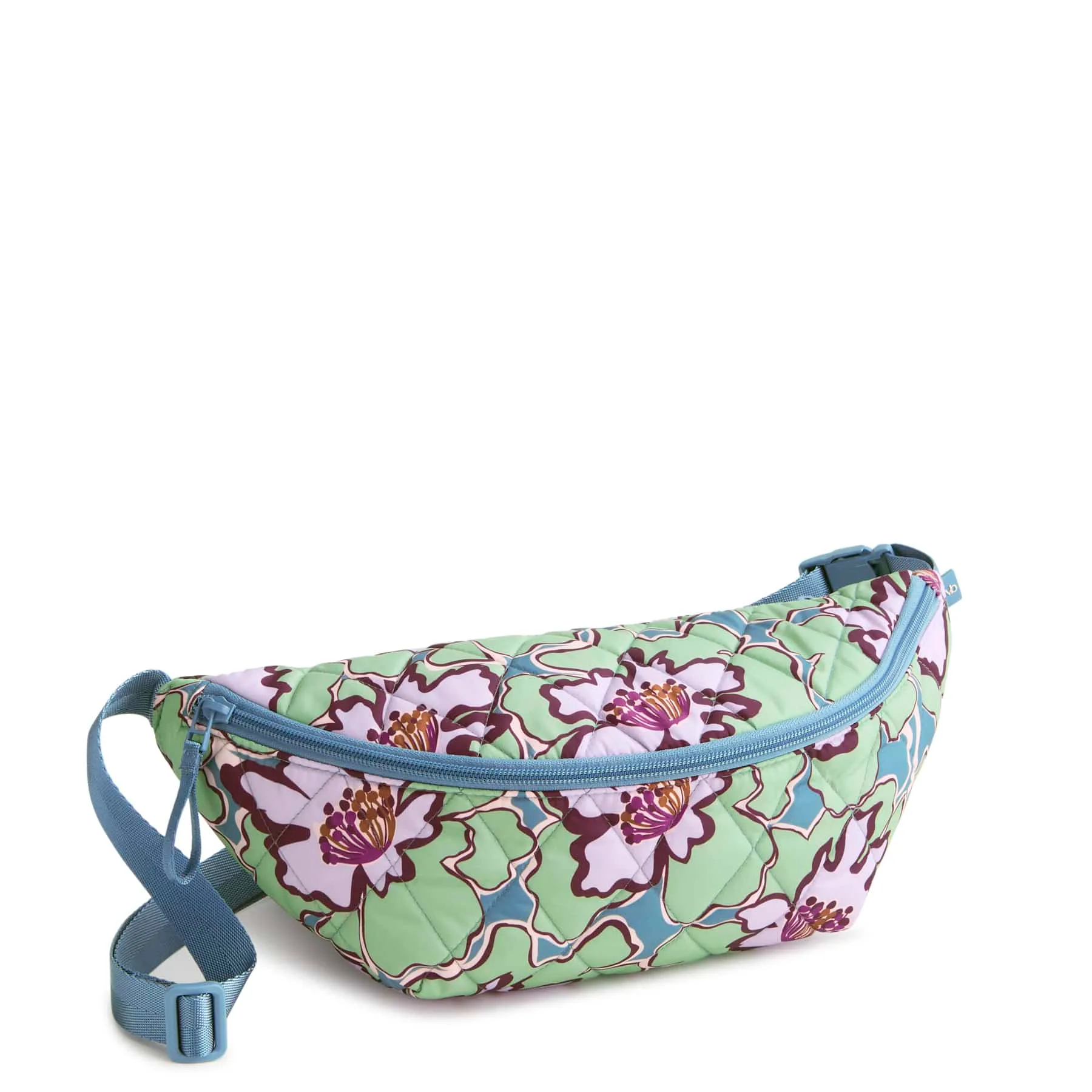
- Outlet Medium Crescent Sling Crossbody: Adjustable strap at longest length 46.0 inches, exterior zip pocket, and zip closure; weighs 0.31 lb. A hands-free crossbody keeps your scarf from catching on a shoulder bag strap while you adjust a knot, and the light weight is easy to carry on errand days.
- Outlet Small Vera Tote: Interior features six slip pockets, exterior slip pocket, zip closure, and 8 L capacity. If you carry a spare scarf or a scarf clip, the slip pockets keep small accessories separate so they do not tangle with the scarf in your bag.
Pick one style from this guide and wear it for a full day before adding another. The simple loop and classic drape cover most fall and winter outfits, while the bandana triangle is the easiest scarf knot for warmer afternoons. Once you know how the knot sits on your neckline, you can adjust the length and tightness in seconds.