Quick answer
Treat the robe as the top layer of a real outfit, not the whole outfit. Pick a robe with structure or a defined closure, put a fitted base layer underneath, and finish with shoes and one accessory. If the robe is sheer or has no closure, keep it for poolsides, resorts, or layered over a slip dress rather than a grocery run.
A robe can absolutely leave the bedroom, but only when it stops reading as something you threw on. The difference comes down to three things: the robe's fabric and closure, what you wear under it, and the shoes you pair with it. Get those right and a lingerie robe becomes a legitimate light layer for warm evenings, travel, and relaxed events.
This guide walks through the process in order, from choosing the right robe to styling the final look. You do not need a separate capsule of outerwear robes, though a dedicated piece helps. Most people can start with one robe that has a real closure and build from there.
Start with a robe that can hold its own
The single biggest factor is whether the robe has structure. A wrap robe with a self-tie belt, a defined lapel, or a snap closure will stay put when you move, which is what makes it read as clothing rather than loungewear. Robes that only have a loose tie and no overlap tend to slip open, and that is the moment the look stops working in public.
Fabric matters just as much. A robe cut from a heavier satin or a lined material drapes and holds a line, while very thin sheer mesh tends to cling and show everything underneath. If you want to wear a robe out, look for opacity in the body of the robe and save the sheer pieces for layered styling over a full outfit.
- Check the closure first: a belt plus an inner tie is more secure than a single belt.
- Hold the robe up to a window. If you can clearly see your hand through the body, plan to layer it over something opaque.
Build the base layer before you add the robe
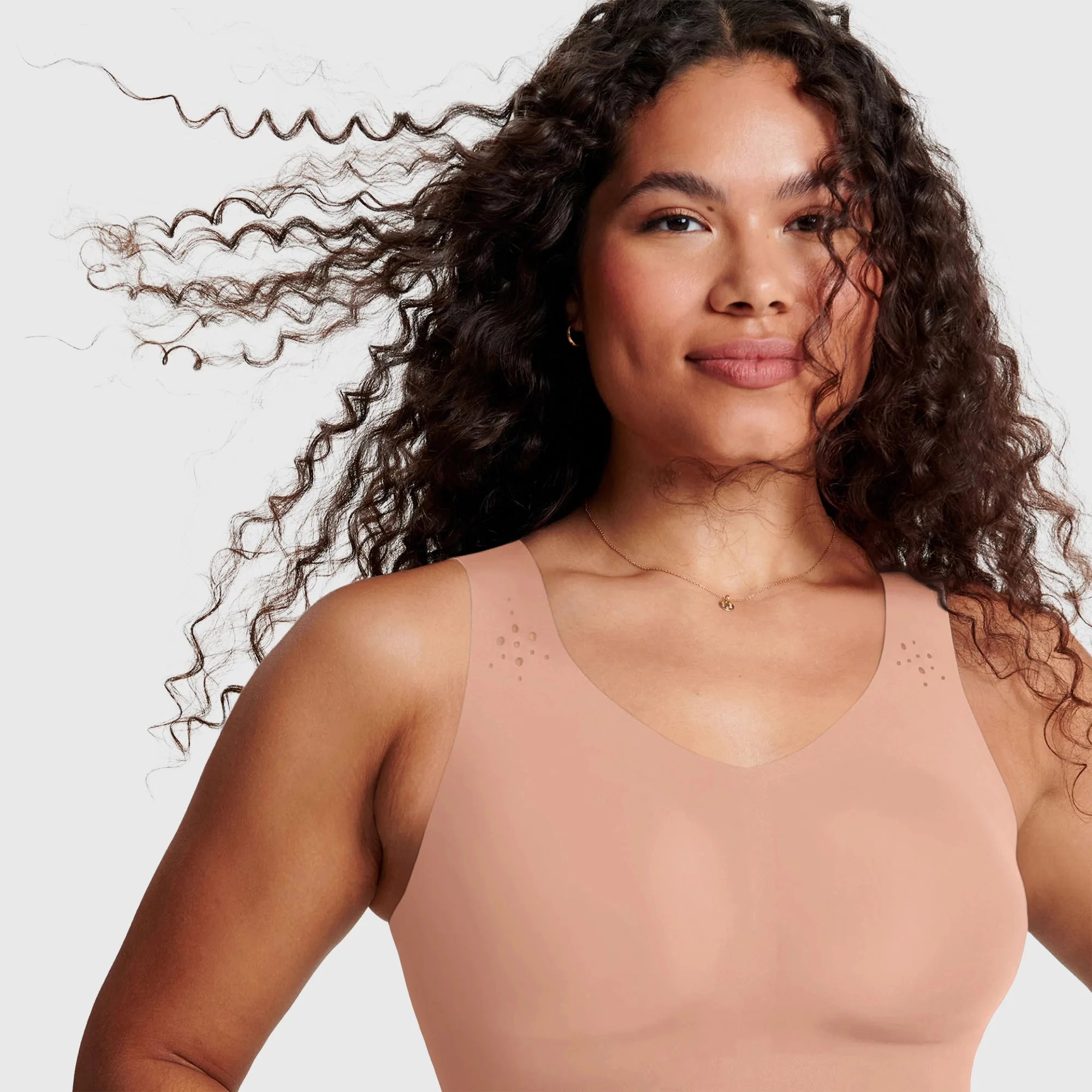
A robe works as outerwear when the layer beneath it is a complete outfit on its own. That usually means a fitted top and bottoms, a slip dress, or a matching set in a solid color. If the base layer looks unfinished without the robe, the whole look will look unfinished with it.
Keep the base layer close to the body so the robe has something to drape over. Loose, bulky pieces underneath create lumps at the shoulders and waist, which is the most common reason a robe outfit looks sloppy. A fitted base also lets you leave the robe open without exposing anything you did not plan to.
- Test the base layer alone in a mirror first. If you would not wear it out, do not build on it.
- Match the base layer to the robe's undertone so the outfit reads as one look rather than two.
Choose the right occasion for robe layering
Robe as outerwear works best in casual, warm-weather, and resort settings: beach walks, pool decks, brunch, travel days, and evening events where a light layer is enough. It is a poor fit for anything formal, air-conditioned, or professional, where a robe will always look like a robe no matter how well it is styled.
If you are unsure whether the setting works, ask what everyone else will be wearing. A robe blends in when the dress code is relaxed and breezy. It stands out when the room is tailored, and standing out is fine only if that is the goal.
- Good settings: resort, beach, warm evenings, casual brunch, travel.
- Skip it for: offices, formal events, cold weather, or anywhere you need to sit through a long meeting.
Style the waist so the robe stays closed
The waist is where a robe outfit succeeds or fails. Tie the belt at your natural waist rather than your hips, and knot it rather than looping it into a bow, which tends to come undone. If the robe has an inner tie, use it. That hidden closure is what keeps the front panels overlapping when you sit, reach, or walk.
For an open-robe look, keep the belt tied behind your back or leave it off entirely and rely on the base layer to hold the outfit together. An open robe over a matching set is one of the easiest robe outfit ideas because the eye reads the set as the outfit and the robe as a light jacket.
- Double-knot the belt if you will be walking or sitting for a while.
- If the robe gapes at the chest, the base layer is too low or the robe is too small. Adjust one of them.
Finish with shoes and one accessory
Shoes do more to move a robe out of the bedroom than any other single item. Sandals, slides, or clean sneakers signal daytime and casual. Heels or strappy sandals push it toward evening. Bare feet, by contrast, keep the whole look in the house no matter how good the robe is.
Add one accessory and stop. A single necklace, a small bag, or a pair of sunglasses is enough to make the outfit look deliberate. Layering on several accessories competes with the robe's drape and makes the look busier rather than more polished.
- Pick shoes before you finalize the rest of the outfit. They set the formality level.
- One accessory maximum. The robe is already the statement piece.
The robe-out-the-door routine, step by step
- 1. Pick a robe with a real closure: Choose a wrap robe with a belt plus an inner tie, or a robe with a snap or hook closure. Hold it up to the light to confirm the body is opaque enough for where you are going. Checkpoint: if it slips open when you raise both arms, it is not ready for public wear.
- 2. Put on a complete base layer: Start with a fitted top and bottoms, a slip dress, or a matching lingerie set that you would wear on its own. Keep it close to the body so the robe drapes cleanly. Mistake to avoid: building the outfit around the robe instead of the base layer.
- 3. Match the base layer to the robe's tone: Stay within one color family or use a deliberate contrast like black under ivory. This keeps the outfit reading as one look rather than two separate pieces. Checkpoint: squint at the mirror. If you see two distinct outfits, simplify one layer.
- 4. Tie the waist at your natural waistline: Use the inner tie first, then knot the belt rather than bowing it. For an open look, tie the belt behind your back or remove it and let the base layer carry the outfit. Mistake to avoid: tying at the hips, which shortens your torso and drags the hem.
- 5. Test the robe in motion: Sit down, reach forward, and walk a few steps. Watch for gaping at the chest and slipping at the shoulder. Adjust the straps on your base layer if the robe pulls. Checkpoint: if it stays put through all three movements, you are ready to leave.
- 6. Add shoes that set the formality: Sandals or clean sneakers for daytime, heels or strappy sandals for evening. Avoid bare feet or house slippers, which pull the whole look back indoors. Mistake to avoid: choosing shoes last, after you have already committed to the rest of the look.
- 7. Add one accessory and stop: Choose a single necklace, a small bag, or sunglasses. Let the robe's drape be the focal point instead of competing with it. Final check: if you can remove one accessory and the outfit still works, remove it.
Lingerie pieces that layer well under a robe
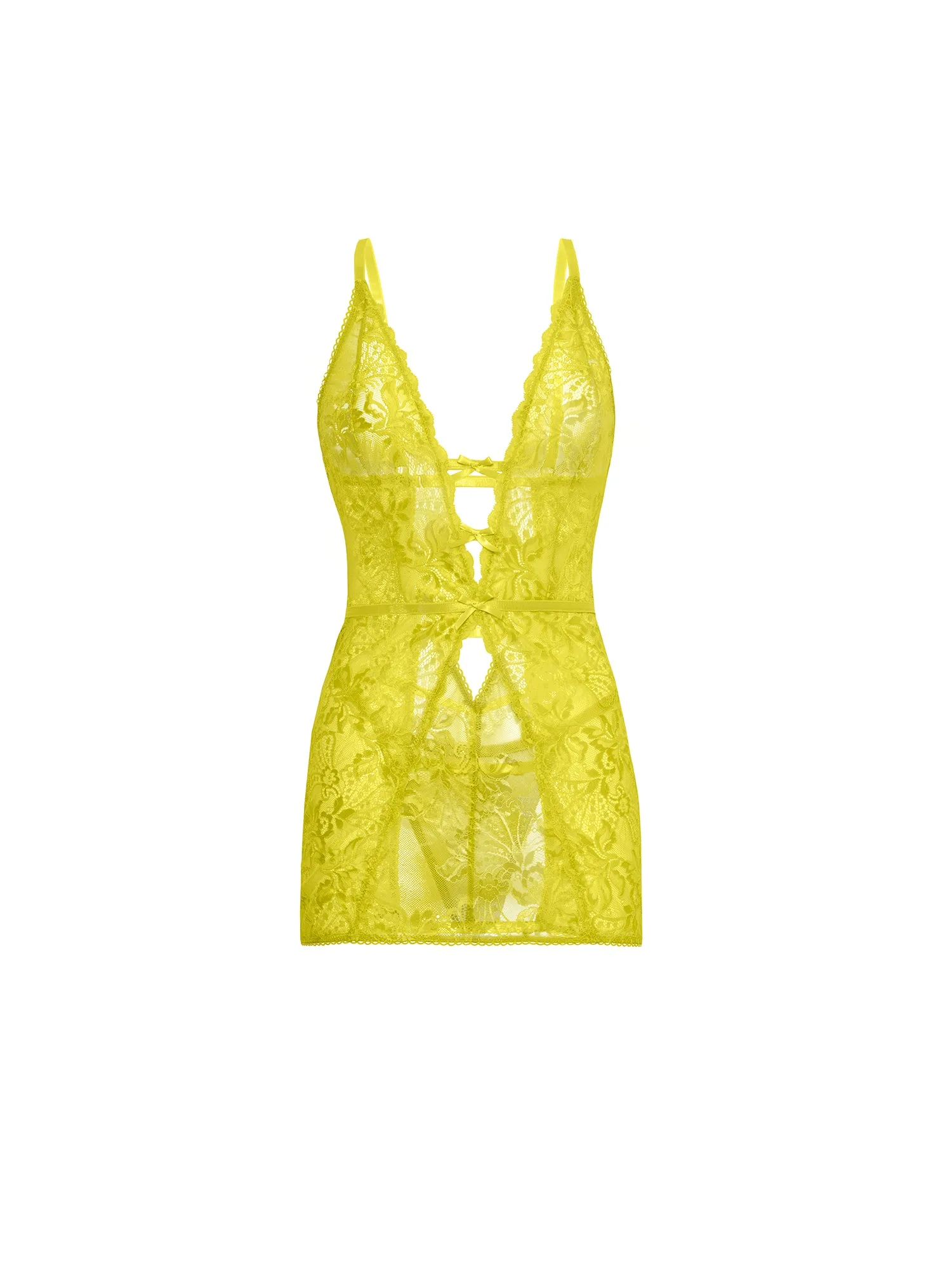
- Lauren Lace Fitted Babydoll Set: Fitted lace babydoll with soft cups, a caged back, adjustable shoulder straps, and a matching G-string. The fitted cut keeps the line smooth under a robe, and the adjustable straps let you set the length so nothing bunches at the waist.
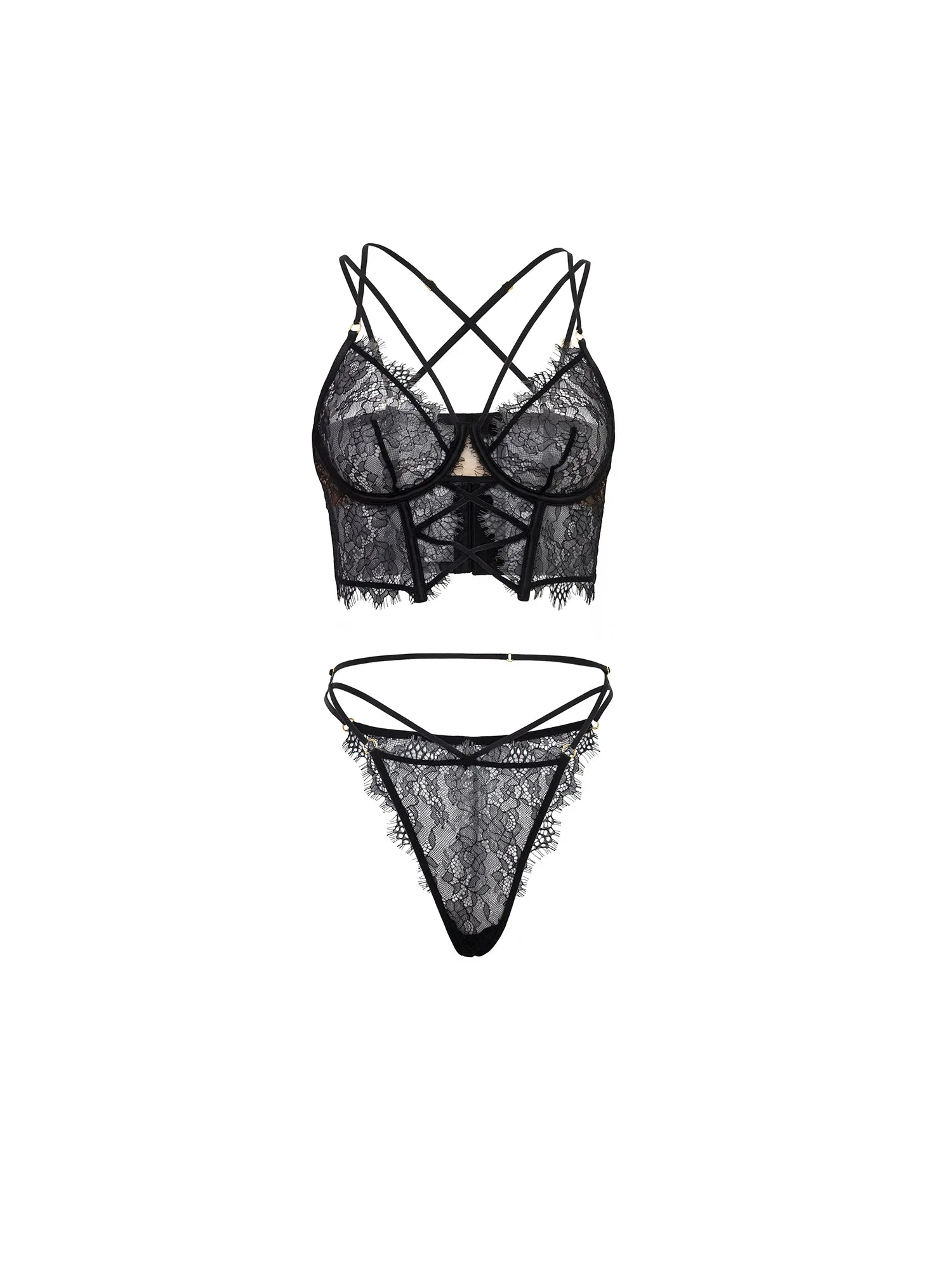
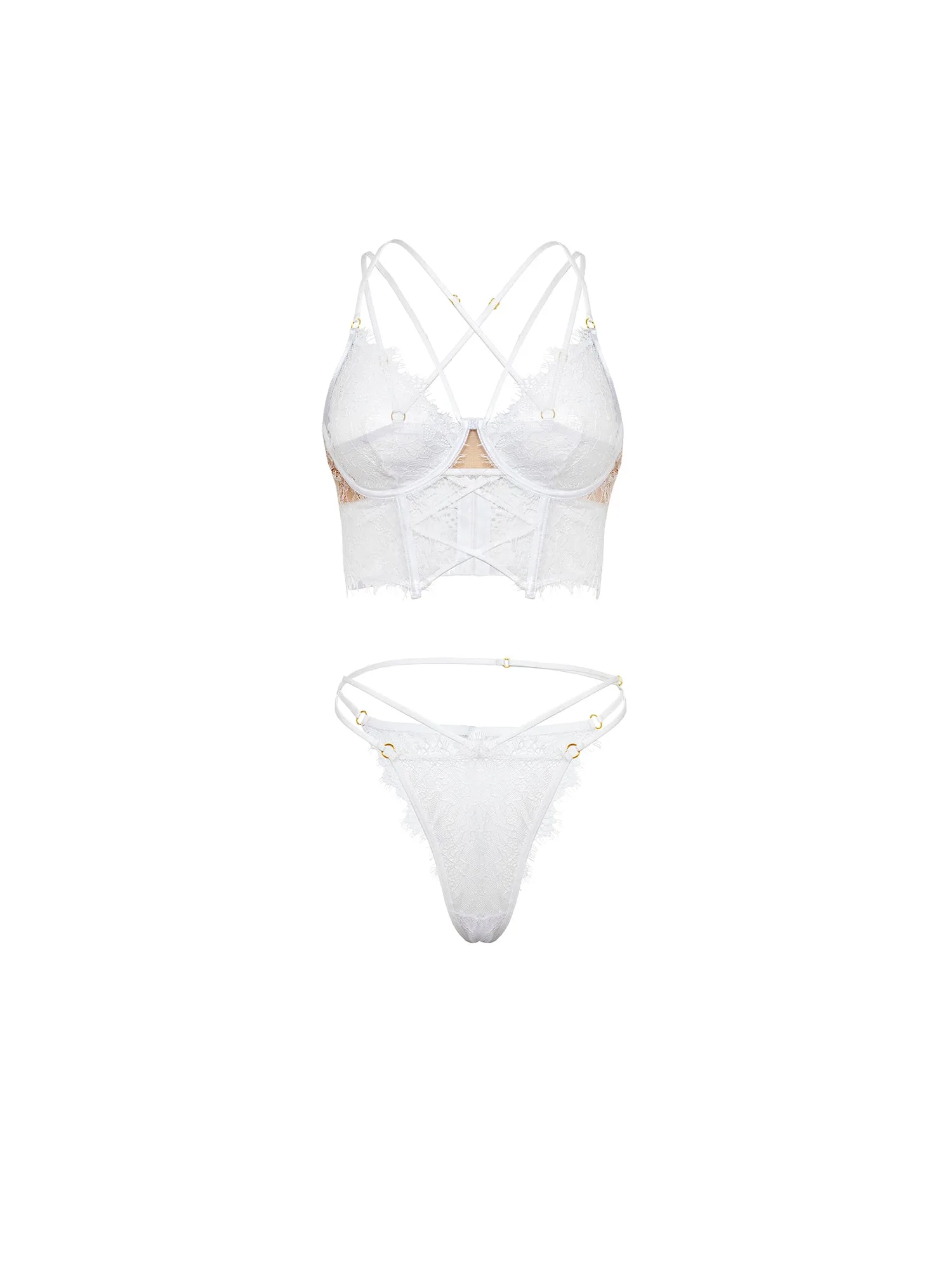
- https://ohlalacheriehg.com/products/oh-la-la-cheri-bridal-indie-sheer-bustier-bra-set-brigh-bdaa6675dec7ecfefb70f25b-1421664Indie Sheer Bustier Bra Set: Unlined underwire eyelash lace bustier and panty set with narrow adjustable shoulder straps and a cheeky back. The bustier shape gives the base layer structure, so an open robe over it reads as a deliberate layered outfit rather than sleepwear.
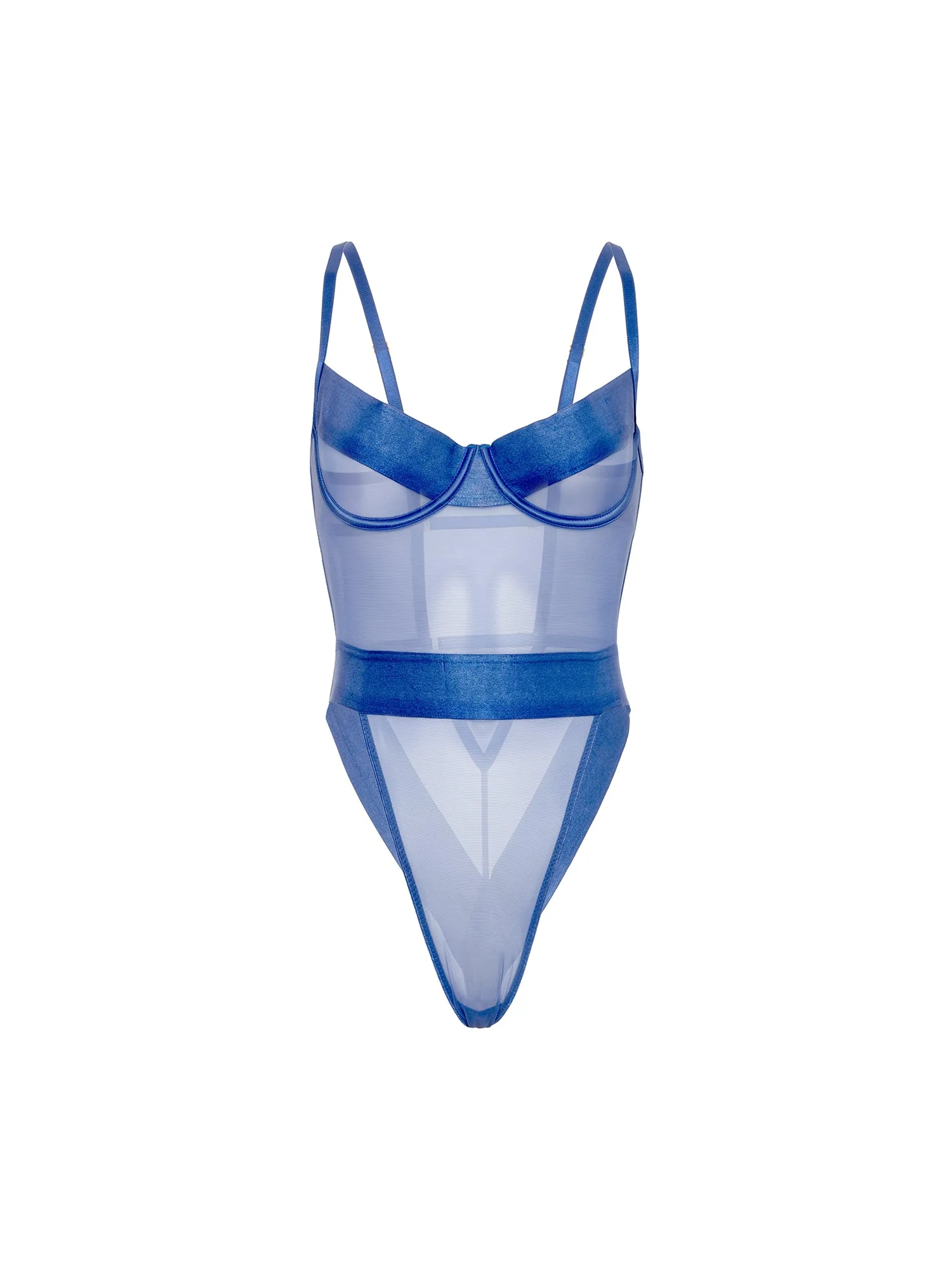
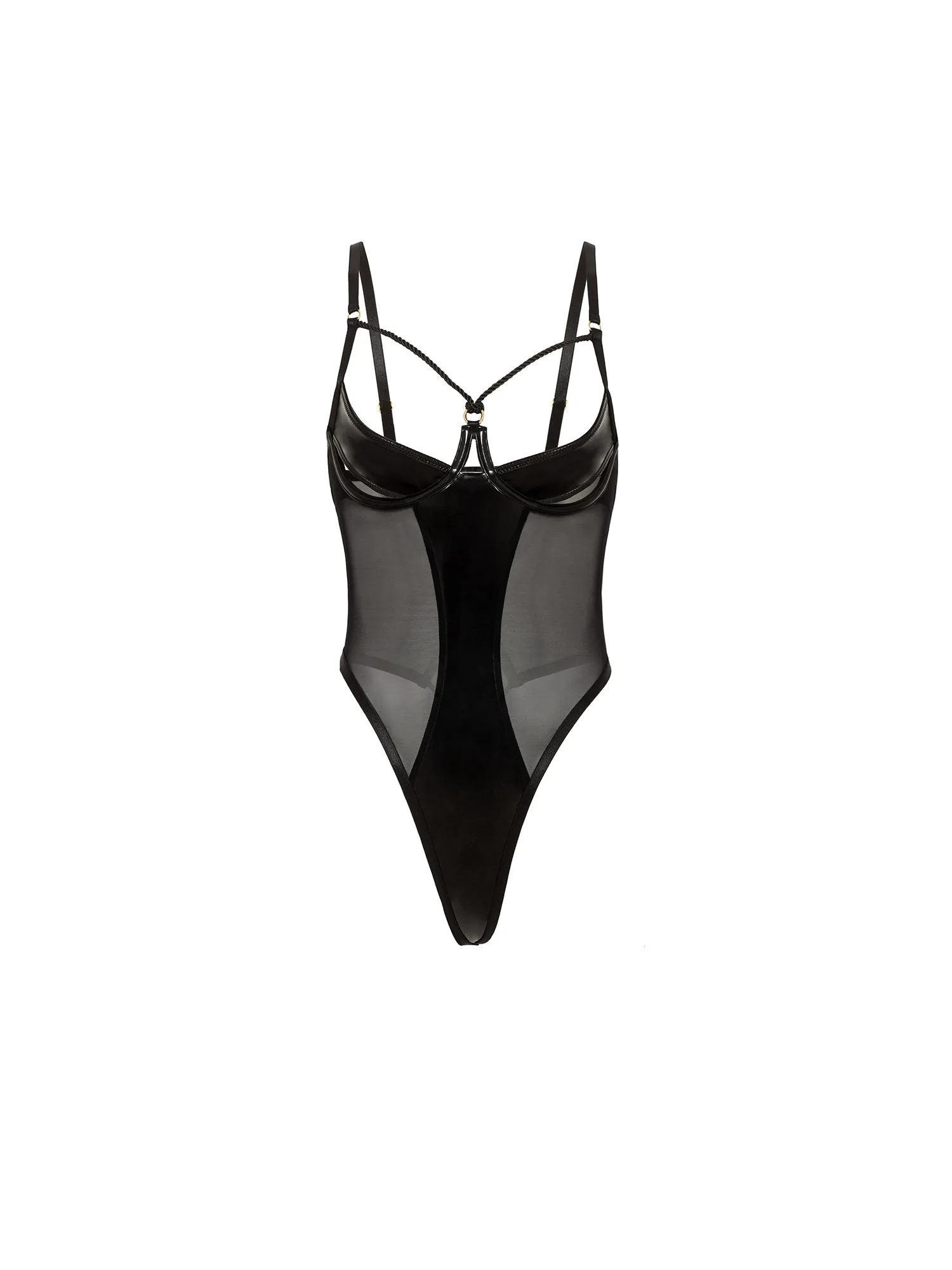
- Gia Strappy Mesh Teddy: Sheer mesh teddy with unlined underwire cups, wide strap detailing, and an open caged back. The strappy structure makes this piece work as a base layer under an open robe for evening looks where you want the robe to frame rather than cover.
A robe becomes outerwear the moment it has a closure, a fitted layer beneath it, and shoes that match the setting. Start with one wrap robe you can tie securely, build a base layer you would wear alone, and test the whole look in motion before you walk out the door.