Start with a secure strap, not a heavier weight
Ankle weights only help when they stay put. Before you add resistance to a walk or leg lift, fasten the strap so the weight sits snug against your ankle without pinching or sliding. A loose wrap shifts with every step and turns a simple workout into a distraction.
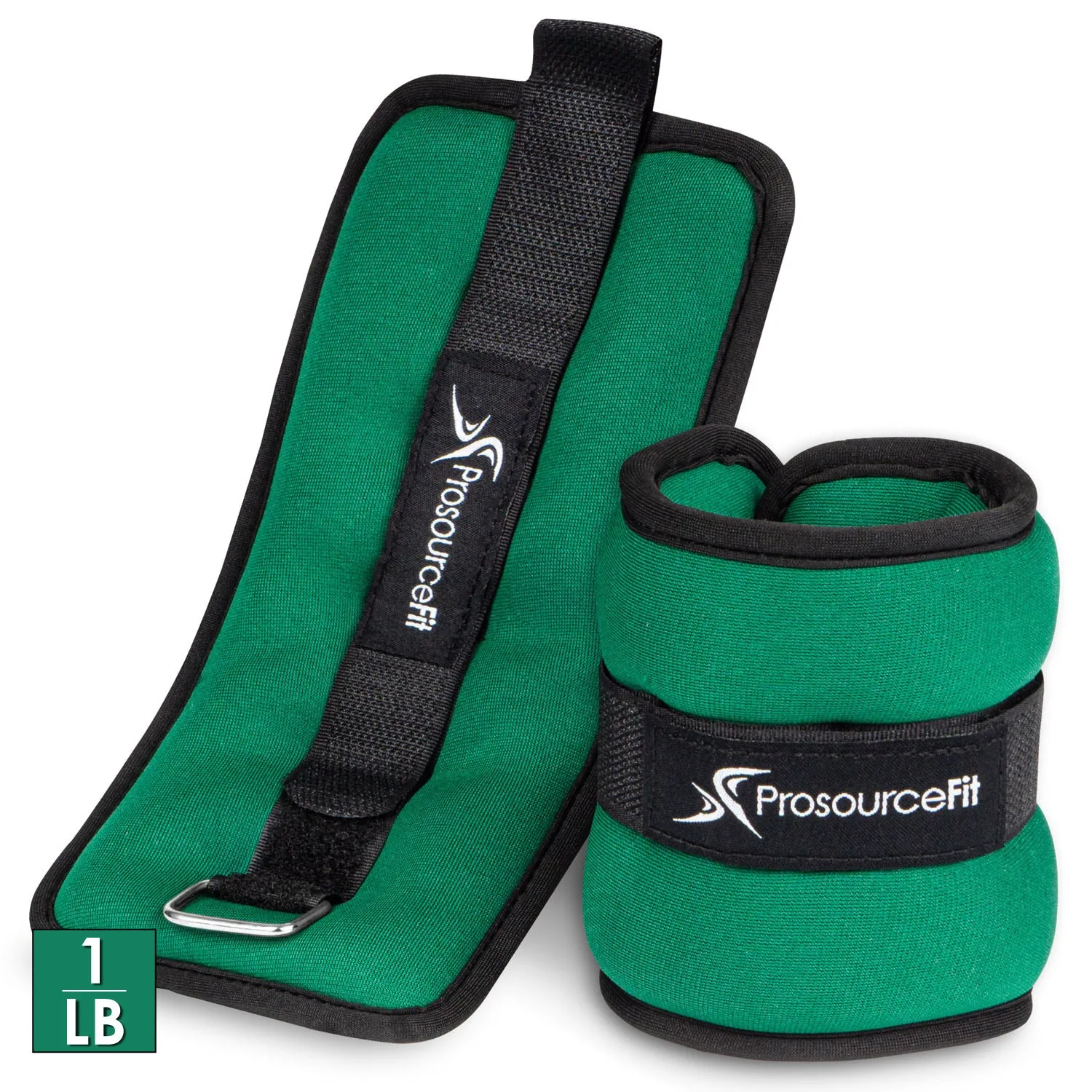
The ProsourceFit Ankle Weights use adjustable Velcro straps for a secure fit, and the neoprene material is designed to prevent excess sweat and slipping. That combination matters more than the number stamped on the weight, especially when you are moving rather than standing still.
How to put on ankle weights for a stable fit
Use this sequence each time you strap on a pair, whether you are heading out for a walk or starting a set of leg lifts.
- Place the weight over the ankle: Center the padded wrap on your ankle so the weighted section rests against the front or side of the joint rather than digging into your shin.
- Fasten the Velcro strap snugly: Press the strap down so it holds the weight in place. You want firm contact, not a tourniquet. If the wrap slides when you lift your knee, tighten it one more notch.
- Check both sides before you move: Stand up and take a few steps or lift each leg once. If the weight swings, rotates, or rubs, readjust before adding speed or reps.
- Keep the fit consistent between sides: Fasten the second ankle weight the same way as the first so both legs carry resistance evenly during walking, lunging, or leg lifts.
What the ProsourceFit Ankle Weights offer for fit
-
Ankle Weights: Adjustable Velcro straps for a secure fit. A secure strap is the main thing that keeps the weight from sliding during walking and leg lifts.
Ankle Weights
-
Ankle Weights: Soft neoprene material that prevents excess sweat and slipping. Less slipping means you spend your workout moving, not readjusting the wrap.
-
Ankle Weights: One size fits all. You do not need to match a shoe size or ankle circumference to the product; the adjustable strap does the fitting.
How heavy should ankle weights be?
The right weight depends on the exercise, not on a universal number. The ProsourceFit Ankle Weights come in six weights: 1 lb (green), 1.5 lb (red), 2 lb (grey), 2.5 lb (purple), 3 lb (blue), and 5 lb (black). The catalog describes the range as allowing you to progressively increase strength and endurance in a safe manner.
For walking, a lighter weight is the more practical starting point because the weight travels with every step. For leg lifts, lunges, and other controlled bodyweight exercises, you may be able to use a heavier pair because the movement is slower and more deliberate. The product is described as ideal for all fitness levels and ages, but that does not mean every weight suits every exercise. Start lighter than you think you need, complete a full set or walk, and move up only when the current weight feels stable and easy to control.
Matching the weight to the movement
Use the lighter end of the range for exercises with more repetition or impact, and the heavier end for slow, controlled movements where the weight stays close to your body.
- Walking and aerobic routines: Choose a lighter pair first. The catalog lists walking among the basic exercises these weights are meant to turn into muscle-building workouts, and a lighter weight is easier to keep stable over many steps.
- Leg lifts and lunges: These slower movements give you more control, so they are a reasonable place to try a heavier pair once the lighter weights feel secure.
- Dance and plyometric workouts: The catalog names dance and plyometric workouts as uses for these weights. Because those movements involve quick direction changes, prioritize a secure strap and a weight you can control rather than the heaviest option.
Ankle weights workout tips for walks and leg lifts
These tips focus on what the supplied product information supports: a secure fit, progressive weight, and controlled movement.
- Warm up without the weights first: Take a few minutes to walk or move your legs before strapping on resistance. The catalog does not provide a specific warm-up protocol, so keep it simple and general.
- Add resistance to exercises you already know: The product is designed to add resistance to walking, jumping, lunging, and leg lifts. Use it to increase the intensity of familiar movements rather than learning a new exercise with weights on.
- Increase weight gradually: The six-weight range exists so you can progress. Move up only after the current pair stays secure and you can complete your routine without the weight swinging.
- Check the strap during longer sessions: Velcro can loosen with movement. Pause and refasten if you feel the weight shift, especially during walking or dance.
- Take the weights off when you finish: The supplied information does not include a care or storage routine, so keep it simple: unfasten the straps and store the pair where the Velcro will not collect lint or debris.
What to do if the fit feels wrong
If the weight slides down your ankle, the strap is probably too loose or the weighted section is not centered. Refasten it and test with a few steps before continuing. If the wrap pinches or rubs, loosen it slightly and reposition the padded section. The neoprene is designed to reduce slipping and excess sweat, but it cannot compensate for a strap that is fastened unevenly.
The supplied information does not include a break-in period, a maximum ankle circumference, or specific care instructions for the neoprene. If you have a medical condition or a history of ankle or knee problems, ask a qualified professional whether added ankle resistance is appropriate for you. The catalog describes the weights as ideal for all fitness levels and ages, but that is a general product description, not medical advice.