Quick answer
Wear anklets by matching metal tone to your other jewelry, choosing a length that sits comfortably above the ankle bone, and adjusting the style for the season—lighter chains with sandals in summer, chunkier or layered looks with boots in cooler months. Always fasten securely and check for snugness before walking.
Anklets are one of the most versatile accessories you can own, but they often get relegated to beach vacations only. That's a shame, because with a few adjustments, an anklet can work from January to December.
This guide walks you through a simple step-by-step process for wearing anklets in any season, with specific outfit ideas and common mistakes to avoid. Whether you prefer delicate chains or bold statement pieces, you'll find practical advice to make your anklet feel intentional rather than accidental.
Choose the right anklet length and fit
An anklet should sit just above the ankle bone, loose enough to move slightly but not so loose that it slides down over your foot. Measure your ankle circumference and add about 1–2 cm for comfort. Most anklets come in standard lengths, but adjustable chains or extender links give you flexibility.
If you're between sizes, size up rather than down. A too-tight anklet can pinch or leave marks, while a slightly loose one can be adjusted with a jump ring. Remember that anklets are not meant to be tight like a bracelet—they should drape a little.
- Check fit while standing, as ankles can swell slightly during the day.
- Avoid wearing an anklet over thick socks unless the design allows it.
Match your anklet to the season
In spring and summer, lighter materials and delicate chains feel natural with bare ankles and sandals. Choose sterling silver or thin gold vermeil for a subtle shine that complements sun-kissed skin. For fall and winter, you can switch to chunkier chains or layer anklets over tights or leggings for a textured look.
Seasonal styling also means considering color. Warm gold tones pair well with autumn's earthy palette, while cool silver feels crisp against winter whites and grays. There's no rule that says you can't wear gold in winter, but matching the metal to your overall outfit's undertones creates a more cohesive look.
- Summer: single delicate chain or a simple beaded anklet.
- Winter: layer a thin anklet over opaque tights or wear a bold chain with ankle boots.
Layer anklets without tangling
Layering anklets can look effortless, but it requires a bit of strategy. Start with one shorter, snug-fitting anklet as a base, then add a longer one that sits lower on the ankle. The length difference prevents them from constantly overlapping and twisting. Textured chains or those with small charms can add visual interest without bulk.
If you're new to layering, stick to two anklets max until you get comfortable. Also, consider the weight: a heavy chain combined with a delicate one may cause the delicate one to wear faster. Rotate your anklets and check for wear on the links.
- Use a 1–2 cm length difference between layered anklets.
- Fasten each anklet separately so you can remove one without undoing the other.
Pair anklets with the right footwear
Anklets and sandals are a classic combination, but the style of sandal matters. Strappy sandals with a low heel or flat sole let the anklet take center stage. If your sandals have a lot of hardware or embellishments around the ankle, choose a simpler anklet to avoid a cluttered look.
In cooler months, anklets can peek out above ankle boots or be worn over tights with loafers or Mary Janes. Avoid wearing anklets with knee-high boots unless the anklet is thin enough to sit smoothly under the boot shaft. The goal is to show a hint of the anklet, not to create bulk.
- With sandals: keep the anklet as the focal point by wearing minimalist footwear.
- With boots: choose a slim anklet that won't create pressure points.
Care for your anklet so it lasts
Anklets face more wear and tear than other jewelry because they're close to the ground and often exposed to sunscreen, sand, and moisture. Rinse them with fresh water after a day at the beach, and dry them with a soft cloth. Store them separately in a pouch or jewelry box to prevent scratches.
If your anklet has a spring ring clasp, check it regularly for stiffness or bending. A weak clasp is the most common reason anklets get lost. For extra security, you can add a small silicone safety ring or have a jeweler solder the clasp closed if it's a permanent piece.
- Remove your anklet before swimming in chlorinated pools or hot tubs.
- Apply sunscreen and let it dry before putting on your anklet to avoid residue buildup.
6 steps to wear anklets in any season
- Measure your ankle and pick the right length: Wrap a soft measuring tape around your ankle just above the bone. Add 1–2 cm for a comfortable fit. If you're between sizes, choose the larger size or an adjustable chain. Checkpoint: The anklet should slide slightly but not fall over your foot when you stand.
- Choose a metal tone that matches your outfit: Decide whether gold, silver, or mixed metals suit your look. For a cohesive style, match your anklet to your earrings or necklace. If you're unsure, sterling silver and gold vermeil are both versatile. Mistake to avoid: Wearing a warm gold anklet with cool-toned silver jewelry can look unintentional unless you're deliberately mixing metals.
- Adjust the style for the season: In warm months, go bare-ankled with a single delicate chain. In cold months, layer a thin anklet over tights or wear a slightly bolder chain with ankle boots. Checkpoint: Make sure the anklet isn't hidden entirely by clothing—adjust the length or layer over tights so a bit of metal shows.
- Layer anklets with length differences: Start with one anklet as a base, then add a second that is 1–2 cm longer. Fasten each separately. Avoid more than two until you're comfortable with the look. Mistake to avoid: Layering two anklets of the same length causes tangling and looks cluttered.
- Pair with the right footwear: With sandals, keep the anklet as the focal point and choose simple straps. With boots, opt for a slim anklet that won't create pressure. Over tights, a slightly thicker chain can add texture. Checkpoint: Walk a few steps—if the anklet catches on your shoe or rubs, adjust the fit or switch to a different style.
- Clean and store your anklet after wear: Wipe with a soft cloth after each wear, especially if you've been in sand or used sunscreen. Store in a dry pouch away from other jewelry to prevent scratches. Next step: Inspect the clasp monthly. If it feels loose, replace it or add a safety ring before it fails.
Kemmi pieces that work as anklets (or inspire your style)
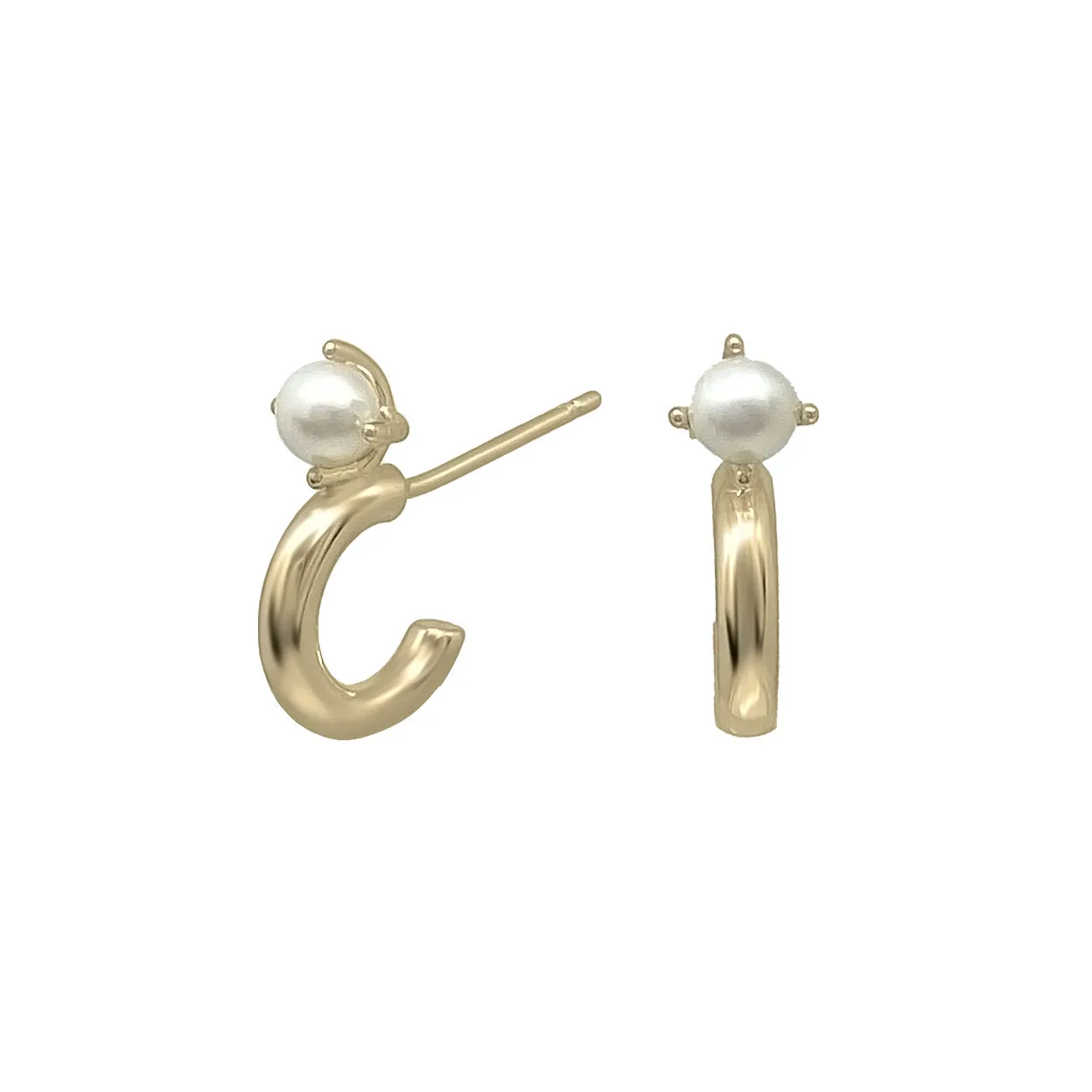
- Pearl Stud Hoops: Choose the material: 18k Gold Vermeil or Sterling silver. Inner Hoop Diameter: 10 mm. Pearl Diameter: 3 mm. Handmade. These small hoops can be worn as earrings, but their size and materials also make them a good reference for the metal tones and delicate scale that work well with anklets. If you like the 18k gold vermeil or sterling silver finish here, you can coordinate your anklet to match.
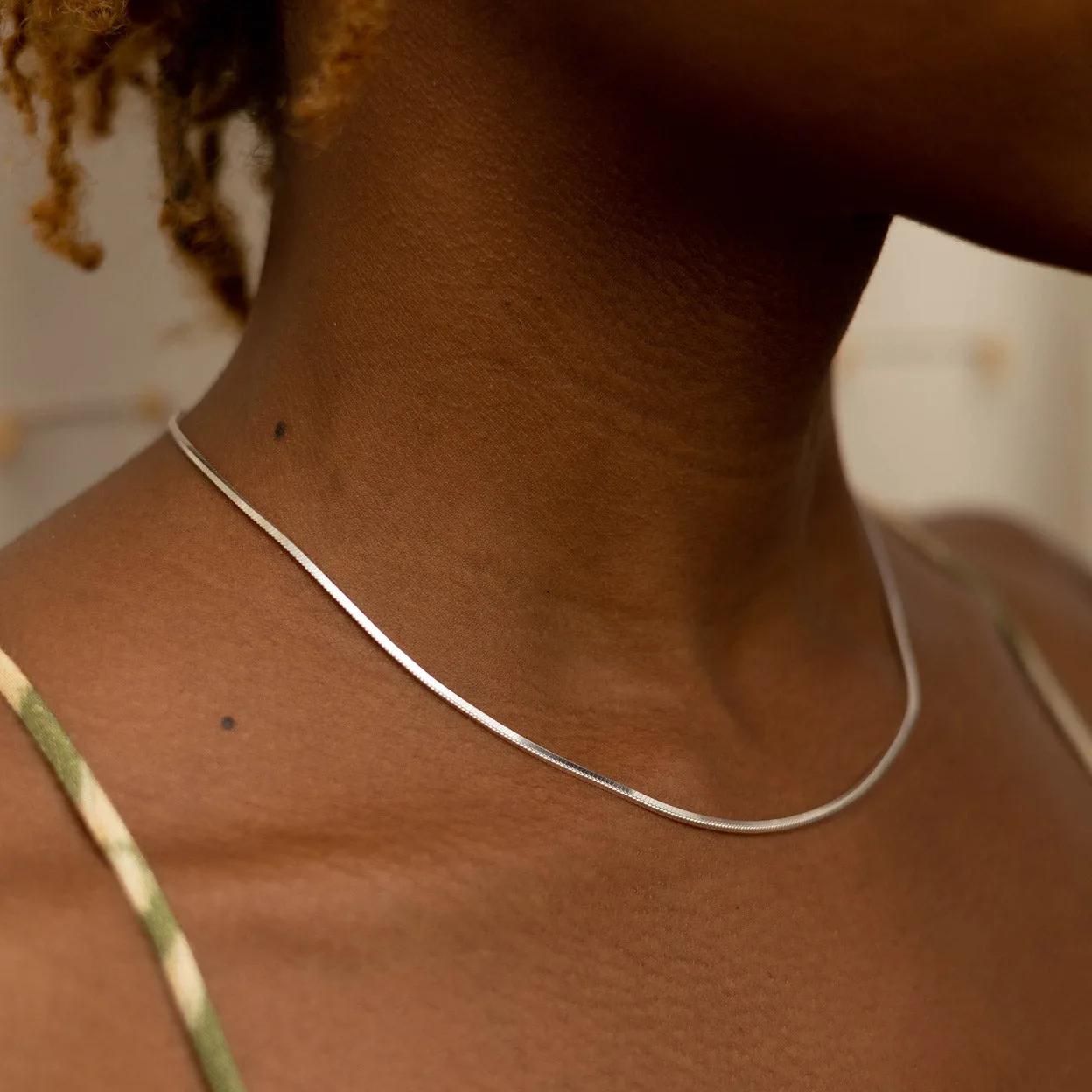
- Square Snake Chain Necklace: 14k Gold Vermeil or Sterling silver. Chain length: 40cm or 50cm. Chain Width: 1.5mm. This necklace's 1.5mm chain width is a useful reference for anklet layering: a chain of similar thinness will sit comfortably without bulk. You can also choose the same metal (14k gold vermeil or sterling silver) to create a cohesive set between your neck and ankle.
Anklets don't have to be seasonal. With the right fit, metal tone, and layering approach, you can wear them confidently all year. Start with one well-fitting anklet, then experiment with layering and seasonal swaps as you get comfortable.