Quick answer
Wear Sanrio hair goods by keeping tension low, removing them before bed, and rotating styles so the same strands aren't stressed daily. Mini ponytail holders work best on small sections or accents, not tight all-day ponytails, and claw clips should grip the hair loosely rather than clamp it flat.
Why Sanrio hair goods need a gentler routine
Sanrio hair accessories are often designed around small, decorative shapes rather than heavy-duty hold. Mini elastic ponytail holders and charm-topped clips can be adorable, but their smaller surface area means they concentrate pressure on fewer strands. That's fine for short wear, but it becomes a problem when the same section is pulled tight every day.
The fix isn't to avoid kawaii styles. It's to treat these pieces as accent tools: use them for part of the day, vary where you place them, and give your hair a break between wears. This keeps the accessories fun without turning them into a source of breakage or scalp tenderness.
Match the accessory to the hairstyle
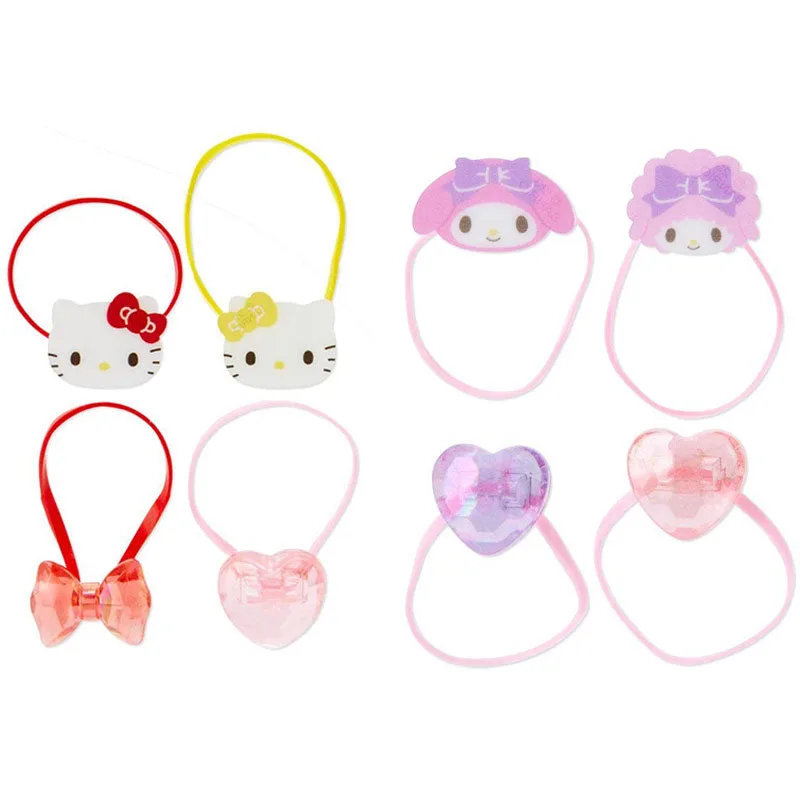
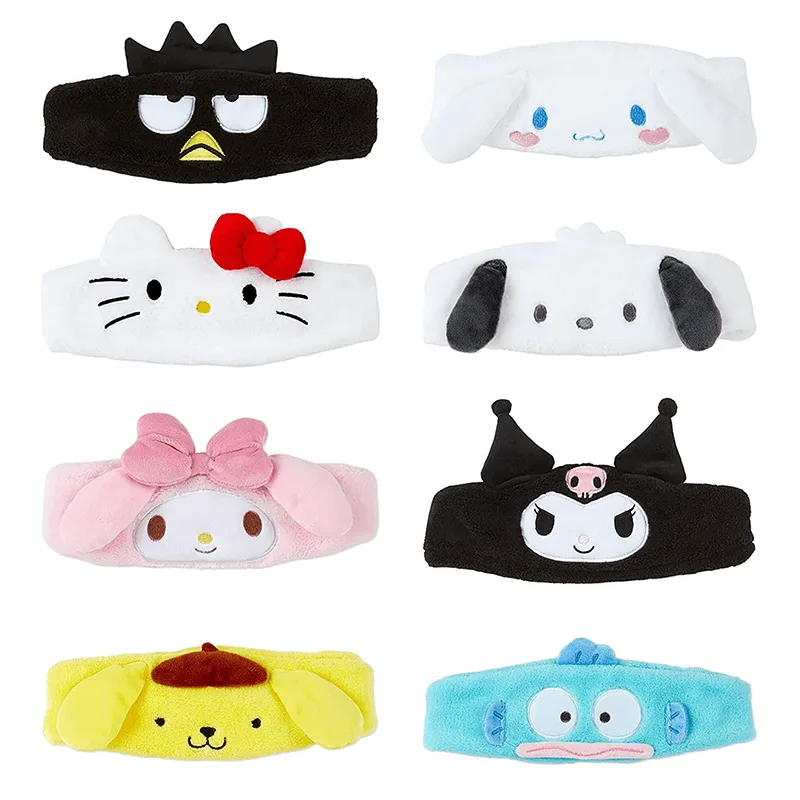
Not every Sanrio hair good is built for every style. Mini ponytail holders are best for small accent sections, half-up styles, or finishing the ends of braids. Claw clips handle medium sections when you want a loose twist or a quick updo. Pins and patches belong on fabric, not hair, unless a product is specifically listed as a hair accessory.
If you're unsure whether a piece is right for your hair type, check the listed dimensions and materials first. A holder that measures under an inch across will feel very different on fine hair than on thick, dense hair, and that difference matters more than the character on the charm.
Keep tension low and placement varied
The most common cause of accessory-related damage is repeated tension in the same spot. If you always pull a ponytail holder to the same height, the same hairs take the stress every time. Move the placement slightly higher or lower, and alternate between a ponytail, a half-up style, and a loose clip twist across the week.
You should be able to slide one finger under the band or clip without forcing it. If the accessory leaves a deep dent or your scalp aches when you take it out, it was too tight. Loosen it immediately rather than waiting until the end of the day.
Remove hair goods before sleep and heavy activity
Sleeping in small hair accessories is one of the fastest ways to cause breakage. Pillow friction pulls against the accessory, and the strands trapped inside the band or clip can snap as you move. Take everything out before bed, even if the style still looks good.
The same applies to sports, helmet use, and anything that presses against your head for long periods. If you need a style to stay put during activity, choose a soft, low-tension option and redo it afterward rather than leaving a decorative piece in place for hours.
Clean hair goods so they stay hair-friendly
Hair products, oils, and dust build up on elastics, clips, and charms. That residue can make an accessory grabby, which means more pulling when you put it in or take it out. Wipe hard surfaces with a soft damp cloth and let them dry completely before storing them.
For elastic ponytail holders, watch for stretched-out bands or frayed edges. A band that no longer holds its shape will need more wraps to stay in, and extra wraps mean extra tension. Replace worn elastics rather than doubling them up.
Your low-damage Sanrio hair routine, step by step
- Start with dry, detangled hair: Brush or comb from the ends upward before adding any accessory. Working on damp, tangled hair forces you to pull harder to get the style in place. Checkpoint: if you feel resistance while styling, stop and detangle that section first.
- Choose the right piece for the section: Use mini ponytail holders for small accent sections and claw clips for medium twists. Don't force a tiny holder around a thick section just because you like the charm. Checkpoint: the accessory should sit in the hair easily, not need multiple tugs to close.
- Set the tension with one finger of slack: After securing the style, slide one finger under the band or clip. If it won't fit, loosen the style by a notch or redo it with less pull. Checkpoint: no headache, no deep dent, no tender spots when you remove it.
- Limit wear time and rotate placement: Treat decorative hair goods as part-of-the-day accessories. Move ponytail height and clip position slightly each time so the same strands aren't stressed repeatedly. Checkpoint: if a spot on your scalp feels sore, skip that placement for a few days.
- Remove everything before bed: Take out bands, clips, and any pinned accessories before sleeping, napping, or wearing a helmet. Store them where they won't get crushed or stretched. Checkpoint: a quick mirror check before bed prevents most overnight breakage.
- Inspect and clean your hair goods weekly: Wipe hard accessories with a soft damp cloth, let them dry fully, and replace any elastic that has lost its shape or developed frayed edges. Checkpoint: stretched or frayed bands need more wraps, and more wraps mean more tension.
Product facts that affect how you wear them
- Sanrio Set of 4 Mini Ponytail Holders: Sanrio Set of 4 Mini Ponytail Holders includes four mini elastic ponytail holders with a die-cut acrylic charm; the elastic measures about 0.8 inches in diameter and the charm about 0.6 inches wide. The small elastic size makes these best for accent sections, half-up styles, or braid ends rather than thick, high-tension ponytails.
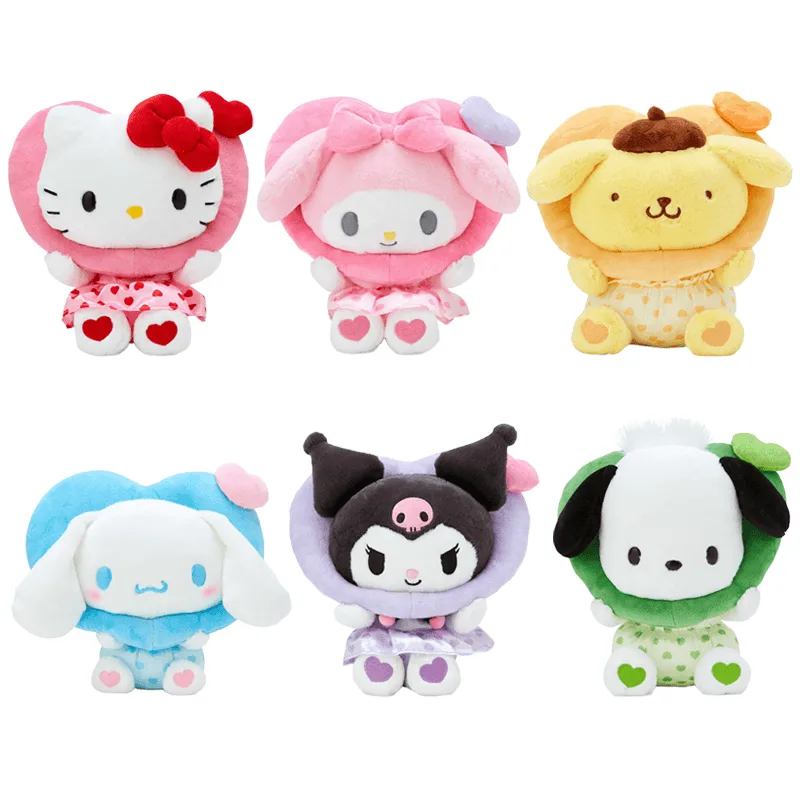
- Sanrio Colorful Heart Plush: Sanrio Colorful Heart Plush measures about 7.5 inches wide by 8.5 inches tall and is an official Sanrio item. This is a plush, not a hair accessory, so it belongs on a shelf or bag rather than in your hair routine.
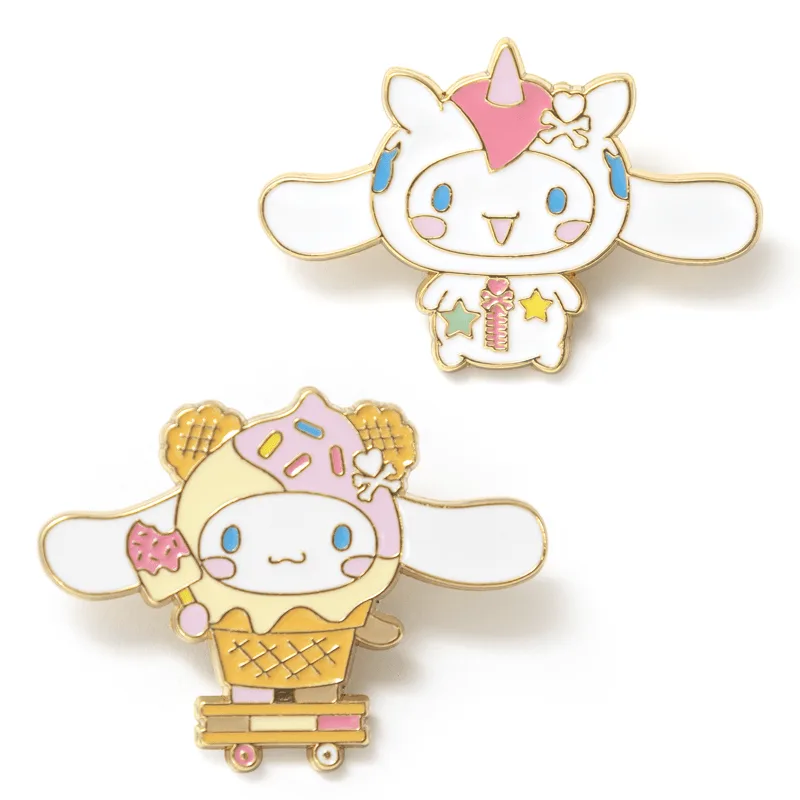
- tokidoki x Cinnamoroll Sweets Pin: tokidoki x Cinnamoroll Sweets Pin is an enamel pin with gold hardware and comes in multiple styles. Enamel pins are designed for fabric, so keep them on jackets, bags, or pin boards instead of pushing them into your hair.