Quick Answer
To write your first book, commit to a clear message, set a realistic writing schedule, draft without self-editing, and revise with focused passes. Use tools like The Book You Were Born to Write to guide you through the transformational nonfiction process.
Why a clear message matters before you start
Before typing a single word, know the core message you want readers to take away. For transformational nonfiction, this is the specific insight or change you want to spark in your audience. Without a clear message, your writing can feel scattered and your readers may struggle to connect with your work.
A strong message also helps you make decisions about what to include and what to cut. It acts as a filter for every chapter, example, and story you consider adding. If a piece doesn't support your core message, it likely doesn't belong in the book.
The trade-off between writing daily and writing in bursts
Many first-time authors believe they must write every day to make progress. While daily writing builds momentum, it's not the only path. Some writers thrive by dedicating longer blocks on weekends, while others need short daily sessions to stay connected to their material.
The key is consistency over intensity. Choose a schedule you can sustain for months, not just a week. If you miss a day, don't let it derail your entire project. The goal is to keep moving forward, not to be perfect.
Your Step-by-Step Writing Process
- Define your core message: Write a single sentence that captures the main transformation your book offers. Ask yourself: What do I want readers to know, feel, or do differently after reading? Keep this sentence visible while you write. If you can't explain your book in one sentence, refine it before moving on.
- Create a writing schedule that fits your life: Decide when and where you'll write. Block time in your calendar as non-negotiable. Start with 20–30 minutes per day or 2–3 longer sessions per week. Track your progress to build momentum. Missed a session? Simply reschedule it—don't skip it entirely.
- Draft without self-editing: Write your first draft as fast as you can, without stopping to perfect sentences or fix grammar. Focus on getting your ideas on the page. You can edit later, but you can't edit a blank page. If you feel stuck, write a terrible sentence on purpose to keep moving.
- Revise in focused passes: After finishing your draft, revise in layers. First, check the overall structure and flow. Then, tighten each chapter. Finally, polish sentence-level grammar and word choice. This prevents overwhelm and improves quality. Read your manuscript aloud to catch awkward phrasing and rhythm issues.
- Seek feedback from trusted readers: Share your revised manuscript with 2–3 people who represent your target audience. Ask specific questions about clarity, pacing, and whether your message comes through. Use their feedback to make final revisions. Choose readers who will be honest, not just supportive.
- Prepare your manuscript for publication: Once your manuscript is polished, decide your publishing path: traditional or self-publishing. Research submission guidelines or formatting requirements. If self-publishing, plan for cover design, formatting, and distribution. If you're self-publishing, budget for professional editing and design.
A resource to guide your writing journey
-
The Book You Were Born to Write: The Book You Were Born to Write is a guide to writing a full-length transformational nonfiction book, from an editor with two decades' experience working in publishing. It gives you a proven framework to clarify your message and structure your book, so you can avoid common first-time author pitfalls.
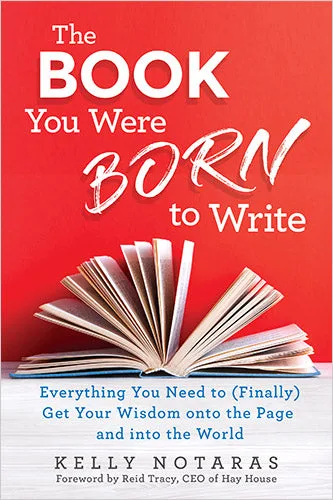
The Book You Were Born to Write