Quick Answer
Choose Hungry Monkey if you want the gentler, sillier hunt for a lost breakfast bean and you are playing mostly with younger children. Choose Tails on Fire if your family prefers a slightly more adventurous story about recovering stolen fire and can handle a bit more tension. Both are quick, story-driven family games from Czech Games Edition, so the real decision comes down to theme and how much excitement your table enjoys.
What Each Game Asks You to Do
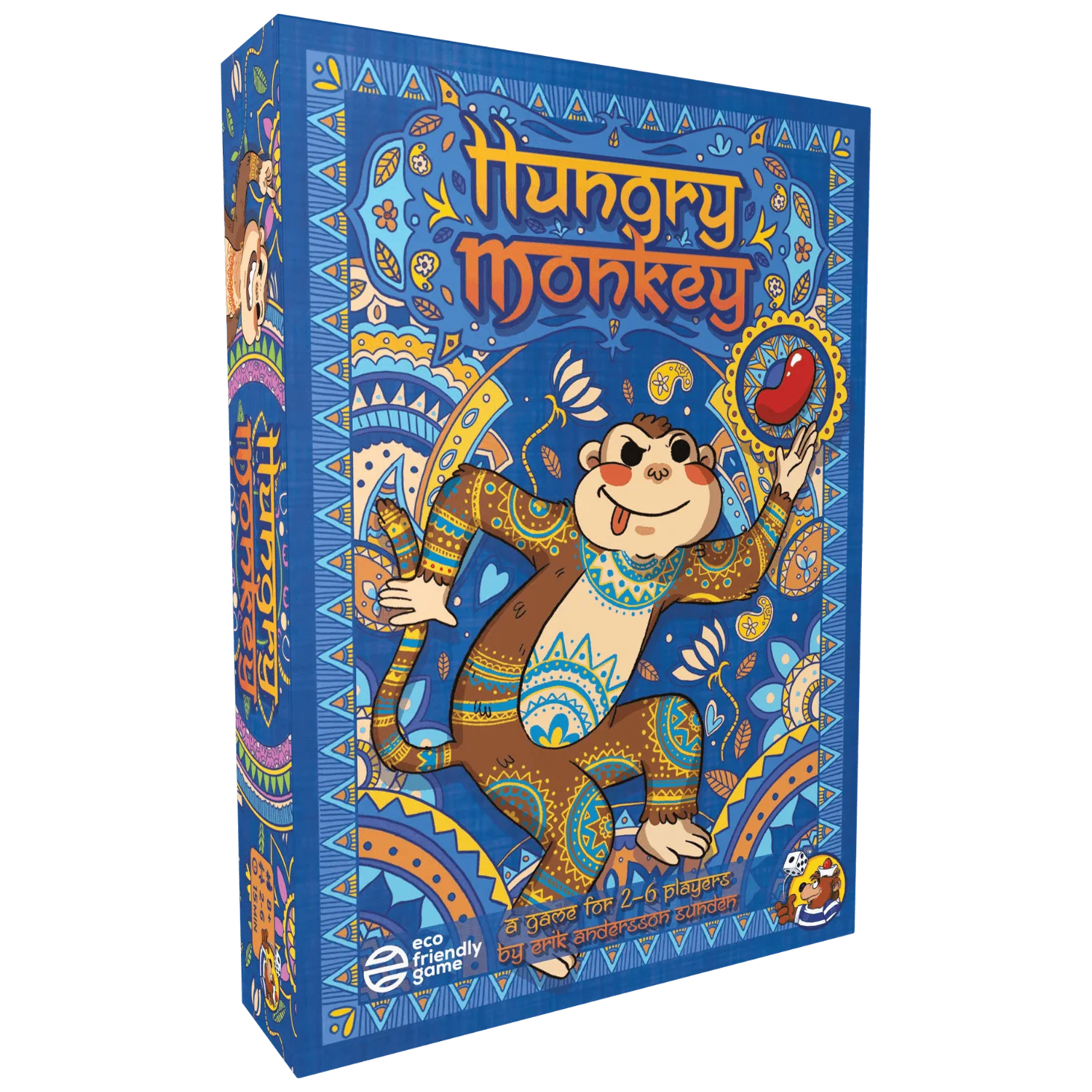
Hungry Monkey follows a simple quest: a monkey has lost his breakfast bean in the jungle and asks the other animals for help. Swift Sparrow, King Tiger, and the rest ignore him until Tiny Ant climbs into Tiger's ear and orders him to help, which sends every animal searching. The story is playful and the stakes stay low, which makes it easy to teach to a young child who is still learning how turn-taking works.
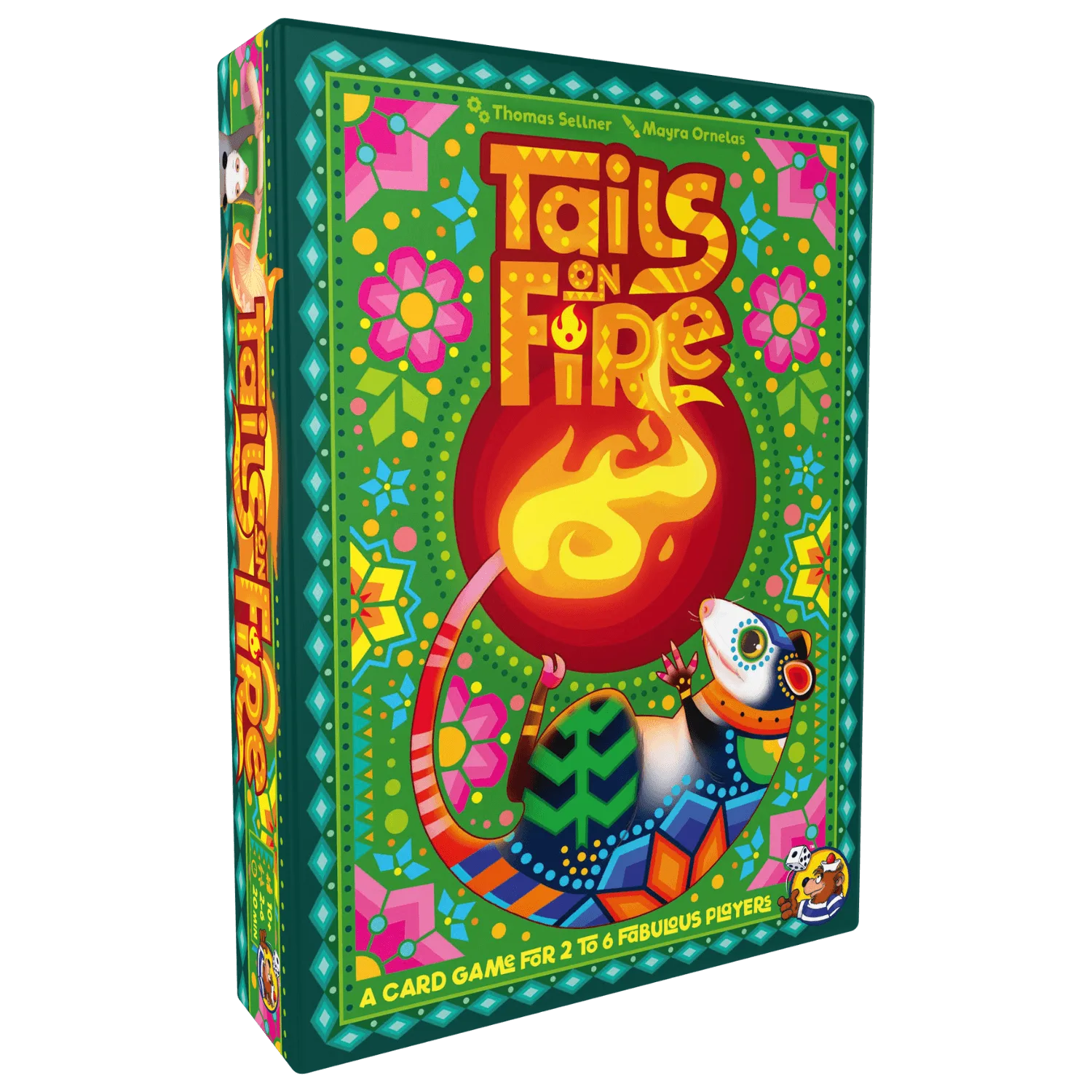
Tails on Fire opens with a theft. Iguana sneaks away one night, takes the fire he has guarded for so long, and hides it at the entrance of a cave high on the mountain. The villagers notice the theft, gather frantically, and can see the light in the distance. That opening gives the game a clearer sense of urgency and a goal that older kids tend to latch onto.
How the Two Compare for Family Play
The biggest practical difference is tone. Hungry Monkey leans on animal helpers and a missing bean, so the humor carries the experience and losing feels harmless. Tails on Fire leans on a chase and a rescue, so the tension carries the experience and players feel like they are racing to put something right.
Both games are compact and quick enough to fit into a weeknight, and both work as a first step into story-based family games. If your group already owns a shelf of party games and wants something with a narrative, either one adds variety without demanding a long rules explanation.
What About Pictomania?
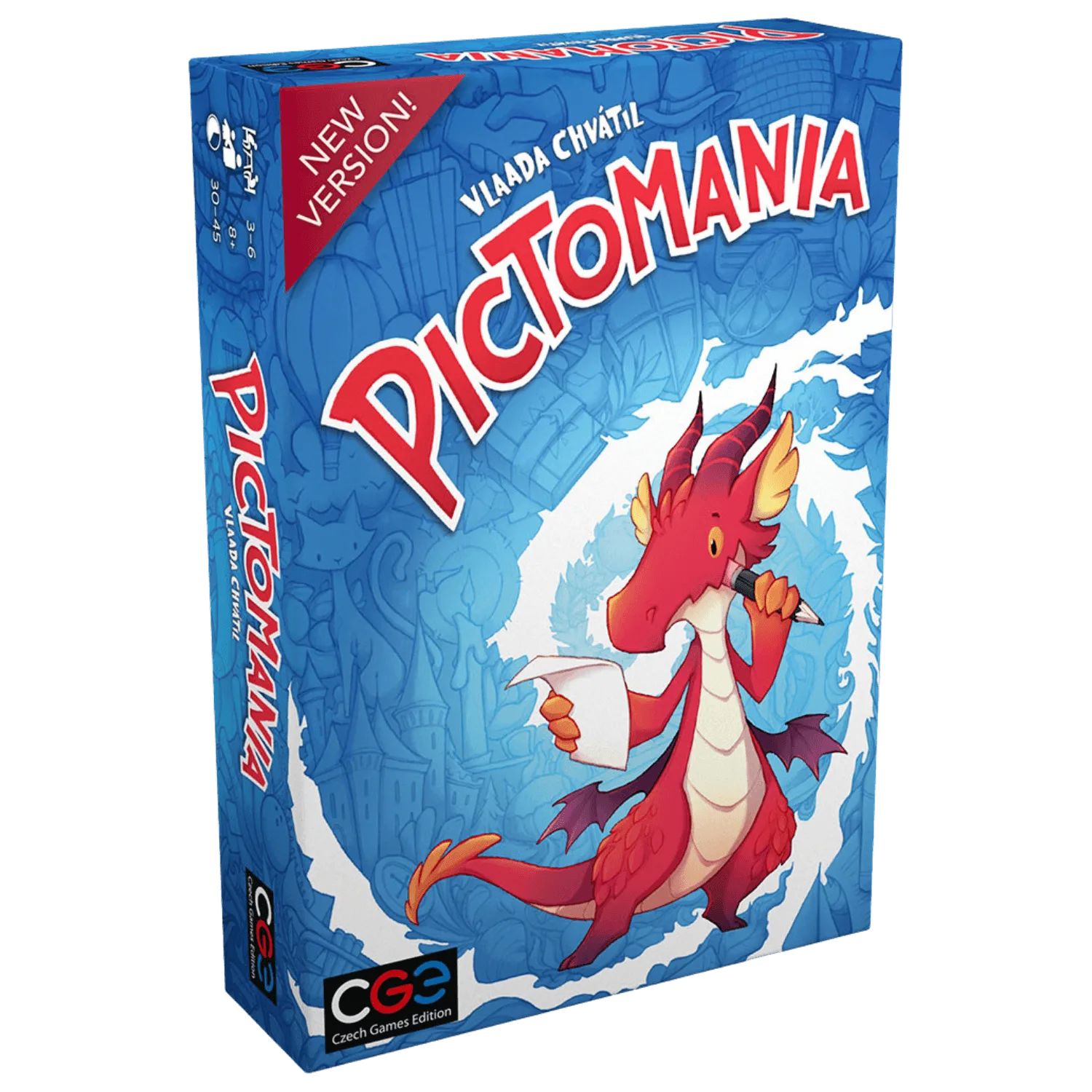
If your family's real goal is laughter rather than story, Pictomania is the better fit. It is the drawing game where everybody draws and everybody guesses at the same time, so there is no downtime and no waiting for a turn. Players sketch the essence of a word with a few quick lines and try to read the other drawings before time runs out. The word cards were revised for the current edition, and it comes with a new look.
The trade-off is clear: Pictomania rewards speed and messy drawing, while Hungry Monkey and Tails on Fire reward following a story together. Pick Pictomania for a loud group of mixed ages, and pick one of the other two when you want a calmer, narrative evening.
Trade-Offs to Weigh Before You Buy
- Theme: gentle hunt vs. theft and chase: Hungry Monkey is built around helping a monkey find his breakfast bean, while Tails on Fire is built around recovering fire stolen by Iguana. Pick the gentler hunt for sensitive younger players; pick the chase for kids who want a mission.
- Tension level: Hungry Monkey keeps stakes low and the humor high, while Tails on Fire opens with a theft and a visible light in the distance that the villagers need to reach. Match the tension to your child's temperament, not just their age.
- When a party game wins instead: Pictomania trades story for simultaneous drawing and guessing, so everyone is active at once and there is no waiting for turns. Choose Pictomania if your group loses patience with turn-based storytelling.
Product Facts at a Glance
- Hungry Monkey: Hungry Monkey sets up a jungle search for a lost breakfast bean, with animals from Swift Sparrow to King Tiger joining only after Tiny Ant orders Tiger to help. The animal cast and the missing-bean premise give you a gentle, easy-to-explain story that younger children can follow without reading.
- Tails on Fire: Tails on Fire begins when Iguana secretly takes the fire to a cave high on the mountain, and the villagers gather when they notice the theft. The theft-and-chase setup creates more urgency, which suits families who want a bit of excitement rather than a purely silly hunt.
- Pictomania: Pictomania has everyone draw and guess at the same time, sketching the essence of a word with a few quick lines, and its word cards were revised for the current edition. If your family prefers simultaneous, laugh-out-loud play over a story, this is the alternative worth considering instead of either animal game.
Which One Fits Your Family?
Best for
- Families with younger children who need a simple, kind story with animal characters
- Parents who want a quick game that does not depend on reading or fast drawing
- Groups that prefer cooperation and low-pressure play over competition
Not for
- Players who want a tense race or a clear villain to chase
- Teens and adults looking for a loud, simultaneous party game, who should look at Pictomania instead
- Tables that dislike story framing and want pure mechanical competition