When it comes to quenching thirsty skin, masks are the go-to heroes. But with so many options, how do you choose between a jelly glaze mask and a sheet mask? Both promise hydration, but they work in very different ways. In this comparison, we'll break down the pros, cons, and key differences to help you decide which is better for your skin.
Hyaluronic acid is a star ingredient in both formats, but the delivery system, texture, and overall experience can make one a better fit for your lifestyle and skin needs. Let's dive in.
What Is a Hyaluronic Jelly Glaze Mask?
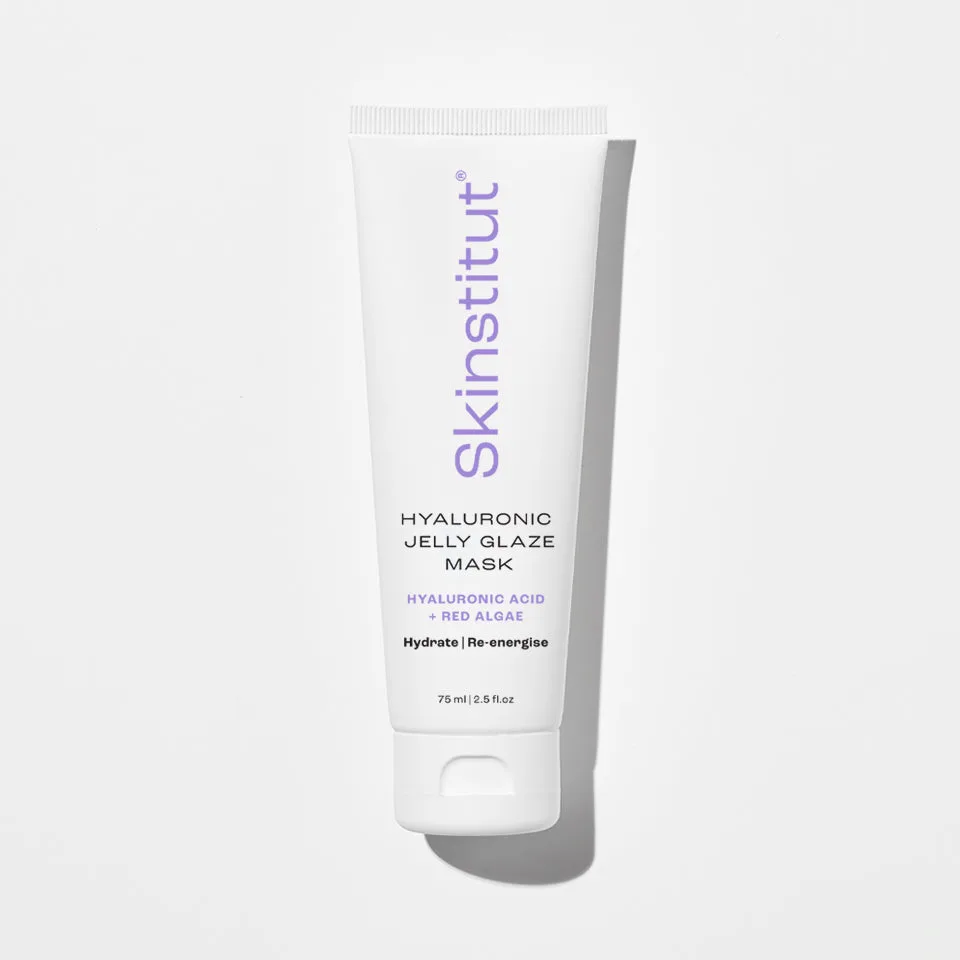
Hyaluronic Jelly Glaze Mask
A jelly glaze mask is a leave-on or rinse-off formula with a thick, gel-like consistency that often contains hyaluronic acid. Unlike sheet masks, which are pre-soaked fabric, jelly masks are applied directly to the skin, allowing you to control the amount and target specific areas. They are designed to form a breathable film that locks in moisture, giving the skin a dewy, 'glazed' finish.
One of the standout benefits of jelly masks is their versatility. You can use them as a sleeping mask, a hydrating boost before makeup, or a quick 10-minute treatment. They are also less messy than sheet masks and can be more economical since you use only what you need.
- Apply a generous layer to clean skin and leave on for 10-15 minutes.
- For an overnight treatment, use a smaller amount and massage until absorbed.
- Store in the fridge for an extra cooling, de-puffing effect.
What Are Sheet Masks?
Sheet masks are single-use cotton or hydrogel sheets soaked in a concentrated serum. They are placed over the face for 15-20 minutes, creating a physical barrier that helps ingredients penetrate deeply. They are incredibly convenient and travel-friendly, but they can be wasteful and may not fit all face shapes perfectly.
Sheet masks are excellent for an instant hydration boost, especially before an event or after sun exposure. However, they often contain preservatives to keep the serum stable, which might not suit sensitive skin. Also, the fit can be awkward, leaving some areas untouched.
- Unfold the mask and align it with your facial features.
- Leave on for 15-20 minutes, then massage the excess serum into your skin.
- Use 1-2 times a week for best results.
Key Differences: Jelly Mask vs Sheet Mask
The main difference lies in the format and how they interact with your skin. Jelly masks offer a more customizable and often more sustainable option, while sheet masks provide a mess-free, single-use experience. In terms of hydration, both are effective, but jelly masks tend to have a higher concentration of active ingredients since they aren't diluted by the sheet material.
When it comes to skin types, jelly masks are generally better for dry or dehydrated skin because they create a protective layer that prevents moisture loss. Sheet masks can be great for all skin types, but those with oily skin might prefer a lighter gel formula that won't feel heavy.
- Jelly masks: reusable, customizable, often more concentrated.
- Sheet masks: convenient, mess-free, but single-use.
- Consider your skin's needs and your routine preferences.
How to Choose the Best Hydrating Mask for You
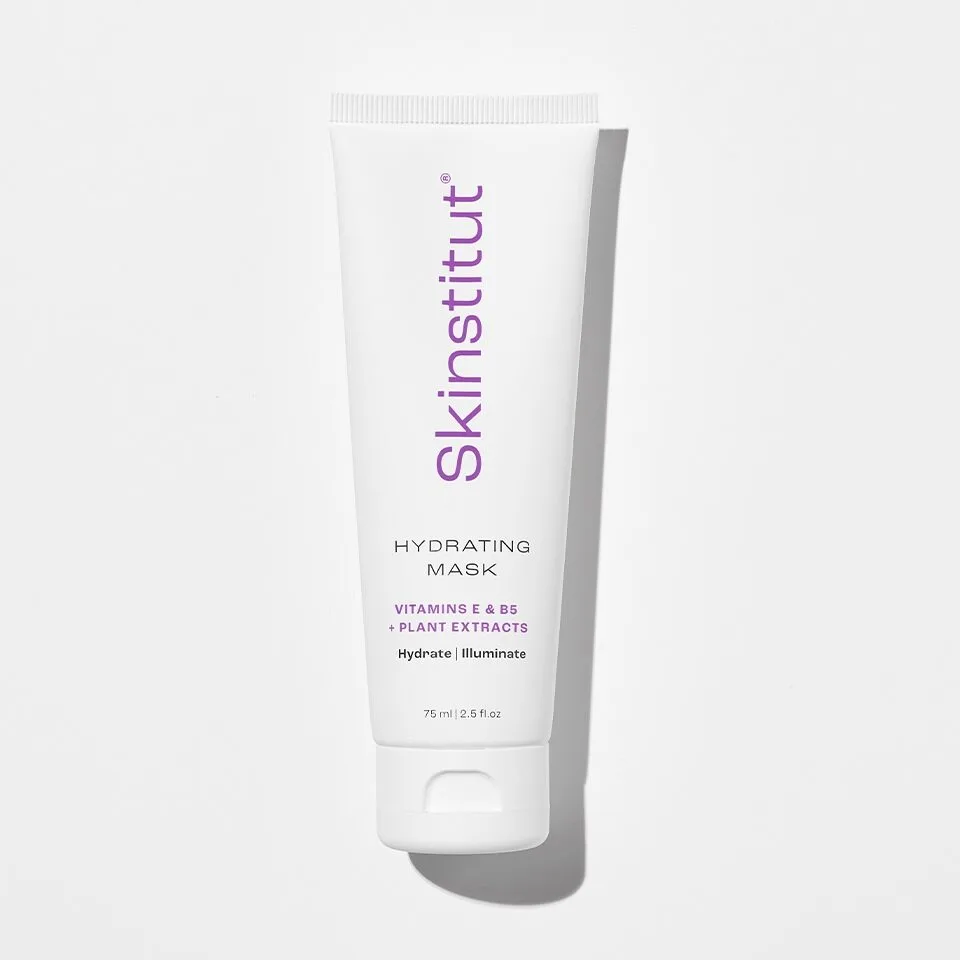
Hydrating Mask
If you want a pampering, spa-like experience with minimal effort, a sheet mask might be your pick. But if you're looking for a multitasking product that can double as a moisturizer or overnight treatment, a jelly glaze mask is the way to go. For those with sensitive skin, a jelly mask with simple ingredients like hyaluronic acid can be soothing and gentle.
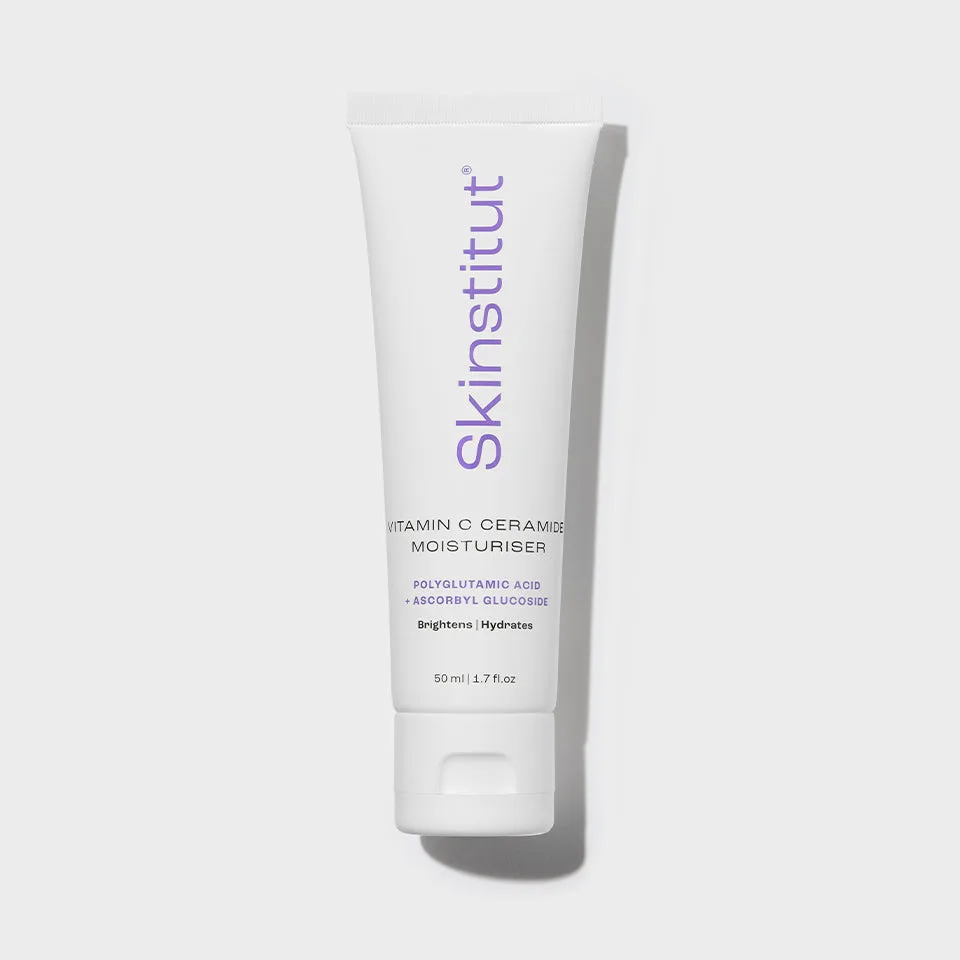
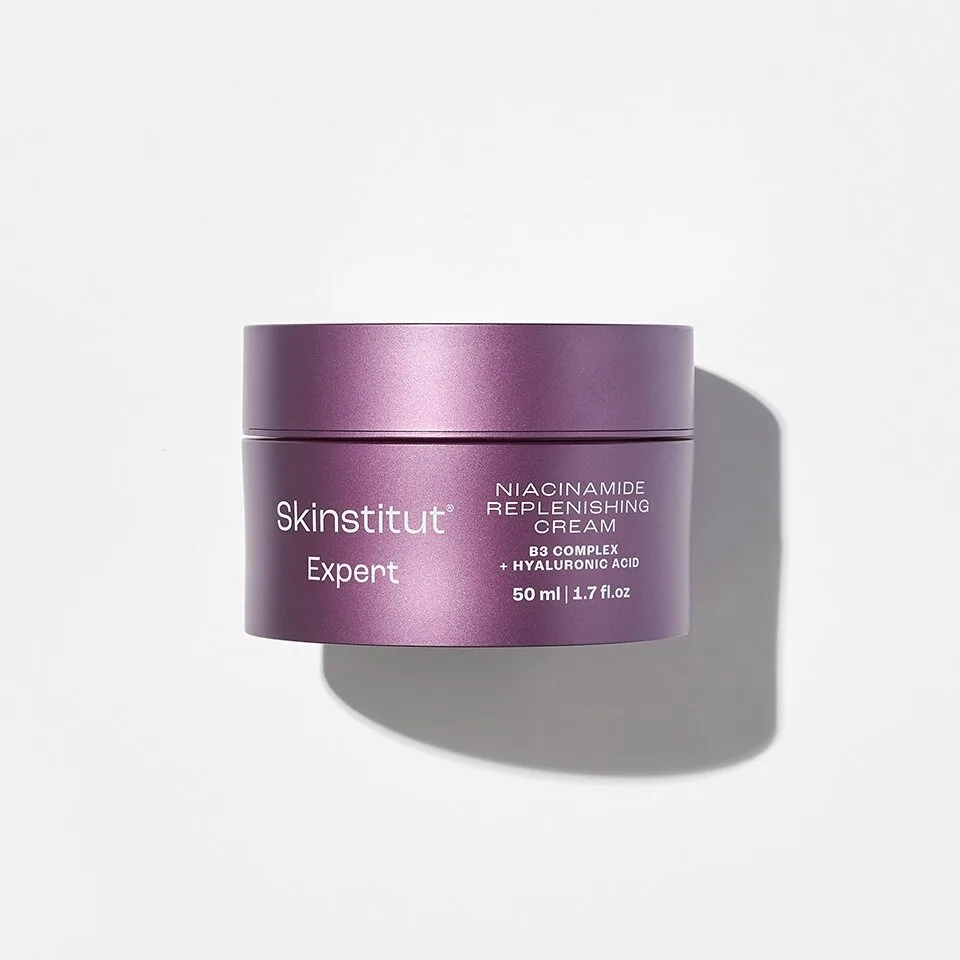
In the Skinstitut range, the Hyaluronic Jelly Glaze Mask is a fan favorite for its intense hydration and versatility. It pairs beautifully with the Vitamin C Ceramide Moisturiser to lock in moisture and brighten the complexion. Alternatively, if you prefer sheet masks, you can still get great results by layering with a hydrating serum like the Expert Niacinamide Replenishing Cream to boost your skin's barrier.
- For dry skin: opt for a jelly mask with hyaluronic acid and ceramides.
- For oily skin: choose a lightweight gel mask that won't clog pores.
- For sensitive skin: look for fragrance-free, simple formulations.
Both hyaluronic jelly glaze masks and sheet masks have their merits, but the best choice depends on your skin type, lifestyle, and preferences. If you value customization and long-lasting hydration, a jelly mask like the Hyaluronic Jelly Glaze Mask is a worthy investment. For a quick, on-the-go fix, sheet masks are hard to beat. Explore the Skinstitut range to find your perfect match.