Quick Answer
For most minor cuts and abrasions, hydrogen peroxide is the gentler choice for wound cleaning, while isopropyl alcohol works well for disinfecting skin and surfaces—but it can sting more on open wounds.
Why the Choice Matters
Both hydrogen peroxide and isopropyl alcohol are common first aid supplies, but they work differently. Hydrogen peroxide foams as it cleans, helping to lift debris from minor cuts and abrasions. Isopropyl alcohol evaporates quickly and is often used to disinfect skin before injections or to clean tweezers and thermometers.
The main trade-off is gentleness versus speed. Hydrogen peroxide is generally less irritating to open tissue, while isopropyl alcohol provides rapid disinfection but can cause a sharp sting on raw wounds.
When to Use Each
For a fresh scrape or small cut, hydrogen peroxide is a practical first step because it helps prevent infection while being easy to apply with a pump spray. Isopropyl alcohol is better suited for cleaning intact skin or tools, not for deep or large wounds where the sting could be uncomfortable.
If you carry a compact first aid kit, both pump bottles are small enough to stash in a bag. The choice depends on whether you need a wound cleaner or a general disinfectant.
How to Choose: Trade-Offs at a Glance
- Gentleness vs. Speed: Choose hydrogen peroxide for wound cleaning on minor cuts and abrasions because it is less harsh on open tissue. Choose isopropyl alcohol when you need fast evaporation and disinfection on intact skin. If the wound is open or sensitive, lean toward hydrogen peroxide.
- Application Method: Both come in pump sprays, but hydrogen peroxide's foam helps lift debris, while isopropyl alcohol's quick-dry nature works well for prepping skin before a procedure. Use the pump to avoid direct contact; never pour from a bottle onto a wound.
- Kit Space: The isopropyl alcohol pump is 2 oz, while the hydrogen peroxide pump is 4 oz. If space is tight, the smaller bottle is easier to pack, but you get less product. For a mini kit, the 2 oz alcohol pump saves room; for home use, the larger peroxide bottle lasts longer.
Product Comparison
-
Hydrogen Peroxide Pump: 4 fl oz hydrogen peroxide pump spray treats minor cuts and abrasions and helps prevent infection. The pump makes it easy to apply directly to a wound without touching it, reducing the risk of contamination.
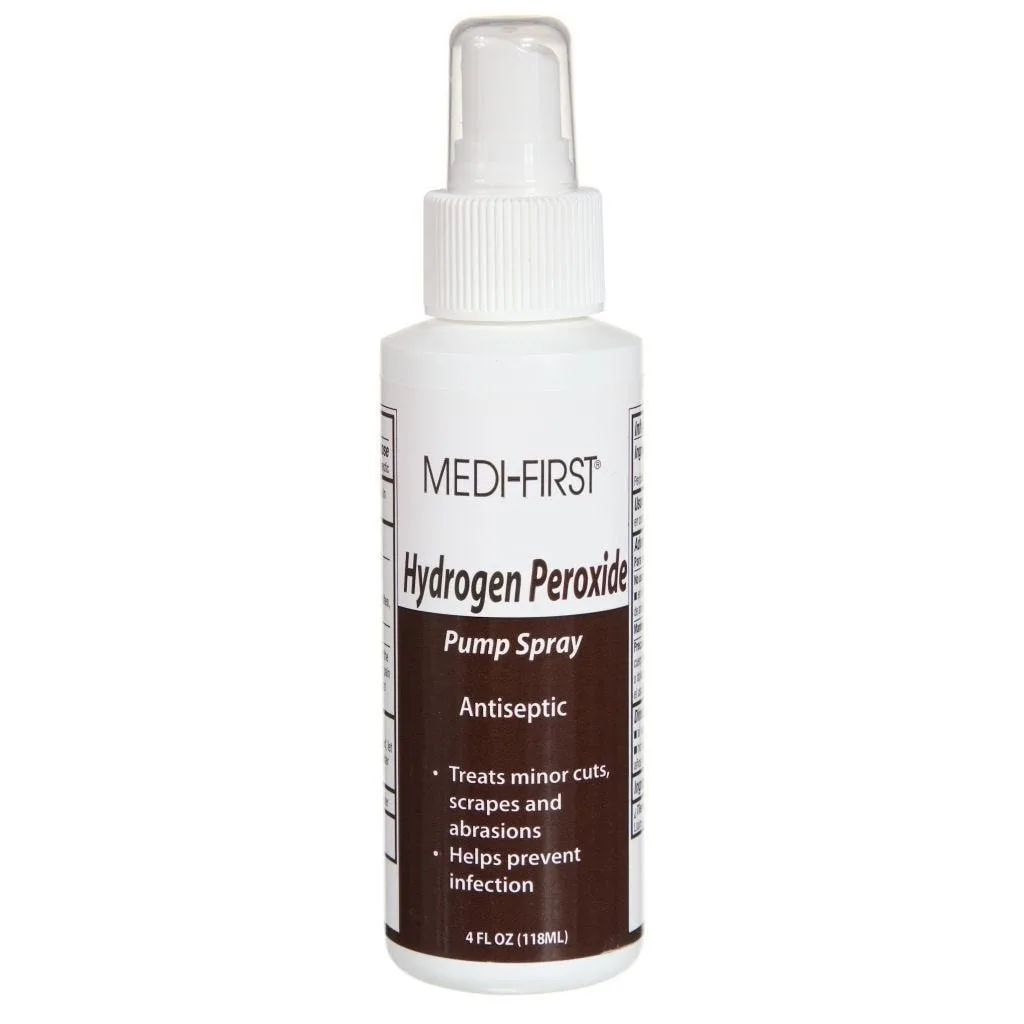
Hydrogen Peroxide Pump
-
Isopropyl Alcohol Pump 2oz.: 2 oz isopropyl alcohol pump spray is designed to clean and disinfect wounds, cuts, and scrapes. Its compact size is convenient for on-the-go use, but be prepared for a stronger sting on open skin.
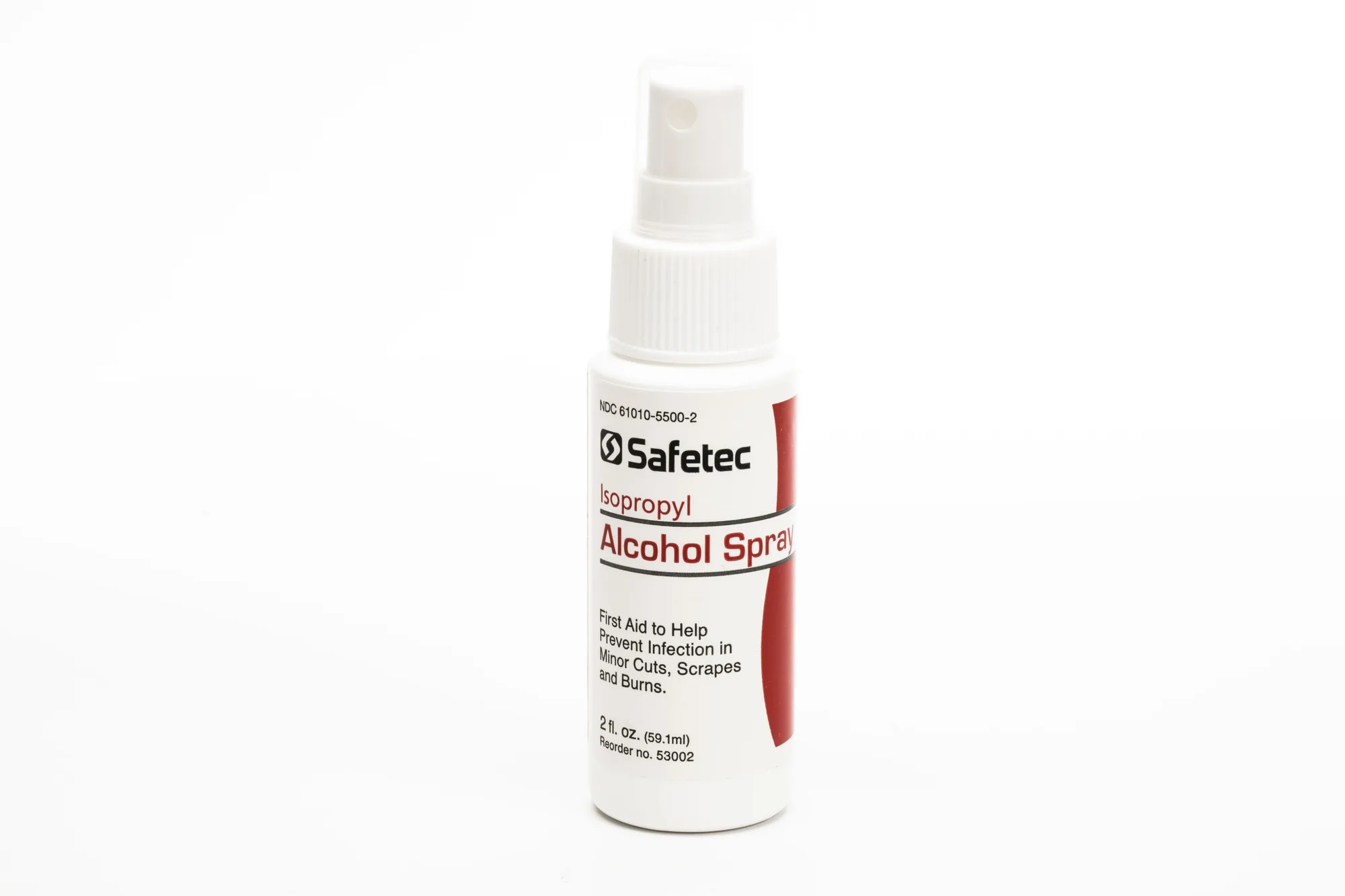
Isopropyl Alcohol Pump 2oz.
Which One Fits Your Needs?
Best For
- Hydrogen peroxide: treating minor cuts and abrasions where gentle cleaning is a priority
- Isopropyl alcohol: disinfecting intact skin, tools, or surfaces in a compact first aid kit
Not For
- Hydrogen peroxide: not ideal for deep puncture wounds or large wounds where medical attention is needed
- Isopropyl alcohol: not recommended for open wounds if you want to avoid stinging, or for sensitive skin