Quick answer
Rinse your HydroJug can cooler with warm water and mild dish soap after every use, then air-dry it fully with the lid off. For lingering smells, soak it for 30 minutes in a 1:1 mix of white vinegar and water, then wash and dry. If a stain or odor survives two rounds of that, stop scrubbing and replace the cooler rather than risk damaging the interior.
Why your can cooler smells bad even after washing
The most common cause of a can cooler that smells bad is trapped moisture. If you close the lid or stuff the cooler into a bag while the inside is still damp, the liner stays wet for hours and odor-causing bacteria get a perfect environment. A quick rinse is not enough if the cooler never dries completely.
A second cause is residue buildup. Sweet drinks, flavored seltzers, and even some sodas leave a thin film that soap alone may not lift. Over time that film traps odors. If your cooler smells sour or musty right after washing, the issue is usually incomplete drying or a film that needs a vinegar soak, not a stronger cleaner.
A safe weekly wash routine that protects the liner
Hand-washing is the safest default for insulated can coolers because harsh detergents and high heat can break down the interior over time. Use warm water, a drop of mild dish soap, and a soft bottle brush or sponge. Pay attention to the rim and the bottom corners, where residue collects.
Rinse thoroughly until the water runs clear and no soapy smell remains. Then dry the cooler upside down on a dish rack with the lid off. If you are in a hurry, wipe the inside with a clean microfiber cloth and let it air out for another 15 minutes before sealing it. Never put a damp cooler back in a cabinet or bag.
How to remove stains from a can cooler without harsh chemicals
For light stains, a paste of baking soda and water applied with a soft cloth usually lifts discoloration from the liner. Let it sit for 10 minutes, then rinse well. For darker stains or a stubborn ring near the bottom, soak the cooler in equal parts white vinegar and warm water for 30 minutes.
Avoid bleach, abrasive scrubbing pads, and dishwasher cycles unless the manufacturer explicitly says the cooler is dishwasher-safe. Those shortcuts can etch the interior, which makes future stains and odors stick even more. If a stain remains after two vinegar soaks, the material has likely absorbed it and replacement is the practical choice.
Odor removal that actually works
Vinegar is the most reliable household option for can cooler odor removal because it neutralizes many odor compounds instead of just masking them. After soaking, wash with mild soap and rinse. If the smell lingers, leave an open box of baking soda inside the dry cooler overnight, then discard the baking soda and air the cooler out again.
Do not use scented cleaners or essential oils inside the liner. They can leave an oily residue that transfers to your drink and creates a new stale smell within days. If the cooler still smells after two vinegar soaks and a baking soda night, the odor has penetrated the material and the cooler should be replaced.
Keep your can cooler cold longer on hot days
Start with a cold can, not a room-temperature one. Chilling the can in the fridge first means the cooler has less heat to fight. On very hot days, pre-chill the cooler itself by putting it in the fridge for 20 minutes before you add the can.
Keep the cooler out of direct sun and avoid leaving it in a hot car. Once you open the can, drink within a reasonable window; every opening lets warm air in. A fully dry cooler also insulates better than a damp one, so the drying step in your wash routine is also a cold-retention step.
Can cooler symptom checker
- Smells sour or musty right after washing: Likely cause: trapped moisture or a residue film. Wash with mild soap, then soak 30 minutes in equal parts white vinegar and warm water. Rinse and air-dry completely with the lid off. If the smell returns within a day, repeat the vinegar soak once. If it still returns, replace the cooler.
- Dark ring or stain at the bottom: Likely cause: absorbed drink residue. Make a baking soda paste, apply for 10 minutes, rinse, then vinegar-soak for 30 minutes. Stop if the stain fades but does not disappear after two soaks. Further scrubbing can damage the liner.
- Drink warms up too fast: Likely cause: warm can, warm cooler, or direct sun. Chill the can and cooler first, keep it out of the sun, and make sure the cooler is fully dry before use. If it still warms quickly, the insulation may be compromised. Replace the cooler rather than adding ice packs that do not fit.
HydroJug products built for easy care
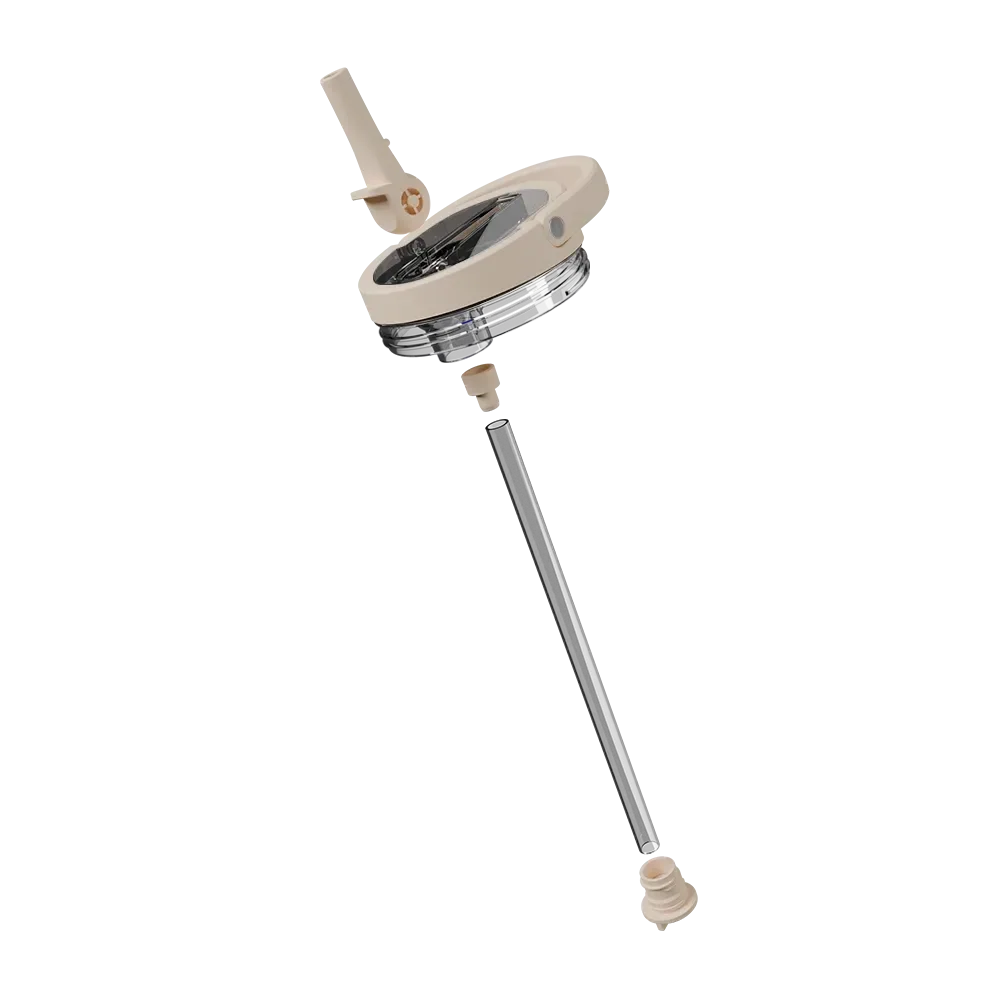
- Woodland: The 24 oz Ease2o features a dual-function lid with a No-Perse soft straw and a chug spout, plus built-in venting technology that prevents pressure build-up. A lid that comes apart easily makes thorough rinsing and drying faster, which is the single best way to prevent odors.
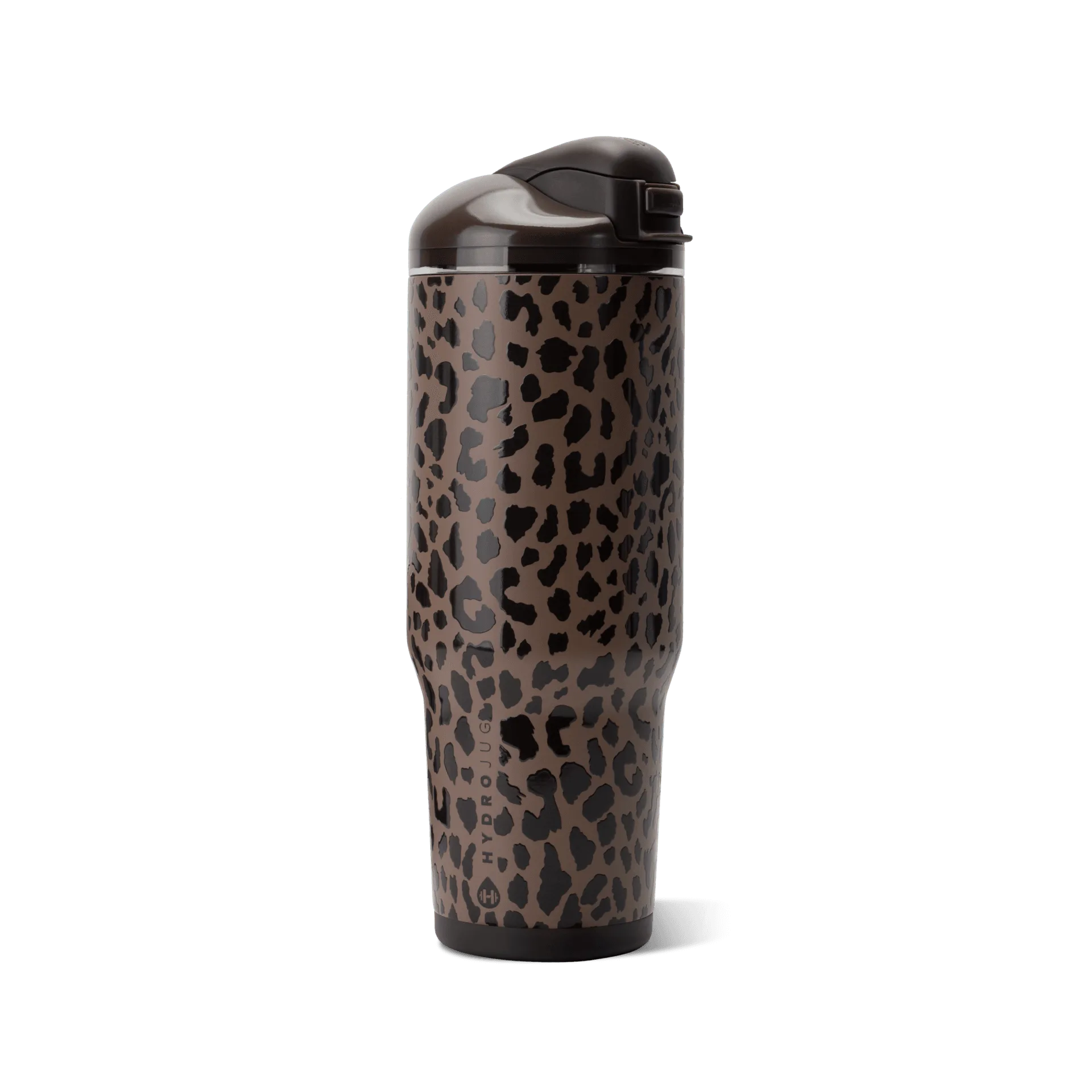
- Brown Leopard: The 32 oz Sport bottle is designed for active use with a bold https://thehydrojugud.com/products/hydrojug-everyday-tumbler-14oz-ceramic-lined-spill-free-kids-tumbler-brown-73959https://thehydrojugud.com/products/hydrojug-everyday-tumbler-20oz-ceramic-lined-insulated-tumbler-with-straw-brown-73972https://thehydrojugud.com/products/hydrojug-sport-20oz-brown-leopard-74026https://thehydrojugud.com/products/hydrojug-sport-40oz-brown-leopard-74063brown leopard print and part of the HydroJug core collection. If you want a larger bottle for workouts and commutes, the Sport size gives you more capacity while still fitting standard cup holders.