Quick answer
For video, the 126 LED panel is the better choice because it offers daylight-balanced 5400K light with dimming and battery options. The 120LED grow light bulb works in a pinch for static close-ups but lacks the color accuracy and control needed for most video work.
Why the grow light bulb is tempting for video
The 120LED full spectrum bulb costs under $10 and screws into a standard E27 socket. Its 3200K warm tone and 23-watt output can light a small subject directly. For a budget video setup where you already have a clamp light, it's an easy plug-and-play option.
The video panel is built for the job
The 126 LED panel is designed for cameras and camcorders. It outputs 5400K daylight (with a 3200K filter included), has dimming control, and runs on Sony NP-series batteries or 6 AA cells. That portability and color control are essential for shooting on location or adjusting light intensity without moving the light.
Key tradeoff: color temperature and CRI
The grow light bulb has a CRI greater than 70, which means colors may look washed out on camera. The video panel's 5400K daylight with included filters gives you much better color accuracy for video. If accurate skin tones matter, the panel wins.
Tradeoffs at a glance
- Color temperature: Grow bulb: 3200K warm. Video panel: 5400K daylight (3200K filter included). Daylight is standard for video; the grow bulb's warm light limits your white balance options.
- Power and portability: Grow bulb: mains power only, fixed output. Video panel: battery or AA power, dimmable. If you need to move the light between rooms or shoot outdoors, the panel is far more practical.
- Color accuracy: Grow bulb: CRI > 70. Video panel: no published CRI, but daylight balance and filters improve color rendition. Neither is studio-grade, but the panel gives you more control to match other lights.
Product facts
-
120LED 23Watt Lumen 2150 Hydroponic Full Spectrum Grow Light Bulb 3200K 120LED3200K: 3200K LED, 23W, 120 LEDs, CRI > 70, E27 base, 86V-265V input The warm 3200K color works for mood lighting but the CRI above 70 is too low for professional video color accuracy.
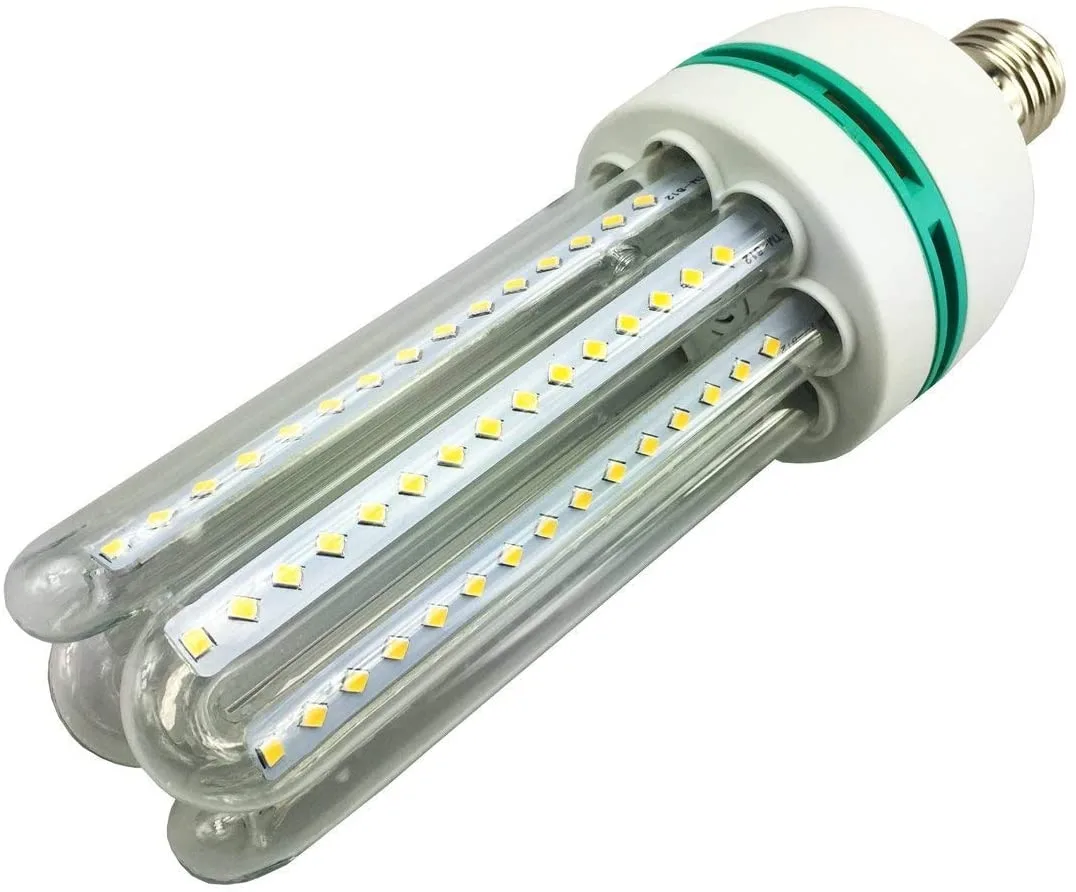
120LED 23Watt Lumen 2150 Hydroponic Full Spectrum Grow Light Bulb 3200K 120LED3200K
-
126 LED Video Photography light Panel Compact Dimmable CAMERA CAMCORDER LED light panel: 126 LEDs, 125 lumens, 5400K (3200K with filter), dimmable, battery or 6 AA power Daylight balance and dimming give you exposure control on set, and battery power makes it portable for run-and-gun shooting.
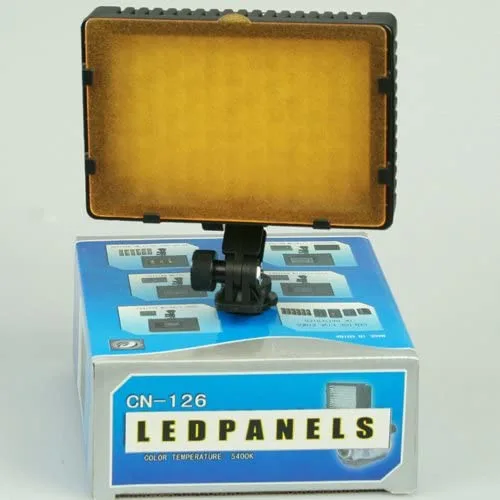
126 LED Video Photography light Panel Compact Dimmable CAMERA CAMCORDER LED light panel
Which should you choose?
Best for
- Budget video makers who need a quick, static close-up light and already have a lamp socket
- Hobbyist plant streamers who want to combine grow light and video light in one bulb
Not for
- Anyone who needs accurate skin tones or professional video color
- Shooters who require portable, battery-powered lighting on location