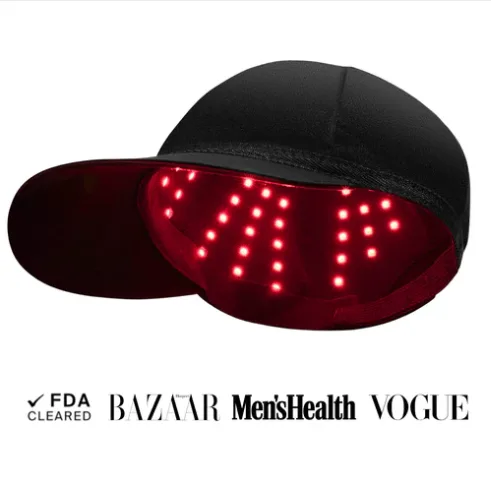
If you’ve been struggling with persistent dandruff, an itchy scalp, or patchy hair thinning that doesn’t respond to standard treatments, seborrheic dermatitis might be the underlying culprit. This chronic inflammatory skin condition affects up to 5% of the population and is one of the most common causes of scalp discomfort and hair shedding. Understanding how seborrheic dermatitis interferes with the hair growth cycle is essential for anyone using red light therapy or minoxidil—because treating the inflammation first can dramatically improve your results.
In this guide, we’ll walk you through how to identify seborrheic dermatitis on the scalp, explain why it can sabotage hair growth treatments, and share a practical, step-by-step approach to managing the condition while maximizing the benefits of devices like the TrichoGlow Sleeping Cap and topical treatments like Minoxidil Scalp Care Hair Densifying & Growth Mousse Spray. Whether you’re new to scalp care or looking to refine your routine, this article will help you build a clearer path to healthier, thicker hair.
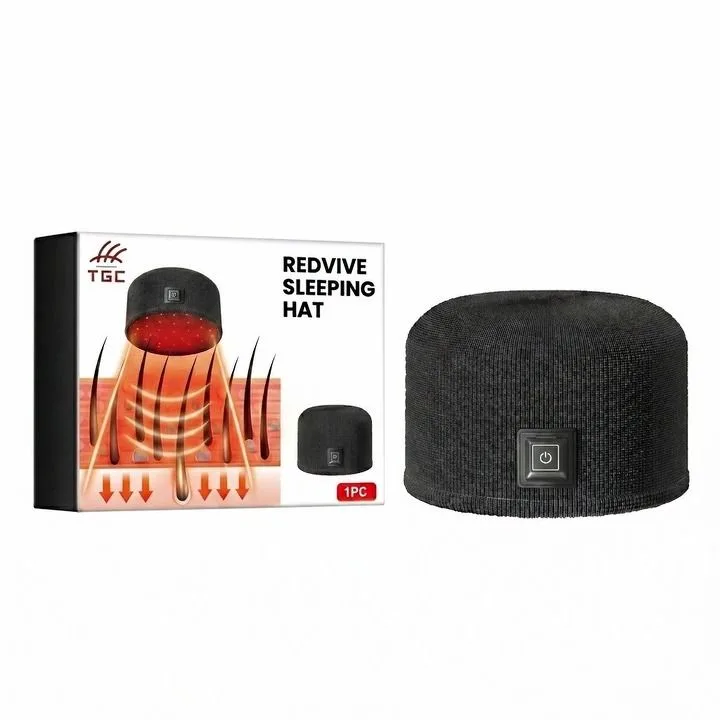
TrichoGlow Sleeping Cap
What Is Seborrheic Dermatitis and How Does It Affect Hair Growth?
Seborrheic dermatitis is a common, chronic inflammatory skin condition that primarily affects areas rich in sebaceous glands—such as the scalp, face, and chest. On the scalp, it typically presents as greasy, yellowish scales or flakes, accompanied by redness, itching, and sometimes a burning sensation. Unlike simple dandruff, which is usually mild and non-inflammatory, seborrheic dermatitis involves an overgrowth of Malassezia yeast, a naturally occurring fungus that feeds on sebum. This overgrowth triggers an immune response, leading to inflammation and disrupted skin barrier function.
When seborrheic dermatitis flares up, the resulting inflammation can directly impact hair follicles. Chronic inflammation can shorten the anagen (growth) phase of the hair cycle, pushing follicles prematurely into the telogen (resting) phase, which leads to increased shedding. Moreover, the buildup of scales and sebum can physically block follicles, making it harder for topical treatments like minoxidil to penetrate. This is why many people who use red light therapy or minoxidil without addressing seborrheic dermatitis see slower or uneven results. By calming the inflammation first, you create a healthier scalp environment where hair growth treatments can work more effectively.
- Look for greasy, yellowish flakes rather than dry white dandruff
- Itching and redness are common signs of inflammation
- Flare-ups often worsen in cold, dry weather or during periods of stress
How to Identify Seborrheic Dermatitis on Your Scalp
Correctly identifying seborrheic dermatitis is the first step toward effective treatment. While it shares some symptoms with other scalp conditions like psoriasis or contact dermatitis, there are key differences. Seborrheic dermatitis typically appears as oily, yellowish scales that cling to the scalp and may extend to the eyebrows, sides of the nose, or behind the ears. The scalp may feel greasy even after washing, and the itching can be persistent. In contrast, psoriasis scales are usually silvery and dry, and the patches are more defined.
If you’re unsure, consider keeping a symptom diary for two weeks. Note when the itching worsens, what products you use, and whether you notice increased shedding. If you see a pattern of greasy flakes and redness that improves with antifungal shampoos but returns quickly, seborrheic dermatitis is likely. For a definitive diagnosis, a dermatologist can perform a simple visual exam or a skin scraping. Once identified, you can tailor your scalp care routine to manage the condition without interfering with your hair growth goals.
- Seborrheic dermatitis scales are yellow and greasy, not dry and white
- It often affects the scalp, eyebrows, and nasolabial folds
- A dermatologist can confirm the diagnosis with a quick exam
Why Seborrheic Dermatitis Can Sabotage Red Light Therapy and Minoxidil Results
Red light therapy works by delivering specific wavelengths of light (typically 630–660 nm and 810–850 nm) to the scalp, where they are absorbed by mitochondria in hair follicle cells. This stimulates cellular energy production, increases blood flow, and reduces inflammation. However, if the scalp is covered in thick scales or inflamed due to seborrheic dermatitis, the light may not penetrate effectively. The scales act as a physical barrier, scattering or absorbing the light before it reaches the follicles. Similarly, minoxidil relies on absorption through the scalp skin to reach the hair follicles. When the stratum corneum is compromised by inflammation or buildup, absorption drops significantly, reducing the treatment’s efficacy.
Additionally, the inflammatory environment created by seborrheic dermatitis can counteract the anti-inflammatory benefits of red light therapy. While red light therapy does reduce inflammation, a severe flare-up may overwhelm its effects, leading to suboptimal results. This is why many experts recommend treating the scalp condition first—or at least managing it concurrently—before expecting maximum benefits from hair growth treatments. Using a gentle, non-irritating scalp scrubber like the TrichoGlow Scalp Scrubber can help remove buildup without damaging the skin, preparing the scalp for better absorption of light and topical products.
TrichoGlow Scalp Scrubber
- Scales and buildup block red light from reaching hair follicles
- Inflammation reduces minoxidil absorption and effectiveness
- Use a gentle scalp scrubber to remove flakes before treatments
A Step-by-Step Scalp Care Routine for Seborrheic Dermatitis and Hair Growth
Managing seborrheic dermatitis while pursuing hair growth requires a balanced approach. Start by using a medicated antifungal shampoo containing ketoconazole, selenium sulfide, or zinc pyrithione two to three times per week. Leave the shampoo on the scalp for at least three to five minutes before rinsing to allow the active ingredients to work. On non-shampoo days, use a gentle, sulfate-free cleanser to avoid stripping the scalp’s natural barrier. After washing, gently pat your scalp dry—do not rub, as this can irritate inflamed skin.
Once your scalp is clean and dry, apply your hair growth treatments. If you’re using a topical minoxidil product, apply it directly to the scalp, focusing on thinning areas. For those using the Minoxidil Targeted Hair Root Dropper & Scalp Revitalizing Essence, the dropper allows precise application without disturbing the scalp. Follow with red light therapy using a device like the TrichoGlow Sleeping Cap, which delivers therapeutic light while you sleep or relax. To maximize absorption, consider using the red light therapy cap first, then applying minoxidil afterward—the light may help increase blood flow and prepare follicles for the topical. Consistency is key: stick to the routine for at least three months to see improvement in both scalp health and hair density.
- Use medicated antifungal shampoo 2–3 times per week
- Apply minoxidil to clean, dry scalp for better absorption
- Use red light therapy consistently for at least 12 weeks
Additional Tips for Managing Seborrheic Dermatitis Alongside Hair Growth Treatments
Beyond the core routine, several lifestyle and product adjustments can support your scalp health. Avoid heavy styling products like gels, waxes, or oils that can exacerbate buildup and feed Malassezia yeast. Instead, opt for lightweight, water-based formulations. Stress management is also crucial—stress triggers cortisol release, which can worsen both seborrheic dermatitis and hair shedding. Incorporate stress-reducing practices such as meditation, exercise, or adequate sleep into your weekly schedule.
Dietary changes may also help. Some studies suggest that a diet low in refined sugars and high in omega-3 fatty acids can reduce inflammation and improve skin health. Foods like salmon, walnuts, and flaxseeds are excellent choices. If you’re using a topical treatment like the TrichoGlow Hair Serum, apply it after minoxidil and red light therapy to lock in moisture and provide additional nutrients. Remember, patience is essential—seborrheic dermatitis is a chronic condition that requires ongoing management, but with the right approach, you can achieve both a healthier scalp and noticeable hair regrowth.
- Avoid heavy styling products that feed yeast
- Manage stress to reduce flare-ups
- Incorporate anti-inflammatory foods into your diet
Identifying and treating seborrheic dermatitis is a critical step for anyone serious about hair regrowth. By calming inflammation, removing buildup, and optimizing your scalp environment, you allow red light therapy and minoxidil to work at their full potential. Start by assessing your symptoms, then build a gentle yet effective routine that includes antifungal cleansing, targeted treatments, and consistent red light therapy. To take the next step, explore the TrichoGlow Sleeping Cap, which combines comfort with advanced phototherapy to support your hair growth journey while you rest.