How to Identify Your Papo Dinosaur Figurines
What are the key features of the Einiosaurus figurine?
The Einiosaurus is a ceratopsian from the Late Cretaceous (about 75 million years ago) of North America. It measures nearly 6 meters long in real life. Look for its wide bony frill and forward-curving horns. The Papo figurine captures these details with textured skin and a realistic posture. Its name means 'hook lizard' referring to the horn shape.
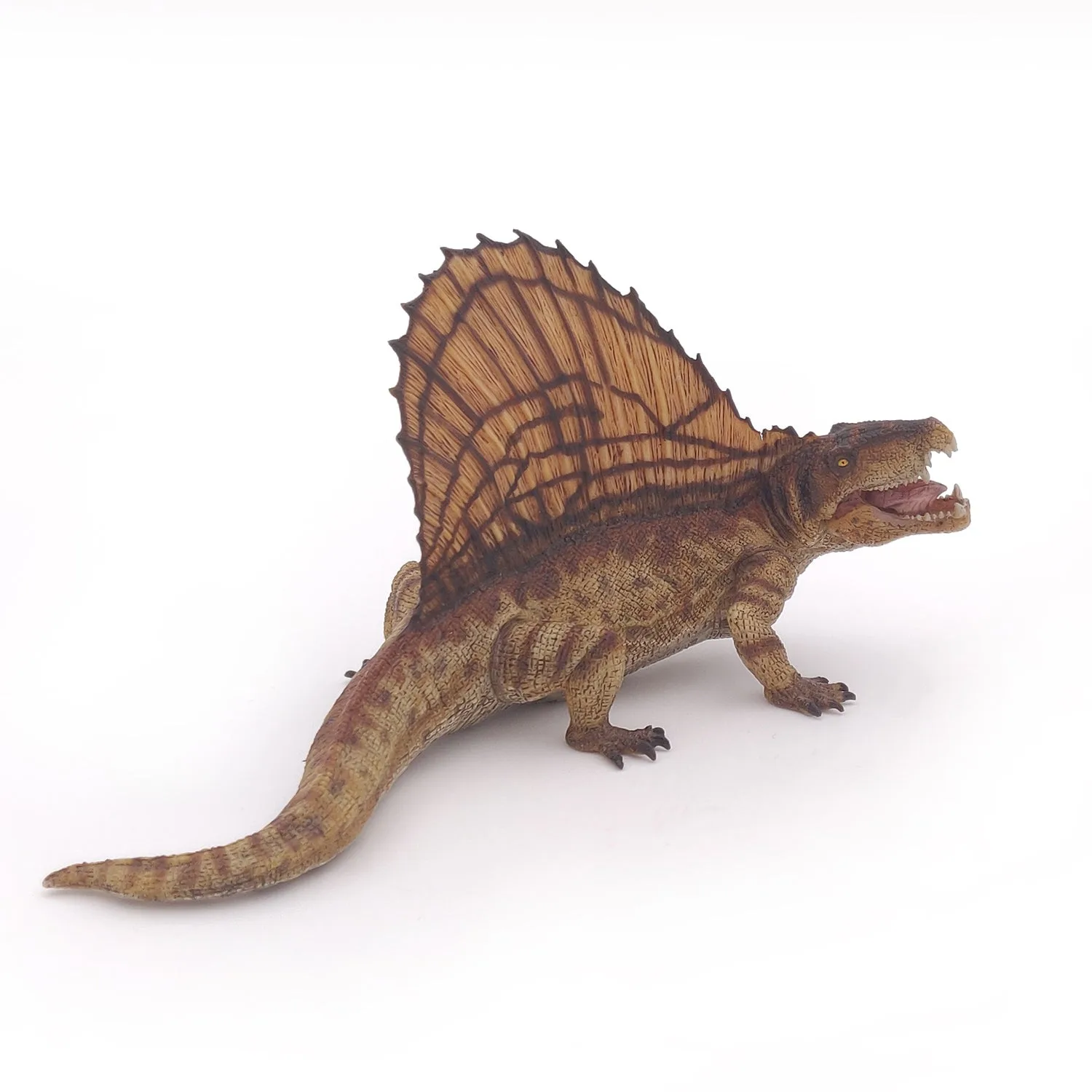
How can I tell the Dimetrodon figurine apart?
Dimetrodon lived about 280 million years ago, well before the dinosaurs. Its most distinctive feature is the large sail on its back, made of elongated spines. The Papo figurine emphasizes this sail, detailed skin, and a predator stance. Despite its dinosaur-like look, Dimetrodon is actually more closely related to mammals.
What makes the Compsognathus figurine unique?
Compsognathus was a small, agile carnivore from the Late Jurassic (about 150 million years ago) of Europe. It was about 1 meter long and weighed only a few kilograms, making it one of the lightest dinosaurs. The Papo figurine shows a slim build, dynamic pose, and scaly skin. It famously appeared in the Jurassic Park films.
Which era does each figurine represent?
The Compsognathus dates to the Late Jurassic (150 million years ago). The Einiosaurus lived in the Late Cretaceous (75 million years ago). The Dimetrodon is much older, from the Permian period (280 million years ago), before the age of dinosaurs.
How do these figurines differ in size and price?
The Compsognathus figurine is priced at USD 10.05 (catalog comparison USD 15.00). The Einiosaurus figurine is USD 12.08 (comparison USD 17.25). The Dimetrodon figurine costs USD 12.94 (comparison USD 17.25). Exact dimensions are not specified in the available product information, so compare by visual scale from the photos.
Are these figurines suitable for children?
The product records do not specify an age range or safety warnings for these specific models. As with any small figurine, adult supervision is recommended for young children to avoid choking hazards. The supplied information does not confirm specific certifications or developmental claims.
What is the best use for these figurines?
These Papo figurines are ideal for building a prehistoric collection, creating dioramas, or sparking curiosity about ancient life. The Compsognathus adds a small, fast hunter; the Einiosaurus brings a horned herbivore; and the Dimetrodon offers a unique sail-backed predator from a different era.
Key Facts at a Glance
-
Figurine Compsognathus: Le Compsognathus est un petit dinosaure carnivore qui vivait en Europe il y a environ 150 millions d’années, durant le Jurassique supérieur. Long d’environ 1 mètre et pesant seulement quelques kilos, il faisait partie des dinosaures les plus légers et agiles. This helps identify the Compsognathus figurine by its small size, European origin, and Jurassic age.
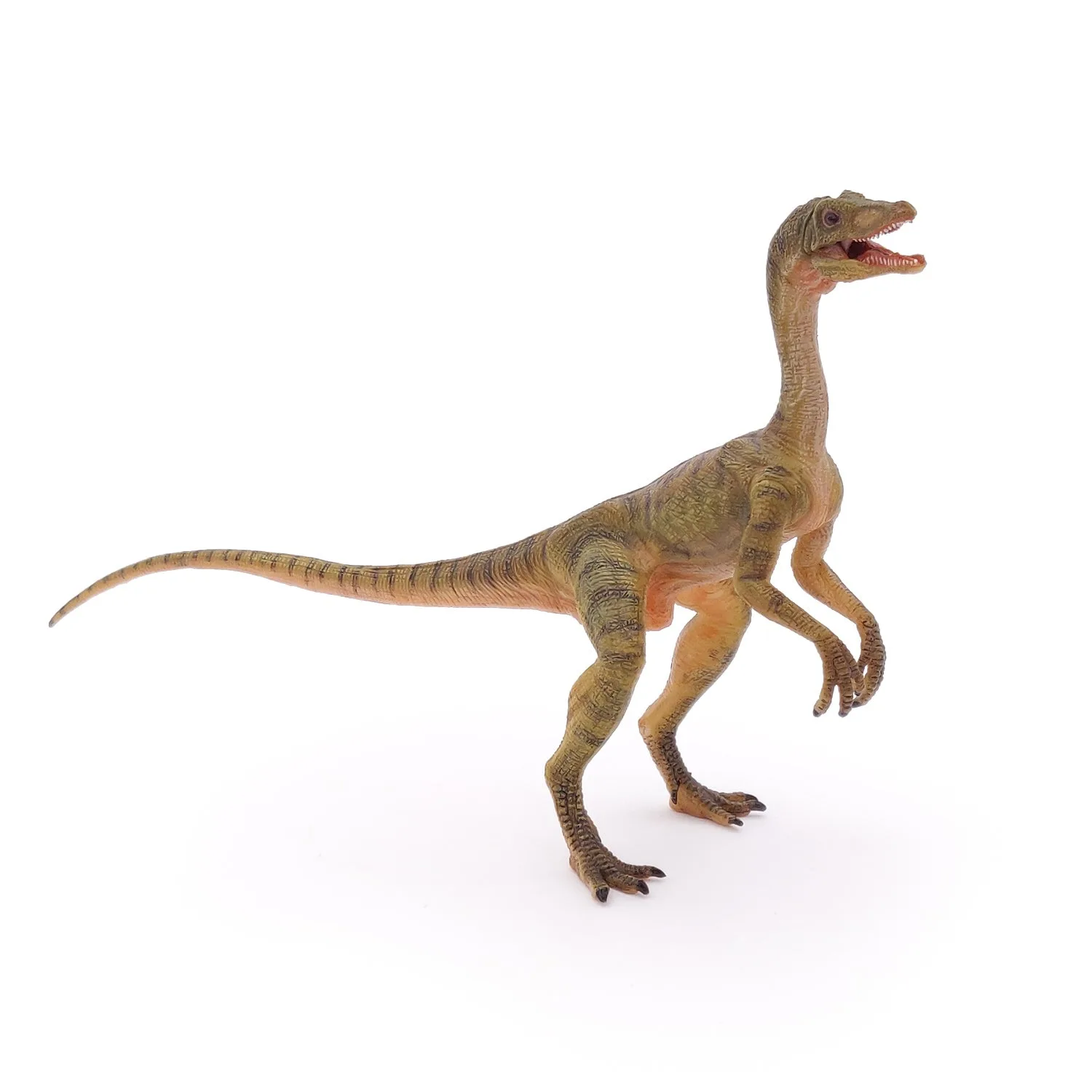
Figurine Compsognathus
-
Figurine Einiosaure: L’Einiosaure est un dinosaure herbivore qui vivait en Amérique du Nord il y a environ 75 millions d’années, durant le Crétacé supérieur. Ce cératopsien mesurait près de 6 mètres de long et se reconnaissait à sa large collerette osseuse et à ses cornes recourbées vers l’avant. These details distinguish the Einiosaurus figurine by its frill, forward horns, and Cretaceous origin.
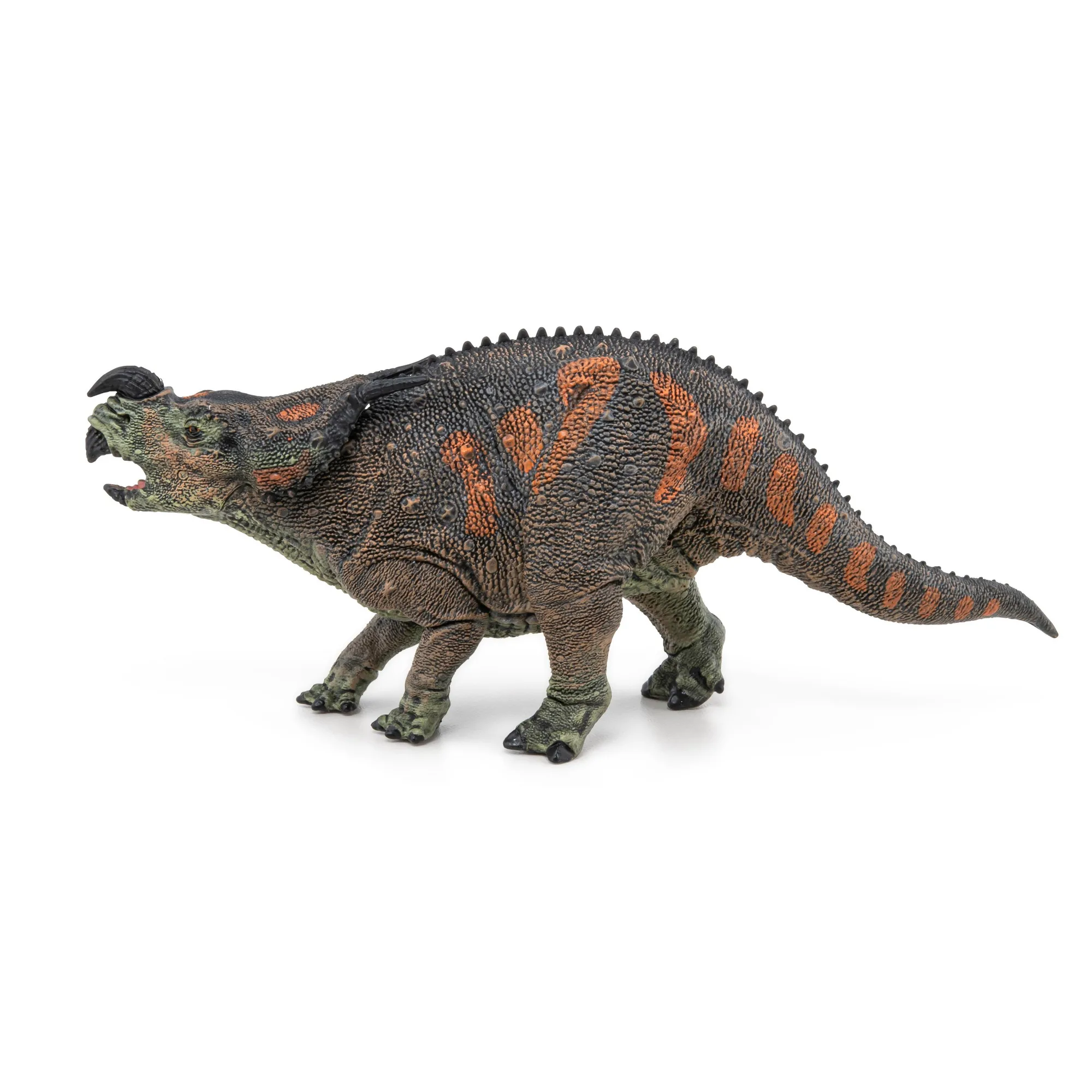
Figurine Einiosaure
-
Figurine Dimétrodon: Le Dimétrodon est un reptile préhistorique qui vivait bien avant les dinosaures, il y a environ 280 millions d’années. Il se reconnaît à sa grande voile dorsale formée par de hautes épines. This identifies the Dimetrodon figurine by its sail and Permian age, setting it apart from true dinosaurs.