Quick Answer
Use the padded stick for agitation and drive-building at a distance, and the two handled bite wedge for close-range grip and control work. The stick lets you stay mobile and animate the chase; the wedge gives the dog a stable, full-mouth target for targeting and outs. Many IGP handlers carry both because they solve different problems.
What Each Tool Is Actually For
A padded stick is a long, flexible baton with a padded cover. In agitation dog work, it extends your reach so you can tap, tease, and move without crowding the dog. It's a driving tool: you use it to trigger the chase, build intensity, and reward commitment with a bite on the pad. Because it's light and whippy, the dog learns to track movement and strike a moving target.
A two handled bite wedge is a short, thick, pillow-shaped target with handles at each end. It's a gripping tool: the dog bites across the full width, which encourages a deep, calm, full-mouth grip. The two handles let you hold it low and steady, or rotate it slightly to test the dog's grip without losing control. It's the tool you reach for when you want to shape the bite itself, not just the drive.
How the Choice Changes Your Training Session
If you're working on speed, commitment, and the dog's willingness to engage a moving target, the padded stick keeps the session alive. You can stay on your feet, change direction, and let the dog win the pad. That movement is the reward.
If you're working on grip quality, targeting, and the out, the bite wedge slows everything down. The dog can't chase it far, so the focus shifts to how the dog holds and releases. Use the wedge when you want to see and correct the details of the bite. Use the stick when you want to build the dog's desire to get there in the first place.
Practical Setup and Safety Notes
Both tools demand clean handling. With the padded stick, keep the dog from reheating on the stick itself; the pad is the reward, not the stick. With the bite wedge, watch your own posture—two handles mean you can hold it steady, but you still need to absorb the dog's weight rather than push back.
For either tool, check stitching and padding before each session. A torn pad or a loose handle can turn a training rep into an injury. If you're new to protection work, have a decoy or experienced handler watch your first few sessions so you don't accidentally teach the dog to target the wrong part of the equipment.
Trade-Offs at a Glance
- Distance and movement: The padded stick lets you work at a distance and keep the dog chasing a moving target. The bite wedge is a short-range tool that keeps the dog close. Choose the stick for drive-building; choose the wedge for close control.
- Grip focus: The bite wedge's full-width shape encourages a deep, full-mouth grip. The padded stick's narrow pad rewards a fast, committed strike but gives less feedback on grip quality. Use the wedge when the bite itself is the lesson.
- Handler skill and safety: Both tools require clean mechanics. The stick can over-arouse a dog if you don't control the reward; the wedge can put more strain on your body if you hold it wrong. Get coaching on your first sessions with either tool.
Product Facts
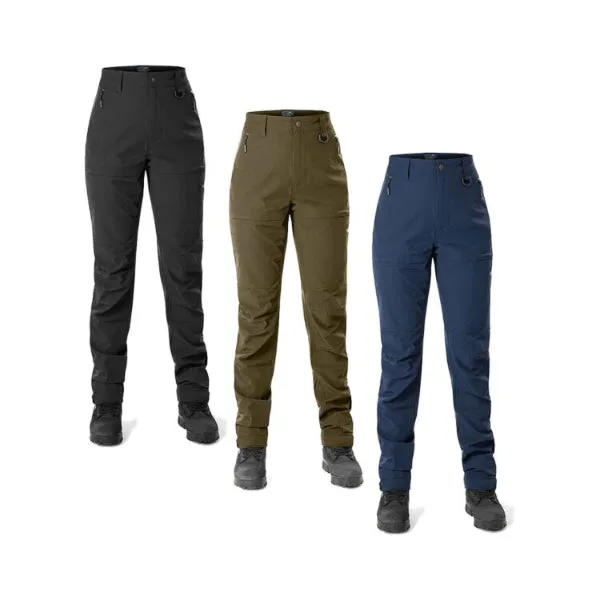
- Arrak Quick Dry Pants - Ladies: Arrak Quick Dry Pants - Ladies are made from quick-drying 4-way stretch material with boot hooks, adjustable leg ends, and zippers. If you're handling a padded stick or bite wedge outdoors, these pants give you the mobility to move with the dog and the quick-dry fabric handles warm-weather sessions.
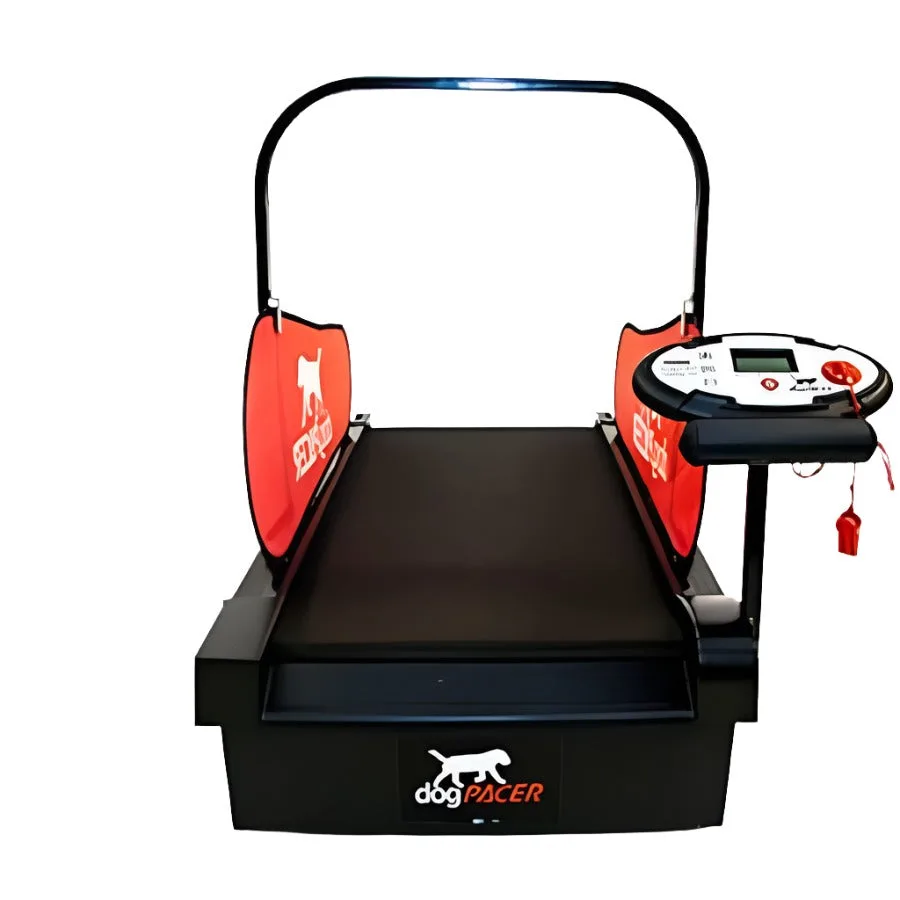
- DogPacer Treadmill: DogPacer Treadmill is an electric treadmill for dogs, in stock, with shipping quoted separately. A treadmill lets you build your dog's fitness and condition between protection sessions, which supports the stamina needed for repeated drives on the stick or wedge.
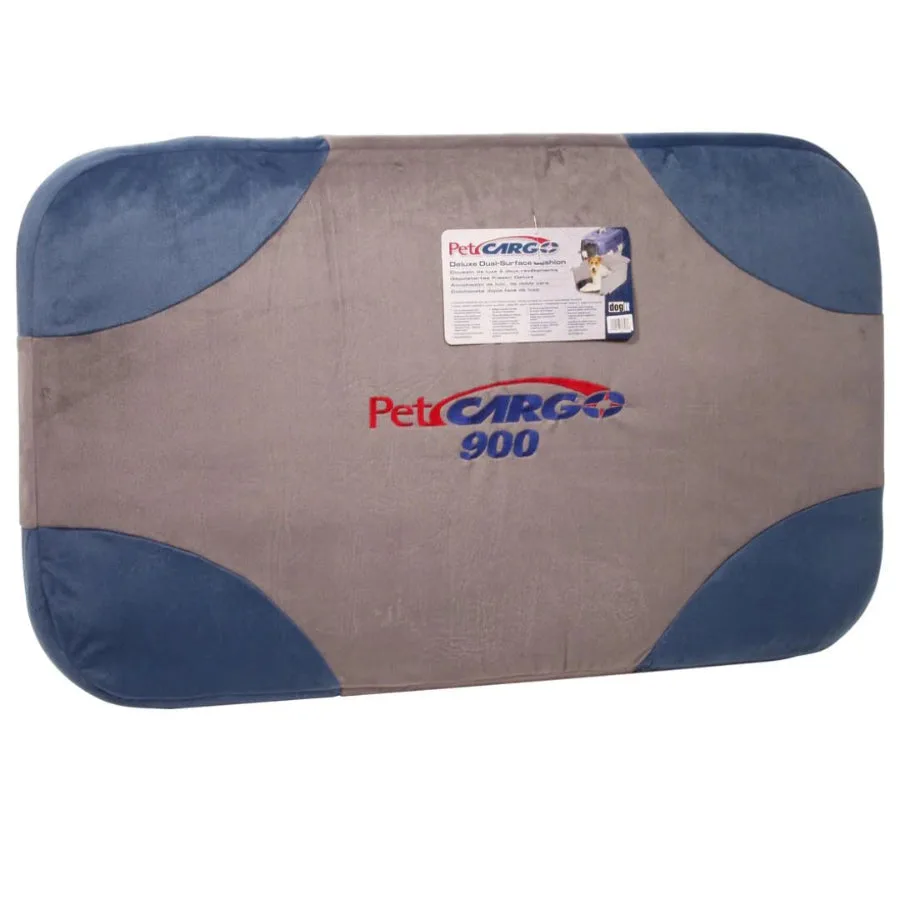
- Pet Cargo Cushion: Pet Cargo Cushion is water resistant with a removable cover and a soft velvet effect on one side. After training, give your dog a comfortable, easy-clean place to rest and recover in the crate or at home.
Which Should You Choose?
Best for
- Handlers building drive, speed, and commitment in a young or green dog
- Work that needs distance and movement, like agitation and chase games
- Adding variety to a protection session without changing the dog's grip
Not for
- Detailed grip and out work where you need a stable, full-mouth target
- Handlers who can't yet read when a dog is reheating on the equipment
- Anyone looking for a single tool to cover both drive and grip—most teams need both