Quick answer
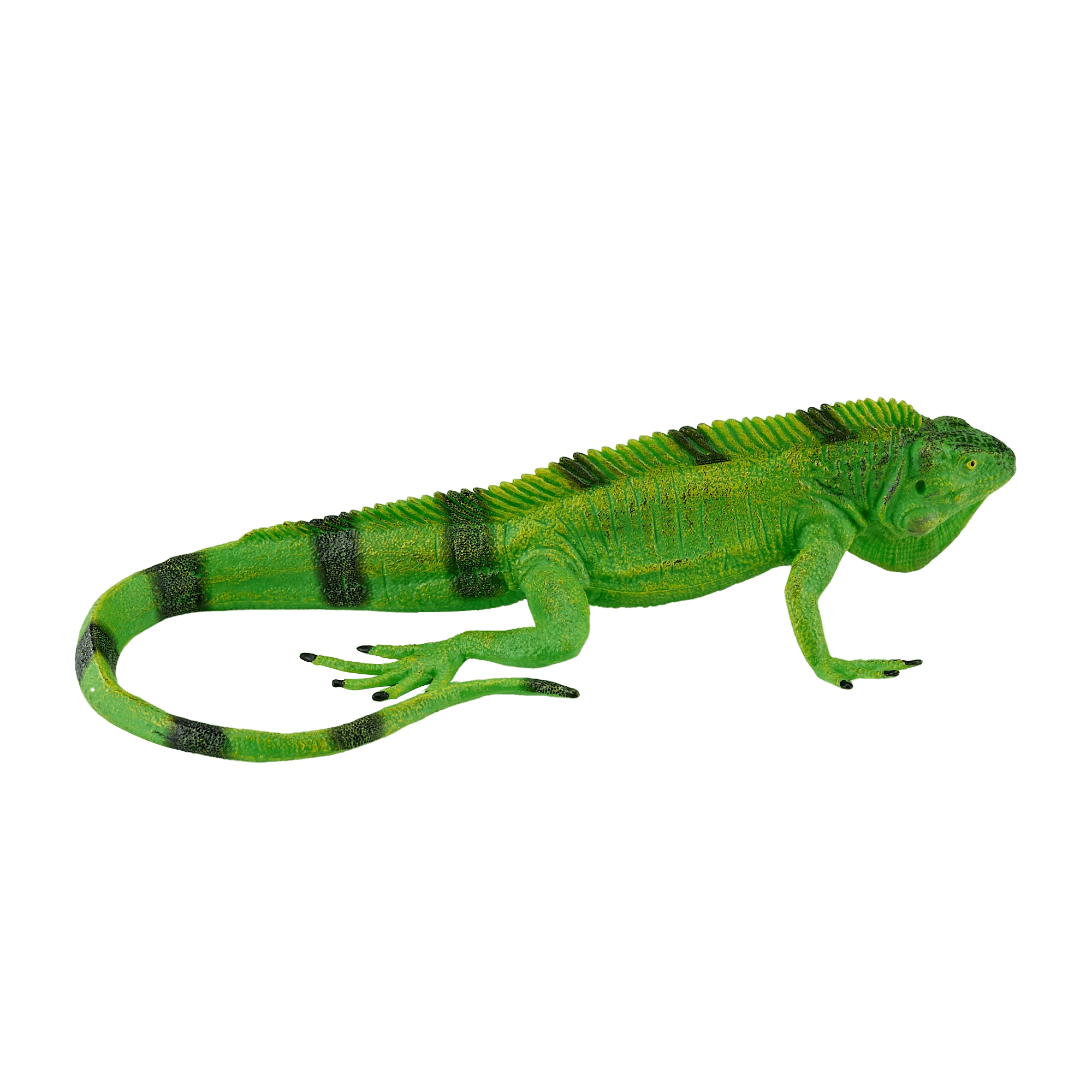
For a realistic iguana toy that works for both display and learning, start with a hand-painted figure that has sculpted scales, a natural resting pose, and a size that fits your shelf or habitat setup. If you want a single versatile pick, the Mojo Fun Iguana delivers vibrant color and fine sculpt detail at a collector-friendly price.
Measure your space before you choose a size
Iguana figurines are often judged by length, but the number that matters most is how much flat surface the figure needs. A stretched-out lizard takes more shelf depth than a coiled or climbing pose. Measure the depth of your shelf, tank, or classroom tray first, then pick a pose that fits that footprint. If you are building a mixed reptile display, keep the iguana roughly in scale with nearby figures so the group reads as one scene rather than a jumble of sizes.
- Shelf display: leave at least 2-3 inches of clearance around the tail so it does not overhang.
- Classroom tray: choose a pose that sits flat and will not roll when students handle it.
- Habitat diorama: match the iguana to the scale of your plants and rocks, not just to other animals.
Pose and stance: resting, climbing, or alert
A realistic iguana toy should look like it is doing something. Resting poses with the legs tucked are stable and easy to dust, while climbing or head-raised poses add drama but can be top-heavy. Check whether the figure stands on its own without a base. If it tips, it is better suited to a shelf than to active play. For kids, a low, wide stance survives drops better; for collectors, a raised head and open mouth often photograph better.
- Resting pose: best for young kids and for figures that will be handled often.
- Climbing pose: best for dioramas and shelf scenes where the figure can lean on something.
- Alert pose: best for photography and for showing the iguana's characteristic dewlap and spines.
Paint detail and material: what to look for
Hand-painted figures vary more than molded ones, so look at how the markings are applied. Good paint follows the sculpted scales rather than sitting in flat patches. Check the eye, the dewlap, and the tail bands, since those are the areas where cheap paint jobs show first. Solid PVC and similar materials feel heavier and hold detail better than hollow plastic, but they also cost more. If a listing does not state the material or dimensions, treat that as a limitation and ask before buying.
- Look for paint that highlights scale texture instead of covering it.
- Check the tail and toes for flashing or seams left from the mold.
- Ask for exact length and height if the listing only gives a generic size.
Display and care tips that keep the figure looking new
Keep iguana figures out of direct sunlight, which can fade hand-painted greens and yellows over time. Dust with a soft dry brush rather than a damp cloth, since water can work into seams and loosen paint. For classroom use, store the figure in a padded bin between lessons so the tail and spines do not bend. If the figure is going into a terrarium with live plants, place it on a dry rock or ledge rather than in the substrate, where moisture and soil can dull the finish.
- Dust weekly with a soft brush to prevent buildup in the scale grooves.
- Avoid harsh cleaners, alcohol, and hot water.
- Rotate display position occasionally so one side does not fade unevenly.
Decision rules for choosing an iguana figure
- If the figure is for a child under 6: Choose a resting pose with a wide, stable base and no thin, snap-prone spines. Avoid climbing poses that tip over easily. Stability beats drama for young kids.
- If the figure is for a shelf or collector display: Prioritize hand-painted scale detail and a natural alert or climbing pose. Check that the tail does not overhang your shelf depth. Paint quality and pose read best at eye level.
- If the figure is for a classroom or nature table: Pick a size that is easy to pass around and a finish that can be wiped clean. Confirm the material and dimensions before buying if the listing is vague. Durability and clear size specs matter more than extra detail.
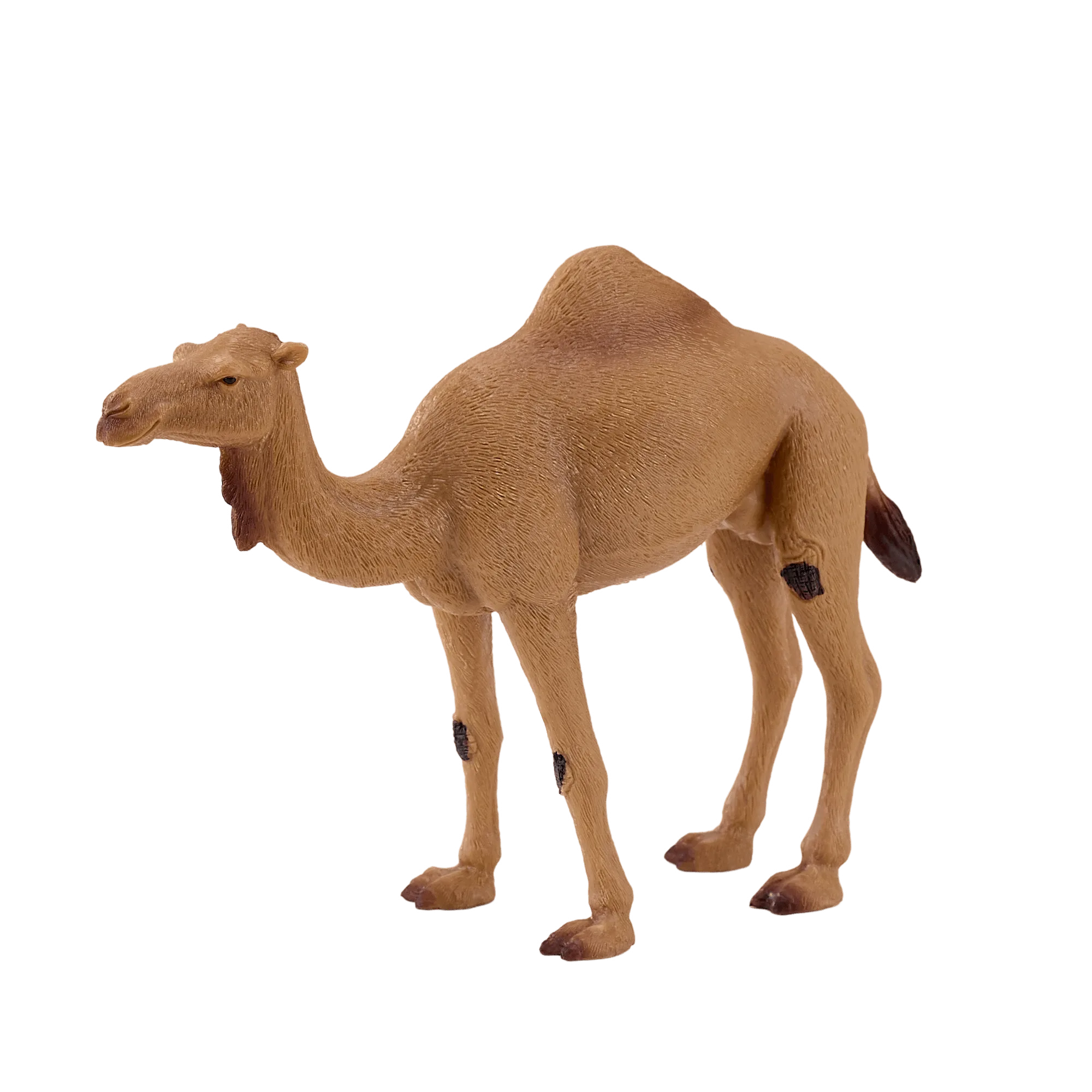
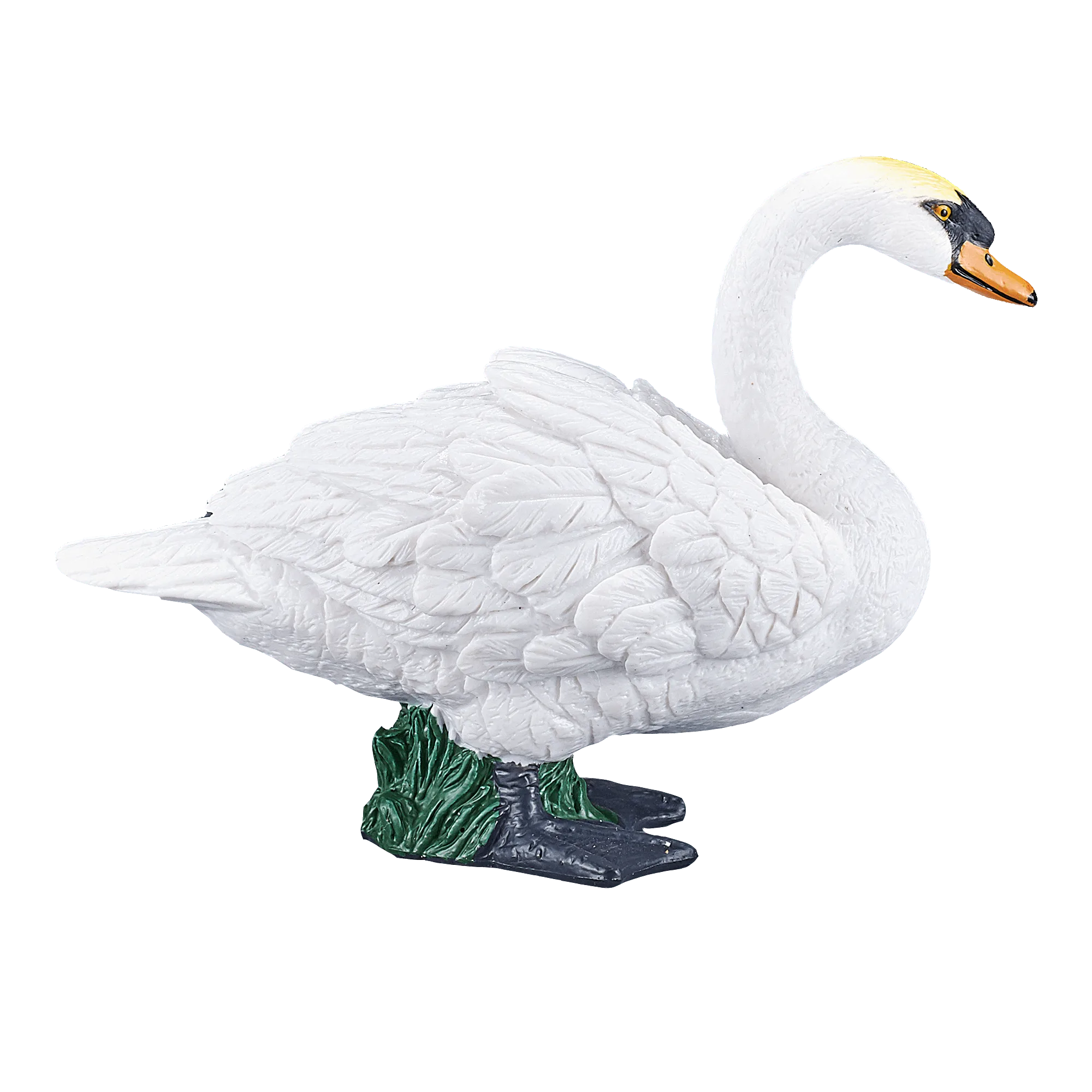
- If the figure is for a mixed habitat diorama: Match the iguana's scale to your plants and rocks, and consider adding a contrasting species such as the Mute Swan or Arabian Camel to show different adaptations. Scale consistency makes the whole scene believable.
Iguana figure facts
- Iguana: Vibrantly colored iguana figure, carefully hand-painted to highlight its natural markings and textures. Hand-painted markings make the figure read as a realistic iguana toy rather than a generic green lizard, which matters for classroom demonstrations and reptile collections.
- Mute Swan: Swans have many adaptations in order to successfully survive life on the water such as their streamline body shape, long neck and weed feet. If you are building a mixed animal or habitat display, a water-adapted bird figure like the Mute Swan contrasts nicely with a dry-land reptile and helps show how body shape fits environment.
- Arabian Camel: Camels are not only hardy, desert animals because they can survive without water for up to 10 months providing they find food, but their relatively slow-paced lifestyle means that they can also travel vast distances (sometimes more than 30km) in just one day, whilst carrying a load that could exceed 200kg. Pairing an iguana with a desert-adapted figure like the Arabian Camel gives kids a concrete comparison between two very different reptile and mammal survival strategies.
Who should buy this iguana figure
Best for
- Collectors building a reptile or tropical-themed display
- Teachers and parents using figures for hands-on animal lessons
- Kids who want a realistic iguana toy for pretend play and habitat setups
Not for
- Children under 3, because small figure parts can be a choking hazard
- Buyers who need an oversized or life-size iguana model
- Outdoor play where the figure will be left in sun, water, or dirt for long periods