Quick Answer
An IK10 rating means the camera housing has been tested to withstand a 5-joule impact, roughly the force of a 5 kg object dropped from 10 cm. This makes it significantly more resistant to deliberate vandalism than standard cameras, which lack such certified impact protection. For high-risk areas, choose a camera with an IK10 rating; for most homes, a standard camera may be sufficient.
When you're shopping for security cameras, you might see the term 'IK10' and wonder what it really means. Is it just marketing, or does it actually make a difference? Understanding the IK rating system is key to choosing the right camera for your property, especially if you're concerned about vandalism.
In this article, we'll break down the IK10 rating, compare it to standard cameras, and help you decide which type you need. We'll also look at some Lorex cameras that offer this level of protection.
What Is an IK Rating?
IK ratings are an international standard (IEC 62262) that classifies the degree of protection provided by enclosures against external mechanical impacts. The scale ranges from IK00 (no protection) to IK10 (highest protection). Each level corresponds to a specific impact energy measured in joules.
An IK10 rating specifically means the camera housing can withstand a 5-joule impact. To put that in perspective, that's roughly the energy of a 5 kg (11 lb) object dropped from a height of 10 cm (about 4 inches). This is not just a cosmetic bump; it's a tested level of resistance designed to deter vandals.
- IK10 is the highest rating in the standard, offering the most impact resistance.
- Standard cameras typically have lower or no IK rating, making them more vulnerable to deliberate damage.
IK10 vs Standard Cameras: The Real Difference
The main difference between an IK10-rated camera and a standard one is the housing's ability to withstand impact. Standard cameras are built for normal wear and tear, but they can be easily damaged by a thrown rock or a deliberate strike. An IK10-rated camera, on the other hand, is designed to survive such attacks, keeping your surveillance system operational when you need it most.
This durability comes at a cost. IK10-rated cameras often have a more robust, sometimes bulkier design, and they may be priced higher than standard models. However, for areas prone to vandalism—such as commercial properties, parking lots, or ground-level installations—the extra protection is often worth the investment.
- Consider the environment: high-risk areas benefit most from IK10-rated cameras.
- Standard cameras are usually more discreet and cost-effective for low-risk residential settings.
Myth: IK10 Means 'Vandal Proof'
A common misconception is that an IK10 rating makes a camera 'vandal proof'—meaning it's impossible to damage. That's not true. IK10 indicates a high level of impact resistance, but it doesn't guarantee indestructibility. A determined vandal with the right tools could still cause damage. Think of it as a strong deterrent, not an absolute guarantee.
The term 'vandal resistant' is more accurate. It means the camera is built to withstand common acts of vandalism, like throwing objects or hitting it with a bat. This is a practical level of protection that can save you from costly replacements and downtime.
- IK10 is about impact resistance, not total invulnerability.
- Use IK10-rated cameras as part of a broader security strategy, including proper placement and lighting.
Verdicts on Common IK10 Claims
- Claim: IK10 means the camera is indestructible: False. IK10 indicates high impact resistance but not total invulnerability. A determined attacker could still cause damage. Treat IK10 as a strong deterrent, not a guarantee.
- Claim: Standard cameras are always a bad choice: False. For low-risk residential areas, standard cameras offer good value and adequate protection. They are often more discreet and cost-effective. Assess your risk level before choosing.
- Claim: Active deterrence is a good alternative to IK10: True. Features like lighting and sirens can prevent vandalism by scaring off potential offenders. This can be a valuable complement to impact resistance. Consider cameras with active deterrence for a layered security approach.
Lorex Cameras and Impact Resistance
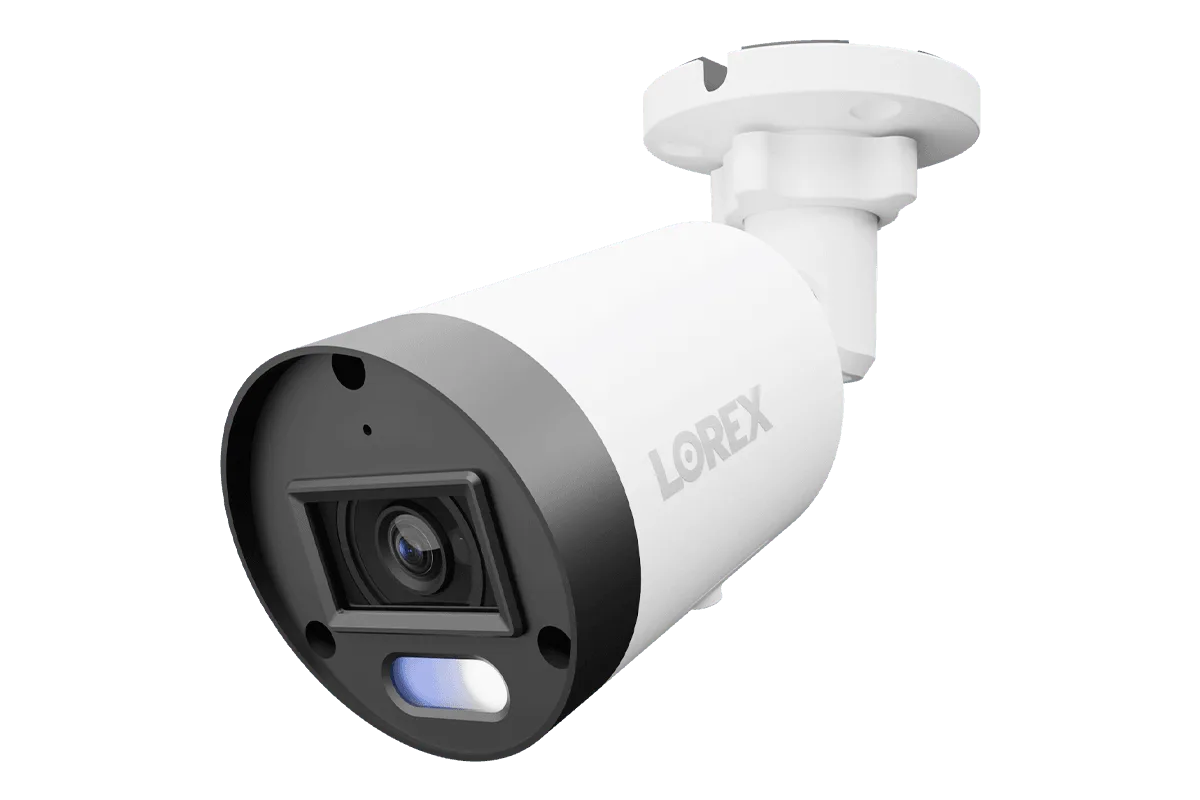
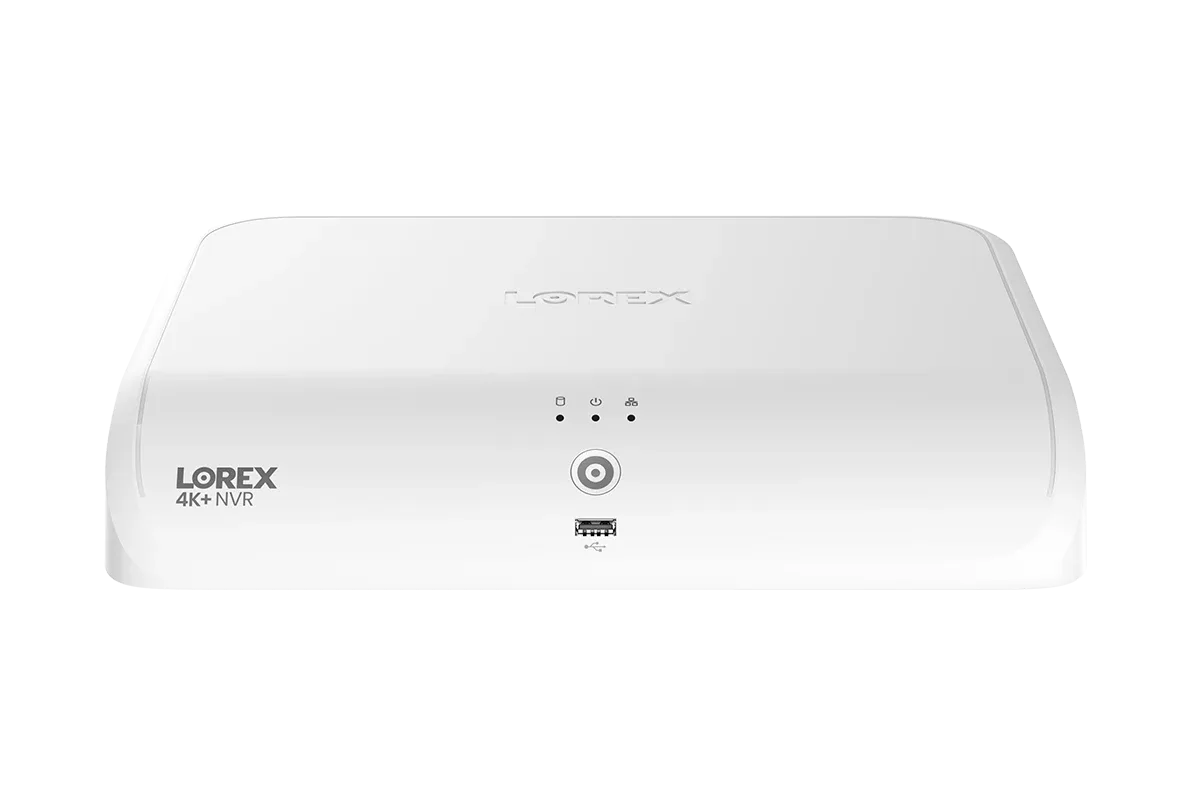
- https://gadgetguardai.shop/products/lorex-a14-4k-ip-wired-bullet-security-camera-with-listen-in-audio-and-smart-218088Lorex A14 4K IP Wired Bullet Security Camera with Listen-In Audio and Smart Motion Detection: This wired bullet camera delivers reliable surveillance with 4K resolution, listen-in audio, and smart motion detection. It's designed for fixed outdoor or indoor placement. The A14 is a standard camera without an IK10 rating, making it a good choice for areas where vandalism isn't a primary concern. Its 4K clarity helps identify people and objects, and the wired connection ensures stable operation.
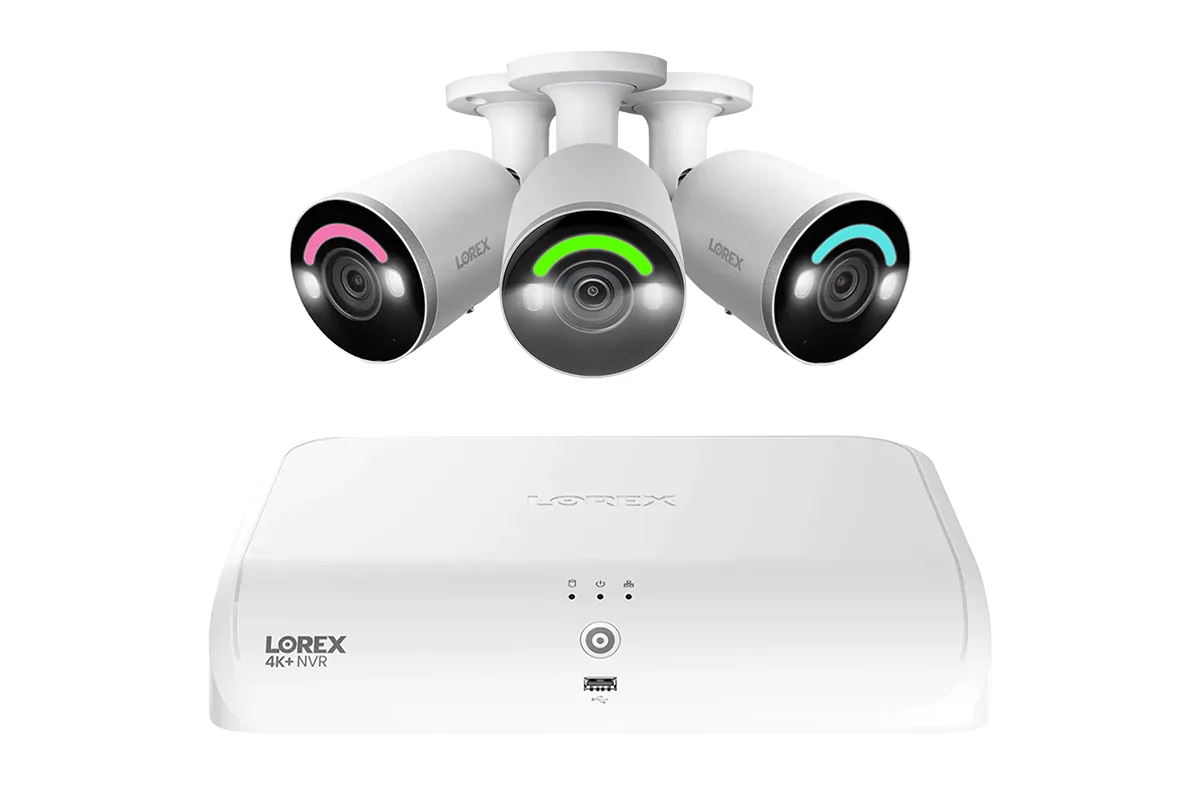
- Lorex Connect X3 4K Motorized Varifocal PoE Bullet Camera with Active Deterrence - Black/White: This camera delivers sharp 4K video day or night with the flexibility to remotely zoom in on distant areas. It also features active deterrence with lighting and a warning siren. While the Connect X3 is not explicitly rated as IK10, its active deterrence features—lighting and a siren—can prevent incidents before they escalate. This proactive approach can be just as effective as impact resistance in discouraging vandals.
Understanding IK10 ratings helps you make an informed choice. For high-risk areas, look for cameras with a certified IK10 rating. For typical homes, standard cameras like the Lorex A14 offer solid performance. And don't overlook active deterrence features, like those on the Lorex Connect X3, which can prevent incidents before they happen. Evaluate your specific needs and choose accordingly.