What the Immune Support Stack Actually Contains
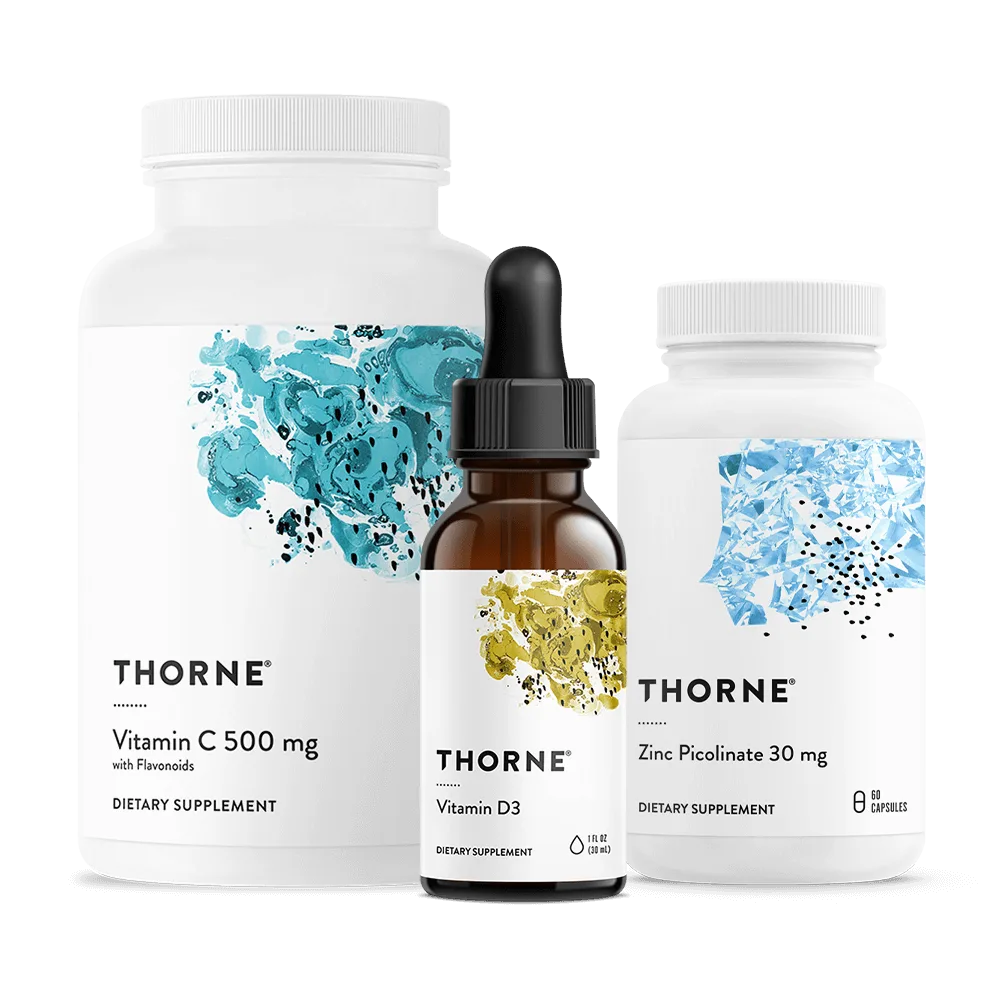
The Immune Support Stack bundles three single-ingredient products rather than a proprietary blend: Zinc Picolinate 30 mg (180 capsules), Vitamin D Liquid, and Vitamin C with Flavonoids. That structure matters for a buying decision because you can see each component and its suggested use separately, and you can adjust how you take them independently.
The catalog positions the stack for immune function support during high stress, seasonal changes, and when you are not feeling your best. That is a broad framing, not a promise of a specific outcome. The individual product records supply the concrete instructions you need to build a routine.
The three components and their suggested use
-
Immune Support Stack: Zinc Picolinate 30 mg (180's): take 1 capsule daily or as recommended by your health professional. A single daily capsule is the simplest part of the stack to schedule; the 180-count bottle covers roughly six months at that pace.
Immune Support Stack
-
Immune Support Stack: Vitamin D Liquid: take 2 drops one to three times daily or as recommended by your health professional; invert the bottle to dispense individual drops, and it may be added to food or mixed in beverages. The drop format and flexible frequency give you room to fit vitamin D around meals, which matters if you prefer not to swallow another capsule.
-
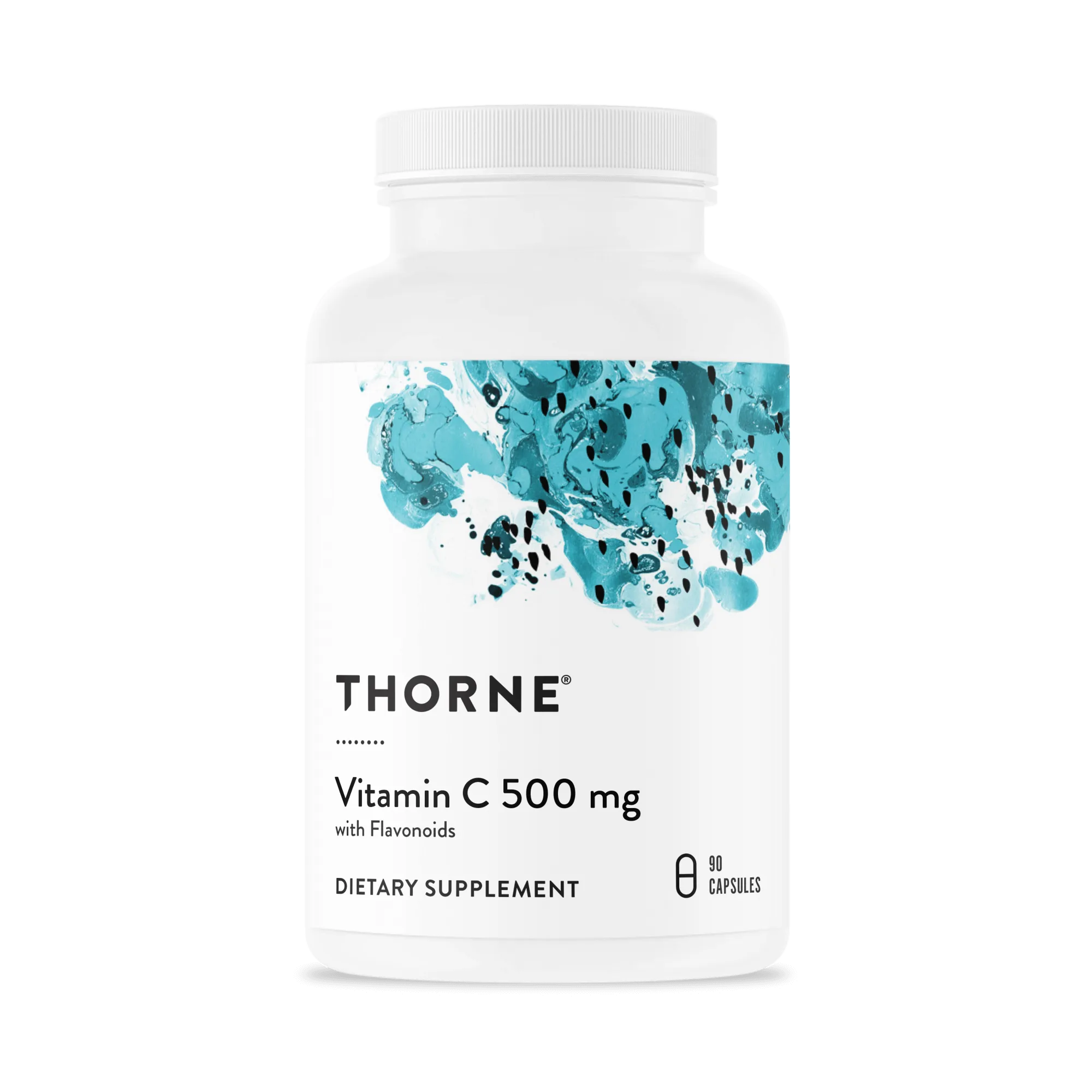
Immune Support Stack: Vitamin C with Flavonoids: take 1 capsule one to three times daily or as recommended by your health professional. The one-to-three-capsule range is the widest in the stack, so this is the component most likely to need a conversation with your health professional about what fits you.
Why a Three-Product Stack Can Beat a Single Blend
A blend locks every ingredient into one capsule, so you cannot change the zinc dose without changing the vitamin C dose. The Immune Support Stack keeps them separate. If your health professional adjusts one component, you adjust that bottle only.
The trade-off is pill count and routine complexity. At the higher end of the suggested ranges, you could be taking one zinc capsule, up to three vitamin C capsules, and up to six vitamin D drops per day. That is manageable, but it is more moving parts than a single daily capsule. If you know you will not keep up with a multi-part routine, a simpler format may serve you better even if it offers less flexibility.
Where the stack fits and where it does not
- Good fit: you want visible, separate ingredients: The stack lets you see exactly what you are taking and adjust each component with your health professional rather than accepting a fixed blend.
- Good fit: you already take vitamin D or vitamin C separately: Because the components are individual products, you can compare them against what you already use and avoid duplicating a bottle you already own.
- Less ideal: you want one capsule per day: The stack involves three products and a variable number of capsules and drops. A single-ingredient product may be easier to sustain.
- Less ideal: you need a specific dose confirmed before buying: The supplied records give suggested-use ranges and direct you to a health professional for individual recommendations. They do not provide a personal dosing protocol, and this article cannot supply one.
The Storage Detail That Is Easy to Miss
The supplied product record includes one explicit handling instruction: do not refrigerate. That is worth noting because liquid vitamin D is the kind of product people instinctively move to the fridge. Keep the stack at room temperature as directed and check the label on each bottle for any additional storage guidance.
The supplied record does not list preparation steps beyond inverting the vitamin D bottle to dispense drops. If you are unsure how to combine the three products for your situation, the suggested-use lines all point to the same place: your health professional.
A simple way to trial the stack for a season
- 1. Start with the label, not a social-media routine: Read the suggested use for each of the three products and note the ranges. The zinc is one capsule daily; vitamin D is 2 drops one to three times daily; vitamin C is one capsule one to three times daily.
- 2. Pick the lowest end of each range first: The records allow a range, and starting at the low end keeps the routine simple while you establish the habit. Any change beyond the label belongs in a conversation with your health professional.
- 3. Anchor the components to meals you already eat: Vitamin D can be added to food or mixed into beverages, which makes it the easiest component to attach to breakfast. Zinc and vitamin C are capsules, so pair them with a meal you reliably sit down for.
- 4. Keep the bottles together and out of the fridge: The do-not-refrigerate instruction applies to the supplied record. A single visible spot reduces the chance that one component quietly drops out of the routine.
- 5. Review before the season changes again: The stack is framed around seasonal changes and high-stress periods. Reassess with your health professional whether the routine still fits when that period ends.
What the Supplied Information Does Not Tell You
The records do not include a personal dosing recommendation, a duration for use, or a list of interactions. They also do not confirm suitability for pregnancy, nursing, children, or people taking prescription medication. Vitamin D Liquid is described as easy supplementation for adults and children, but that is a format description, not a dosing instruction for a child.
Treat those gaps as reasons to ask rather than reasons to guess. The stack's value is that its components are transparent and adjustable; use that transparency with a health professional rather than as a substitute for one.