When you pick up a deck of playing cards, the first thing you notice is the feel. That subtle heft, the way the cards flex, and the crisp snap as you riffle them—these sensations are largely determined by one crucial factor: card thickness. Whether you're a cardist, magician, poker player, or collector, understanding playing card thickness can transform your experience.
In this guide, we'll dive deep into how card thickness affects handling and durability, helping you make informed choices for your next deck. We'll explore the science behind card stock, compare thick and thin options, and highlight some popular decks that showcase different thickness profiles.
What Is Playing Card Thickness?
Playing card thickness is measured in microns (or points, where 1 point = 0.001 inch). Standard playing cards typically range from 0.25mm to 0.35mm (about 10 to 14 points). The thickness is determined by the number of layers of paper or plastic fused together, as well as the quality of the stock.
Thicker cards are often associated with premium feel and durability, while thinner cards may be more flexible and easier to shuffle. But thickness isn't the only factor—the finish, material (paper vs. plastic), and manufacturing process also play significant roles. In the world of cardistry and magic, thickness can make or break a deck's performance.
- Standard poker cards: ~0.3mm
- Bridge cards: slightly narrower, often same thickness
- Premium cardistry decks: often thicker for better control
How Thickness Affects Handling
Handling is the most immediate impact of card thickness. Thicker cards feel sturdier and offer more resistance, which can be beneficial for certain cardistry moves like springs and fans. They also tend to have a more satisfying snap when riffled. However, they can be harder to shuffle for beginners and may not slide as smoothly over each other.
Thinner cards, on the other hand, are more flexible and allow for easier faro shuffles and intricate sleights. They often have a softer feel that many magicians prefer for close-up work. But they may be less forgiving in terms of bending and can show wear more quickly. Finding the right balance is key.
- Thicker cards: better for cardistry moves requiring stiffness
- Thinner cards: ideal for poker and magic where flexibility is key
- Test different thicknesses to find your preference
Thickness and Durability: The Long-Term View
Durability is another critical aspect influenced by card thickness. Thicker cards are generally more resistant to bending, creasing, and edge wear. They can withstand more abuse, making them a good choice for frequent use or travel. However, they can also be more prone to splitting if they are too stiff and not flexible enough.
Thinner cards may show signs of wear sooner, especially if they are used for aggressive cardistry or repeated riffle shuffles. Yet, many high-quality thin cards are made with durable materials like PVC or premium paper blends, which can extend their lifespan. Regular care, such as using a card clip and avoiding moisture, can also help regardless of thickness.
- Thicker cards resist bending and edge wear better
- Thinner cards may need more careful handling
- Look for quality materials even in thin cards
Comparing Thick and Thin: Popular Decks
To give you a practical sense, let's look at some decks that exemplify different thickness profiles. The Phoenix deck is known for its sturdy, thick stock that feels substantial in hand, making it a favorite among cardists who need precise control. On the other end, the Cardsicles deck offers a thinner, more flexible feel that's great for smooth shuffling and magic.
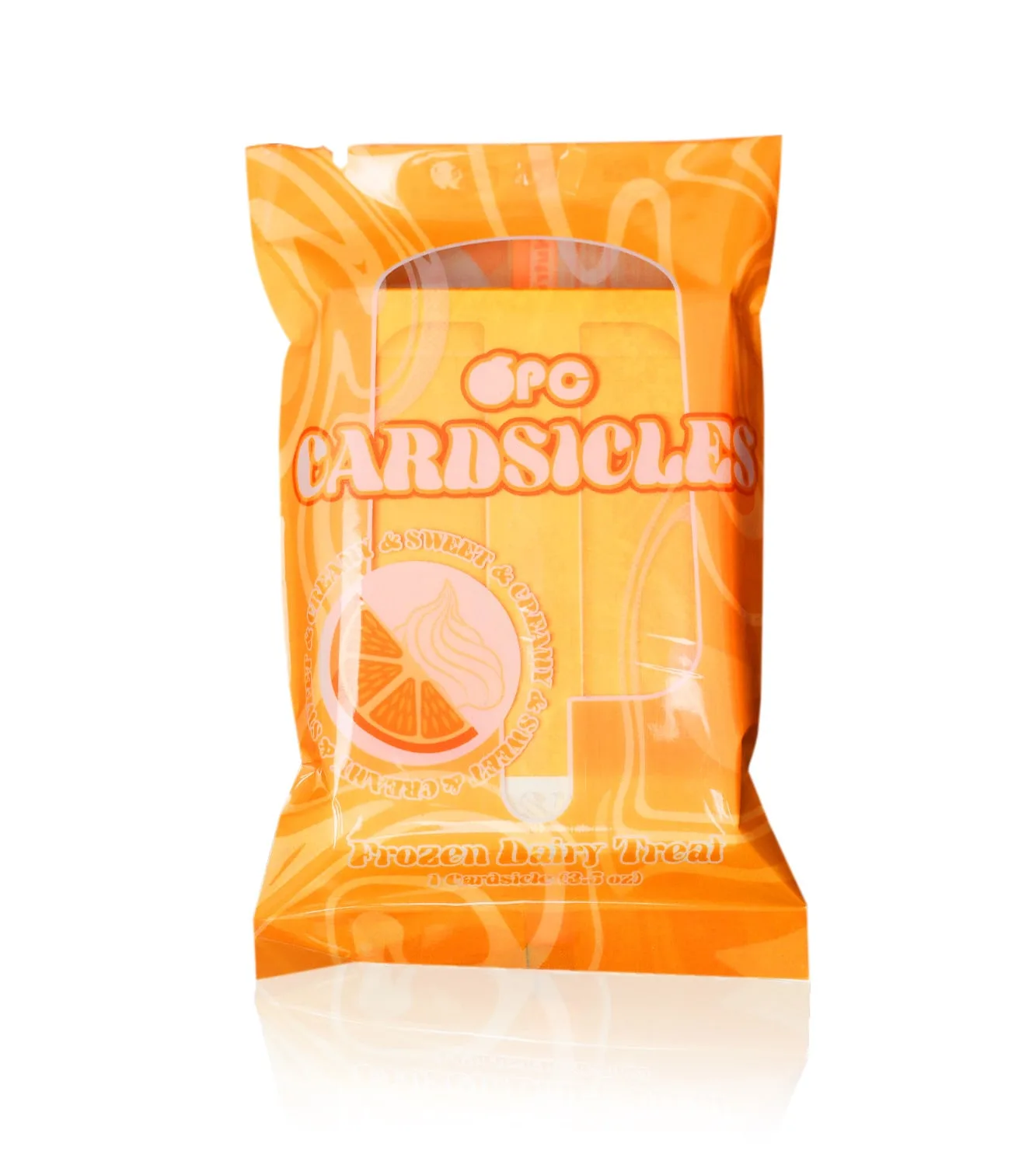
Cardsicles
Another example is the Avocardos deck, which strikes a balance between thickness and flexibility, making it versatile for both cardistry and card games. When choosing a deck, consider what you'll be doing most—if you're into cardistry, thicker might be better; if you're a magician, you might prefer thinner.
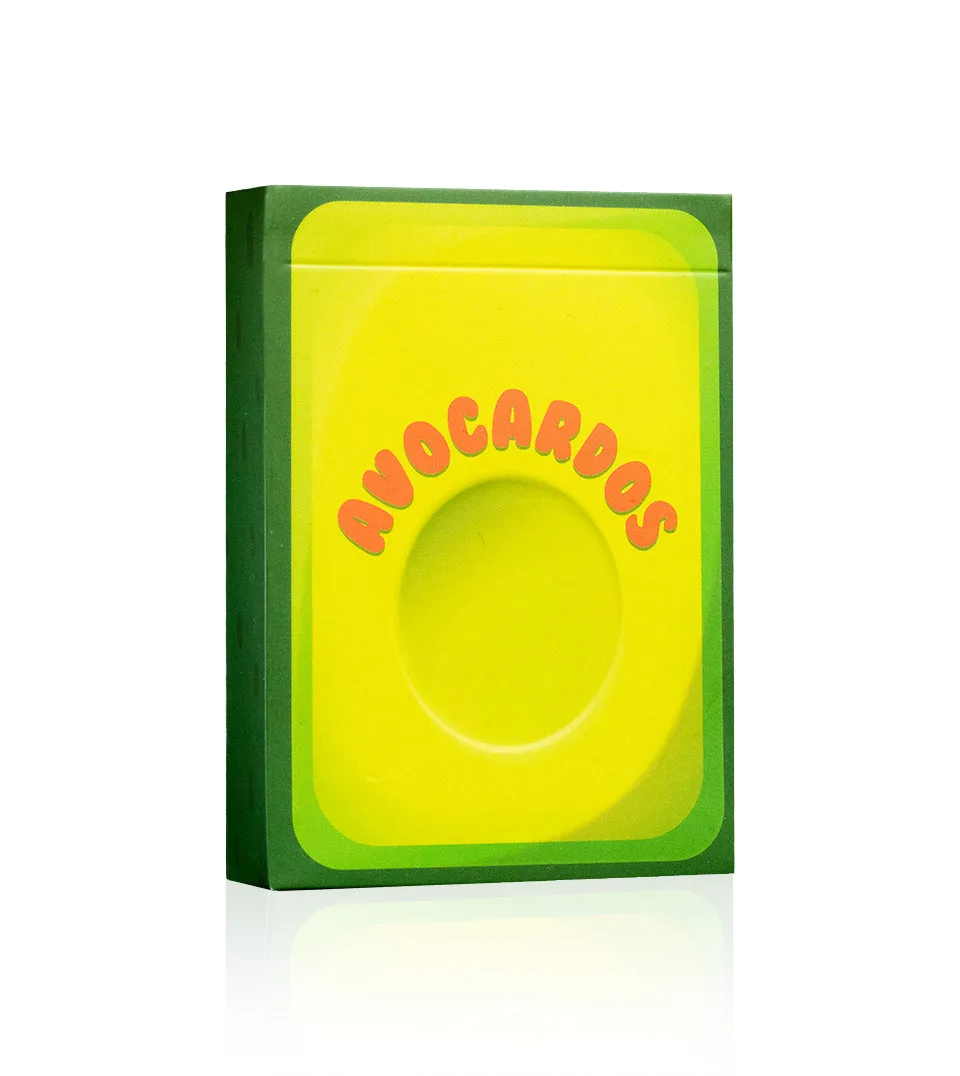
Avocardos
- Phoenix: thick and sturdy for cardistry
- Cardsicles: thin and flexible for magic
- Avocardos: balanced for all-around use
How to Choose the Right Card Thickness for You
Choosing the right card thickness ultimately comes down to personal preference and intended use. For poker nights, a standard thickness (around 0.3mm) is usually sufficient and comfortable for most players. If you're into cardistry, you might want to try a thicker deck to see if you like the added control. For magic, thinner cards often allow for smoother sleights.
Consider your skill level and comfort. Beginners may find thinner cards easier to handle, while experienced cardists often prefer thicker decks for their durability and snap. Don't be afraid to experiment with different decks to discover what feels best in your hands. Many players have a few favorites for different occasions.
- Poker: standard thickness for comfort
- Cardistry: try thick decks for control
- Magic: thin decks for flexibility
- Collectors: consider display and feel
Card thickness is a vital factor that influences how a deck feels, performs, and lasts. Whether you prefer the sturdy heft of thick cards or the nimble flexibility of thin ones, understanding these differences will help you make smarter purchases. Explore our selection at Riffle Shuffle to find the perfect deck for your style—check out the Phoenix for a thick, durable option, or the Cardsicles for a thinner, agile feel. Happy shuffling!