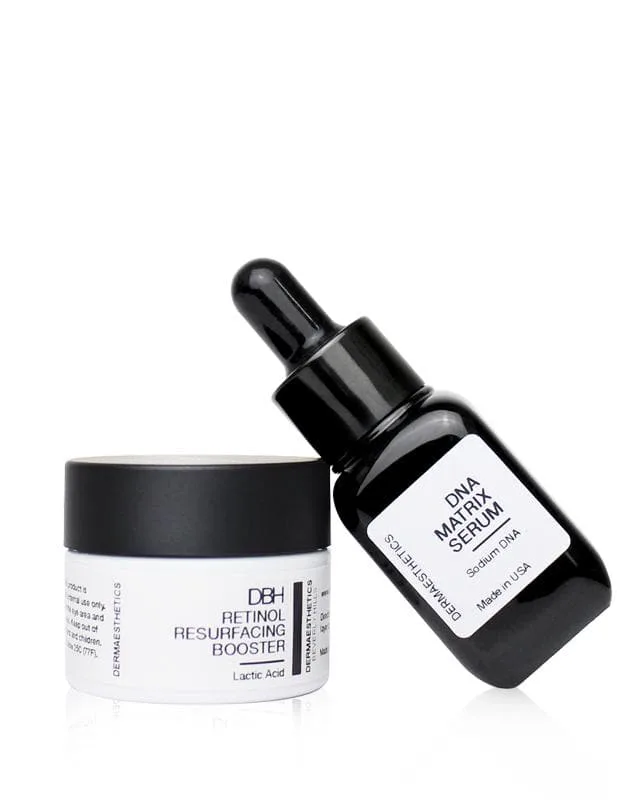
Have you ever wondered why your skin feels tight and dry after washing your face, even with a gentle cleanser? The answer might lie in pH balance. Your skin has a natural pH level—typically between 4.5 and 5.5—that is slightly acidic. This acidity is essential for maintaining a healthy skin barrier, which protects against environmental stressors, bacteria, and moisture loss. When your skincare products disrupt this balance, your skin can become irritated, dehydrated, or prone to breakouts.
Understanding pH in skincare is not just for chemistry enthusiasts; it's a fundamental aspect of a good skincare routine. In this guide, we'll explore what pH balance means for your skin, how to identify products that respect your skin's natural acidity, and practical tips to keep your skin barrier strong and resilient.
What Is Skin pH and Why Does It Matter?
pH stands for 'potential of hydrogen' and measures how acidic or alkaline a substance is on a scale from 0 to 14. A pH of 7 is neutral, below 7 is acidic, and above 7 is alkaline. Your skin's natural pH is around 5.5, which is slightly acidic. This acidity is crucial because it supports the skin's acid mantle—a thin, protective layer composed of sebum and sweat that helps keep moisture in and harmful microbes out.
When your skin's pH shifts toward alkaline (above 7), it can compromise the acid mantle, leading to a weakened skin barrier. This can result in dryness, sensitivity, redness, and an increased risk of infection. On the other hand, maintaining a slightly acidic pH helps enzymes function optimally, supports healthy cell turnover, and keeps your skin's microbiome balanced.
- The acid mantle is your skin's first line of defense against environmental damage.
- A balanced pH promotes a healthy microbiome, which is essential for clear, calm skin.
How Skincare Products Affect Your Skin's pH
Many skincare products, especially cleansers, can disrupt your skin's natural pH. Traditional bar soaps often have a pH of 9 to 11, which is highly alkaline. Using such products can strip away your skin's natural oils, leaving it feeling tight and dry. Over time, this can damage the skin barrier and exacerbate conditions like eczema or acne.
On the other hand, pH-balanced cleansers are formulated to match your skin's natural acidity, typically around 5.5. These gentle cleansers effectively remove dirt and impurities without compromising your skin's acid mantle. For example, the Green Apple Premium Cleansing Oil is an excellent choice for a pH-friendly cleansing step, as it dissolves makeup and excess sebum while maintaining your skin's delicate balance.
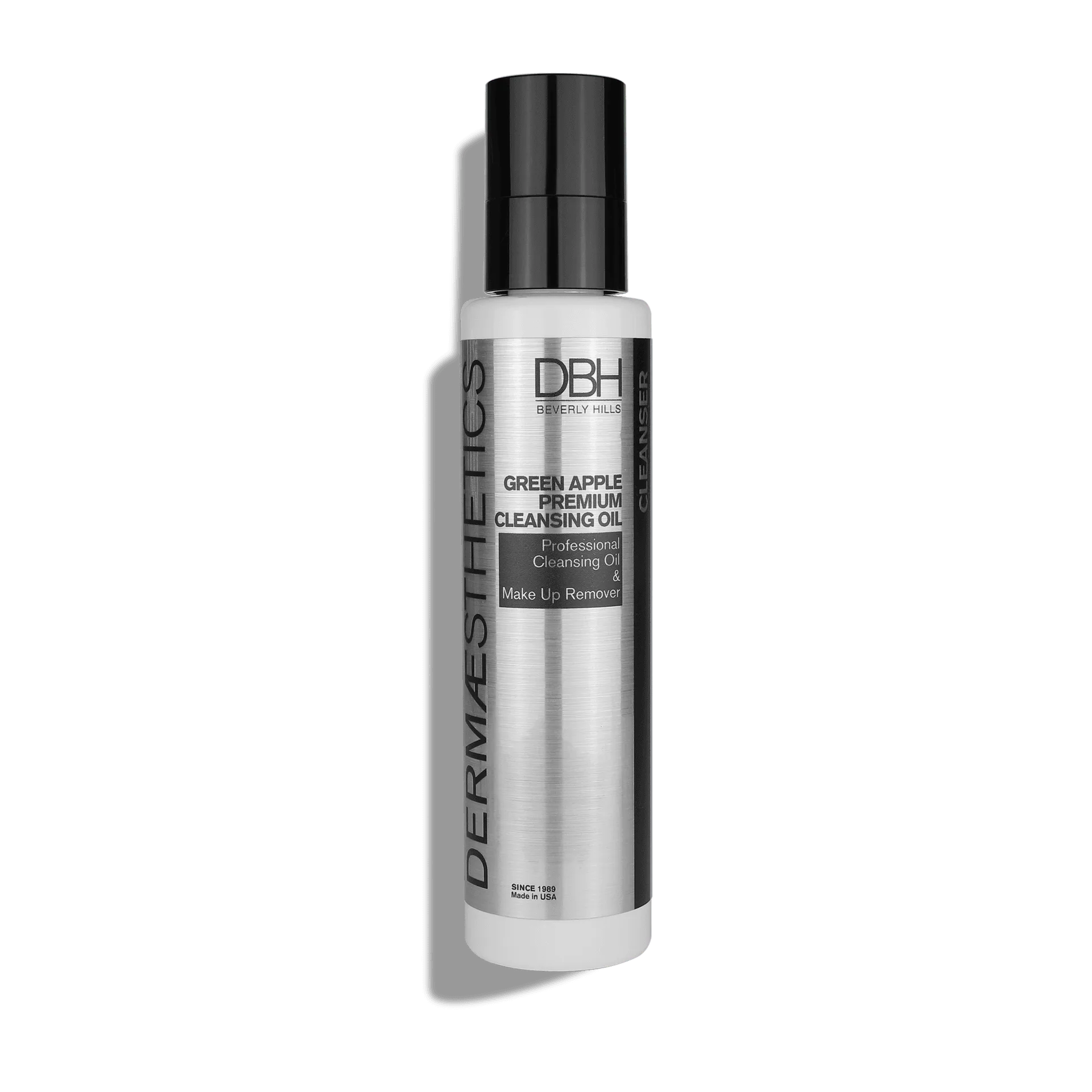
Green Apple Premium Cleansing Oil
- Always check the pH of your cleanser; aim for a pH between 4.5 and 6.5.
- Avoid harsh soaps and opt for water-soluble cleansers that are pH-balanced.
Signs Your Skin's pH Is Off Balance
If your skincare routine is disrupting your pH, your skin will send you signals. Common signs include persistent dryness, flakiness, redness, and a feeling of tightness after cleansing. You might also experience increased breakouts, because an imbalanced pH can encourage the growth of acne-causing bacteria.
Another indicator is that your skin becomes easily irritated by products that used to be fine. This can happen when your skin barrier is compromised, making it more sensitive to active ingredients. If you notice any of these signs, it's time to reassess your products and consider incorporating pH-balancing steps into your routine.
- Tightness after cleansing is a red flag that your cleanser may be too alkaline.
- If your skin stings when applying moisturizer, your barrier may be damaged.
How to Maintain a Healthy Skin pH
Maintaining your skin's pH is simpler than you might think. Start by choosing a gentle, pH-balanced cleanser. Many Korean skincare products are formulated with this in mind. For instance, the O2 Hydra Mist is a refreshing toner that helps restore your skin's pH after cleansing, thanks to its oxygenating and hydrating properties.
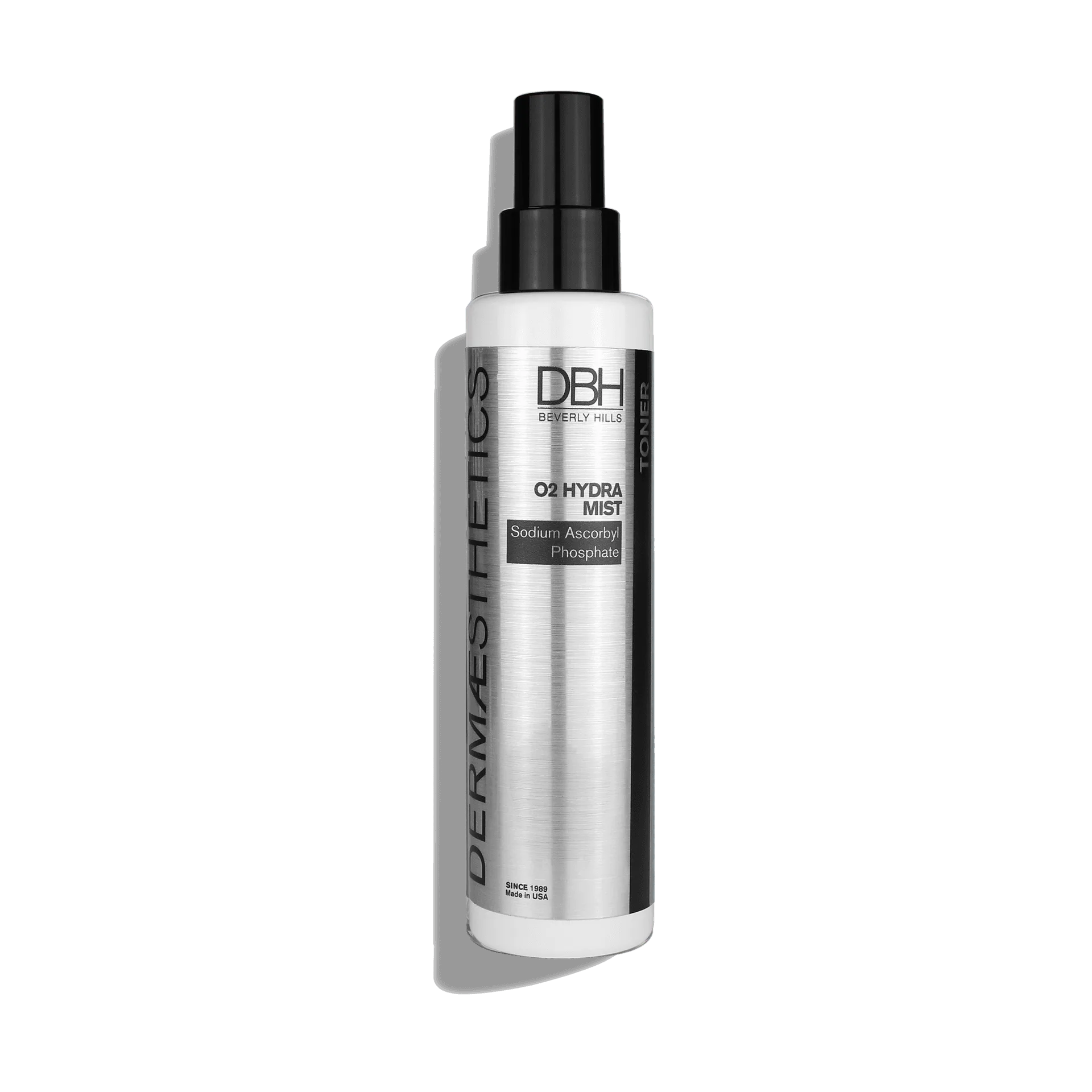
O2 Hydra Mist
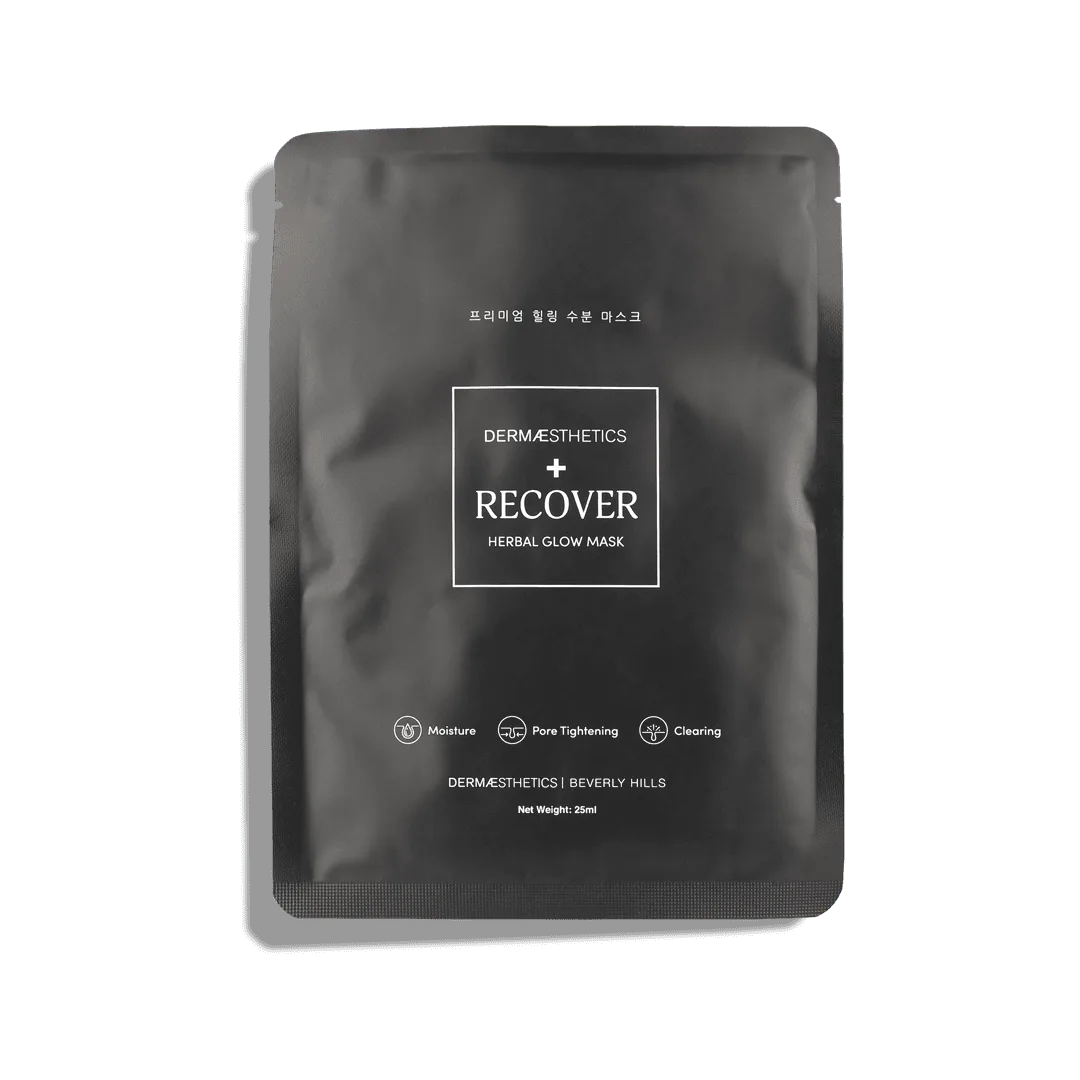
In addition, incorporating a hydrating essence or serum can support your skin barrier. Products like the Herbal Glow Recovery Mask are designed to soothe and rebalance the skin, providing a boost of moisture and antioxidants. Using such products regularly can help keep your skin's pH in the optimal range.
Finally, avoid over-washing your face. Washing more than twice a day can strip your skin of its natural oils, disrupting pH. Also, always use lukewarm water, as hot water can also disturb your skin's acid mantle.
- Use a pH-balanced toner after cleansing to rebalance your skin.
- Incorporate a weekly hydrating mask to restore moisture and calm your skin.
pH and Your Skin Type: Special Considerations
While the ideal skin pH is around 5.5, different skin types may need slight adjustments. For example, oily skin tends to have a slightly lower pH (around 4.5), which helps control bacteria. However, using overly acidic products can lead to increased oil production as your skin tries to compensate. On the other hand, dry or sensitive skin often has a higher pH, making it more vulnerable to irritation.
If you have sensitive skin, it's especially important to avoid alkaline cleansers and opt for gentle, pH-balanced formulas. Consider using a cream cleanser that won't strip your skin. For those with combination skin, balancing the pH can help manage both oily and dry areas effectively.
- Sensitive skin benefits from low-foam, pH-neutral cleansers.
- Oily skin should avoid harsh stripping cleansers that can trigger excess oil.
The Role of Exfoliants and Actives in pH Balance
Exfoliating acids like AHAs and BHAs work best at specific pH levels. For instance, AHAs are most effective at a pH of 3 to 4, while BHAs work well at a pH of 3 to 4 as well. Using these products can temporarily lower your skin's pH, which is normal. However, it's crucial to follow up with a pH-balancing toner or moisturizer to restore your skin's natural acidity.
If you use active ingredients like vitamin C, which is acidic, it's essential to ensure your skin's pH is within the right range for optimal absorption. Overusing strong actives can disrupt your skin barrier, leading to irritation. Always patch test and introduce new products gradually.
- Wait 10-15 minutes after exfoliating before applying other products to allow your pH to rebalance.
- Pair acidic actives with a soothing, pH-balancing moisturizer.
Choosing pH-Balanced Skincare Products
When shopping for skincare, look for products that explicitly state they are pH-balanced. Many Korean brands focus on this, as the philosophy of Korean skincare emphasizes maintaining a healthy skin barrier. For example, the Power Duo Anti-Aging Mini is a set that includes products formulated to support skin's natural balance while targeting signs of aging.
Additionally, consider using a pH-balancing toner after cleansing. The O2 Hydra Mist is an excellent choice, as it helps restore your skin's pH and provides a refreshing burst of hydration. Incorporating such products into your routine can make a significant difference in your skin's overall health.
- Check product labels for pH level or 'pH balanced' claims.
- Invest in a good pH-balancing toner to use after every cleanse.
Maintaining your skin's pH balance is a cornerstone of healthy, glowing skin. By choosing pH-friendly cleansers, toners, and treatments, you support your skin's natural barrier, preventing issues like dryness, sensitivity, and breakouts. Start by evaluating your current routine and make small changes, like swapping your cleanser for a pH-balanced option or adding a hydrating toner. Your skin will thank you with a calm, radiant complexion.