As a parent, you want the best for your baby's growth and development. While much attention is given to introducing solid foods, the phase before that—known as pre-feeding—is equally important. Pre-feeding products are specially designed to prepare your baby's mouth and motor skills for the exciting journey of eating. In this article, we'll explore why these tools matter, how they support developmental milestones, and which products can make a difference.
From oral motor development to sensory exploration, pre-feeding activities lay the groundwork for successful feeding. By incorporating the right tools early on, you can help your baby build strength, coordination, and confidence. Let's dive into the world of pre-feeding and discover how expert-designed products can benefit your little one.
What Are Pre-Feeding Products?
Pre-feeding products include any tools or aids that help prepare a baby for eating solid foods. They are not just about feeding—they focus on developing the muscles and skills needed for chewing, swallowing, and self-feeding. Common examples include baby-led weaning tools, sensory toothbrushes, and starter kits that introduce textures and tastes.
These products are designed for babies typically from 4 to 12 months, a critical window for oral motor development. By engaging your baby in pre-feeding activities, you can stimulate the gums, tongue, and palate, which are essential for speech and eating. Moreover, these tools often double as teething aids, providing relief while building strength.
- Look for products that are BPA-free and food-grade silicone for safety.
- Choose items that are easy to clean and sterilize to maintain hygiene.
The Role of Oral Motor Development in Feeding Readiness
Oral motor development refers to the growth and coordination of the muscles in the mouth, including the lips, tongue, and jaw. These muscles are crucial for sucking, chewing, and eventually speaking. Pre-feeding products like the Baby-LedTM Toothbrush + Tongue Depressor are specifically designed to exercise these muscles. The soft bristles and textured depressor safely massage the gums and encourage tongue movement, which is vital for swallowing and speech.
When you introduce such tools early, you help your baby practice the movements needed for eating. This not only makes the transition to solids smoother but also reduces the risk of picky eating. By building a strong foundation, you set the stage for healthy eating habits that last a lifetime.
- Incorporate oral motor exercises into daily routine to stimulate development.
- Consult your pediatrician if you have concerns about your baby's oral motor skills.
Key Pre-Feeding Products for Your Baby's Development
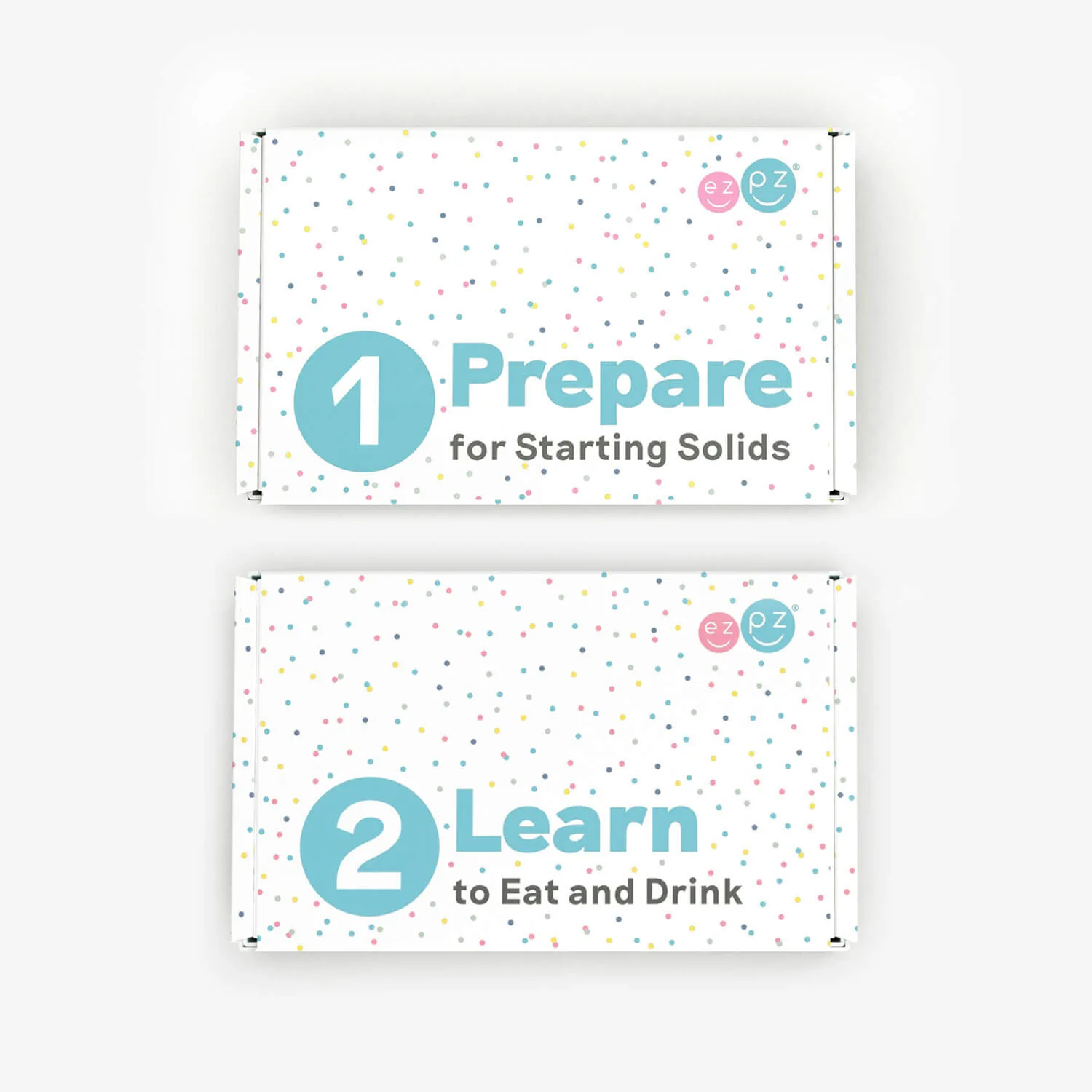
Several expert-designed products can support your baby's pre-feeding journey. The https://ezpzfunez.com/products/kit-1-prepare-for-starting-solids-5-pack-1af1c8b22b09c1ac64294d43-576975Kit 1 - Prepare for Starting Solids (5-Pack) is a comprehensive set that includes a variety of tools to introduce your baby to different textures and tastes. It comes with a guide to help you navigate this exciting phase, ensuring you cover all essential aspects of pre-feeding.
Another must-have is the Baby-LedTM Toothbrush + Tongue Depressor, which we mentioned earlier. This dual-purpose tool not only cleans your baby's mouth but also provides sensory stimulation. For a complete solution, consider the Kit 1 + Kit 2 Bundle (Baby's 1st Year), which combines pre-feeding tools with more advanced feeding products, giving you a year-long plan for your baby's development.
- Start with a pre-feeding kit to ensure you have all the essentials.
- Look for bundles that grow with your baby to maximize value.
How to Incorporate Pre-Feeding Activities into Daily Routine
Integrating pre-feeding activities into your daily routine doesn't have to be complicated. Simple actions like letting your baby explore safe, textured objects during playtime can make a big difference. Use a sensory toothbrush during bath time or after meals to clean and massage the gums. This not only promotes oral hygiene but also makes the experience enjoyable.
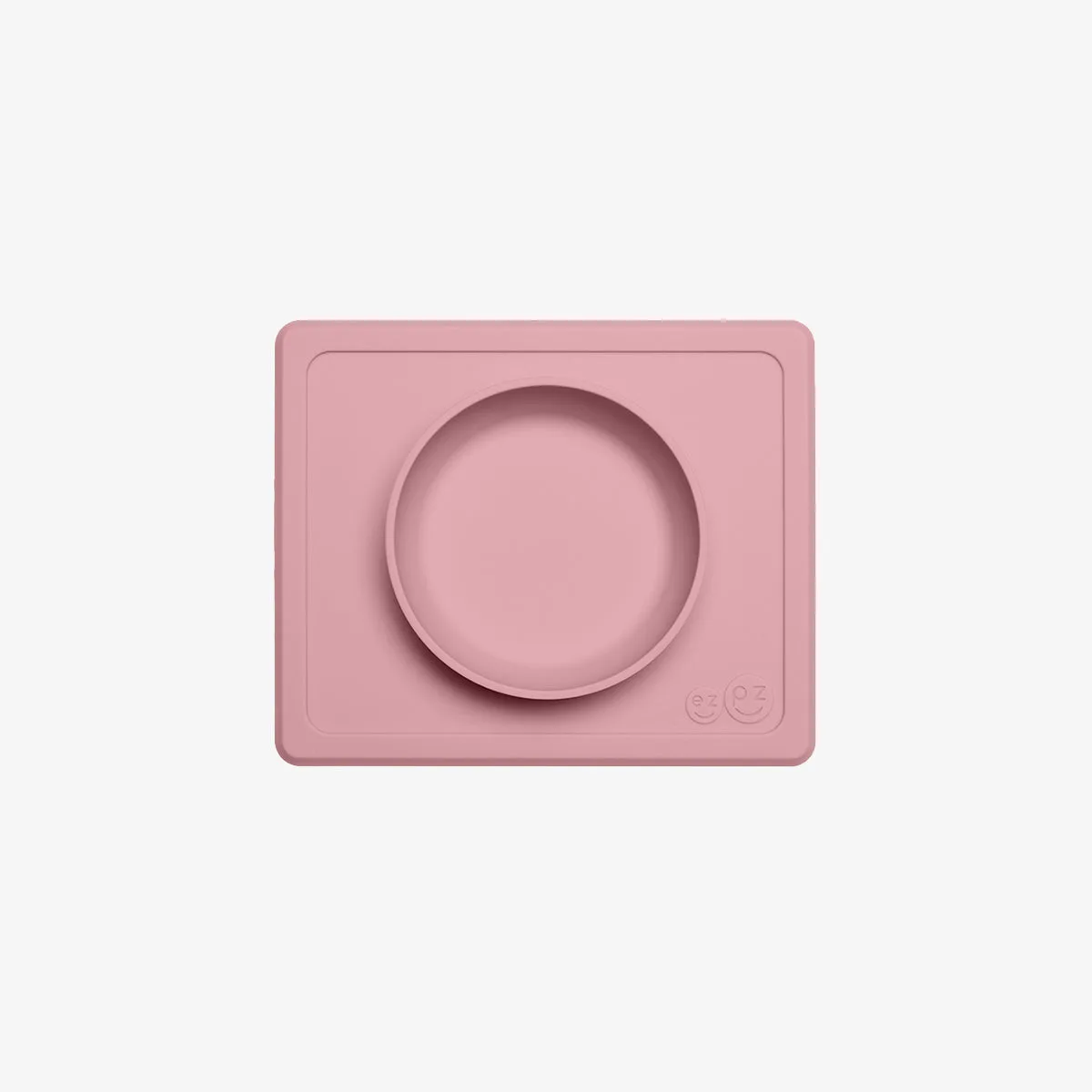
You can also introduce pre-feeding tools during mealtime, even before your baby is ready for solids. Let them hold a spoon or a teether to practice grasping and hand-to-mouth coordination. The Mini Play Mat is a great addition to keep these tools within reach and clean during play or feeding sessions. Remember, consistency is key—regular practice helps reinforce new skills.
- Make pre-feeding activities a fun and positive experience.
- Always supervise your baby during pre-feeding exercises.
Choosing the Right Pre-Feeding Products
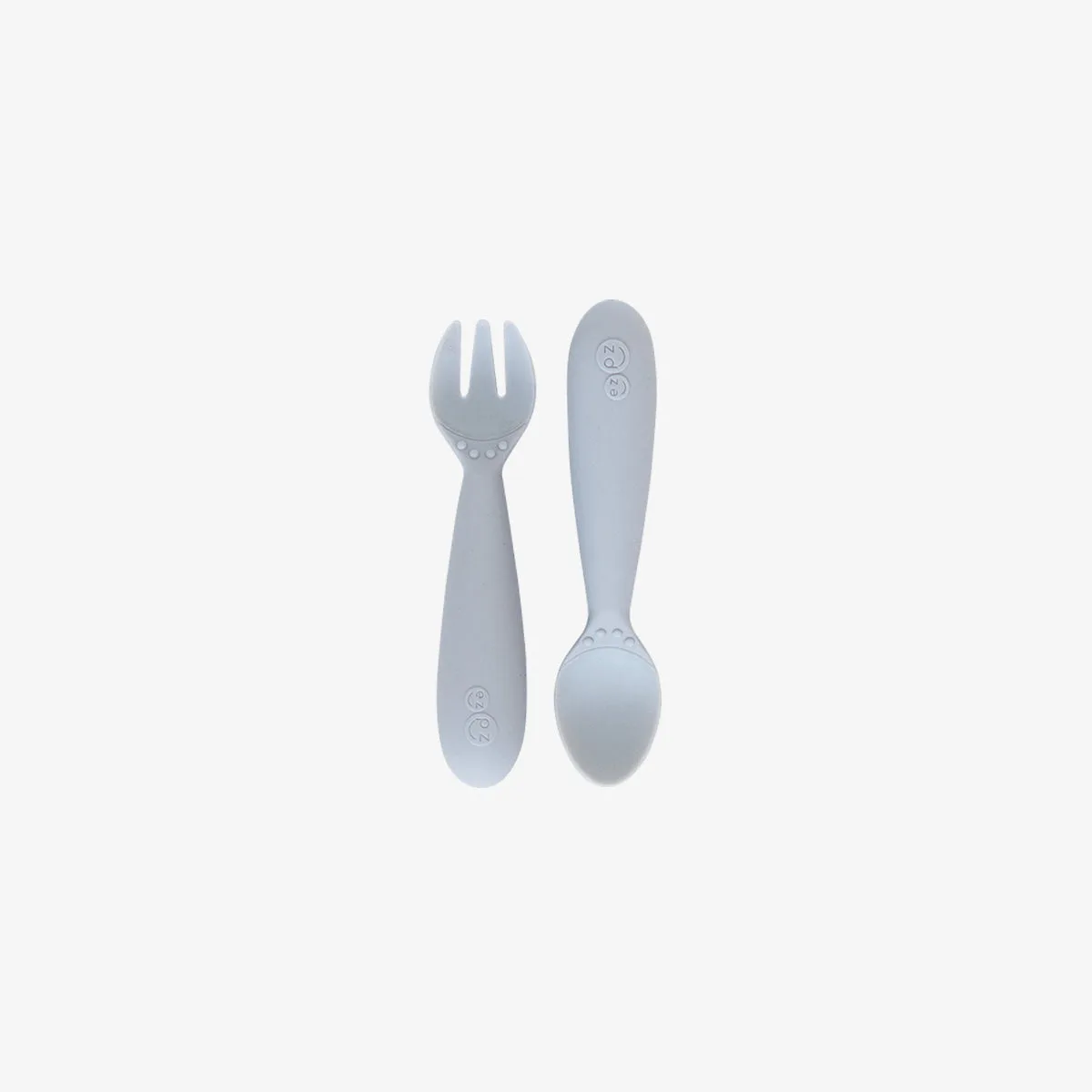
When selecting pre-feeding products, consider your baby's age and developmental stage. For younger infants (0-6 months), focus on soft, sensory tools like the Baby-LedTM Toothbrush. As your baby grows, you can introduce more complex items like the First Foods Set, which includes utensils and bowls designed for self-feeding. Always check for safety certifications and choose high-quality, durable materials.
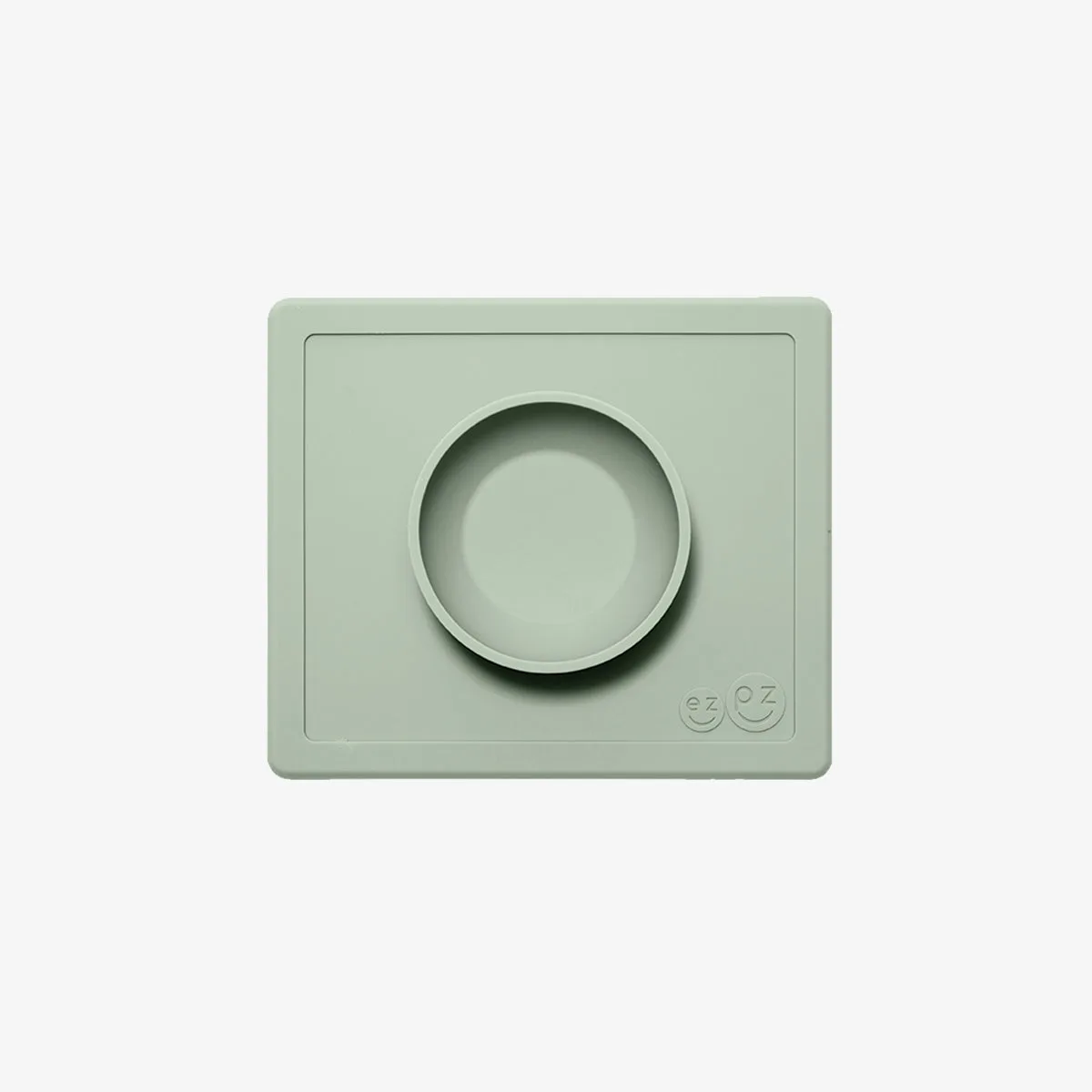
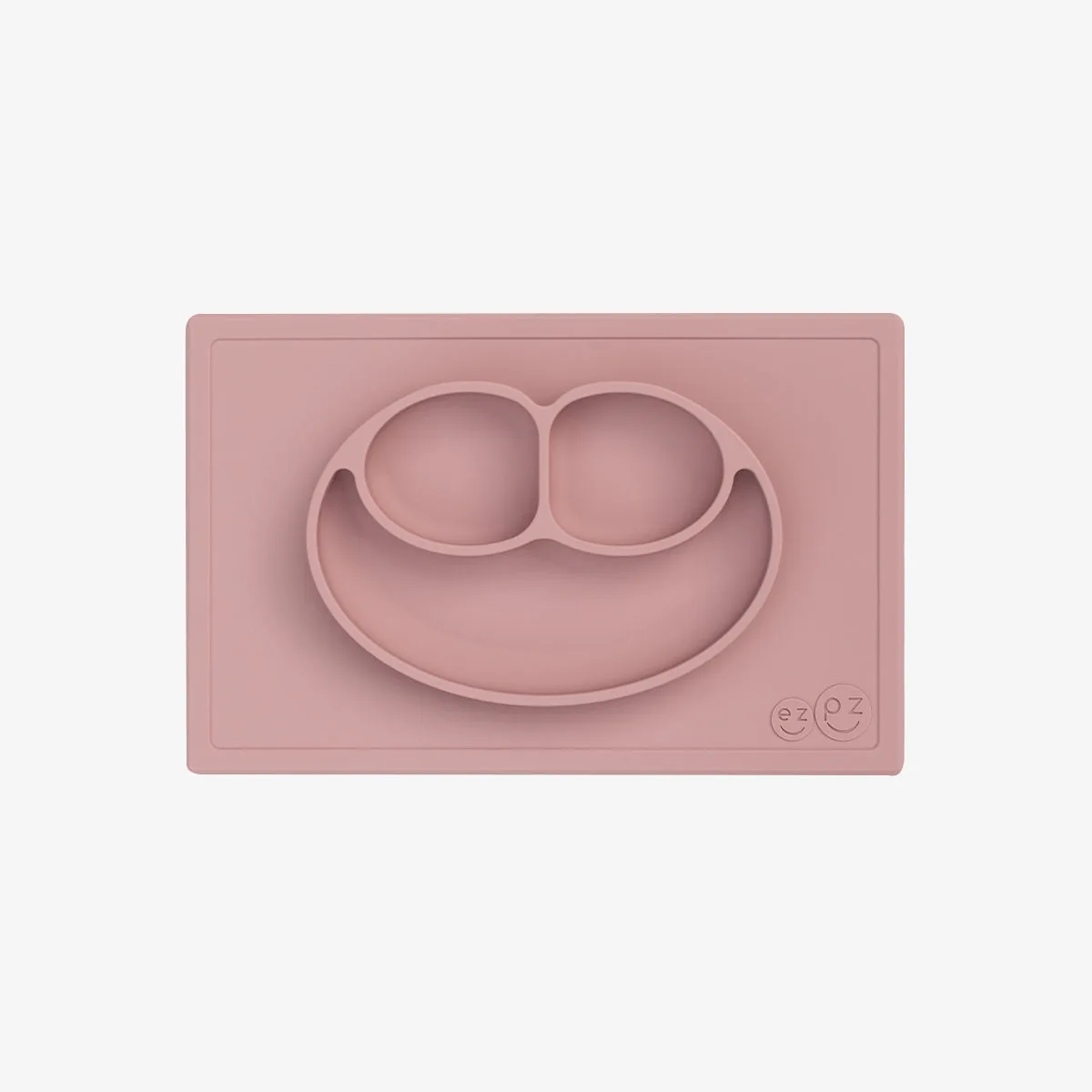
It's also wise to read reviews and consult with your pediatrician. Every baby is unique, so what works for one may not work for another. Look for products that offer versatility and can be used in multiple ways. The Happy Mat, for instance, is a silicone placemat that also serves as a bowl, making it a versatile addition to your pre-feeding toolkit.
- Prioritize products that are easy to clean and maintain.
- Consider your baby's interests and preferences when choosing tools.
Pre-feeding products are more than just gear—they are essential tools that support your baby's developmental milestones. By investing in expert-designed items like the Kit 1 - Prepare for Starting Solids (5-Pack), you can give your baby a head start on feeding readiness and oral motor development. Remember, every baby develops at their own pace, so be patient and enjoy this special time. Explore our range of pre-feeding products to find the perfect match for your little one.