When it comes to anti-aging, most people think of retinols, peptides, and vitamin C serums. While these are powerful ingredients, they can’t do their job effectively if you’re not protecting your skin from the sun. Sun exposure is the number one cause of premature aging, responsible for up to 90% of visible skin changes like fine lines, wrinkles, and dark spots. That’s why sunscreen is often called the ultimate anti-aging product.
In this guide, we’ll dive into the science behind sun damage, explain SPF and broad-spectrum protection, and show you how to build a sunscreen routine that complements your existing skincare. Whether you’re new to daily SPF or looking to upgrade your sun protection, you’ll find practical tips to keep your skin youthful and healthy.
Why Sunscreen is Your Best Anti-Aging Defense
The sun emits two types of ultraviolet (UV) rays that damage your skin: UVA and UVB. UVA rays penetrate deep into the dermis, breaking down collagen and elastin—the proteins that keep your skin firm and elastic. This leads to sagging and wrinkles over time. UVB rays affect the outer layer, causing sunburns and contributing to skin cancer risk. Both types accelerate the visible signs of aging.
Using a broad-spectrum sunscreen daily protects against both UVA and UVB rays, preventing photoaging and maintaining your skin’s youthful structure. It also helps prevent hyperpigmentation and uneven skin tone, which are common concerns as we age. In fact, consistent sunscreen use is the most effective way to slow down the aging process and keep your skin looking radiant.
- UVA rays cause premature aging; UVB rays cause sunburn. Broad-spectrum SPF protects against both.
- Daily sunscreen use reduces the risk of skin cancer and prevents collagen breakdown.
- Sunscreen helps fade existing dark spots and prevents new ones from forming.
Understanding SPF: What Does It Really Mean?
SPF, or Sun Protection Factor, measures how well a sunscreen protects against UVB rays. For example, SPF 30 blocks about 97% of UVB rays, while SPF 50 blocks about 98%. No sunscreen blocks 100% of UV rays, so reapplication is key. For anti-aging purposes, dermatologists recommend using at least SPF 30 daily, and SPF 50 or higher if you spend extended time outdoors.
It’s also important to look for ‘broad-spectrum’ on the label, which ensures protection against UVA rays as well. UVA protection isn’t measured by SPF, so you need a sunscreen that explicitly states broad-spectrum coverage. This is especially crucial for anti-aging because UVA rays are present even on cloudy days and can penetrate windows, contributing to premature aging over time.
- SPF 30 blocks 97% of UVB rays; SPF 50 blocks 98%.
- Always choose ‘broad-spectrum’ sunscreen to get UVA and UVB protection.
- Reapply every two hours, or more often if swimming or sweating.
How to Build an Effective Sunscreen Routine
The best sunscreen is one you’ll use every day. To make it a habit, incorporate it into your morning routine after moisturizer and before makeup. If you use serums or treatments, apply them first, let them absorb, then follow with sunscreen. This ensures your active ingredients work while your skin stays protected.
For maximum anti-aging benefits, pair your sunscreen with antioxidants like vitamin C. Vitamin C neutralizes free radicals caused by UV exposure, boosting your sunscreen’s effectiveness. Our Vitamin C Ceramide Moisturiser is a great choice for daytime—it provides hydration, brightening, and a dose of antioxidants to complement your SPF.
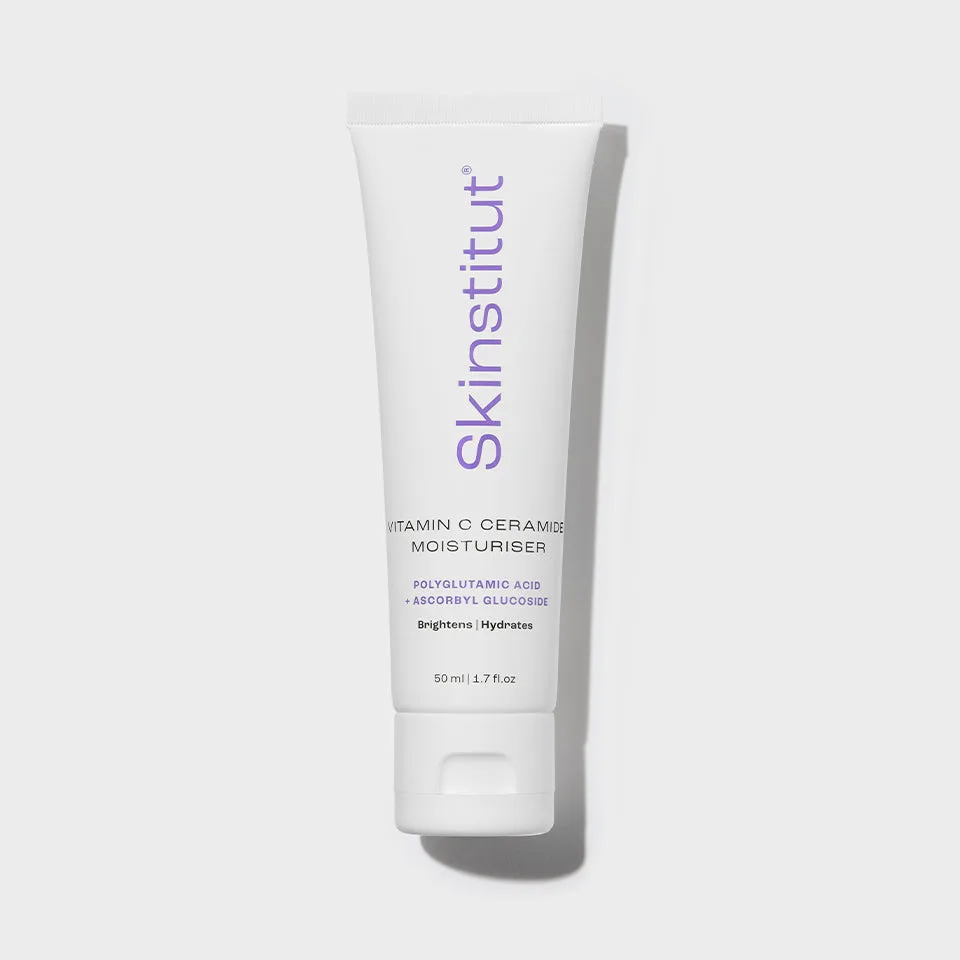
Vitamin C Ceramide Moisturiser
- Apply sunscreen as the last step of your skincare routine, before makeup.
- Use a nickel-sized amount for your face and a shot glass amount for your body.
- Don’t forget often-missed areas: ears, neck, and the back of your hands.
Choosing the Right Sunscreen for Your Skin Type
Sunscreens come in different formulations—gels, creams, lotions, and sprays. For oily or acne-prone skin, look for oil-free, non-comedogenic options that won’t clog pores. Gel-based sunscreens are lightweight and absorb quickly. For dry skin, choose a moisturizing sunscreen with ingredients like hyaluronic acid or ceramides to hydrate while protecting.
If you have sensitive skin, mineral sunscreens with zinc oxide or titanium dioxide are less likely to irritate. They sit on the surface of the skin and reflect UV rays. Chemical sunscreens, on the other hand, absorb UV rays and convert them to heat, which can cause reactions in some people. Test a small patch first if you’re unsure.
- For oily skin: gel or fluid sunscreens with a matte finish.
- For dry skin: cream sunscreens with hydrating ingredients.
- For sensitive skin: mineral sunscreens with zinc oxide.
Layering Sunscreen with Your Skincare Products
One common question is whether sunscreen affects the efficacy of other products. The general rule is to apply skincare from thinnest to thickest consistency. Start with cleanser, then serums, then moisturizer, and finally sunscreen. This allows each product to penetrate properly without blocking the next.
If you use retinol or exfoliating acids at night, sunscreen is especially crucial in the morning because these ingredients increase your skin’s sensitivity to the sun. Our Expert Retinol Face Oil is a powerful anti-aging treatment, but it makes your skin more vulnerable to UV damage. Always pair it with a broad-spectrum SPF during the day to prevent irritation and hyperpigmentation.
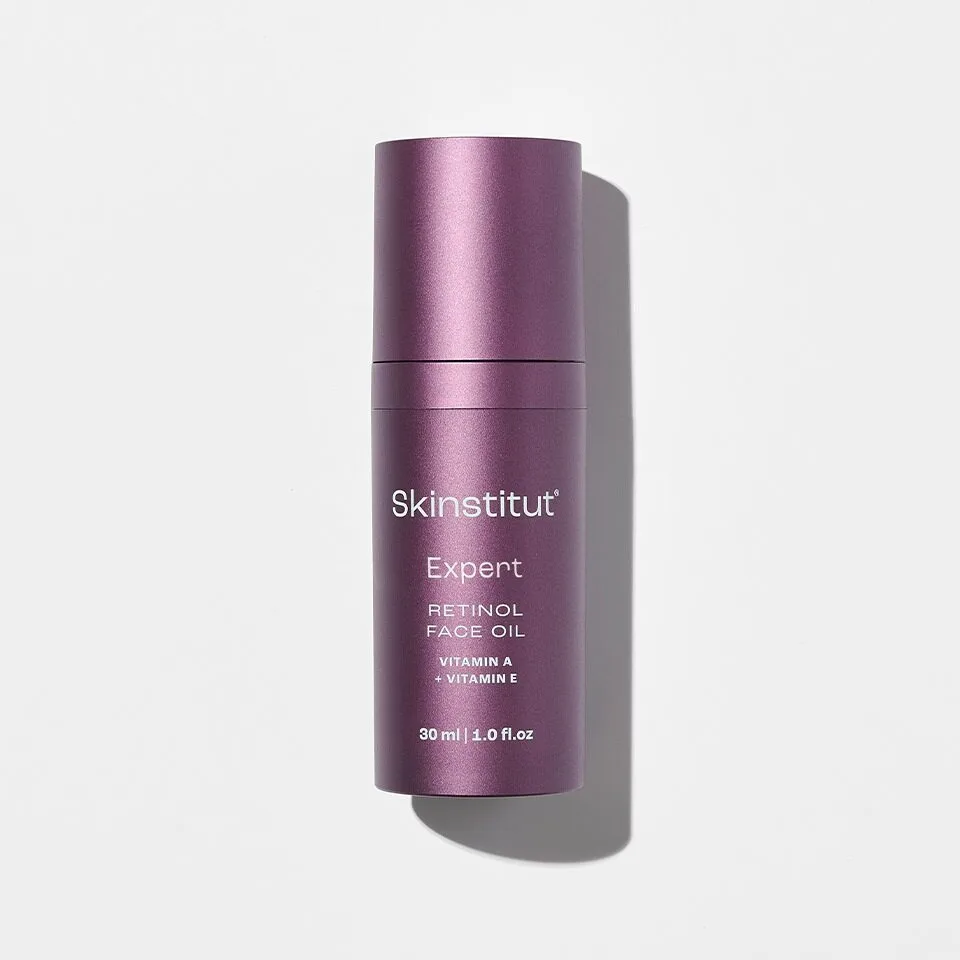
Expert Retinol Face Oil
- Apply sunscreen after moisturizer and before makeup.
- Wait 15 minutes after applying sunscreen before sun exposure.
- If you use retinol or acids at night, be extra diligent with SPF in the morning.
Common Sunscreen Mistakes to Avoid
Even the best sunscreen won’t work if you don’t use it correctly. One of the most common mistakes is not applying enough. Most people use only 25-50% of the recommended amount, which significantly reduces protection. Another mistake is skipping sunscreen on cloudy days or when indoors—UVA rays can penetrate clouds and windows, so you’re still exposed.
Forgetting to reapply is another big one. Sunscreen breaks down over time, especially when you sweat or touch your face. Set a reminder to reapply every two hours, or use a powder sunscreen for easy touch-ups over makeup. Also, check the expiration date—sunscreen loses effectiveness over time.
- Use enough sunscreen: about a half-teaspoon for your face and neck.
- Apply every day, even in winter and on cloudy days.
- Reapply every two hours, and more often if swimming or sweating.
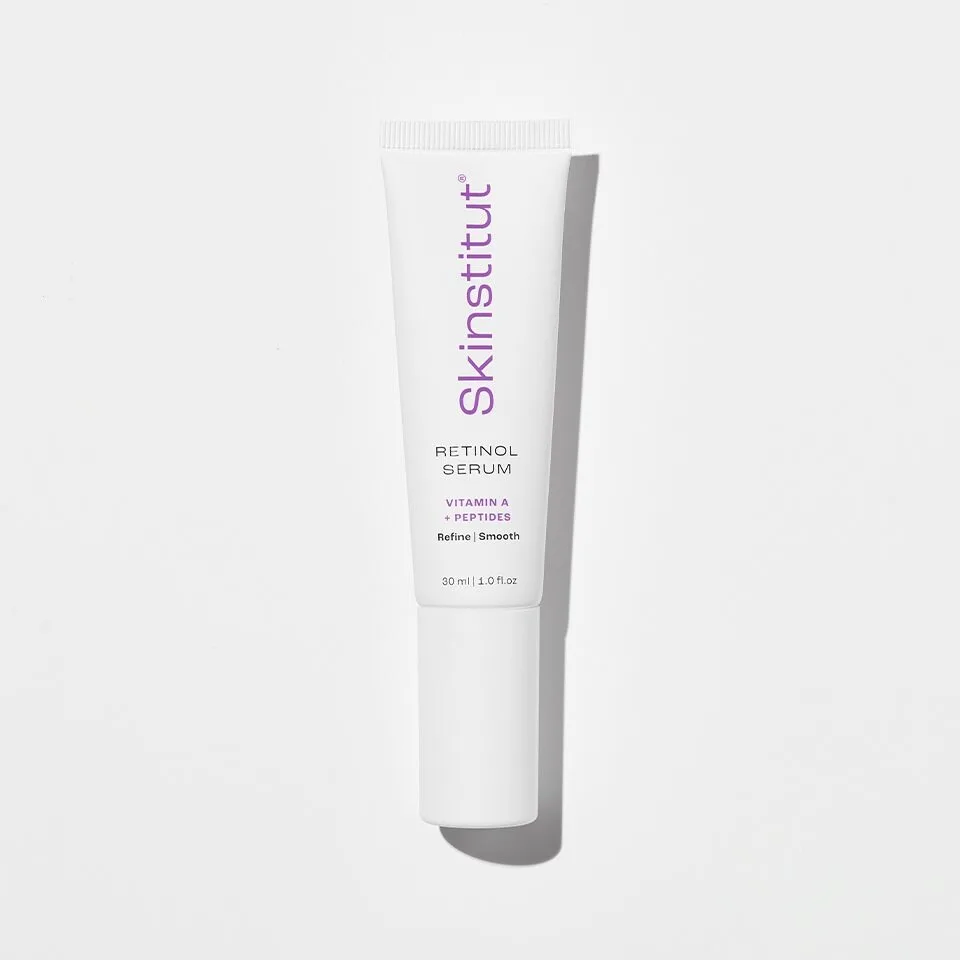
Sunscreen is the cornerstone of any effective anti-aging routine. By protecting your skin from UV damage, you prevent premature wrinkles, dark spots, and loss of firmness. Combine daily SPF with a targeted anti-aging serum like our Retinol Serum for optimal results. Remember, it’s never too late to start protecting your skin—your future self will thank you.