When it comes to anti-aging skincare, most people think of serums, retinoids, and moisturizers. But the single most effective anti-aging product you can use is sunscreen. Daily sun protection not only prevents premature wrinkles but also shields your skin from harmful UV rays that cause dark spots, loss of elasticity, and even skin cancer. For mature skin, sunscreen is non-negotiable.
In this guide, we'll explore why sunscreen is the cornerstone of any anti-aging routine, how to choose the right SPF for mature skin, and how to integrate it seamlessly into your daily skincare regimen.
Why Sunscreen Is the Ultimate Anti-Aging Tool
The sun emits two types of ultraviolet radiation that damage the skin: UVA and UVB. UVA rays penetrate deep into the dermis, breaking down collagen and elastin, which leads to sagging and wrinkles. UVB rays cause sunburn and contribute to skin cancer. Both types accelerate the visible signs of aging, making sun protection the most critical step in any skincare routine.
Studies consistently show that people who wear sunscreen daily have significantly fewer wrinkles and age spots than those who don't. Even if you've spent years in the sun without protection, it's never too late to start. Consistent use of sunscreen can help prevent further damage and allow your skin to repair itself.
- Prevents collagen breakdown and maintains skin firmness
- Reduces the appearance of fine lines and wrinkles
- Prevents hyperpigmentation and sunspots
- Maintains an even skin tone
Understanding SPF: What Does It Really Mean?
SPF, or Sun Protection Factor, measures how well a sunscreen protects against UVB rays. An SPF 30 sunscreen blocks about 97% of UVB rays, while SPF 50 blocks about 98%. However, no sunscreen blocks 100% of UV rays. For daily use, dermatologists recommend at least SPF 30, but for extended outdoor activities, SPF 50 or higher is better.
It's also important to look for 'broad-spectrum' sunscreen, which protects against both UVA and UVB rays. UVA rays are present all day, even when it's cloudy, and they penetrate glass windows, so wearing sunscreen indoors near windows is also recommended.
- SPF 30 blocks about 97% of UVB rays
- SPF 50 blocks about 98% of UVB rays
- Always choose broad-spectrum protection
Choosing the Right Sunscreen for Mature Skin
Mature skin tends to be drier and more sensitive, so choosing a sunscreen that hydrates and soothes is key. Look for sunscreens with added moisturizing ingredients like hyaluronic acid, glycerin, or ceramides. These help lock in moisture while protecting your skin from UV damage.
For mature skin, a sunscreen with antioxidants like vitamin C or E can provide extra protection against free radicals. Additionally, mineral sunscreens containing zinc oxide or titanium dioxide are often gentler on sensitive skin and less likely to cause irritation. However, chemical sunscreens can be just as effective and are often lighter in texture, making them easier to layer under makeup.
- Opt for a moisturizing formula with hyaluronic acid
- Consider antioxidants for added protection
- Test mineral vs. chemical sunscreens to see which suits your skin
How to Incorporate Sunscreen into Your Daily Routine
Sunscreen should be the last step of your morning skincare routine, after cleansing, applying serums, and moisturizing. Apply it generously to your face, neck, and ears. A good rule of thumb is to use about a nickel-sized amount for your face and neck. Don't forget your hands and chest, which also show signs of aging.
If you're using anti-aging products like retinol or acids, sunscreen is even more essential because these ingredients can increase your skin's sensitivity to the sun. Always apply sunscreen after your serums and before makeup. Reapply every two hours if you're outdoors, or more often if you're swimming or sweating.
- Apply sunscreen as the final step in your morning routine
- Use a nickel-sized amount for face and neck
- Reapply every 2 hours when outdoors
Sunscreen and Other Anti-Aging Products: A Perfect Pair
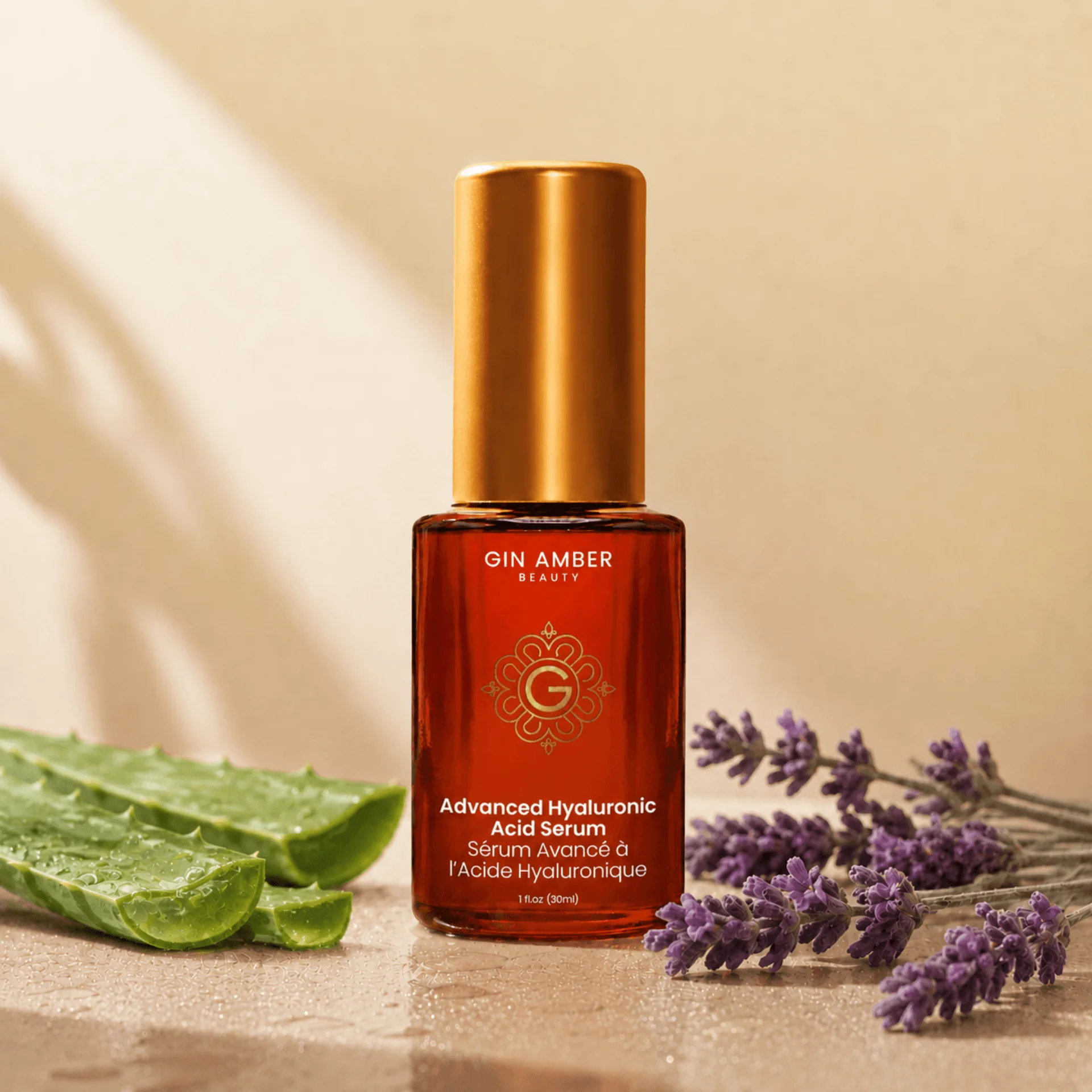
Sunscreen works in tandem with other anti-aging products to maximize results. For example, using a hydrating serum like the Advanced Hyaluronic Acid Serum (Hydrating) can plump the skin and reduce fine lines, while sunscreen prevents further damage. Similarly, the Hydro Mask can provide an extra boost of hydration, but without sunscreen, those benefits are short-lived.
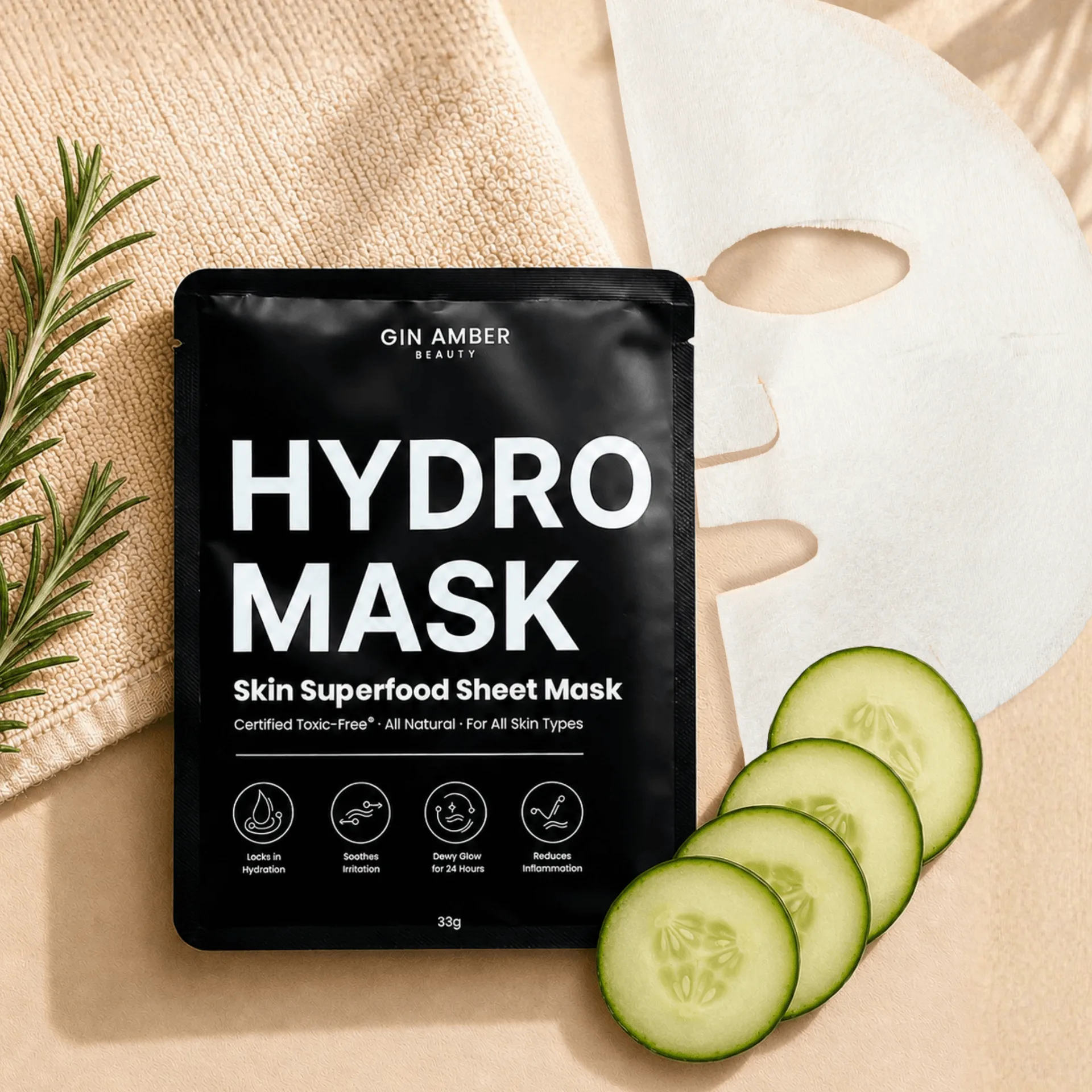
Hydro Mask
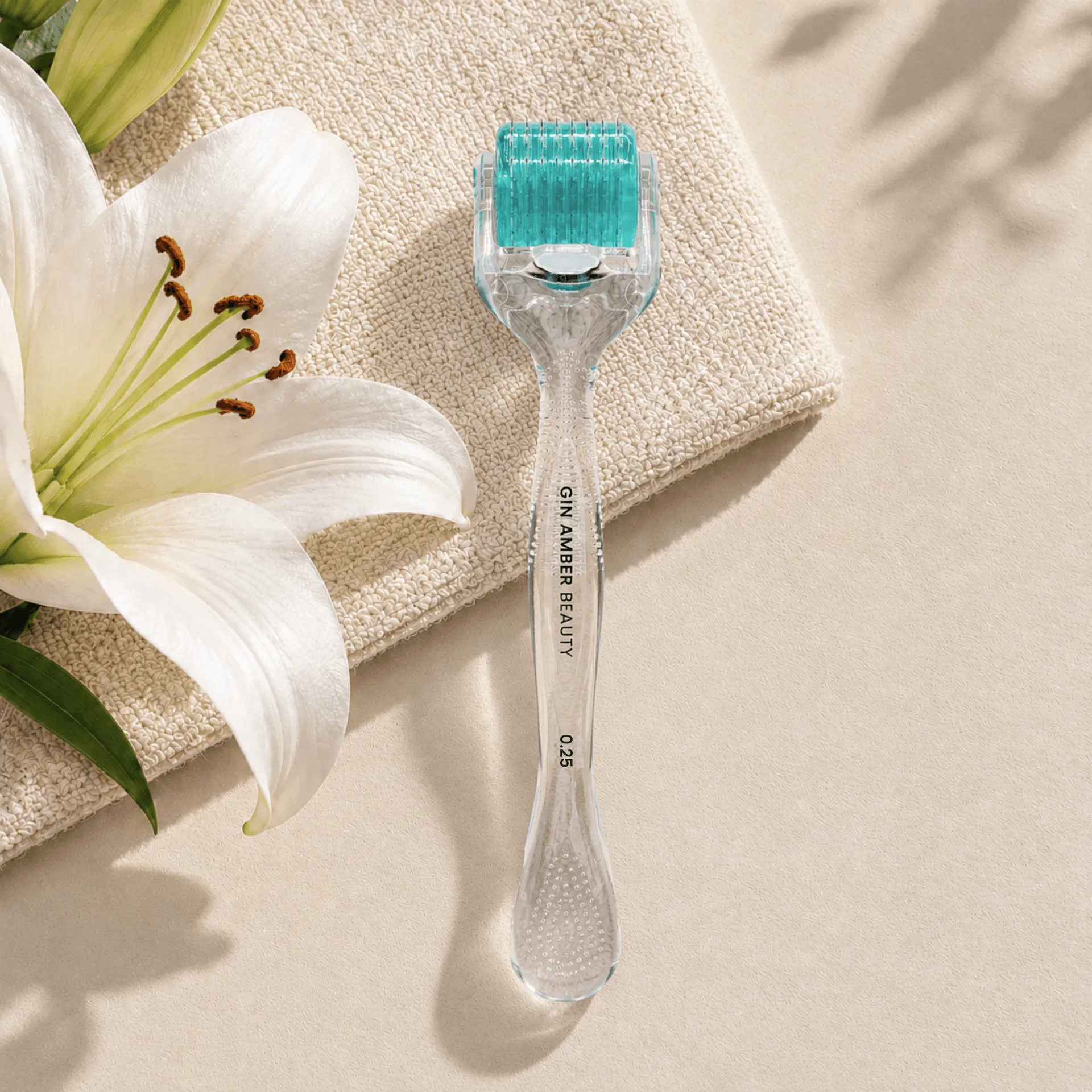
In addition to topical products, consider incorporating a dermaroller into your routine to stimulate collagen production. The 0.25mm Dermaroller is gentle enough for daily use and can enhance the absorption of your skincare products. However, always remember that dermarolling creates micro-channels, making sunscreen application even more critical to protect the newly exposed skin.
- Pair sunscreen with hydrating serums for maximum anti-aging benefits
- Use a dermaroller to boost collagen, but never skip SPF afterwards
- Combine sunscreen with antioxidant serums for extra protection
Sunscreen is the most important anti-aging product you can use. It prevents wrinkles, dark spots, and sagging, while preserving the results of your other skincare efforts. For mature skin, a daily SPF routine is essential. Start today, and your future self will thank you. Explore our Advanced Hyaluronic Acid Serum (Hydrating) to complement your sun protection and keep your skin hydrated and youthful.