Introducing a new skincare product into your routine is exciting, but it can also come with risks. Even if a product is formulated with gentle ingredients, your skin may react unexpectedly. That's why patch testing is a crucial step before applying any new product to your face or body. This simple practice can save you from discomfort, breakouts, or allergic reactions.
In this article, we'll explain what patch testing is, why it's important, and how to do it correctly. We'll also share tips for incorporating new products safely into your skincare regimen.
What Is Patch Testing?
Patch testing involves applying a small amount of a new product to a discreet area of skin, such as behind your ear or on your inner arm, and waiting 24 to 48 hours to see if any reaction occurs. This method allows you to gauge how your skin will tolerate the product before using it on larger areas, especially your face.
Many people skip this step, but it's especially important for those with sensitive skin, allergies, or conditions like eczema. Even if you don't have known sensitivities, patch testing can help identify potential irritants or allergens in a product's formula.
- Apply a pea-sized amount to clean, dry skin on your inner forearm or behind the ear.
- Cover the area with a bandage if needed, and leave it undisturbed for 24-48 hours.
- Check for redness, itching, swelling, or bumps. If any reaction occurs, do not use the product.
Why Patch Testing Is Essential for Skincare Safety
Skincare products contain a variety of active ingredients, preservatives, and fragrances that can cause reactions. A patch test helps you identify potential problems before they affect your entire face. For example, a product like the Living Cleansing Balm TM might work wonderfully for many, but if you have a sensitivity to certain oils, a patch test can prevent a breakout.
Additionally, some ingredients, such as acids or retinoids, can cause irritation if used incorrectly. Patch testing allows you to see how your skin reacts to these actives without risking widespread damage. It's a simple step that promotes long-term skin health.
How to Perform a Patch Test Correctly
To perform a patch test, start by choosing a small area of skin. The inner arm is a common choice because it's easy to observe. Clean the area with a gentle cleanser and pat dry. Apply a small amount of the product and spread it thinly. Cover with a bandage or leave it open, depending on the product type. Wait at least 24 hours, and avoid washing the area.
After 24 hours, check for any signs of reaction. If there is no redness, itching, or irritation, you can proceed to use the product on your face. However, for products with strong actives, consider testing for 48 hours. Remember to test each new product individually, even if they are from the same brand.
- Test only one product at a time to isolate reactions.
- Use a fresh patch for each product.
- Do not apply other products on the test area during the waiting period.
What to Do If You Experience a Reaction
If you notice redness, swelling, itching, or bumps during the patch test, remove the product immediately with a mild cleanser. Apply a soothing ingredient like aloe vera or a gentle moisturizer. If the reaction is severe or persists, consult a dermatologist. Avoid using the product on your face or body.
A reaction doesn't necessarily mean the product is bad; it may simply not be suitable for your skin type. For example, the Snail Mucin Eye Cream is formulated to hydrate the delicate eye area, but if you have a sensitivity to snail mucin, a patch test will reveal that before you apply it near your eyes.
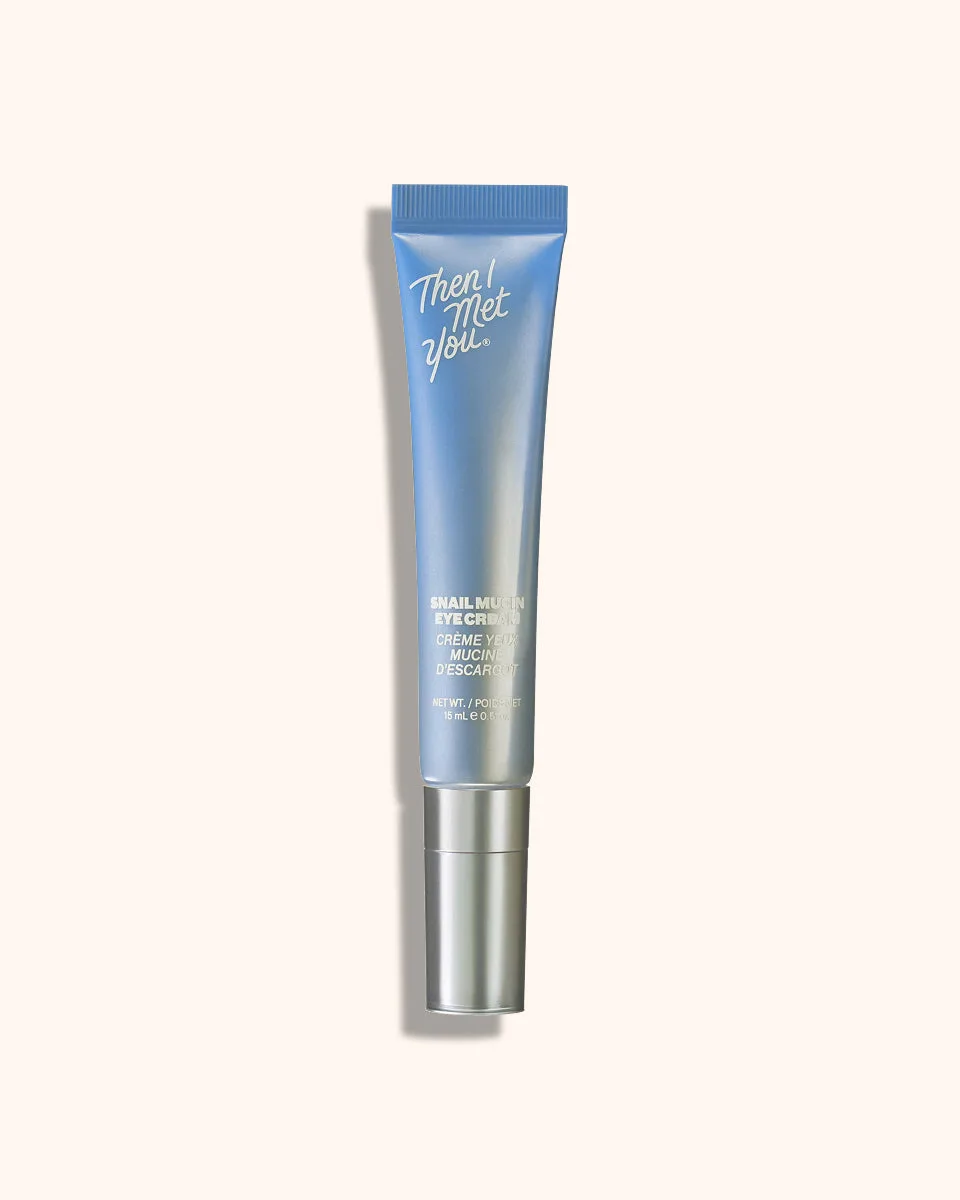
Snail Mucin Eye Cream
Tips for Incorporating New Products Safely
Beyond patch testing, introduce new products one at a time into your routine. This way, if a reaction occurs, you'll know exactly which product caused it. Start with a low frequency of use, such as every other day, and gradually increase as your skin adjusts.
Keep a skincare diary to track how your skin responds to new products. Note any changes in texture, breakouts, or irritation. This practice helps you build a personalized routine that works for your unique skin. Always read ingredient lists and be aware of common allergens like fragrances, essential oils, and certain preservatives.
Patch testing is a quick, easy, and essential step for anyone who wants to maintain healthy skin while exploring new products. By taking a few minutes to test, you can avoid uncomfortable reactions and ensure that your skincare routine truly benefits you. Next time you try a new product, like the Living Cleansing Balm TM or the Snail Mucin Eye Cream, remember to patch test first. Your skin will thank you.