Quick answer
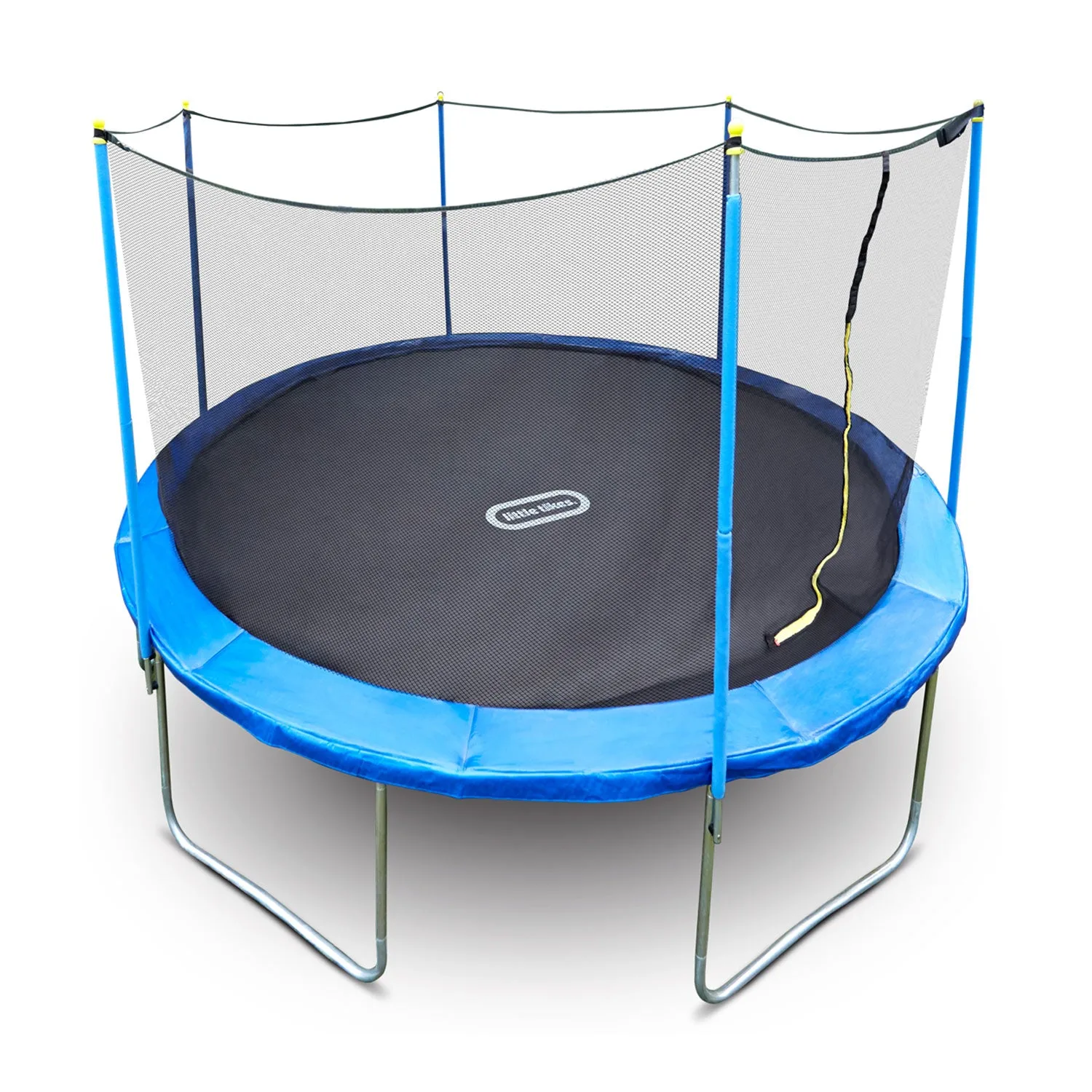
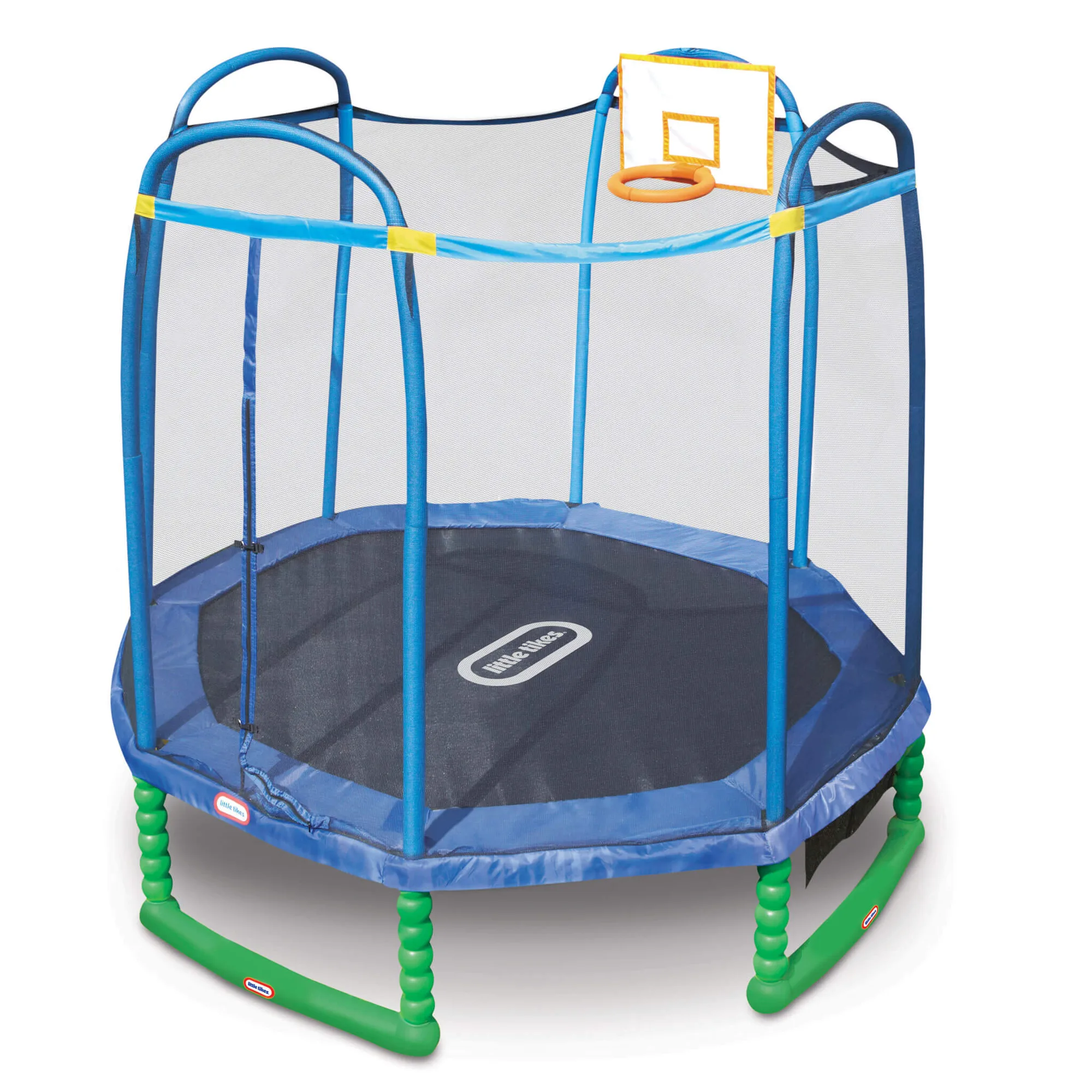
For toddlers under 3, a stationary indoor bouncer like the Little Tikes Activity Quest Climber offers safer, multi-skill play without the fall risk of a mini trampoline. Mini trampolines can be fun for older kids but require strict supervision and safety nets.
Why jumping matters for toddler development
Jumping, bouncing, and climbing help toddlers build gross motor skills, balance, and coordination. Both indoor bouncers and mini trampolines encourage active play, but their safety profiles differ significantly for young children.
The American Academy of Pediatrics advises against home trampoline use for children under 6 due to the risk of falls and collisions. Indoor bouncers—especially those with enclosed sides and low platforms—offer a more contained environment for developing jumpers.
Key safety differences at a glance
Mini trampolines often lack the stable base and padding that toddlers need. Even with a handlebar, a child can easily bounce off-center and fall. Indoor bouncers, by contrast, are designed with wide bases and low-to-ground entry, reducing fall height and impact.
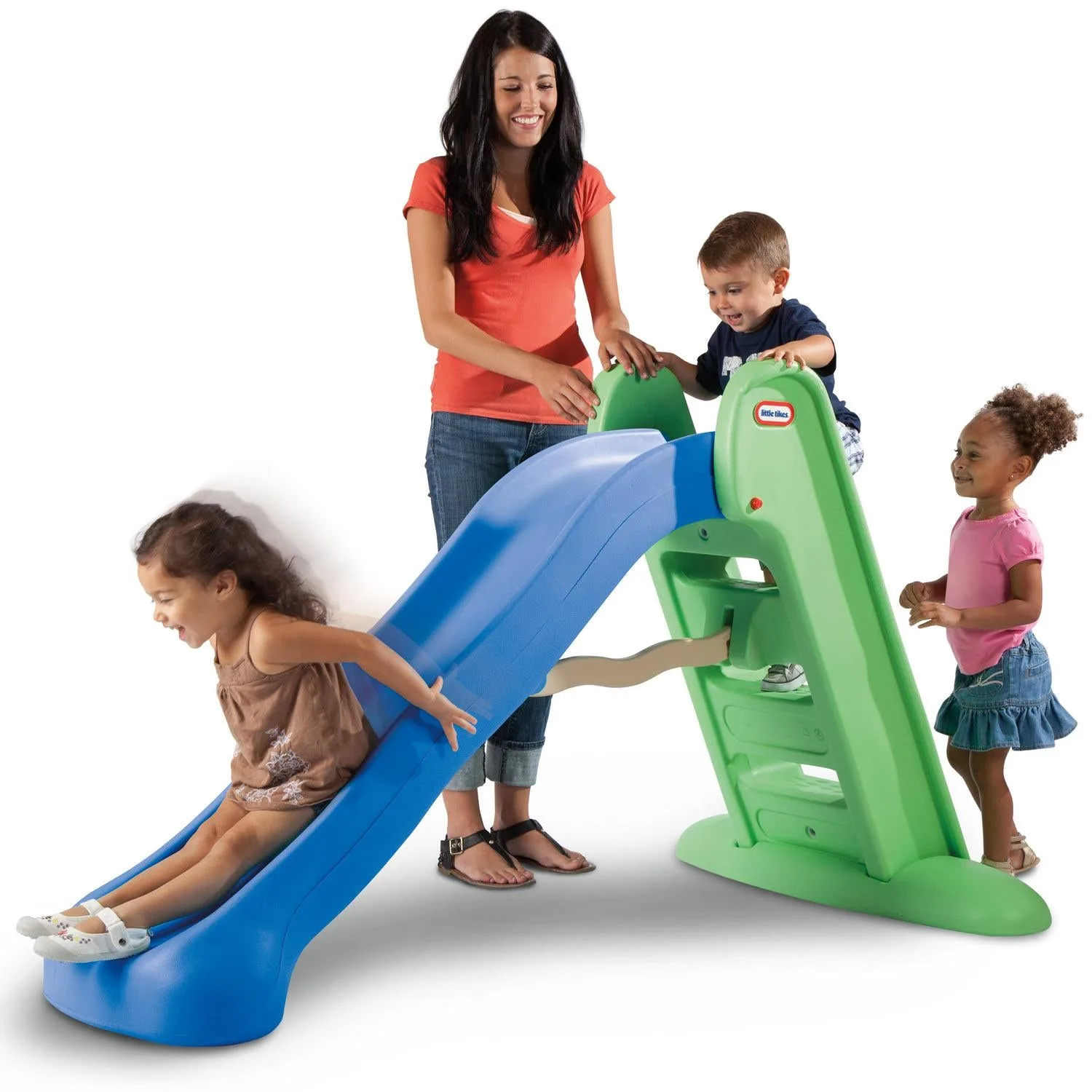
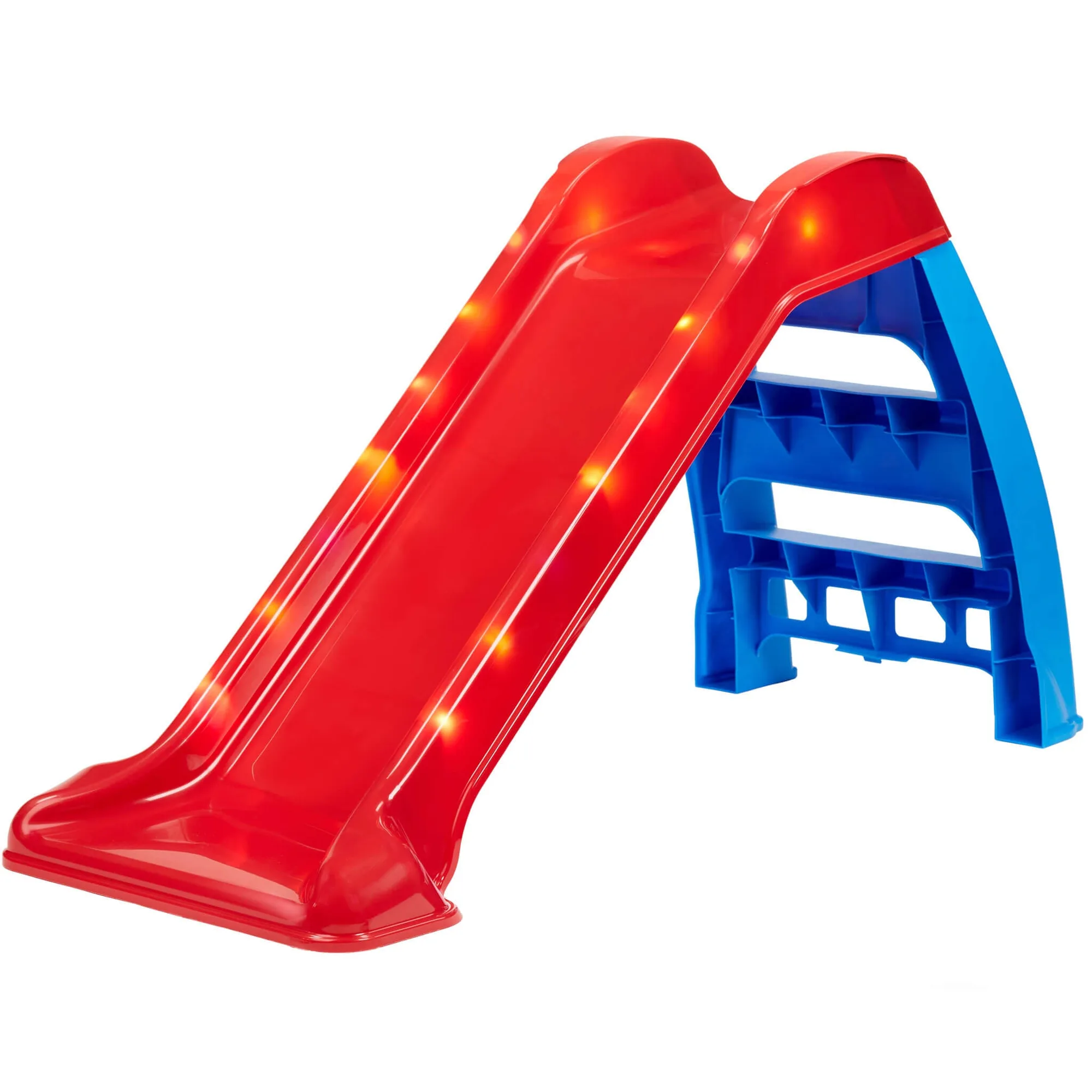
The Little Tikes Activity Quest Climber is Public Playground Certified, meaning it meets safety standards for childcare settings. Its multi-level design lets toddlers climb, slide, and bounce in a controlled way, while a mini trampoline offers only one repetitive motion with higher injury risk.
Motor skill benefits: bouncer vs trampoline
A mini trampoline primarily works leg muscles and cardiovascular endurance. An indoor bouncer like the Activity Quest Climber engages the whole body—climbing, balancing, sliding, and crawling. This variety supports more comprehensive motor development.
For role-play lovers, the Little Tikes Cook 'n Play Outdoor BBQ adds imaginative social play alongside physical activity, something a trampoline cannot provide. Combining a safe climber with pretend play can keep toddlers engaged longer without the monotony of bouncing.
Trade-offs to consider
- Injury risk: Mini trampolines have higher fall and collision risk for toddlers under 6. Indoor bouncers with enclosed sides and low platforms are safer for young children. Choose a bouncer for toddlers under 3; consider a trampoline only for kids 6+ with a safety net.
- Motor skill development: Trampolines focus on repetitive jumping. Indoor bouncers offer climbing, sliding, and balancing, which build a wider range of gross motor skills. If your goal is overall physical development, a bouncer wins.
- Space and setup: Mini trampolines are compact and easy to store. Indoor bouncers like the Activity Quest Climber require more floor space and assembly time. Measure your play area before buying; a trampoline fits small rooms better.
- Long-term value: A certified climber can be used from toddlerhood through preschool years. Mini trampolines are often outgrown or lose appeal faster. For lasting play value, invest in a versatile bouncer.
Product facts that matter for safety
- Activity Quest Climber: Public Playground Certified climber built for childcare settings and backyard fun alike. Designed to grow with your kids, this versatile structure keeps toddlers and bigger kids entertained side by side. This certification means the climber meets rigorous safety standards for group use, giving you confidence that it's built to handle active toddlers without tipping or sharp edges.
- Cook 'n Play Outdoor BBQ™: Realistic Grilling Fun: Complete with a hamburger, hot dog, and… While not a bouncer, this toy grill pairs well with an indoor climber to create a play zone that encourages both physical and imaginative play, reducing the urge to jump on unsafe furniture.
Which one fits your family?
Best for
- Toddlers ages 1–3 who need safe, enclosed active play
- Parents who want multi-skill development (climbing, balancing, sliding)
Not for
- Families with very limited floor space (a mini trampoline may fit better)
- Parents seeking a solo jumping toy for a child over 6 who can follow safety rules