Quick answer
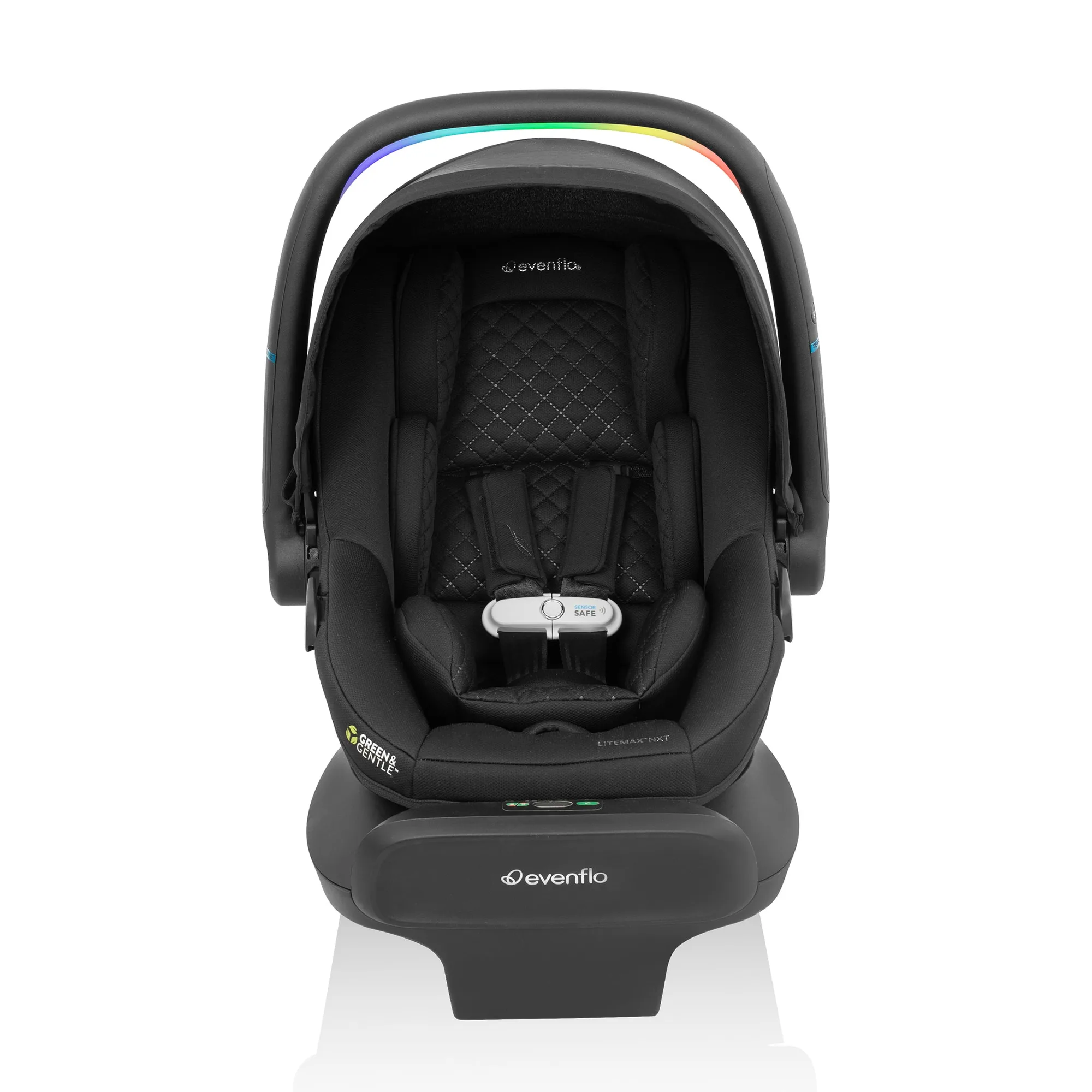
Focus on your baby's weight and height limits, ease of installation, and whether the car seat integrates into a travel system. The best infant car seat for you balances safety certifications, a comfortable carry weight, and features that match your daily routine.
Understanding weight and height limits
Every infant car seat has a maximum weight and height limit for rear-facing use. Most models accommodate babies up to 30–35 pounds and around 32 inches tall. Exceeding either limit means it's time to move to a convertible seat. Always check the sticker on the side of the seat for your specific model's limits.
If your baby is on the larger side, look for a seat with a higher rear-facing weight limit to extend the time they can safely ride rear-facing. For smaller babies, a lower limit may still give you plenty of use before transitioning.
Safety features and certifications
All car seats sold in the U.S. meet federal safety standards, but some include extra features like side-impact protection, energy-absorbing foam, or anti-rebound bars. Look for seats that are easy to install correctly, as misuse is common. Features like a bubble level indicator or a lock-off system can help you get a tight fit every time.
Travel system compatibility
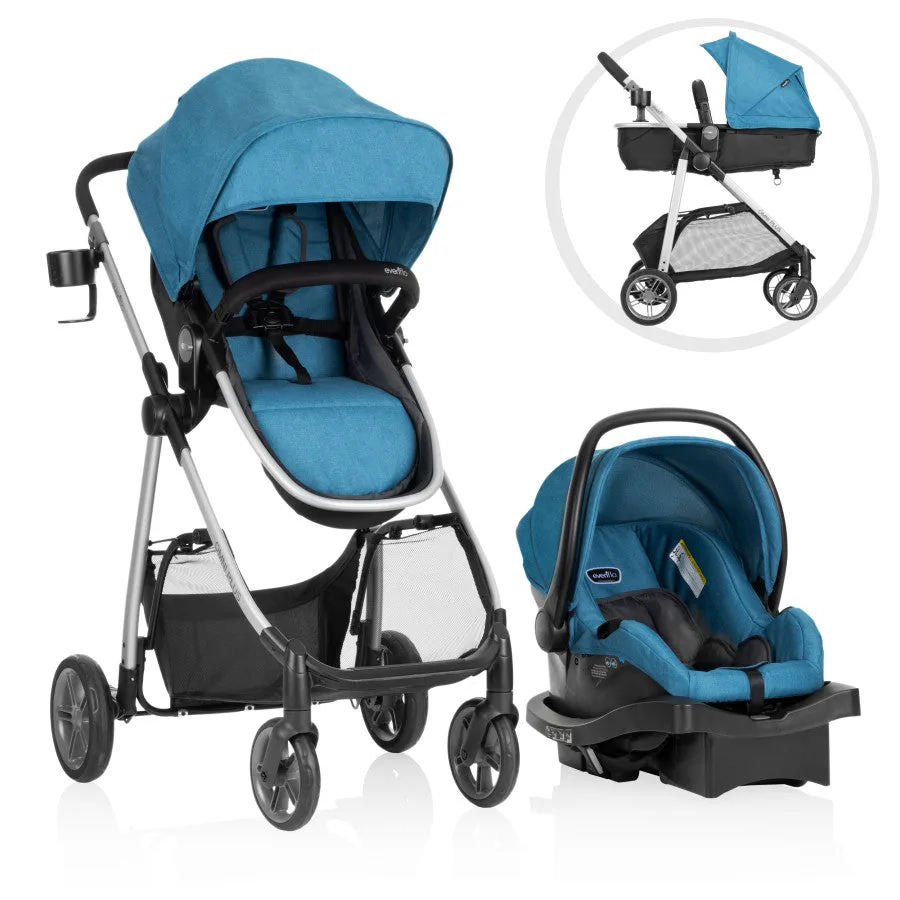
Many parents prefer a travel system that lets you click the car seat directly into a stroller frame. This eliminates the need to wake a sleeping baby when moving from car to stroller. If you plan to use public transit or walk frequently, a lightweight car seat and stroller combo can make a big difference.
Decision rules for choosing an infant car seat
- Weight and height limits: Check the rear-facing weight and height limits. A higher limit means longer use before you need a convertible seat. Choose a seat that fits your baby's expected growth curve.
- Installation ease: Look for features like a bubble level indicator, lock-offs, or a rigid LATCH system. A seat that installs correctly the first time reduces the risk of misuse. Practice installing the seat before your baby arrives.
- Travel system compatibility: If you want a seamless transition from car to stroller, pick a car seat that clicks into a compatible stroller frame. Consider a travel system if you frequently move between car and stroller.
Product highlights
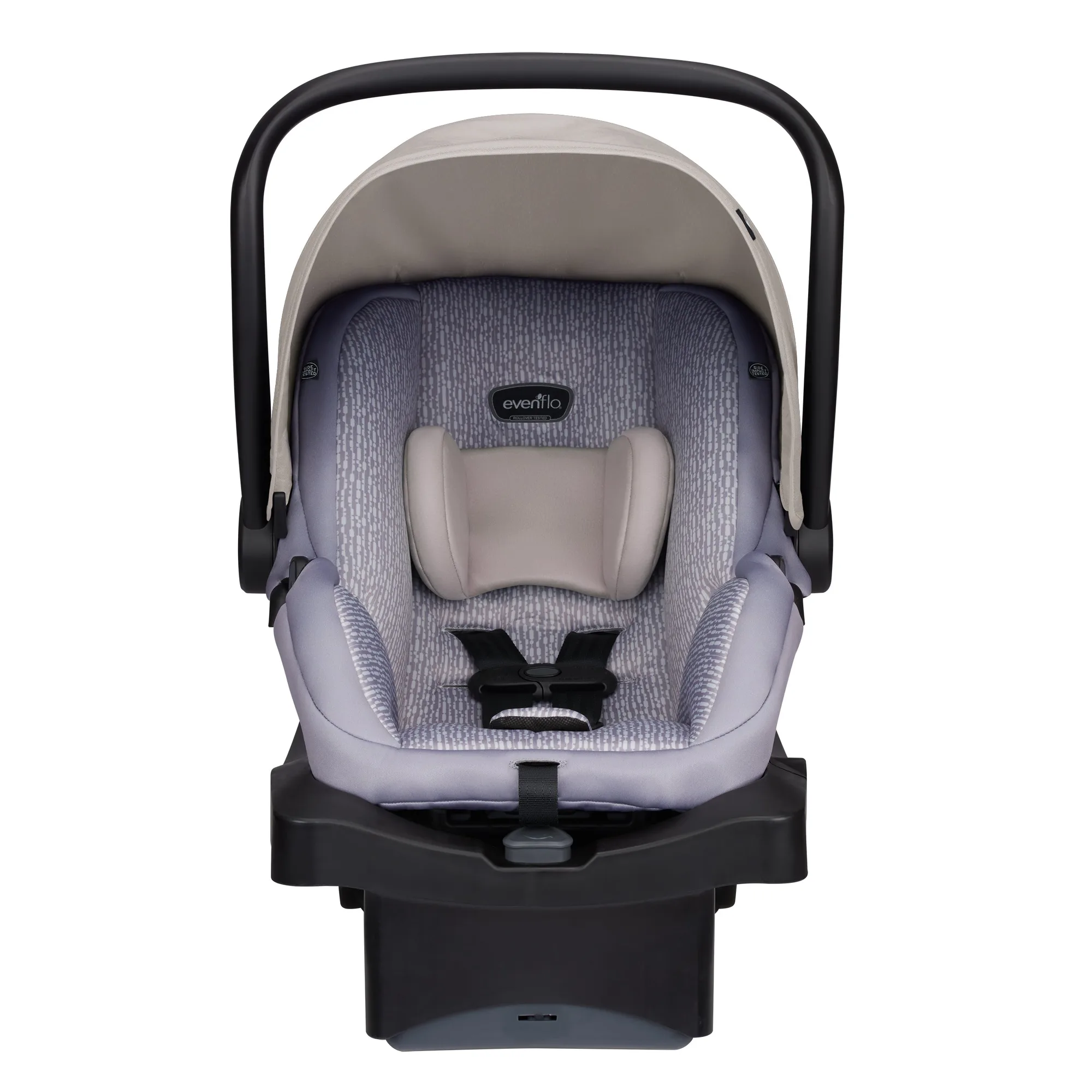
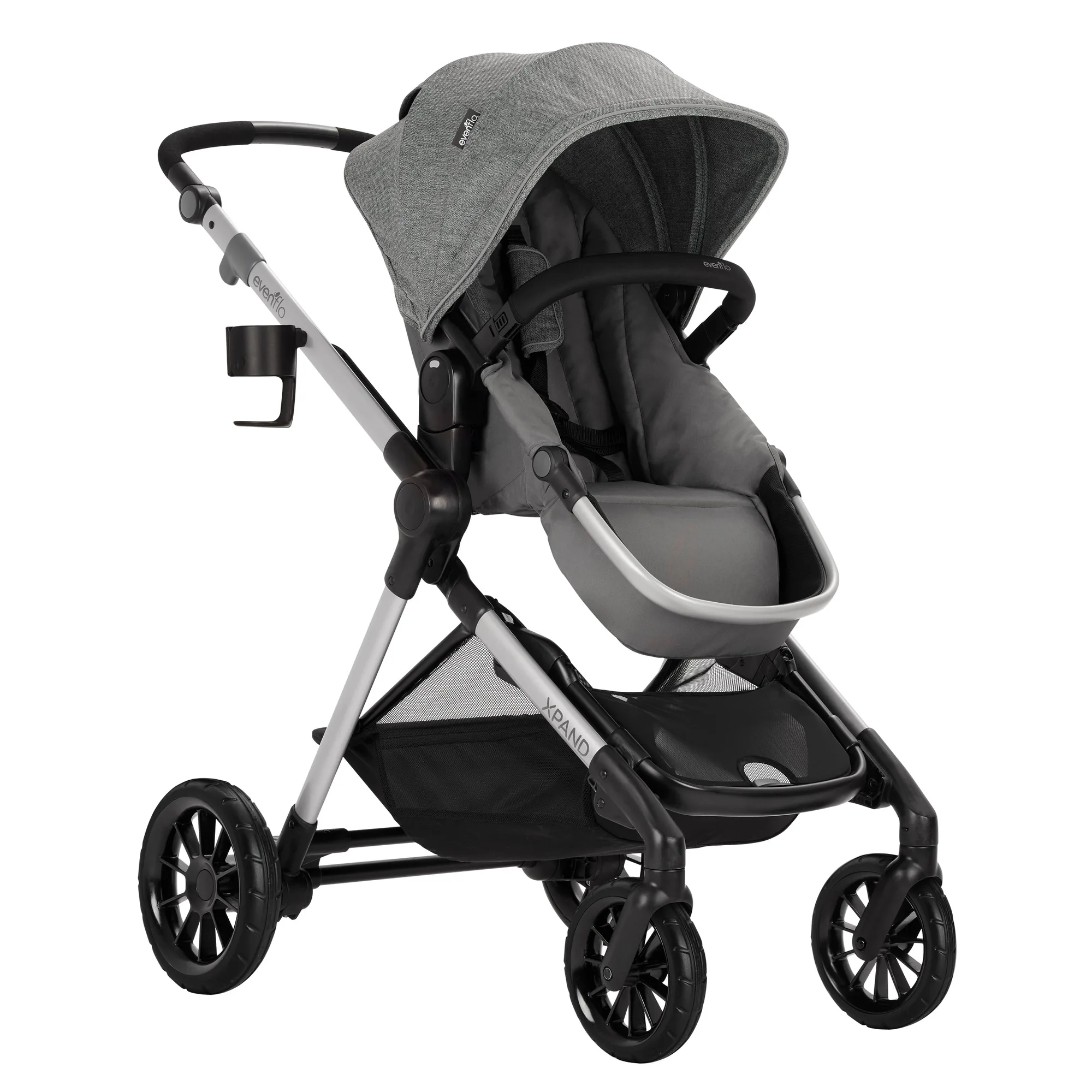
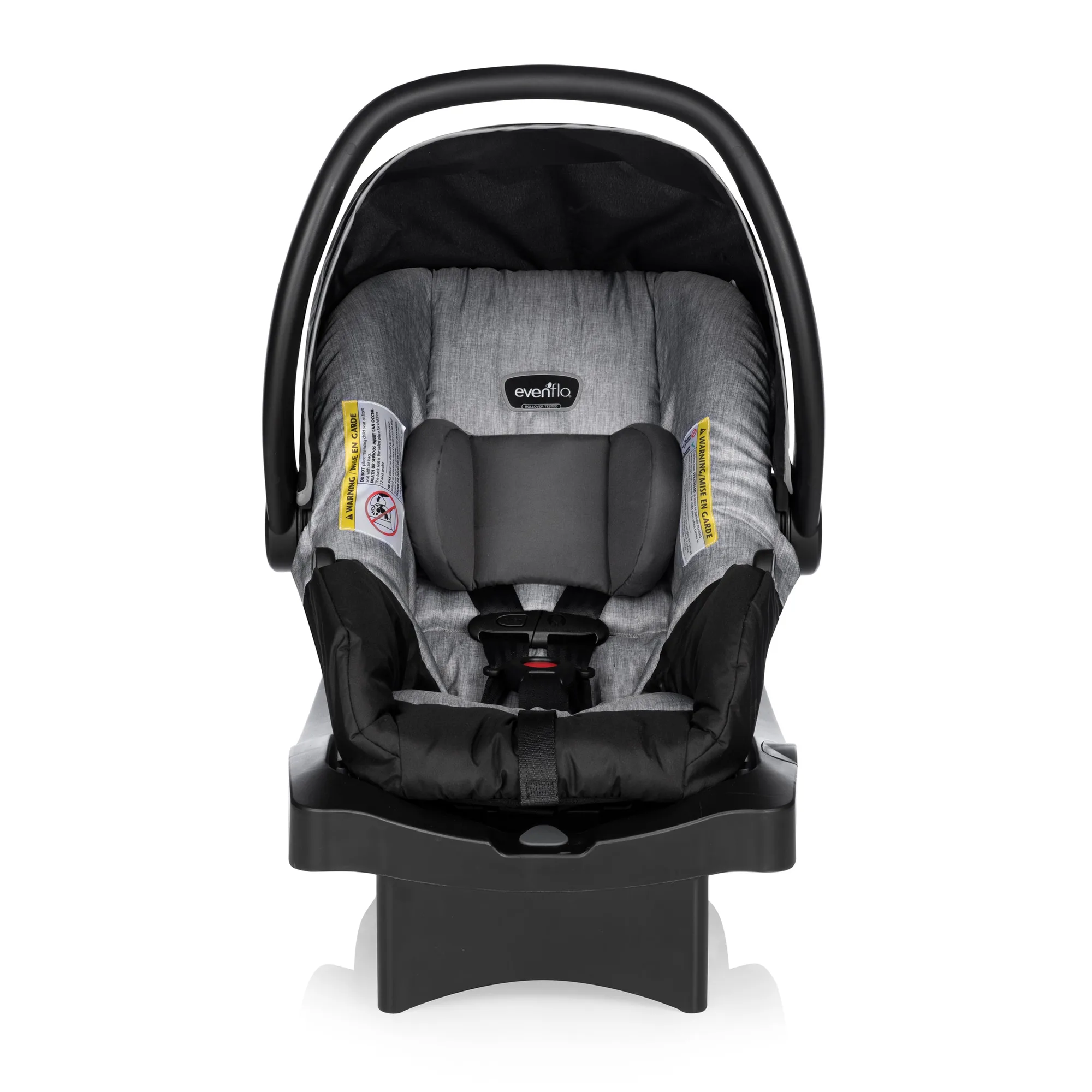
- Otto+ Travel System w/ LiteMax Infant Car Seat: The Otto+ Travel System pairs the self-folding Otto+ Stroller with the lightweight LiteMax Infant Car Seat and a streamlined wheel design. The self-folding stroller and lightweight car seat make it easier to handle daily errands without extra effort.
- Shyft Intuiti Travel System featuring LiteMax NXT Infant Car Seat: The Shyft Intuiti Travel System features LiteMax NXT Infant Car Seat with SensorySoothe technology that engages and calms your baby with lights, music, and sounds. Built-in soothing features can help calm a fussy baby during car rides, giving parents one less thing to worry about.
Which infant car seat is right for you?
Best for
- Parents who want a lightweight, easy-to-fold travel system for daily errands
- Families who value extra soothing features to calm a fussy baby on the go
Not for
- Parents who prefer a stroller that can also function as a wagon for outdoor adventures
- Those who need a car seat that can be used without a base in multiple vehicles