Quick answer
Switch from an infant car seat to a convertible car seat when your baby reaches the infant seat's weight or height limit, or when the top of their head is less than an inch from the top of the shell. Convertible seats like the Revolve360 Slim 2-in-1 offer extended rear-facing and forward-facing use, saving you from buying another seat later.
Why weight and height limits matter most
Every car seat has a specific weight and height range. An infant car seat like the LiteMax 30 is designed for babies from 3 to 30 lb. Once your child exceeds 30 lb or reaches the height limit, the seat no longer provides safe protection. Convertible seats have higher limits, allowing rear-facing up to 50 lb and forward-facing up to 65 lb, which means your child can stay in the safer rear-facing position longer.
Portability vs. longevity
Infant car seats are lightweight and click into a stroller or carrier base, making them ideal for newborns and quick trips. The LiteMax 30 is super lightweight and easy to carry. However, your baby will outgrow it within the first year or two. A convertible seat, like the Revolve360 Slim, stays in the car but offers years of use through multiple stages. The trade-off is that you lose the portability of a carrier.
Installation and convenience
Infant seats are easier to install correctly because they use a base that stays in the car. Convertible seats require more effort to install and adjust as your child grows. However, the Revolve360 Slim simplifies this with one-hand 360° rotation, making it easier to get your child in and out without twisting or straining. This convenience can offset the initial learning curve.
Infant vs Convertible: Trade-offs at a glance
- Weight range: Infant seats: up to 30 lb. Convertible seats: rear-facing up to 50 lb, forward-facing up to 65 lb. Choose an infant seat for newborns; switch to a convertible when your baby exceeds 30 lb or the height limit.
- Portability: Infant seats are lightweight and click into strollers. Convertible seats stay in the car and are heavier. If you frequently transfer your sleeping baby, an infant seat is more convenient initially.
- Long-term value: Infant seats last about a year. Convertible seats grow with your child through multiple stages, saving you from buying another seat. A convertible seat offers better value if you want a single seat from infancy through toddler years.
Product facts at a glance
-
LiteMax 30 Infant Car Seat: Designed for infants weighing 3 - 30 lb, this lightweight wonder is a breeze to install. You can carry your sleeping baby easily from car to stroller, but you'll need to upgrade once they hit 30 lb.
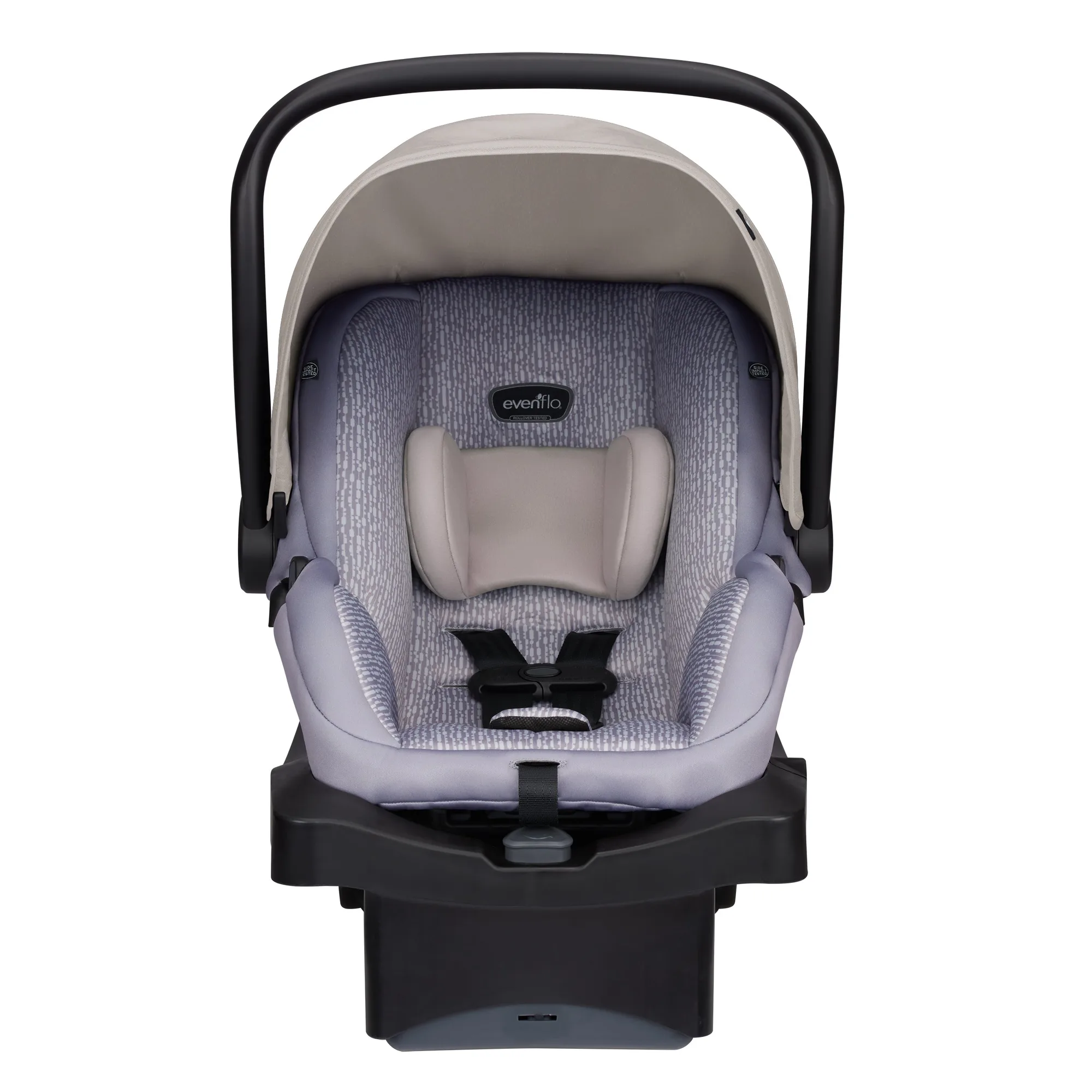
LiteMax 30 Infant Car Seat
-
Revolve360 Slim 2-in-1 Rotating Car Seat with Green & Gentle Fabric: One-hand 360° rotation provides effortless in and out in rear-facing (4-50 lb) and forward-facing (30-65 lb) modes. The rotation makes daily loading easier, and the higher weight limits allow extended rear-facing use for safety.
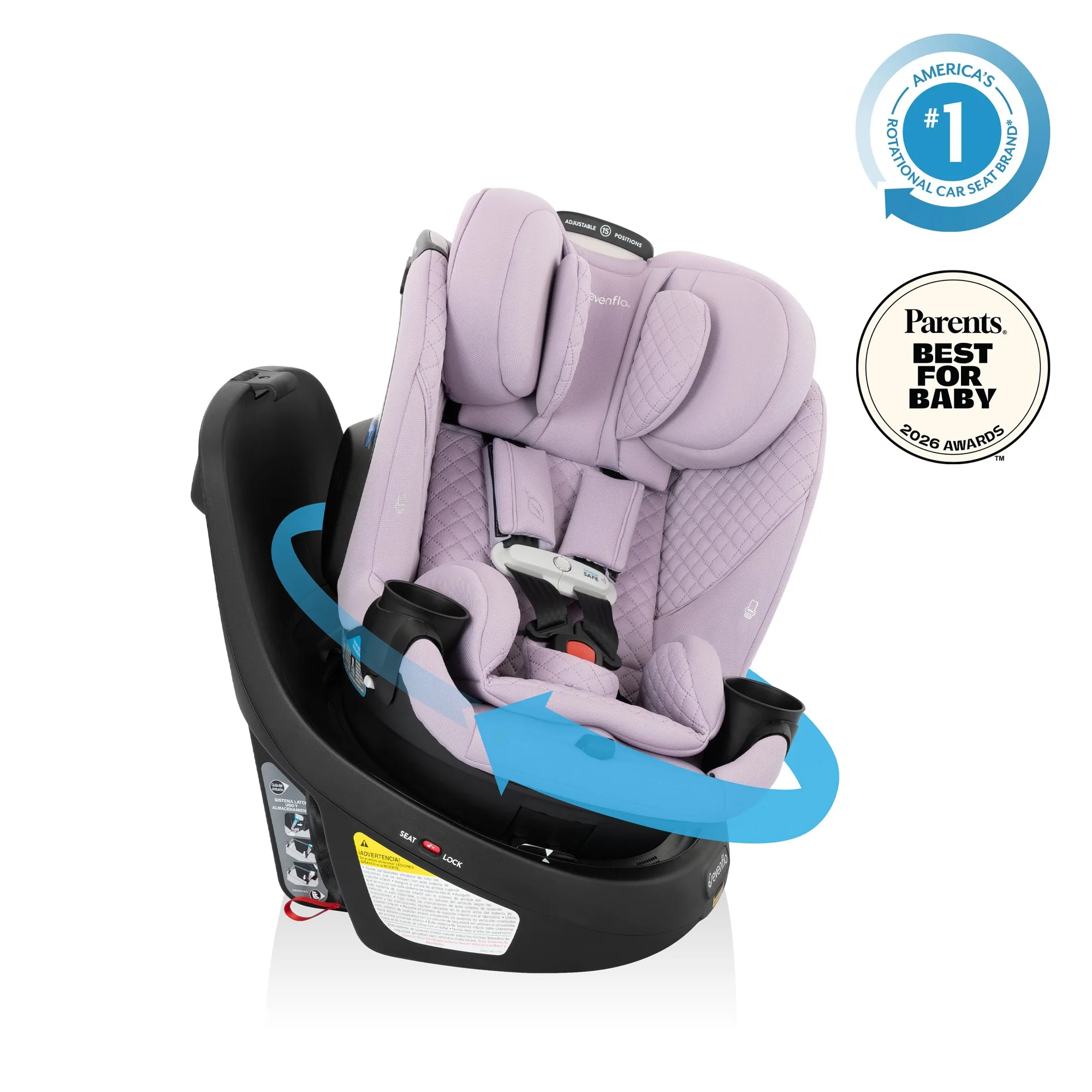
Revolve360 Slim 2-in-1 Rotating Car Seat with Green & Gentle Fabric
Which car seat is right for you?
Best for
- Newborns and infants up to 30 lb who need portability and easy carrier use
- Parents who want a lightweight, easy-to-install seat for the first year
Not for
- Children over 30 lb or those who have outgrown the infant seat's height limit
- Parents who want a single seat that lasts from infancy through booster age without buying another