Quick Answer
Choose dye inkpads for fast drying on porous paper, pigment inkpads for vibrant, slow-drying impressions that work with embossing, and chalk inkpads for a soft, matte finish on lighter cardstock. Each type has distinct tradeoffs in drying time, opacity, and finish, so match the ink to your project's needs.
Dye Inkpads: Fast and Versatile
Dye inks are water-based and absorb quickly into porous surfaces like regular cardstock, making them ideal for quick projects where you don't want to wait. They dry fast, which reduces smudging, but they can bleed on uncoated paper and are less opaque on dark or textured surfaces. Use dye inks for detailed stamps where crisp lines matter more than bold color.
Pigment Inkpads: Bold and Emboss-Ready
Pigment inks sit on the surface of the paper rather than soaking in, giving you rich, opaque color that works well on dark or coated papers. They dry slowly, which is perfect for heat embossing because you have time to add embossing powder. The slower drying time is a tradeoff: you need to either heat set or wait longer before handling your stamped image.
Chalk Inkpads: Soft, Matte, and Forgiving
Chalk inks are pigment-based but formulated to dry to a soft, matte, chalk-like finish. They are less opaque than standard pigment inks, making them great for vintage or shabby-chic looks on light cardstock. They dry slower than dye inks but faster than many pigment inks, and they are forgiving on porous paper, reducing bleeding. Choose chalk inks when you want a subtle, muted impression without harsh lines.
Key Tradeoffs at a Glance
- Drying Time: Dye inks dry fastest, pigment inks slowest, and chalk inks fall in between. Choose dye for quick projects, pigment for embossing, and chalk when you need a little working time but not too much.
- Opacity and Finish: Pigment inks are most opaque, chalk inks give a matte, muted finish, and dye inks are translucent. For dark paper, reach for pigment; for light cardstock and a soft look, chalk works well; for detailed line work, dye is best.
- Surface Compatibility: Dye inks work best on porous paper, pigment inks on coated or glossy surfaces, and chalk inks on both but with less intensity on dark backgrounds. Match the ink to your paper: dye for regular cardstock, pigment for specialty papers, and chalk for a versatile middle ground.
Stamping Tools That Work with Any Inkpad
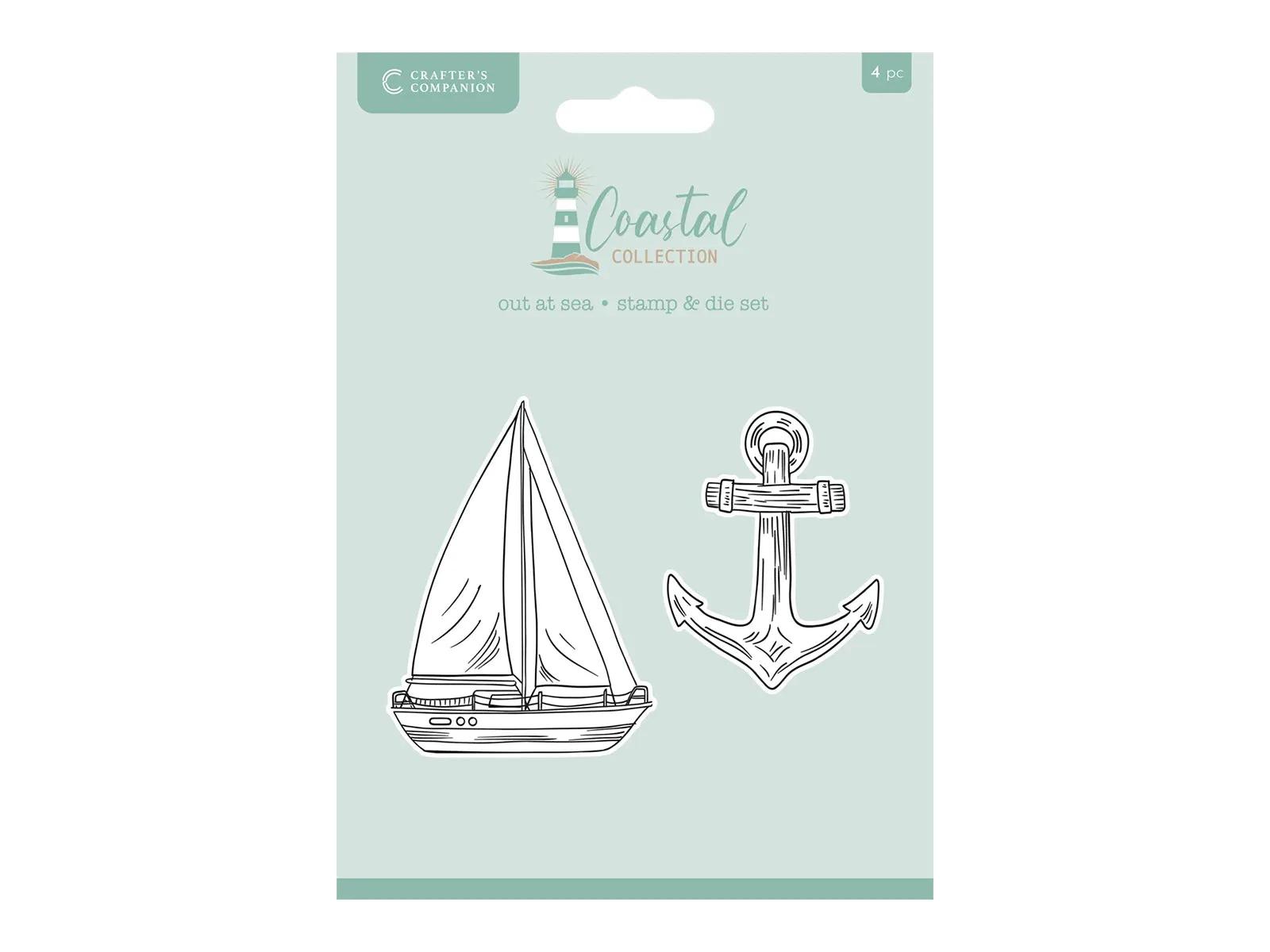
- Crafter's Companion Coastal Collection Stamp & Die - Out at Sea: The Out at Sea Stamp & Die set from the Crafter’s Companion Coastal Collection includes a sailing ship and anchor image, giving your handmade crafts a sailing theme. Detailed stamps like this benefit from a dye inkpad for crisp lines, but you can also use pigment or chalk inks for softer effects. The transparent stamps let you see exactly where you're placing the image.
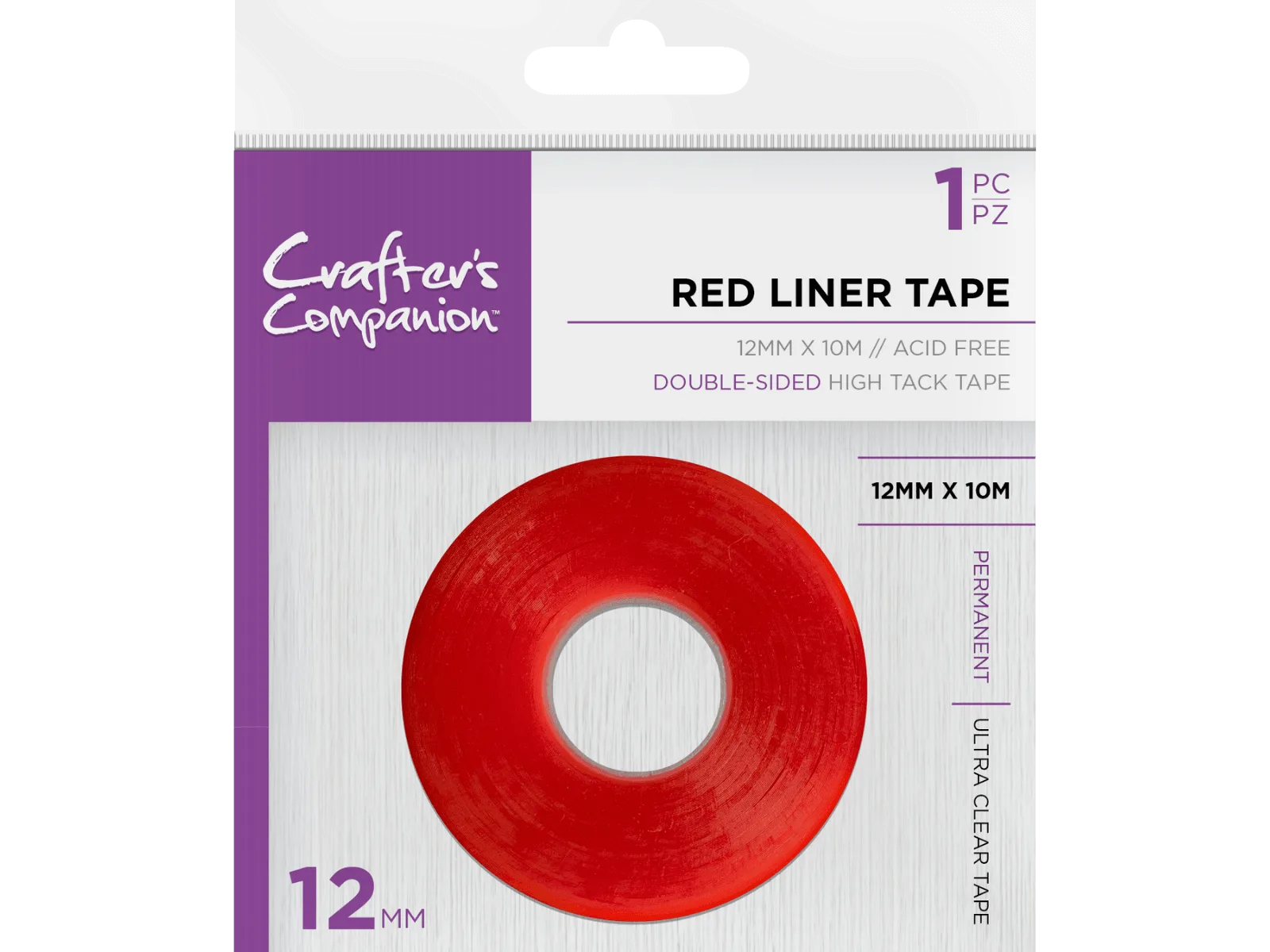
- Crafter's Companion Red Liner Double Sided Tape (12mm): Crafter's Companion Red Liner Double Sided Tape (12mm) is an ultra clear, double-sided adhesive that can withstand heat. After stamping and heat embossing with pigment ink, use this tape to mount your finished panel or card front securely without visible residue, keeping your project clean.
Which Inkpad Should You Choose?
Best For
- Dye inkpads: cardmakers who need fast drying and crisp detail on regular cardstock
- Pigment inkpads: crafters who heat emboss or work on dark or coated papers
- Chalk inkpads: scrapbookers and cardmakers who want a soft, vintage look on light papers
Not For
- Dye inkpads: projects on glossy or coated paper where ink may bead up
- Pigment inkpads: quick, one-step stamping where you can't wait for drying
- Chalk inkpads: bold, high-contrast images on dark cardstock