Quick answer
Pick an instant camera if you want the photo in your hand within seconds, plan to shoot regularly, or want a reusable body you keep for years. Pick a disposable film camera if you need a cheap, no-maintenance camera for one event and do not mind waiting on development. The real dividing line is not image quality but how often you shoot and how fast you need the print.
How the two cameras actually differ
An instant camera exposes film and develops the print inside the camera, so you watch the image appear in about a minute. A disposable film camera is a sealed, single-use body that exposes 35mm film; you finish the roll, hand the whole camera in for processing, and get prints or scans back later. One gives you a physical result on the spot, the other gives you a negative you can reprint and enlarge.
That difference drives everything else. Because an instant camera is reusable, you buy film repeatedly but keep the hardware. Because a disposable is a one-time purchase, the camera cost and the film cost arrive together, and the camera is discarded or recycled after processing.
Cost per shot: where the money really goes
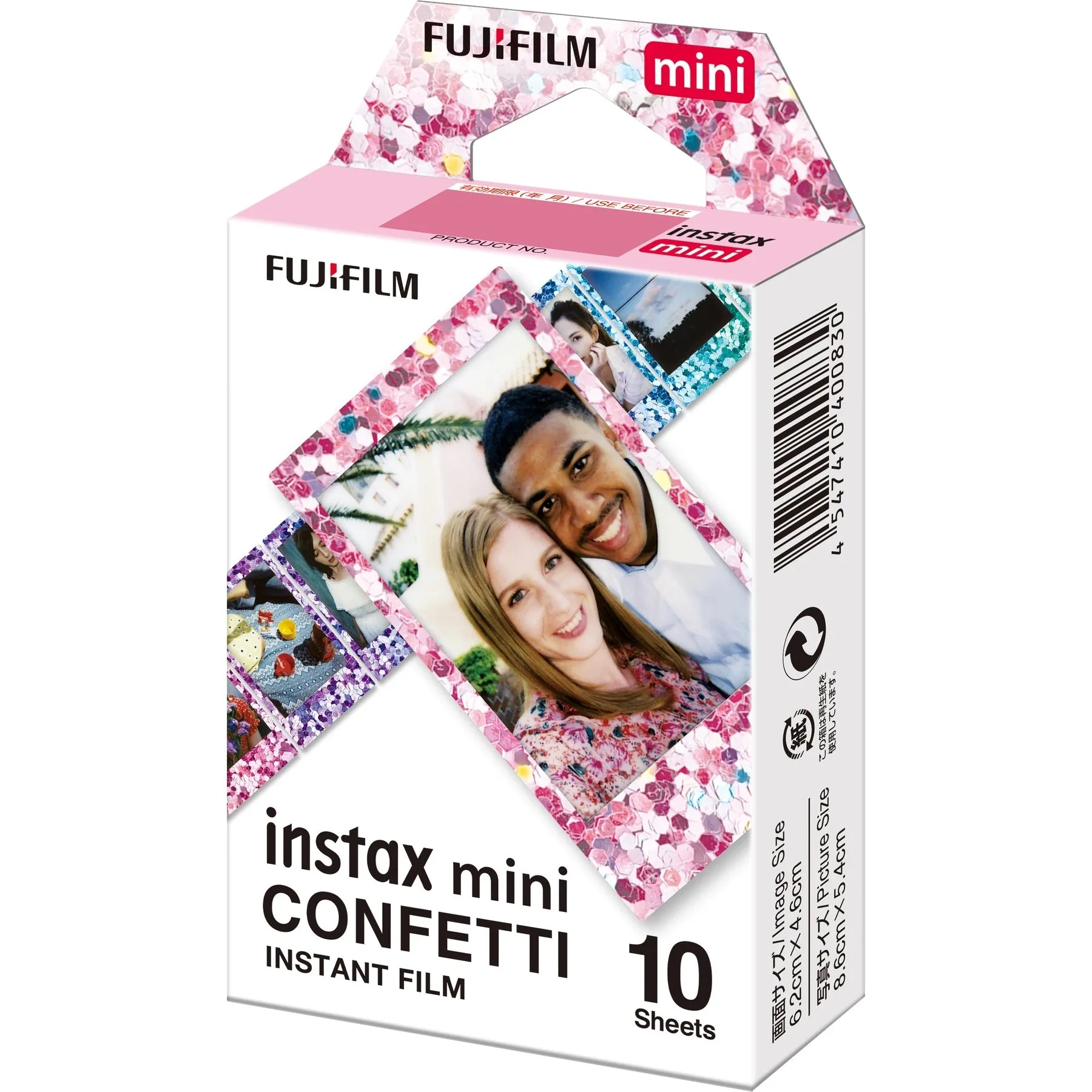
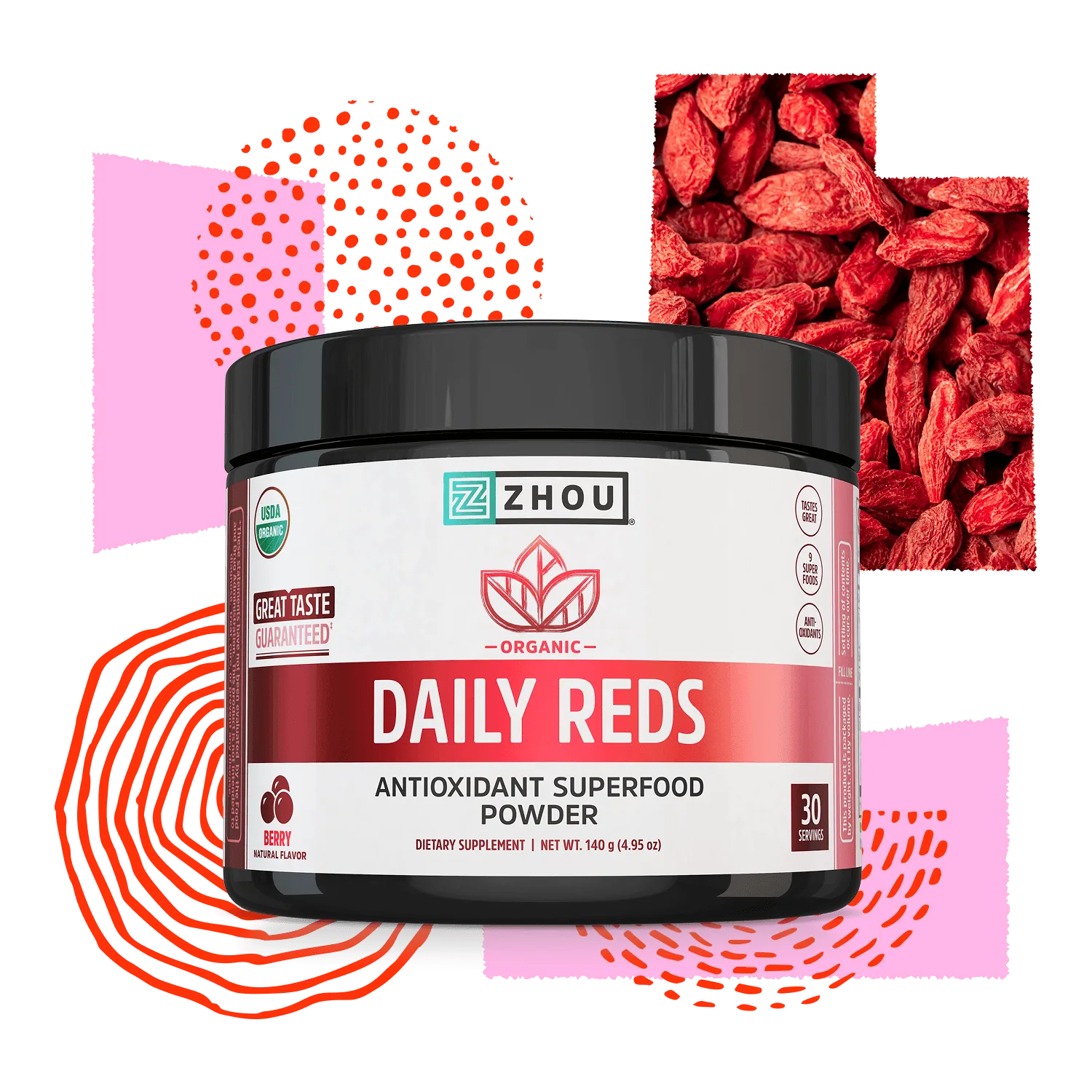
Instant film cost per shot is the number that surprises most buyers, because you pay per print rather than per roll. A 10-pack of Fujifilm Instax Mini Confetti Film (10 Pack) is priced at USD 10.20 on the current catalog, which works out to roughly USD 1.02 per photo before any camera cost. That is the ongoing price of every single frame you shoot, so a 30-photo party is a real line item.
Disposable cameras flip the math. You pay once for the camera and the loaded film, then pay again for development and prints. The per-shot cost depends heavily on what your lab charges and whether you want prints, scans, or both, so ask your local lab for a quote before you buy a stack of disposables for an event. If you only shoot a few frames a year, the disposable can be cheaper overall; if you shoot often, the reusable instant body wins over time.
Speed, sharing, and the party test
The best camera for parties is usually the one that keeps people in the moment. An instant camera hands someone a print immediately, which turns into a guest book, a fridge photo, or a keepsake before the night ends. A disposable asks guests to shoot blind, with no preview and no result until days later, and you cannot tell whether a shot worked until the roll comes back.
There is also the instant printer vs instant camera question. A dedicated instant camera is simpler because the printer and the lens are one device, but a printer lets you choose which phone photo to print. If your group already shoots everything on phones, a printer may fit better; if you want the camera to be the experience, a dedicated instant body is the cleaner choice.
Development, reprints, and long-term value
Film development for disposables is the step people forget. You cannot reuse the camera, you cannot reprint a frame without the negative or scan, and the whole roll is a single unit. Instant prints are also one-of-a-kind unless you scan them, but you get the image instantly and can decide on the spot whether to keep shooting.
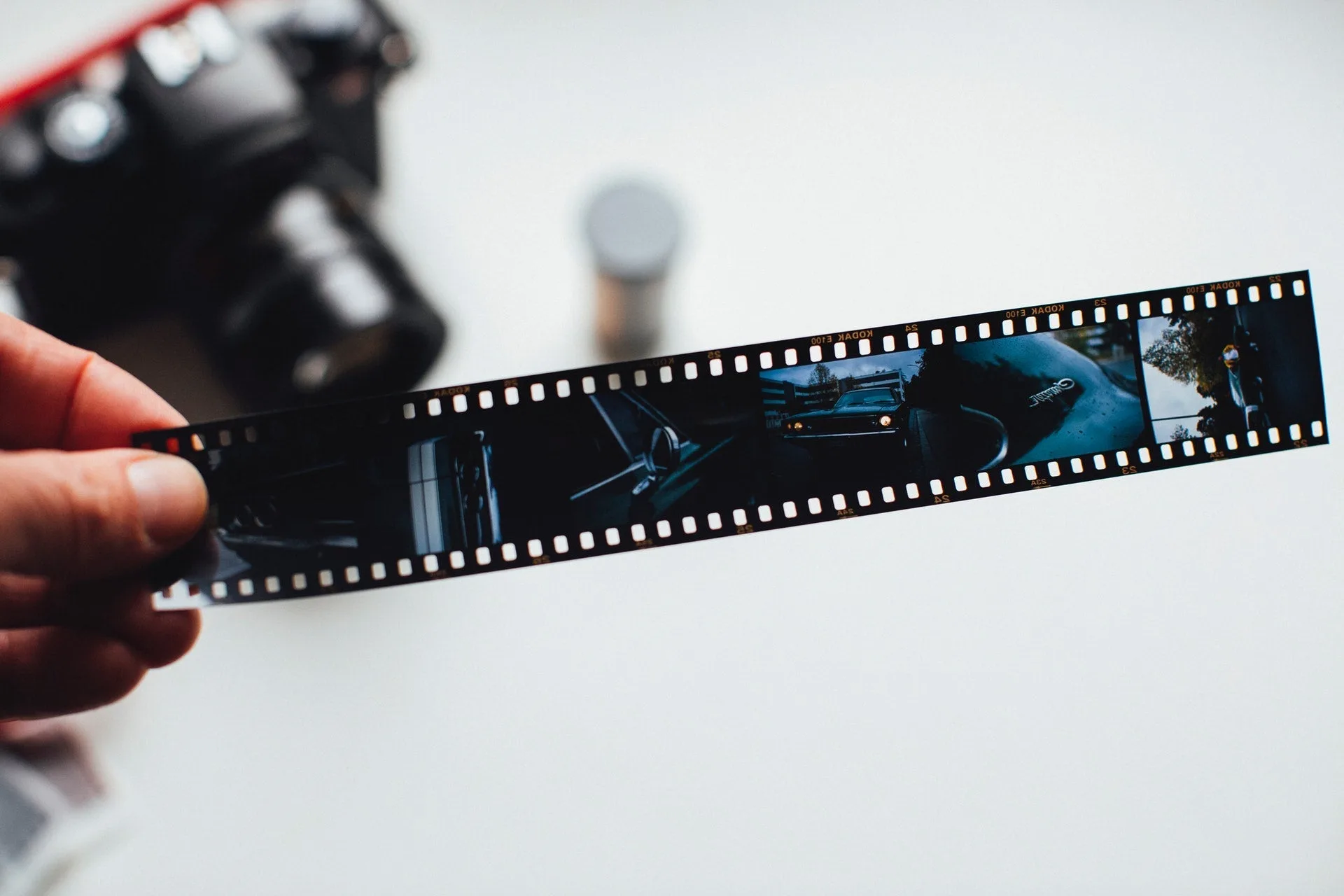
Film development
For a beginner film camera choice, the deciding question is whether you want to learn exposure and composition with feedback. Instant gives fast feedback; disposable gives almost none. Neither is wrong, but they teach different habits.
Trade-offs at a glance
- Instant camera: speed vs cost per shot: You get a print in about a minute and keep the camera, but every frame costs money, and a 10-pack of Instax Mini film runs USD 10.20 in the current catalog. Best when the immediate print is the point and you shoot often enough to justify the body.
- Disposable camera: low upfront vs delayed results: One purchase covers camera and film, but you shoot blind, cannot preview, and pay for development before you see anything. Best for a single event where you want zero maintenance and can wait for the lab.
- Instant printer vs instant camera: A printer lets you pick phone photos to print; a dedicated instant camera makes the shooting itself the shared activity. Choose the printer for curation, the camera for the group experience.
- When to move up to mirrorless or cinema: If you start wanting manual control, reprints, or video, a mirrorless body or a cinema camera replaces the snapshot workflow entirely. Treat instant and disposable as entry points, not the end of the road.
Products that fit each path
- Fujifilm Instax Mini Confetti Film (10 Pack): Fujifilm Instax Mini Confetti Film (10 Pack) contains 10 sheets of Instax Mini instant film with a confetti-themed border and is compatible with all Fujifilm Instax Mini cameras. If you choose an instant camera, this is the recurring cost you budget for, and the festive border suits parties and events where the print is part of the fun.
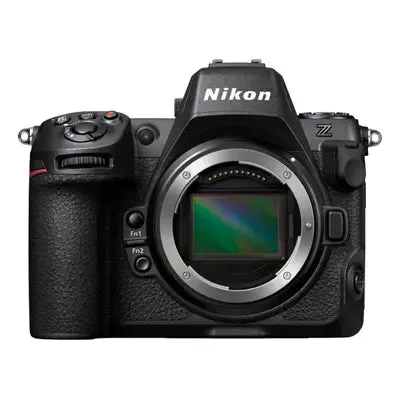
- Nikon Z 8 Body Only: The Nikon Z 8 Body Only is a mirrorless camera with a 45.7MP FX-format sensor, 8K UHD video, and the EXPEED 7 processor with real-time viewfinder, pre-release capture, and rapid-fire autofocus. This is the upgrade path if you outgrow instant or disposable snapshots and want full control, high resolution, and video in one body.
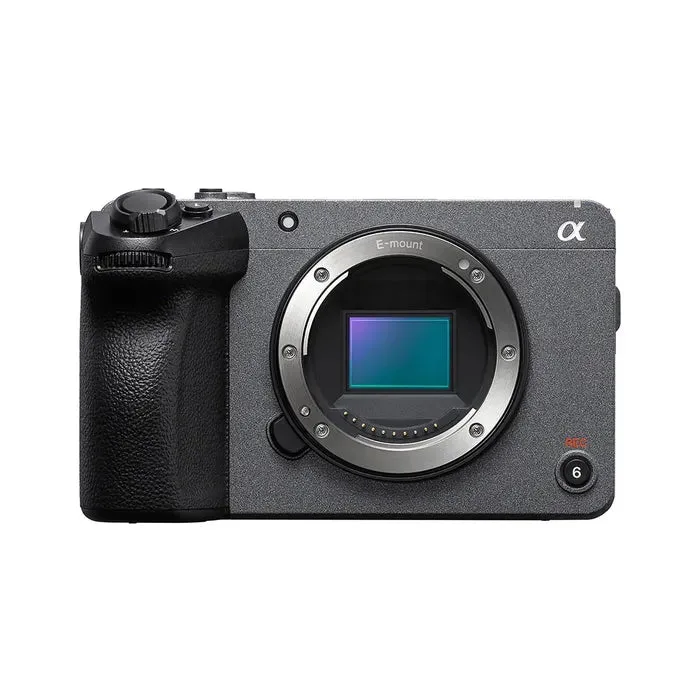
- Sony Cinema Line FX30 Body APSC E-Mount Video Camera: The Sony Cinema Line FX30 Body APSC E-Mount Video Camera offers S-Cinetone and S-Log3 for high-level grading in a compact body aimed at up-and-coming creators. A sensible next step for anyone who liked shooting events on film but now wants cinematic video rather than still prints.
Which should you buy?
Choose an instant camera if you:
- want a physical print in seconds at parties, weddings, or gatherings
- shoot often enough that a reusable body beats buying disposables each time
- like the idea of a confetti-bordered Instax print as a guest keepsake
Choose a disposable film camera instead if you:
- need the lowest possible upfront spend for one event
- do not want to carry or reload film and are fine waiting on development
- prefer scans and reprints from a lab over one-of-a-kind instant prints