Quick answer
Choose an insulated bag when you need to carry food and drinks comfortably and pack them into a larger bag or tight space. Choose a hard cooler when you need maximum cold retention for a full day or more and don't mind the bulk. For most commutes, day trips, and travel days, a soft-sided insulated bag is the more practical everyday choice.
Most people searching for an insulated bag vs cooler are really asking one question: which one will actually keep my food cold without becoming a pain to carry? The honest answer is that they solve the same problem in different ways, and the right pick depends on how long you're gone and how much space you have.
This comparison breaks down how each style performs on real trips, where each one falls short, and how CALPAK's soft-sided insulated options fit into the picture. No lab claims, just the practical trade-offs you'll notice by the time you're packing.
How insulated bags and hard coolers actually differ
A hard cooler uses a rigid shell, thick foam walls, and a tight lid seal to trap cold air for as long as possible. That design is why a quality hard cooler can hold ice through a long day or overnight. The cost is weight and bulk: it doesn't collapse, it doesn't squeeze into an overhead bin, and you carry it separately from everything else.
An insulated bag uses flexible insulated walls and a zippered or flap closure. It won't match a hard cooler's cold retention over many hours, but it's lighter, easier to carry, and can often be packed inside or alongside other bags. That flexibility is the whole point, and it's what makes soft-sided bags the default for commuting, day trips, and travel days.
- Hard cooler: best cold retention, heaviest, least packable.
- Insulated bag: lighter and more packable, shorter cold retention.
- Neither stays cold forever; both depend on how you pre-chill and pack.
Where soft-sided insulated bags win
The biggest advantage of a soft-sided insulated bag is that it goes where a hard cooler can't. It slides under a seat, fits in a tote, and doesn't need its own dedicated hand. If you're juggling a laptop bag, a stroller, or a carry-on, that matters more than an extra hour of ice retention.
Soft-sided bags also tend to be easier to clean and store. Many have wipeable linings, and when empty they flatten down instead of taking up a permanent corner of your closet. For daily use, that convenience usually decides which bag you actually reach for.
- Look for a fully insulated interior and an easy-clean lining.
- A carry handle plus an adjustable strap covers more carrying situations.
- Zippered closures keep cold air in better than open totes.
Where hard coolers still make sense
If your priority is keeping food cold for the longest possible stretch, a hard cooler is still the stronger tool. Camping trips, full-day tailgates, and multi-hour drives with raw food are cases where the extra insulation and rigid seal earn their weight.
The trade-off is that you're committing to a bulky item. A hard cooler doesn't fold, doesn't tuck into a backpack, and usually needs a second trip from the car. If you only need cold storage for a few hours at a time, that bulk is hard to justify.
- Best for full-day or overnight cold retention.
- Plan for the space it takes in the trunk and at home.
- Not ideal if you're also carrying luggage or a work bag.
What to check before you buy either one
Start with time. If you're away from a fridge for two to four hours, an insulated bag is almost always enough. If you're away for eight or more, a hard cooler or a bag paired with quality ice packs is the safer bet. The gap between the two narrows a lot once you add a frozen gel pack and pre-chill the bag.
Then look at capacity and closure. A bag that holds up to four bottles is great for a baby bag or a family snack run, but it won't hold a full picnic. Match the interior size to your actual load, and check that the closure seals well, since an open top lets cold air escape fast.
- Pre-chill the bag or cooler before loading it.
- Use ice packs sized to the interior, not loose ice.
- Pack cold items tight together to reduce empty air space.
The trade-offs, side by side
- Cold retention: Hard coolers hold cold longer thanks to rigid foam walls and a tight seal. Soft-sided insulated bags trade some of that retention for portability. Going longer than a few hours? Add ice packs or choose a hard cooler.
- Carry comfort: An insulated bag with a handle and adjustable strap is far easier to carry alongside luggage, a stroller, or a work bag than a rigid cooler. If you're already carrying two bags, soft-sided wins.
- Storage and packing: Insulated bags flatten and tuck away; hard coolers take up fixed space at home and in the car. Small home or packed car? Factor in where it lives when empty.
CALPAK insulated options worth comparing
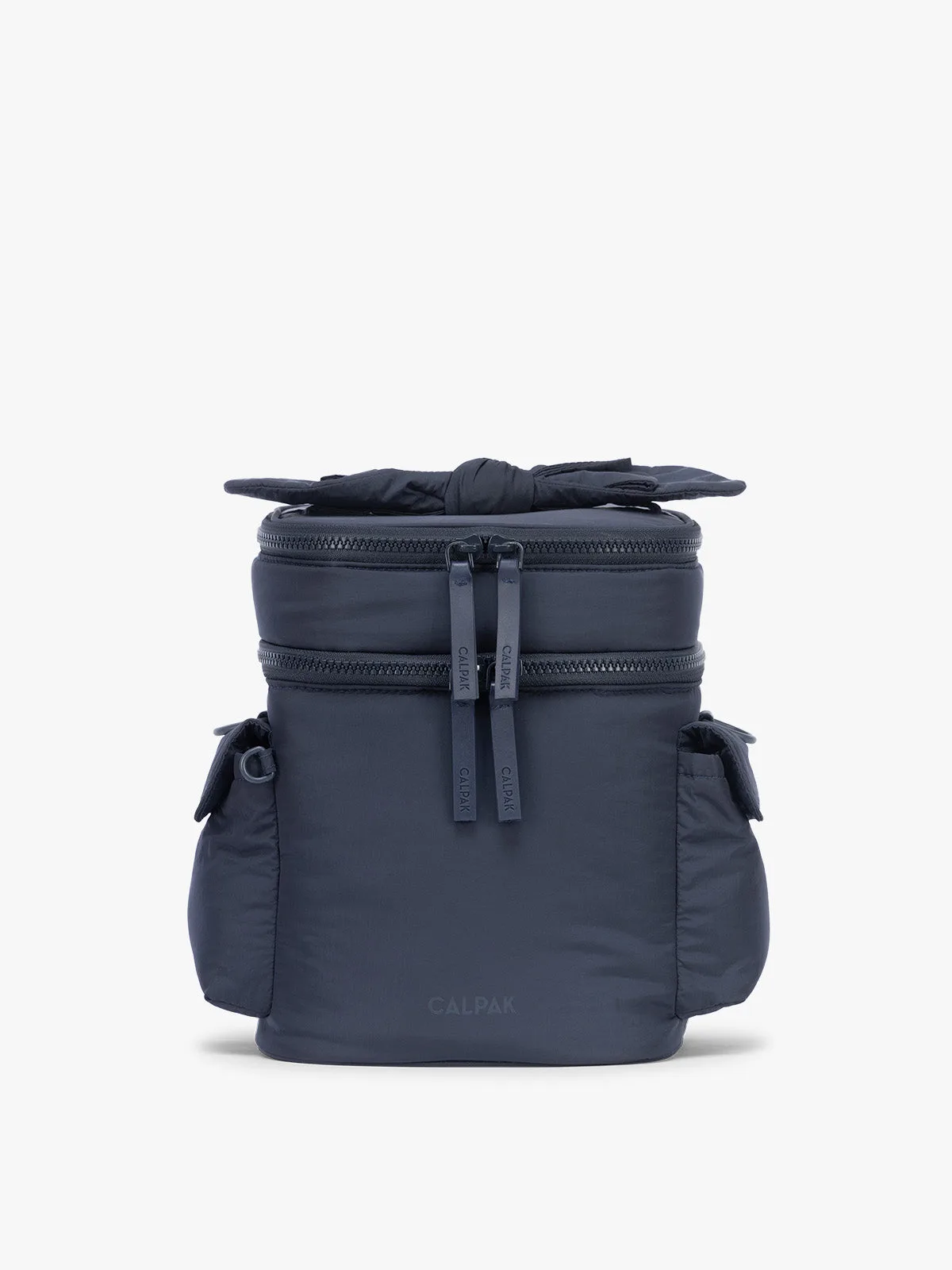
- Insulated Baby Bottle Bag: Fully insulated interior with an easy-clean lining, space for up to four bottles, a carry handle, and an adjustable strap. It's a soft-sided insulated bag built for bottles, drinks, and snacks, so it covers the short-trip use case where a hard cooler is overkill.
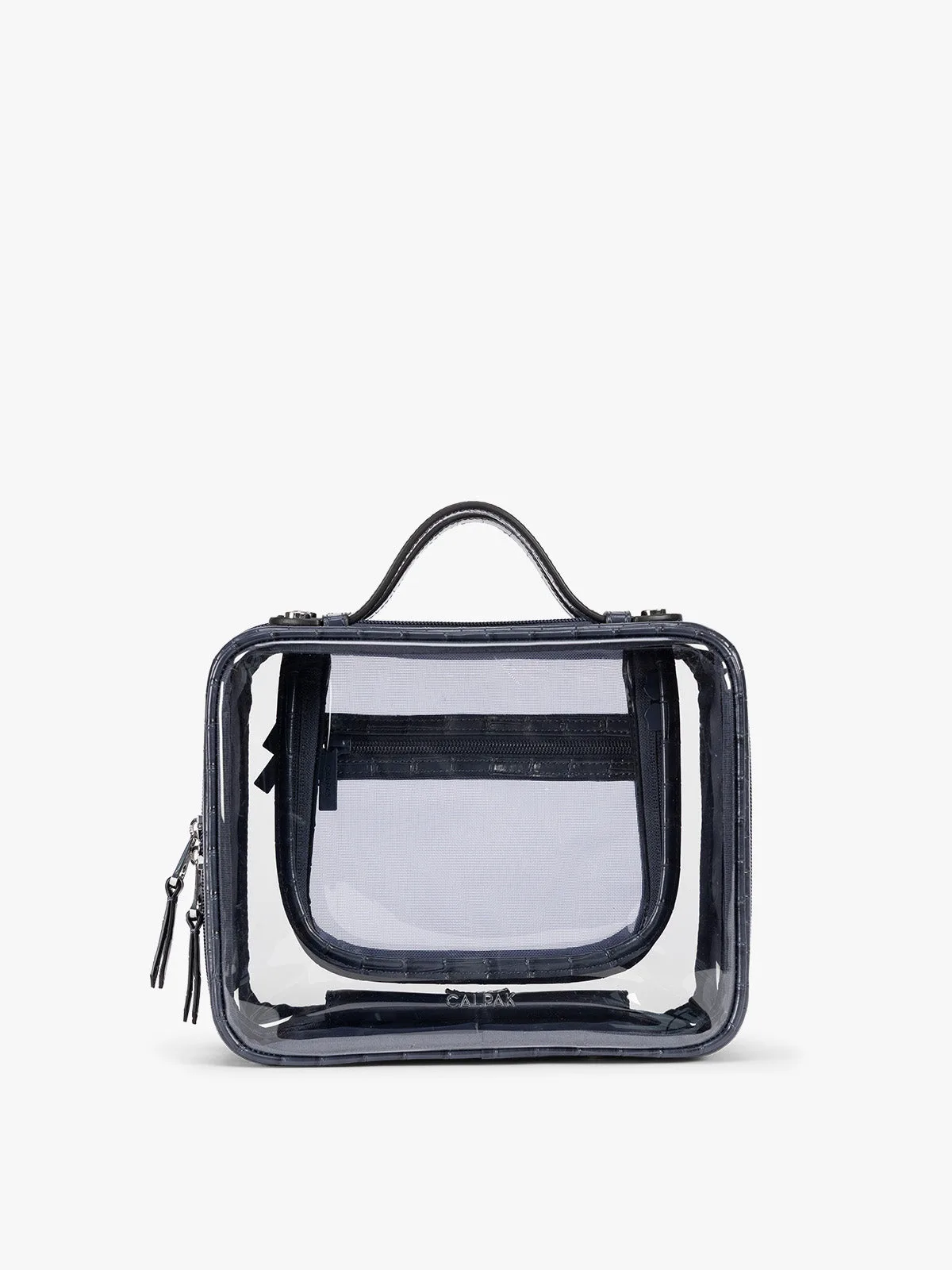
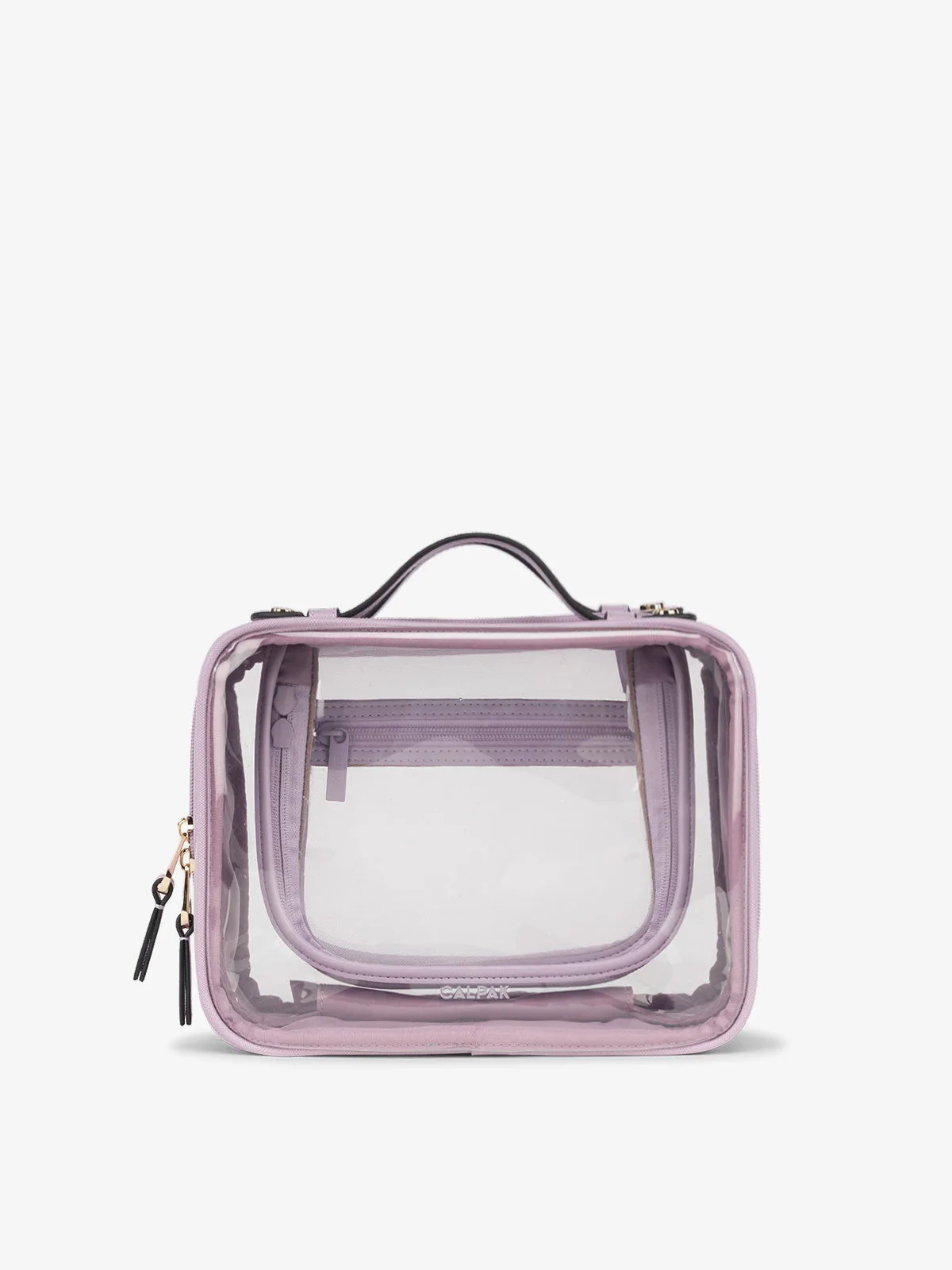
- https://calpaktravelec.com/products/medium-clear-cosmetics-case-in-croc-embossed-3b7e89bc3f0523ebedbb4fe1-1494286Medium Clear Cosmetics Case in Croc-Embossed: Roomy interior with a mesh zippered pocket and croc-embossed texture, sized to fit into a travel routine. Not insulated, but useful for keeping dry snacks and utensils separated from cold items in the same bag.
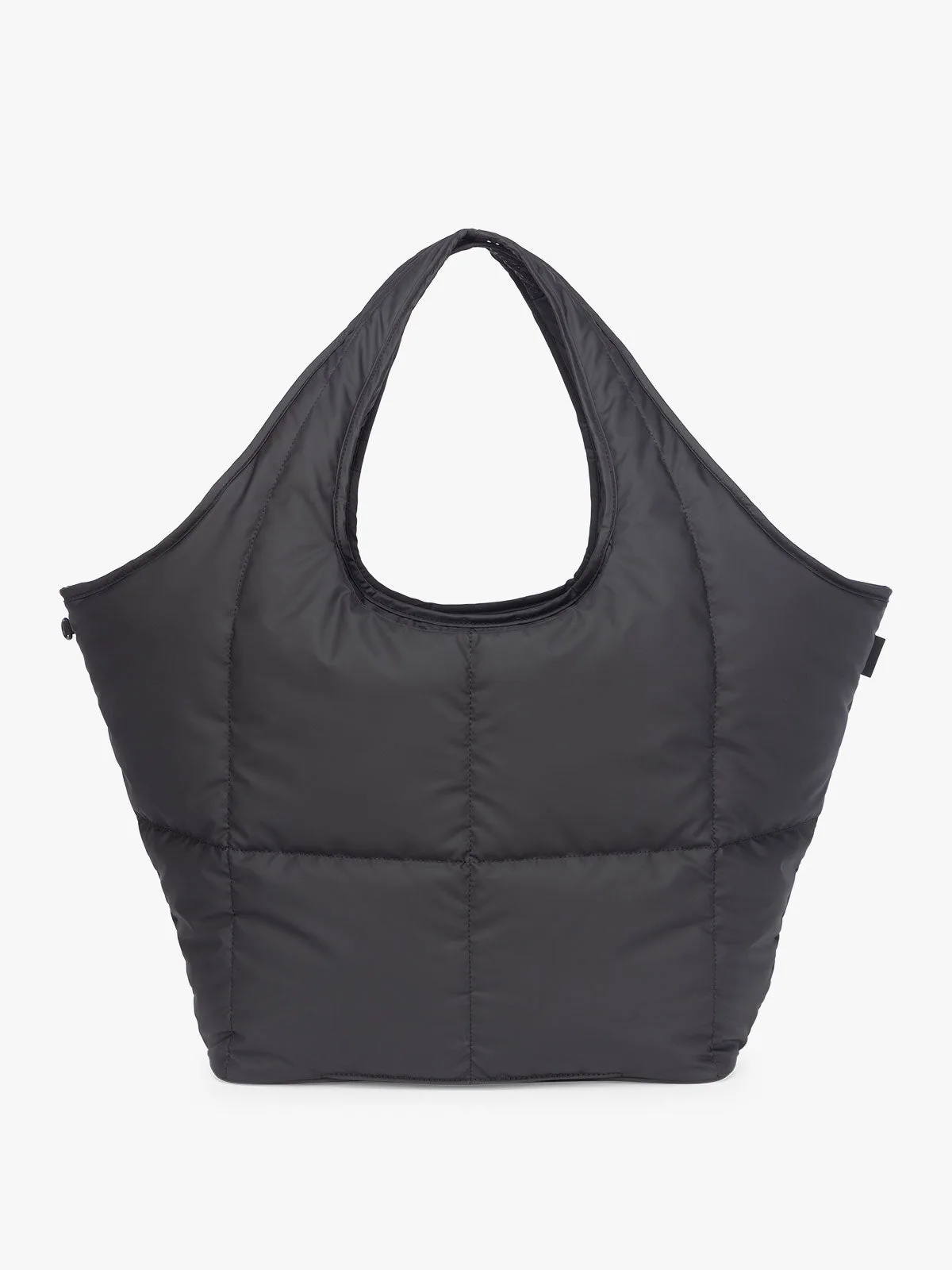
- https://calpaktravelec.com/products/luka-everything-laptop-tote-bag-in-vegan-leather-c78ad659f7621b46be728087-1494299Luka Everything Laptop Tote Bag in Vegan Leather: Vegan leather exterior with a water-resistant lining, multiple interior pockets, a padded laptop sleeve, a trolley sleeve, and a key leash. It won't keep food cold on its own, but it's the kind of structured tote that a small insulated bag slides into for a commute.
Which should you choose?
Choose an insulated bag if you
- need to keep bottles, drinks, or snacks cold for a few hours
- want something that fits inside a tote, backpack, or carry-on
- are commuting, traveling, or managing a stroller and a diaper bag
Choose a hard cooler instead if you
- need cold retention for a full day or overnight
- are transporting raw food or a large quantity of drinks
- don't mind the bulk and have room to carry it separately
For everyday cold storage, a soft-sided insulated bag is the more useful tool because you'll actually carry it. Reach for a hard cooler only when the trip is long enough that cold retention outweighs convenience. Match the bag to your real hours away from a fridge, and either option will do its job.