Why Iced Coffee Cups Sweat (and How to Stop It)
When you pour a cold drink into a regular cup, moisture in the warm air condenses on the cold surface. That's why your iced coffee leaves a wet ring on the table. The simplest fix is a double-wall insulated cup. The air gap between the walls keeps the outer surface closer to room temperature, so condensation doesn't form.
What Makes an Insulated Iced Coffee Cup Different
A true insulated iced coffee cup uses two layers with a sealed vacuum or air pocket. This design does two things at once: it keeps your drink cold for hours and prevents the outside from getting cold enough to sweat. That's why many people call it a "no sweat cup." You get the benefit of a cold beverage without the mess.
Real-World Experience with an Insulated Cup
-
Insulated Iced Coffee Cup: My partner loves this for his coffee! We’ve both had all glass and all plastic keep cup’s previously but we both smashed our glass cups and the plastic version’s took on different unwanted/unwashable odours. This version is the best we’ve tried, bit pricier but I can see why, genuinely so much better! This firsthand account shows that an insulated design can solve common frustrations like breakage and lingering smells, while also delivering a better drinking experience. The higher cost is justified by the improved performance and durability.
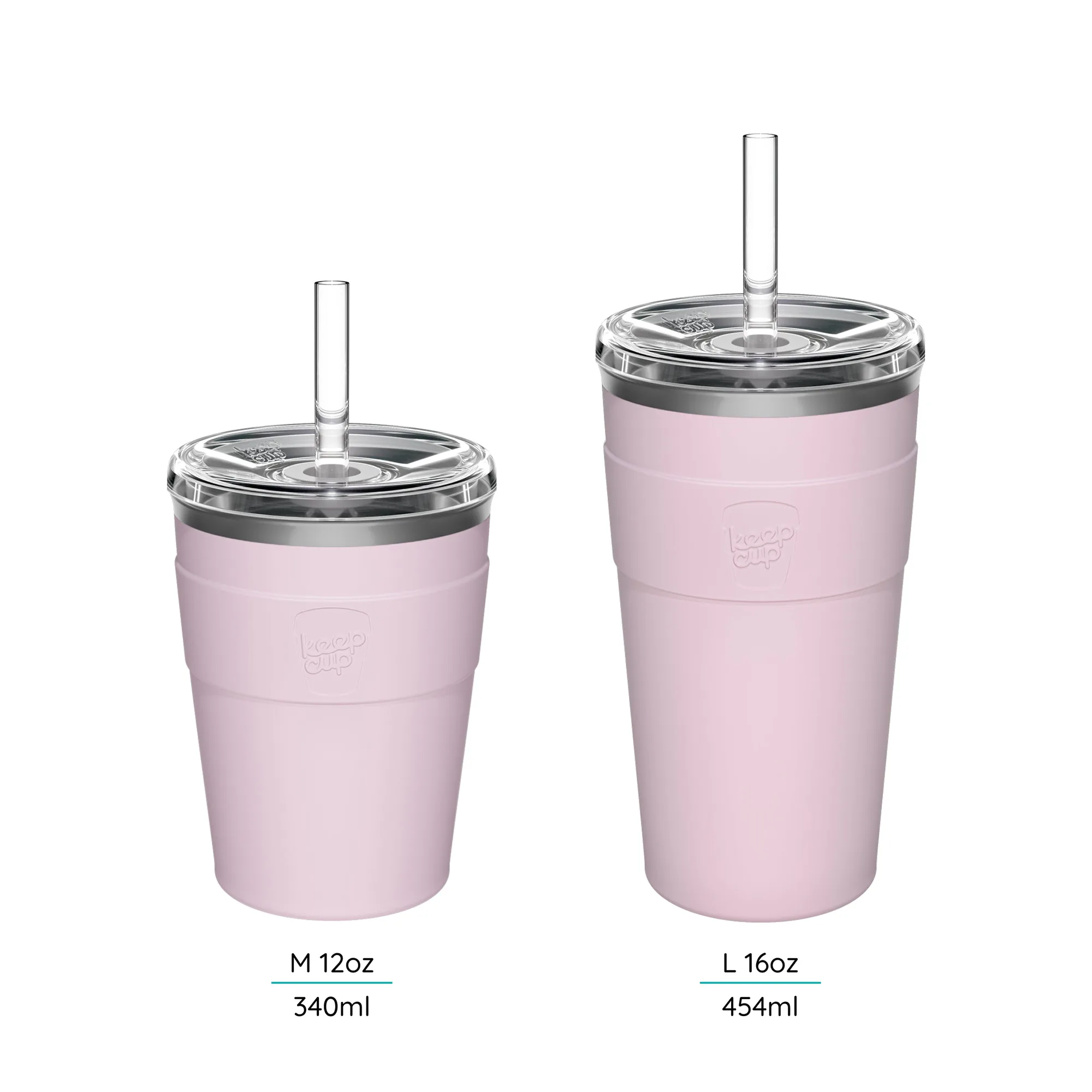
Insulated Iced Coffee Cup
Tips to Maximize Condensation Prevention
Even the best insulated cup works better with a few simple habits. Follow these steps to keep your cup dry from the first sip to the last.
- Pre-chill your cup: Rinse your insulated cup with cold water or pop it in the fridge for a few minutes before adding ice and coffee. A pre-chilled cup reduces the initial temperature shock and helps the insulation work more efficiently.
- Use enough ice: Fill your cup with ice before pouring in the coffee. The ice absorbs heat as it melts, keeping the drink cold without forcing the outer wall to drop in temperature. This also slows dilution.
- Avoid overfilling: Leave a little space at the top. If the cup is too full, the lid may not seal properly, and warm air can sneak in. A good seal helps the double-wall design maintain its temperature separation.
- Keep the lid on: The lid is part of the insulation system. Removing it lets warm, humid air reach the drink and the inner wall, making condensation more likely. Keep it closed between sips.
When a Double-Wall Cup Isn't Enough
In very humid conditions, even a well-insulated cup may develop a light mist on the outside. This is normal and doesn't mean the cup is failing. Wipe it with a cloth and continue. If you see heavy condensation, check that the lid is secure and that the cup isn't cracked or damaged. A compromised seal or wall can let moisture through.