Quick answer
An insulated jacket should fit close enough to trap warmth but leave room for a light base layer and easy arm movement. You should be able to zip it fully without the fabric pulling across your chest or shoulders. If you plan to wear it under a shell, size so it doesn't bunch; if it's your outermost layer, a slightly roomier fit works.
How should an insulated jacket fit in the chest and shoulders?
The chest and shoulders are where fit matters most. The jacket should lie flat without tightness when you reach forward or cross your arms. If the fabric pulls or the zipper strains, it's too small. If the shoulders droop or the hem rides up when you lift your arms, it's too big. A proper fit allows a full range of motion without excess fabric that can snag or let in drafts.
How much room do I need for layering under an insulated jacket?
You need enough room for a base layer and possibly a light midlayer, but not so much that the insulation loses its loft. A good test: wear your typical winter layers, then put on the jacket. You should be able to zip it and move comfortably, with the inner layers not compressed too tightly. If the jacket feels restrictive, size up; if it feels like a tent, size down.
Should I size up or down for an insulated hooded jacket?
Size up if you plan to wear the jacket over bulky sweaters or as part of a layering system under a shell. Size down if you want a trim fit for active pursuits like skiing or hiking, where excess fabric can catch wind. Always check the brand's size chart and read reviews for fit notes, as sizing can vary between models.
How do I know if my insulated jacket is too tight or too loose?
Too tight: the zipper pulls, shoulders feel constricted, and you can't raise your arms without the hem lifting. Too loose: the jacket hangs away from your body, cold air circulates, and the hem drops below your hips. The sweet spot is a fit that follows your contours with just enough space for a thin layer.
Does the fit change if I wear the jacket under a shell?
Yes. When worn under a waterproof shell, your insulated jacket should be as streamlined as possible to avoid bunching. Look for a trim or regular fit rather than relaxed. The combined layers should still allow you to move freely. If the shell feels tight over the jacket, consider a thinner insulation piece or size up in the shell.
Fit checkpoints before you commit
Zip test
Zip the jacket fully over your typical layers. It should close smoothly without pulling or gaping. If it strains, size up.
Reach test
Raise your arms overhead and reach forward. The hem shouldn't rise above your waist, and the shoulders shouldn't feel tight. If movement is restricted, try a larger size.
Layer test
Wear the jacket over a base layer and a midlayer like the Otero Fleece Half-Zip. You should still be able to move freely. If it feels bulky, consider a trimmer jacket or thinner midlayer.
Fit examples from Cotopaxi jackets
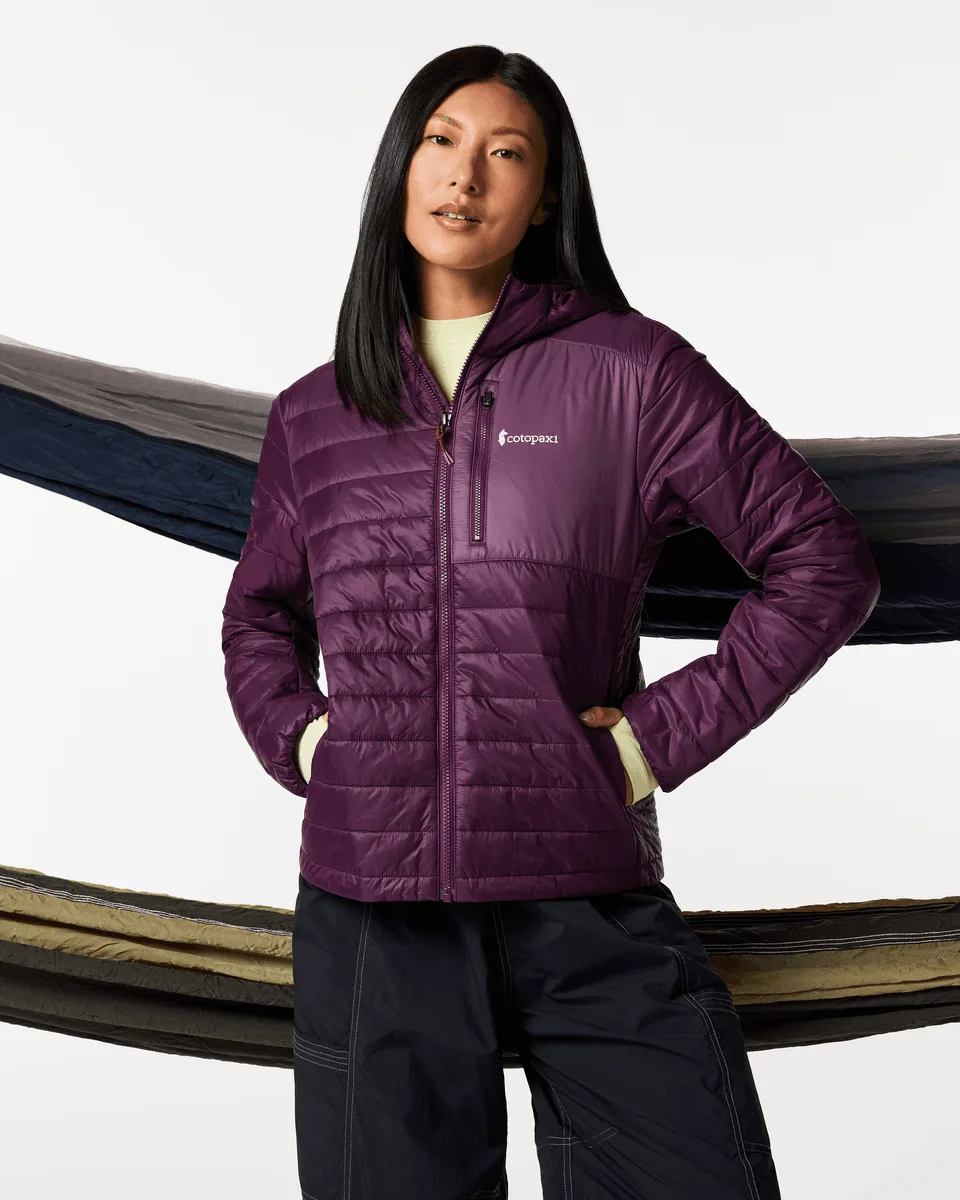
- Acodo Insulated Hooded Jacket - Women's: Acodo Insulated Hooded Jacket - Women's: synthetic insulation at the core and breathable recycled fleece at the sleeves, packable. The hybrid design means the sleeves have less bulk, so the jacket may fit closer in the arms while still allowing layering at the core.
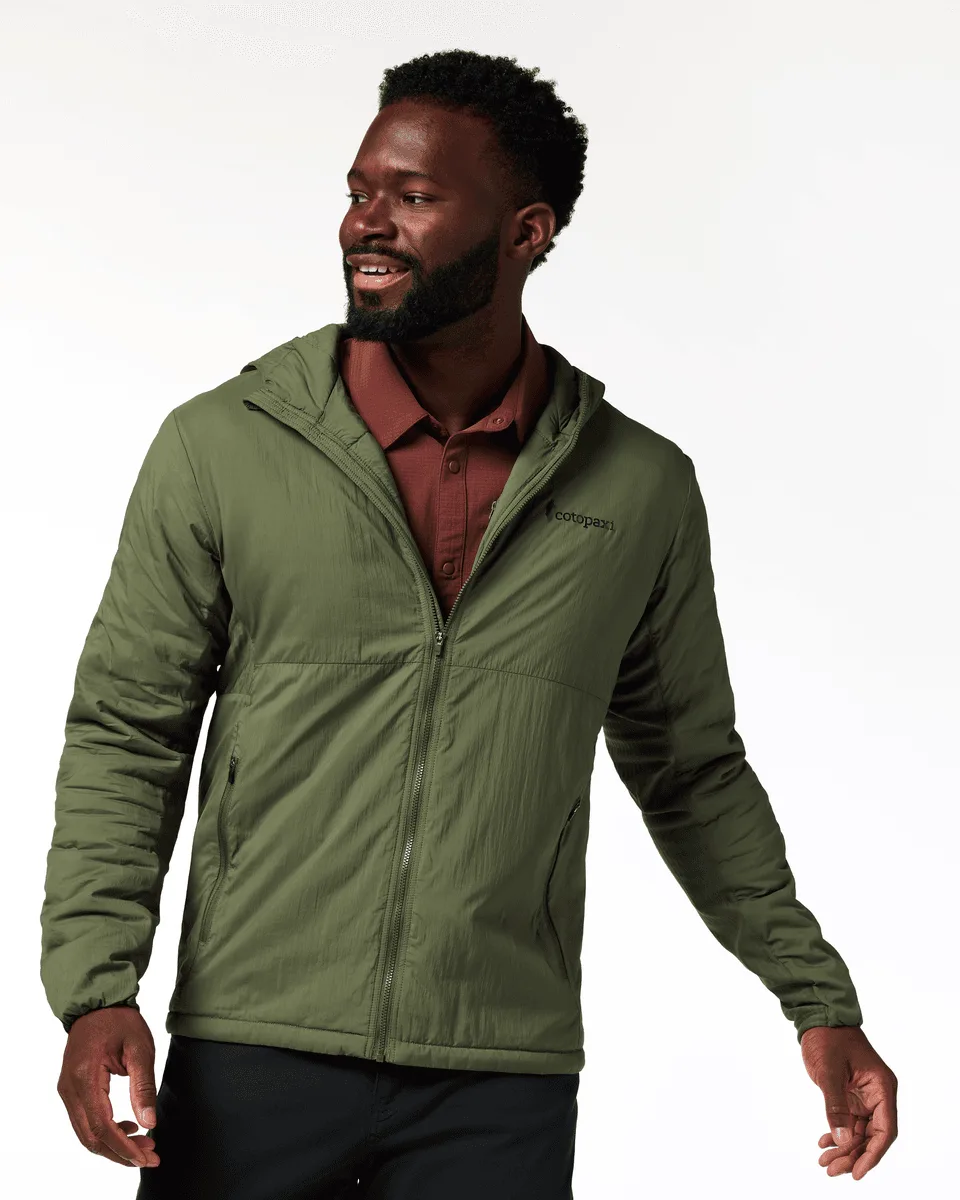
- Pacaya 2.0 Insulated Hooded Jacket - Men's: Pacaya 2.0 Insulated Hooded Jacket - Men's: movement-friendly and breathable, with a 100% recycled shell and recycled wool insulation. Its movement-friendly cut is designed for active use, so it should allow a full range of motion without feeling tight.
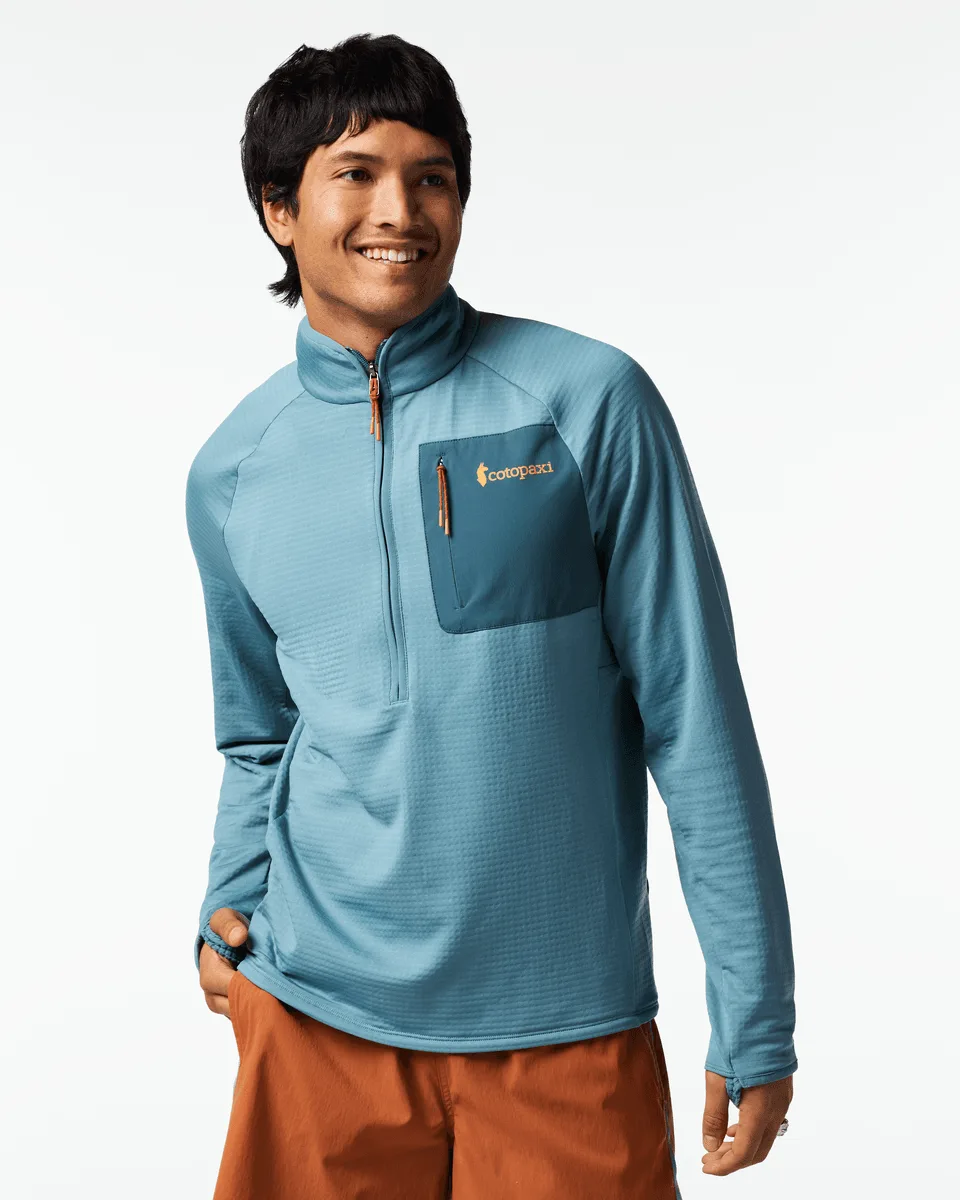
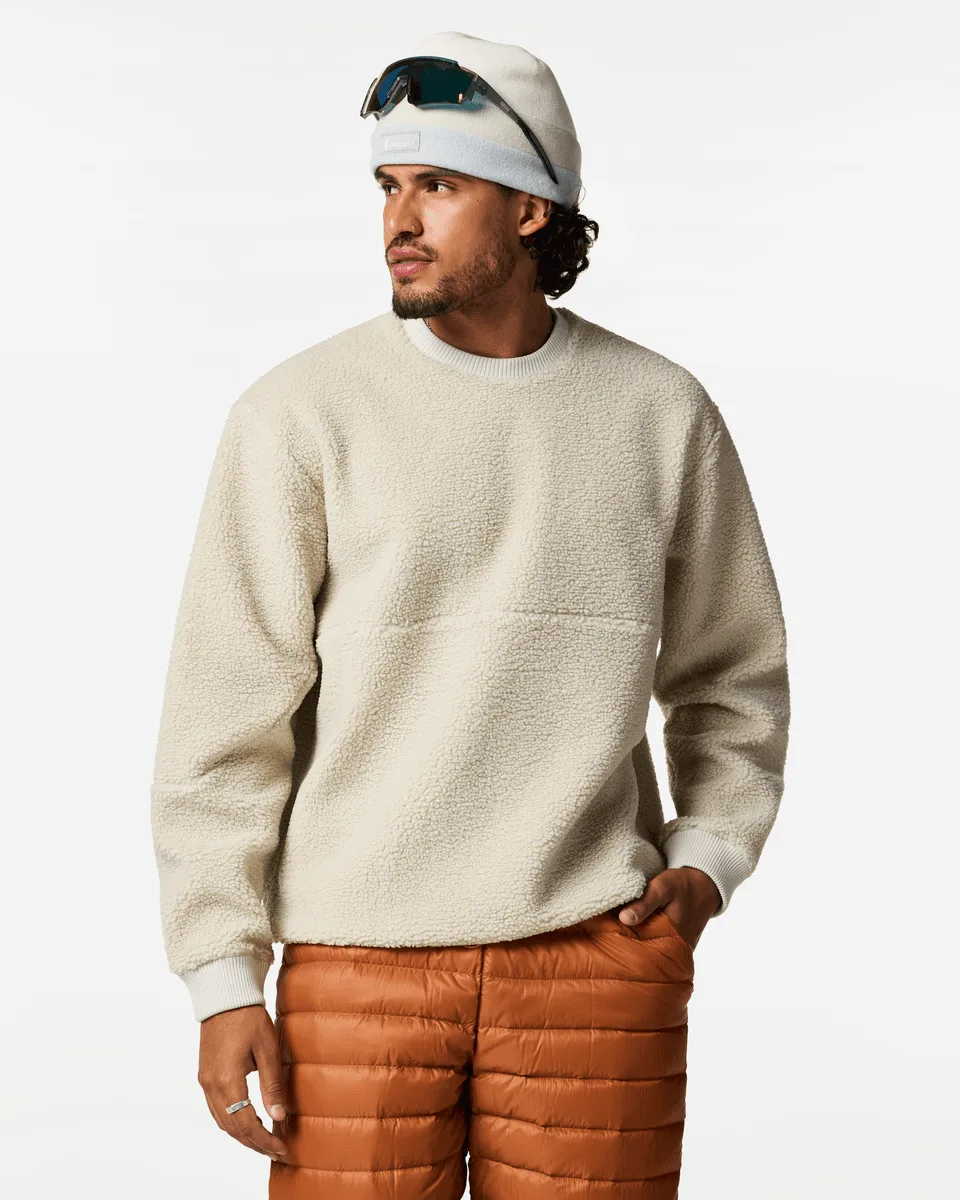
- Otero Fleece Half-Zip Pullover - Men's: Otero Fleece Half-Zip Pullover - Men's: fitted silhouette, recycled polyester blend, raised grid back for warmth and breathability. As a midlayer, its fitted shape layers easily under an insulated jacket without adding bulk.