Quick Answer
To introduce a new acne product without damaging your skin barrier, start with a patch test, then gradually add it to your routine—ideally every other day—while monitoring for irritation. Always pair active treatments with a gentle cleanser and moisturizer to support your barrier.
Adding a new acne treatment to your routine is exciting, but it can also be risky. If you go too fast or use the wrong products together, you might end up with more redness, flaking, and breakouts than you started with. The key is to introduce new products slowly and watch how your skin responds.
Your skin barrier is your first line of defense. When it's compromised, your skin becomes more sensitive, irritated, and prone to acne. That's why it's essential to introduce new products—especially active ones like benzoyl peroxide—with care. This guide walks you through a safe introduction process that helps you achieve clearer skin without wrecking your barrier.
Why Skin Barrier Health Matters When Adding Acne Products
Your skin barrier is a protective layer that locks in moisture and keeps out irritants. When you add a new acne product, especially one with active ingredients like benzoyl peroxide, you're putting stress on that barrier. If it's already compromised, you may experience stinging, redness, and peeling.
A healthy barrier is also essential for acne-prone skin. When your barrier is damaged, your skin can become more inflamed, which can actually make acne worse. That's why it's important to pair any new active treatment with supportive products like a gentle cleanser and a hydrating moisturizer.
- Look for signs of a damaged barrier: persistent redness, tightness, flaking, or a stinging sensation when applying products.
How to Patch Test a New Acne Product
Before you apply a new product to your entire face, do a patch test. This is a simple way to see if your skin reacts badly. Choose a small area—like behind your ear or along your jawline—and apply a small amount of the product. Wait 24 to 48 hours to see if any irritation occurs.
If you have sensitive skin or are testing a strong product like a benzoyl peroxide treatment, you might want to patch test for a few days. Remember, a patch test is not a guarantee, but it significantly reduces the risk of a full-face reaction. It's a crucial step in introducing any new acne product safely.
- Common mistake: skipping the patch test because you're in a hurry. Always take the time—it's worth it.
Gradually Add the Product to Your Routine
Once the patch test is clear, don't immediately use the product twice a day. Start by applying it every other day, or even every two days, to let your skin adjust. This is especially important with active ingredients like benzoyl peroxide, which can be drying.
If your skin tolerates it well after a week, you can increase to daily use. But if you notice any irritation, back off and give your skin a break. The goal is to build tolerance gradually, not to push your skin to its limit.
- Checkpoint: If your skin feels tight or looks red, reduce frequency and focus on barrier repair.
Layer Your Products Correctly
The order you apply your products matters. Generally, you want to apply your acne treatment after cleansing and toning, but before moisturizing. This allows the active ingredient to penetrate effectively. However, if your treatment is a spot treatment, you might apply it only to blemishes.
Always follow with a moisturizer to help maintain your barrier. Even if your skin is oily, skipping moisturizer can lead to dehydration and more oil production. A hydrating toner can also help prep your skin for the active ingredient.
- Tip: Wait a few minutes between applying your acne treatment and your moisturizer to reduce irritation.
Monitor Your Skin and Adjust as Needed
During the first few weeks of introducing a new product, pay close attention to how your skin feels and looks. A little dryness or a purging breakout can be normal, but excessive redness, peeling, or stinging is a sign you need to slow down.
If you experience severe irritation, stop using the product and focus on barrier repair with soothing products. Once your skin calms down, you can try reintroducing it more slowly or at a lower frequency.
- Remember: Everyone's skin is different. What works for someone else may not work for you—listen to your skin.
Step-by-Step: Introducing a New Acne Product Safely
- Patch Test First: Apply a small amount of the product to a discreet area (like behind your ear or on your jawline) and wait 24–48 hours to check for any adverse reaction. Checkpoint: If you see redness, itching, or swelling, do not use the product on your face.
- Start Slow: Begin by using the product every other day, or even every two days, to allow your skin to build tolerance. Common mistake: using it twice a day right away—this often leads to irritation.
- Layer Correctly: Apply the acne treatment after cleansing and toning, but before moisturizing. Wait a few minutes before applying your moisturizer. Always follow with a moisturizer to support your barrier.
- Monitor and Adjust: Keep an eye on your skin for the first few weeks. If you notice excessive dryness or peeling, reduce frequency or take a break. If severe irritation occurs, stop use and focus on barrier repair.
Products That Support a Safe Introduction
- Barrier Balance Creamy Cleanser: This gentle formula cleanses, calms, and hydrates skin while supporting a healthy moisture barrier and microbiome, all key elements to achieving and maintaining clear skin. Using a gentle cleanser like this helps prevent barrier damage while you introduce a new active acne product.
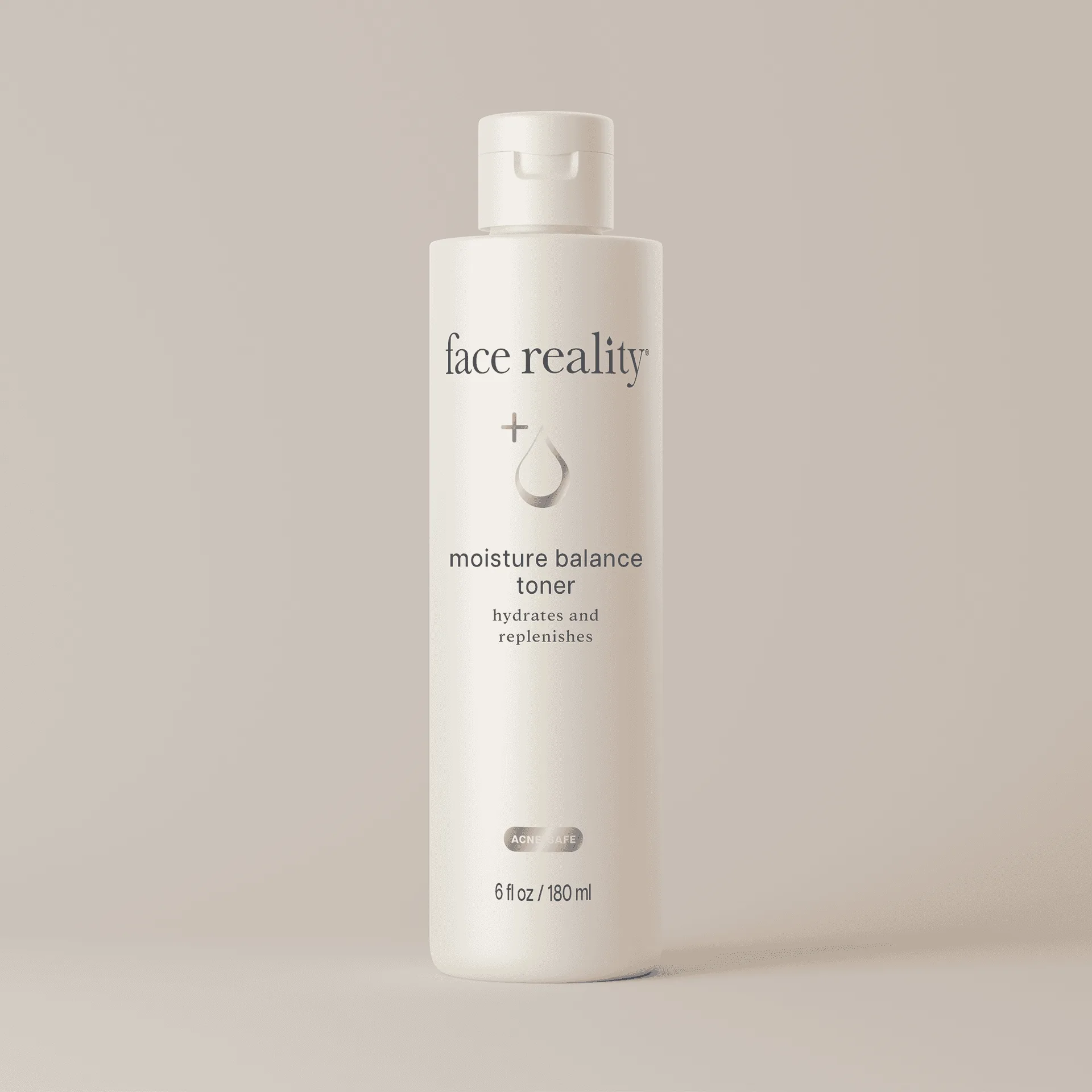
- Moisture Balance Toner: This skin-conditioning toner immediately replenishes hydration, helps maintain moisture, and soothes dry skin. A hydrating toner preps your skin and reduces the risk of irritation from new acne treatments.
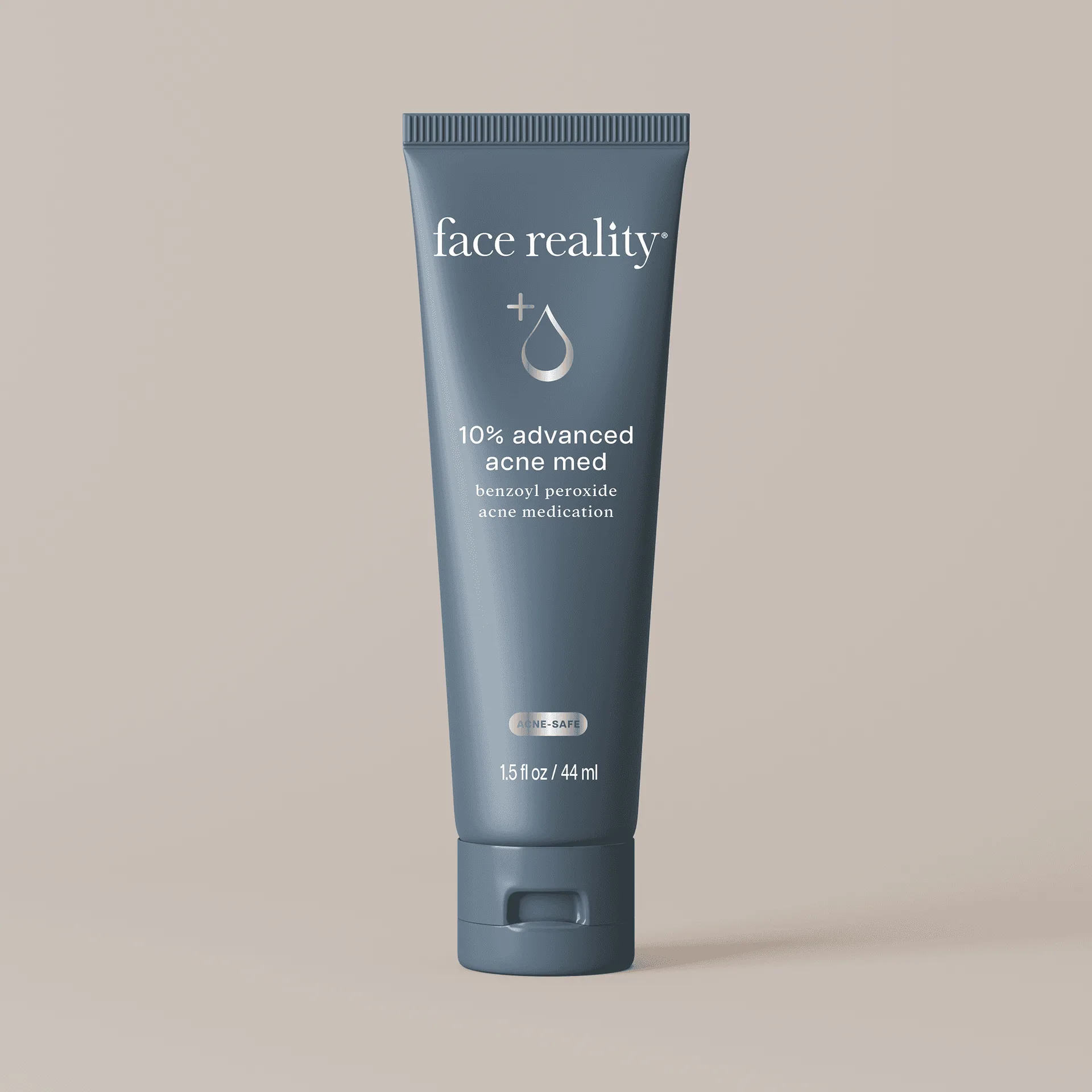
- 10% Advanced Acne Med: 10% Advanced Acne Med is a benzoyl peroxide acne medication designed to support clearer-looking skin. Advanced Acne Med penetrates pores to target the source of acne, clearing and controlling existing blemishes while helping to prevent future breakouts. When you're ready to introduce a strong active like this, following the patch test and gradual introduction steps is essential to avoid barrier damage.
Introducing a new acne product doesn't have to mean risking your skin barrier. By patch testing, starting slow, layering correctly, and monitoring your skin, you can add new treatments safely and keep your skin clear and comfortable. Remember, patience is key—your skin will thank you.