Why a Nervous Dog May Resist a New Bed
Dogs are creatures of habit, and a sudden change in their sleeping spot can trigger anxiety. A nervous dog may sniff, circle, or avoid a new bed altogether because it lacks familiar scents and feels unfamiliar under their paws. The key is to make the transition gradual and positive, so the bed becomes a safe, comforting space rather than a source of stress.
Before you start, consider the bed's size and location. A bed that is too large or placed in a high-traffic area may overwhelm an anxious dog. Choosing a bed that fits your dog's preferred sleeping style and placing it in a quiet corner can help ease the adjustment.
Step-by-Step Introduction
- Step 1: Choose the Right Bed Size and Style: A bed that matches your dog's size and sleeping habits feels more secure. For example, the Rectangular Bed - Greenery from DogTuff comes in three sizes: Small (28"L x 20"W x 4"H), Medium (36"L x 27"W x 5"H), and Large (42"L x 31"W x 5"H). Measure your dog from nose to tail and add a few inches to find a size where they can stretch out or curl up comfortably.
- Step 2: Introduce the Bed Gradually: Place the new bed in a familiar area where your dog already feels safe, such as near their old bed or a favorite resting spot. Let your dog explore the bed at their own pace—do not force them onto it. You can toss a treat or a favorite toy on the bed to encourage positive association.
- Step 3: Add Familiar Scents: An anxious dog finds comfort in scents they know. Place a worn t-shirt or a blanket that smells like you on the bed. If your dog has an old bed that still holds their scent, you can layer it on top of the new one. This bridges the familiar with the new.
- Step 4: Use Positive Reinforcement: Reward your dog with praise, treats, or gentle petting every time they voluntarily approach or step onto the new bed. Keep sessions short and upbeat. Over several days, gradually increase the time your dog spends on the bed, always ending on a positive note.
- Step 5: Be Patient and Consistent: Some dogs take days or weeks to fully accept a new bed. Avoid scolding or forcing your dog onto the bed, as this can increase anxiety. Consistency with the bed's location and your calm demeanor will help your dog learn that the bed is a safe, predictable place.
Bed Options That Support a Smooth Transition
-
Rectangular Bed - Greenery: The Rectangular Bed - Greenery is available in Small (28"L x 20"W x 4"H), Medium (36"L x 27"W x 5"H), and Large (42"L x 31"W x 5"H). Choosing the right size helps your dog feel secure and comfortable, reducing the chance of avoidance. A bed that is too big can feel exposed to a nervous dog.
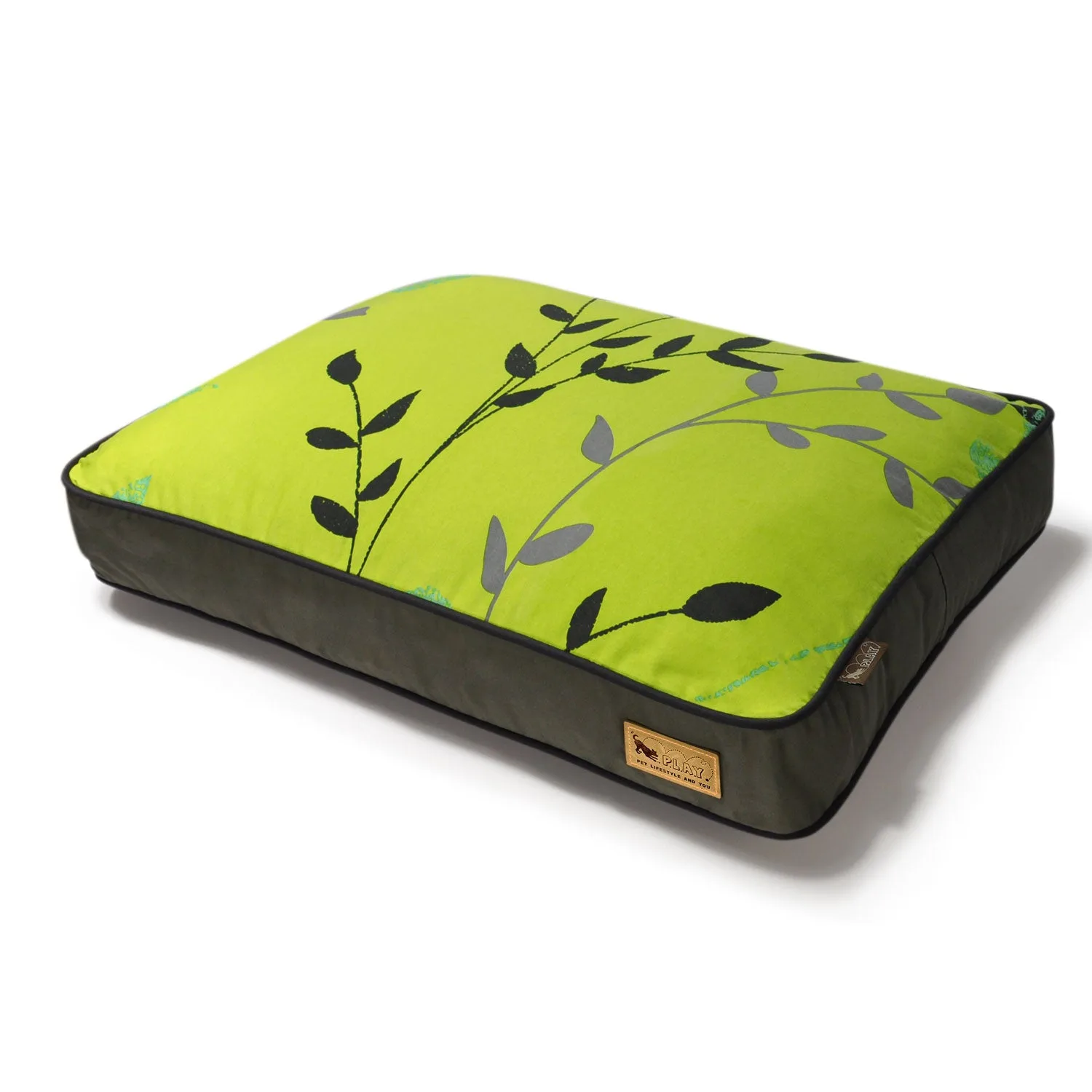
Rectangular Bed - Greenery
-
Pet Play Twill Luxe Throw: The Pet Play Twill Luxe Throw measures 54"L x 0.5"W x 47"H and is designed to protect furniture from dog hair, drool, and stains. If your nervous dog prefers sleeping on the couch or your bed, placing this throw on the new dog bed can transfer a familiar scent and surface feel, making the transition easier.
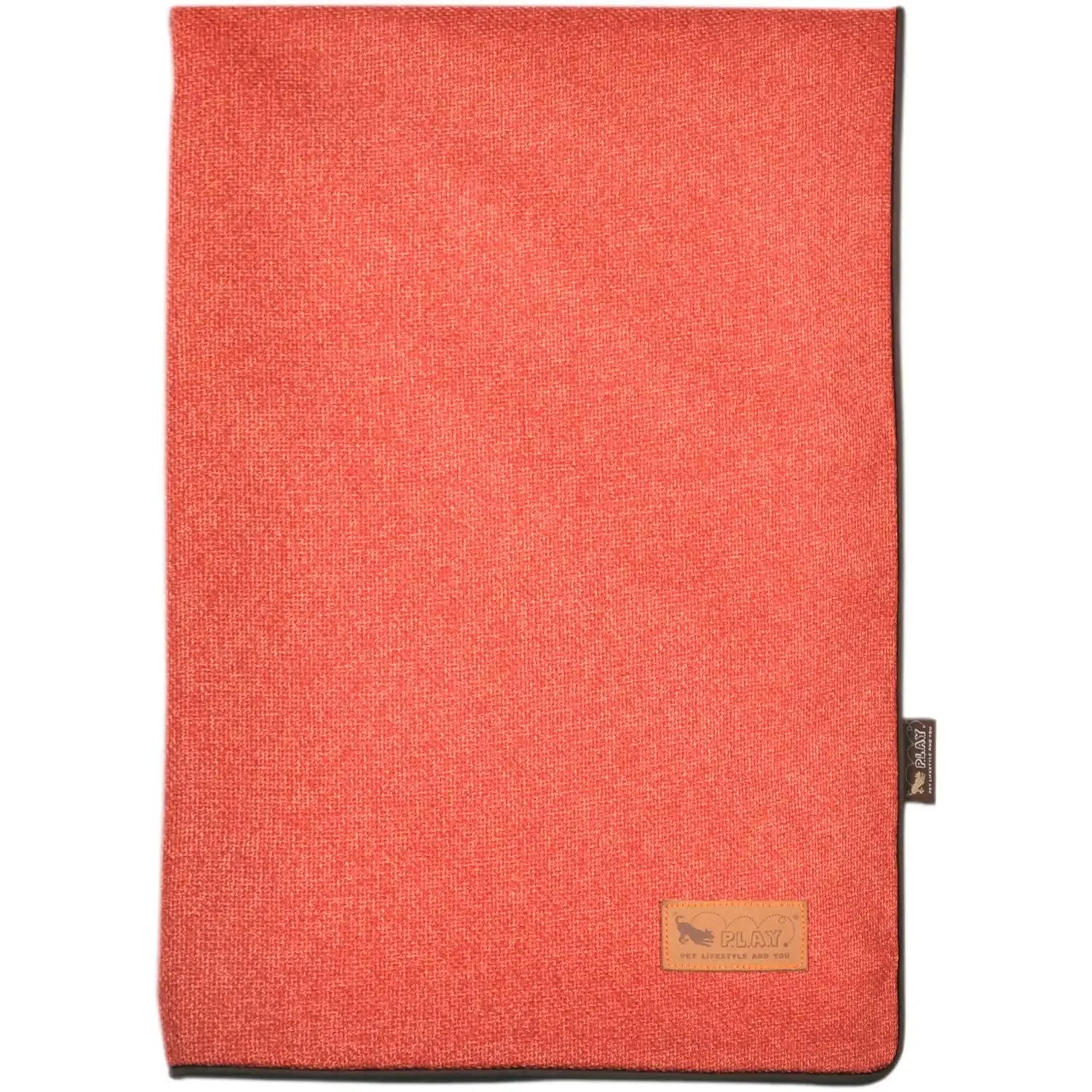
Pet Play Twill Luxe Throw
What If Your Dog Still Refuses the Bed?
If your dog continues to avoid the new bed after a week of gradual introduction, consider the bed's location. Move it to a quieter spot or near where your dog already sleeps. Some dogs prefer a bed that is slightly elevated or has a bolster for leaning against. The Rectangular Bed - Greenery has a low profile, which suits dogs who like to stretch out flat. If your dog prefers a nest-like feel, you can add a soft blanket or a towel rolled into a bolster shape.
Also, check that the bed is not causing any physical discomfort. While the catalog does not specify the internal filling or firmness, a bed that is too firm or too soft may be unappealing. You can test the bed yourself by pressing on it to gauge its support.