Quick answer
When your toddler resists potty training, stop pushing and start observing. Pull out the Lovevery Potty Learning Course Pack, review the stage-based guidance, and match your next step to what you actually see: readiness signs, a recent regression, or a full refusal. If your child is consistently distressed or hasn't shown any readiness signs, pause the course and revisit in a few weeks.
Start with readiness, not a calendar
A resistant toddler is often telling you the timing is off, not that they'll never use the toilet. Before you open the Lovevery Potty Learning Course Pack, spend a week noting signs of toilet learning readiness: staying dry for longer stretches, showing discomfort in a dirty diaper, asking to watch you use the bathroom, or telling you they've gone. If you see two or more of these, you have a foundation to build on. If you see none, the most useful thing you can do is wait and keep the potty visible without pressure.
Use the course pack as a script, not a schedule
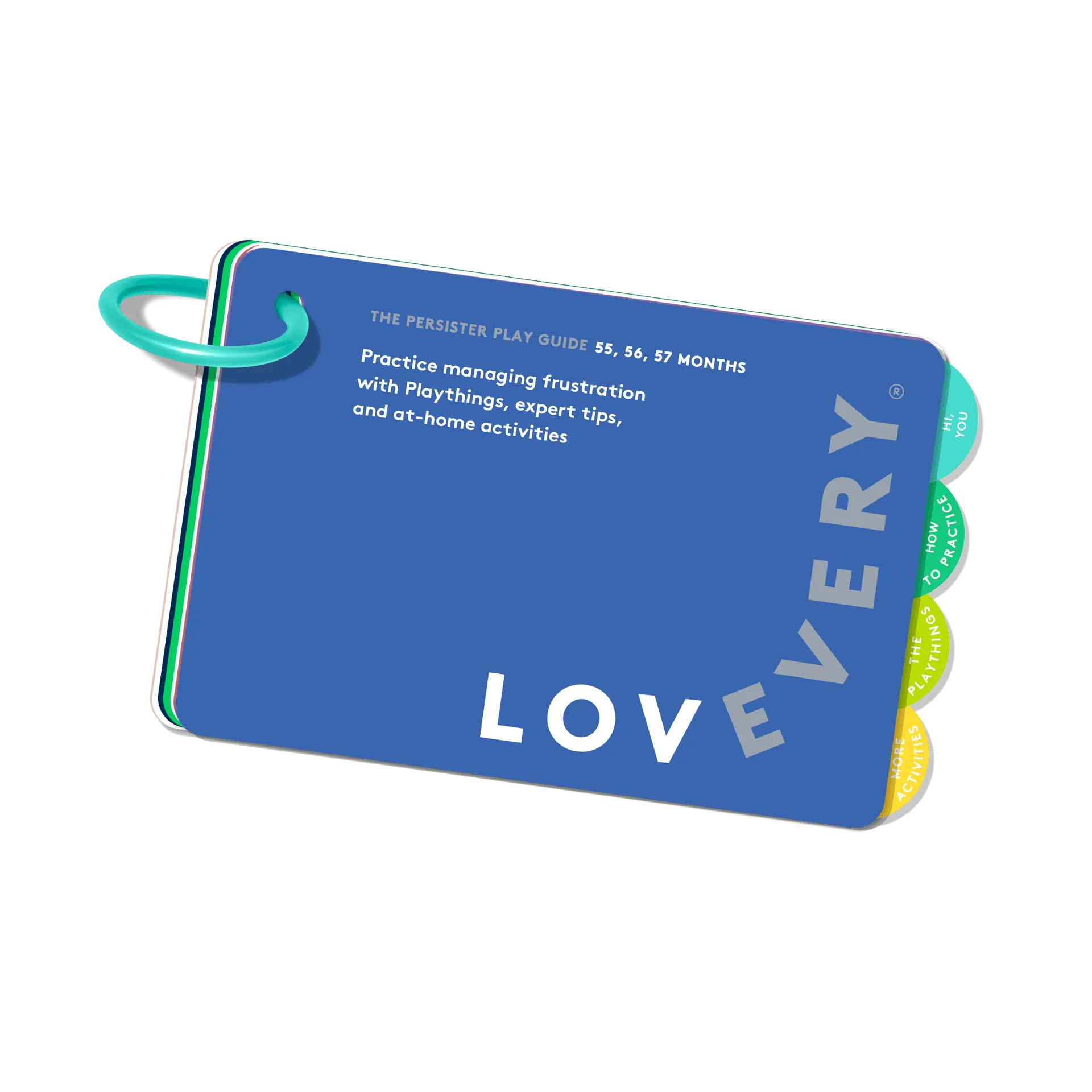
The Potty Learning Course Pack is designed to support your child's potty training journey with thoughtful, stage-based guidance. That structure works best when you treat it as a menu of strategies rather than a checklist to complete. Pick one idea from the course that fits today, try it for a few days, and watch what happens. If your toddler resists, you've learned something useful about their current limit. The pack also includes practical strategies and activities, so you can rotate approaches instead of repeating the same failed prompt.
Lower the stakes during a regression
Potty training regression help starts with removing pressure, not adding rewards. If your child was using the potty and suddenly refuses, go back to a neutral routine: offer the potty at natural transitions, keep sits short, and don't comment on accidents. Children often regress when something else changes—a new caregiver, a new sibling, or a new room. The 'Judah and the Babysitter' Book can help here because it features a relatable story about adjusting to a babysitter's unique style, which gives you a gentle way to talk about change without making the potty the center of the conversation.
Keep the gear simple and portable
A https://loveveryshop.com/products/drawstring-bag-59148https://loveveryshop.com/products/drawstring-bag-59157Drawstring Bag is a small but practical kit component for keeping potty-related items organized and easy to transport. If your child resists the potty at home but will sit in a different bathroom, having a consistent bag of supplies can make the routine feel familiar wherever you go. The bag's drawstring closure allows for quick and easy access, and its lightweight design makes it easy to bring along. This isn't about buying more—it's about reducing friction so the potty isn't a battle over missing pieces.
Diagnose the resistance before you change course
- Symptom: Your toddler cries or arches away when you mention the potty.: This is often a power struggle, not a skill problem. The corrective action is to stop prompting for 48 hours and let your child see you use the toilet without comment. Keep the potty in the room but don't ask them to sit. If the crying stops when you stop asking, the issue is pressure. Reintroduce one neutral invitation after two calm days.
- Symptom: Your child was trained and now refuses again.: Look for a recent change—new caregiver, schedule shift, or illness. Read 'Judah and the Babysitter' together to open a conversation about change, and return to a simple potty routine at natural transitions only. If refusal lasts more than two weeks with no other signs of distress, pause the course and revisit after the change settles.
- Symptom: Your toddler shows no interest and no readiness signs.: This is not resistance; it's readiness. The Potty Learning Course Pack is designed for stage-based guidance, so use it to review readiness signs rather than push a timeline. Stop the course if your child is consistently distressed or shows zero readiness signs. Revisit in four to six weeks.
Products that support a gentle approach
- The Potty Learning Course Pack: The Potty Learning Course Pack from Lovevery provides structured, stage-based guidance and expert-designed materials to help your child learn potty skills at their own pace. You get a ready-made framework for choosing one next step instead of guessing, which is especially useful when your toddler resists.
- 'Judah and the Babysitter' Book: Lovevery's 'Judah and the Babysitter' Book helps little ones learn how to adapt to change when a babysitter does things a little differently, and it's designed for reading together. Reading it together gives you a low-pressure way to talk about new routines and caregivers, which can ease the anxiety behind a potty regression.
- Drawstring Bag: The Lovevery Drawstring Bag is a lightweight, portable accessory with a drawstring closure for quick access, ideal for storing and carrying play pieces. Keeping potty supplies in one grab-and-go bag reduces daily friction and helps your child know what to expect.