Quick Answer
Start by letting your dog sniff and inspect the wheelchair while it's stationary. Fit the harness gently, then support your dog's weight as you attach the frame. Begin with short, positive sessions of just a few minutes, and always reward calm behavior. Patience and consistency are key.
Preparing Your Dog and the Wheelchair
Before the first fitting, place the wheelchair in a familiar room and let your dog explore it at their own pace. Offer treats and praise for any curious or calm behavior. This builds positive associations before any physical contact.
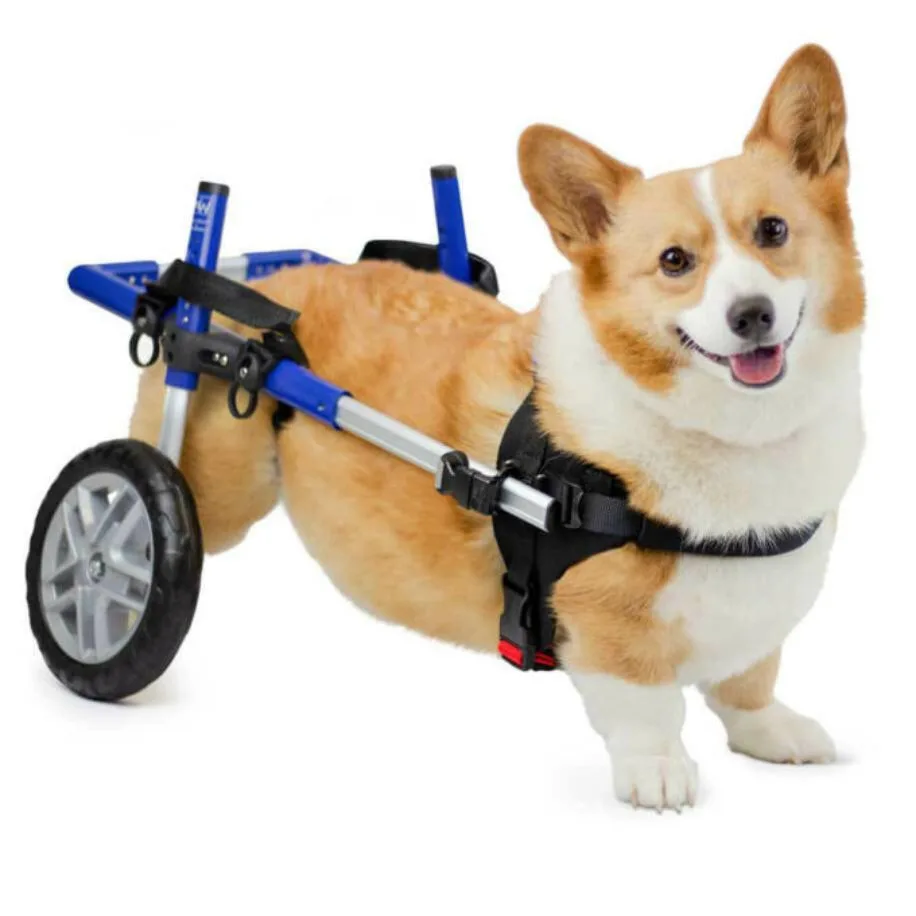
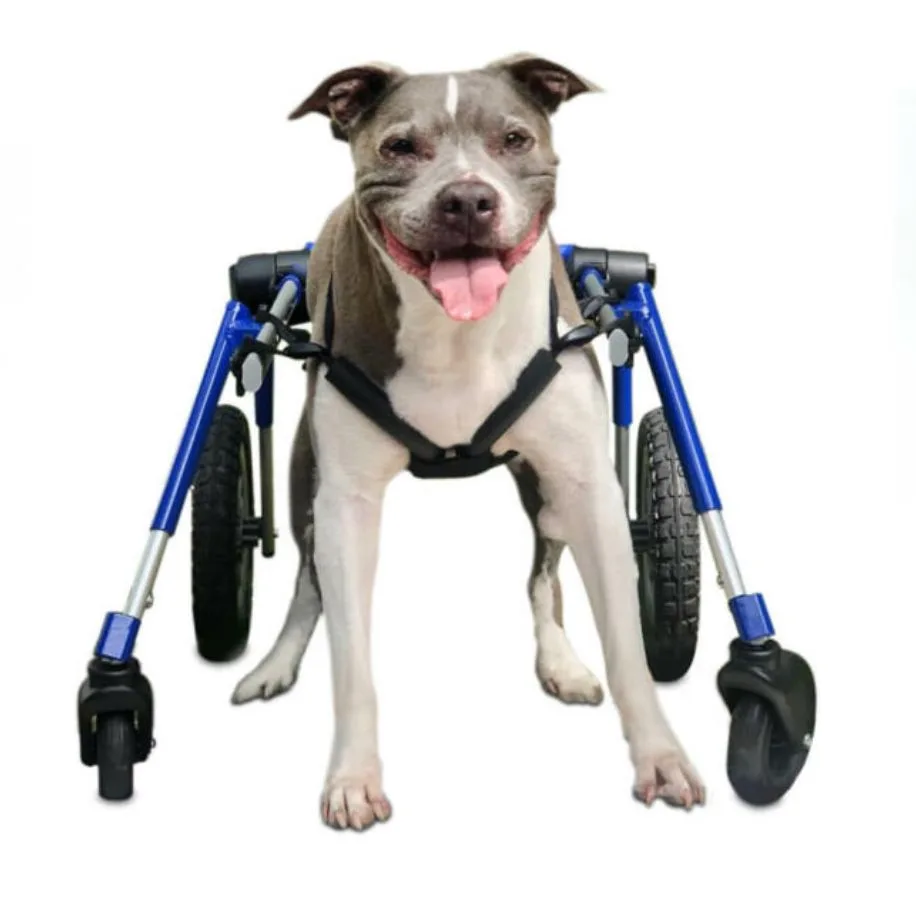
Make sure the wheelchair is correctly adjusted for your dog's size. For medium dogs weighing 26 to 49 lbs, the Walkin' Wheels MEDIUM Dog Wheelchair offers rear support that can be fine-tuned in height, length, and width. A proper fit prevents discomfort and helps your dog feel secure.
First Fitting: Step by Step
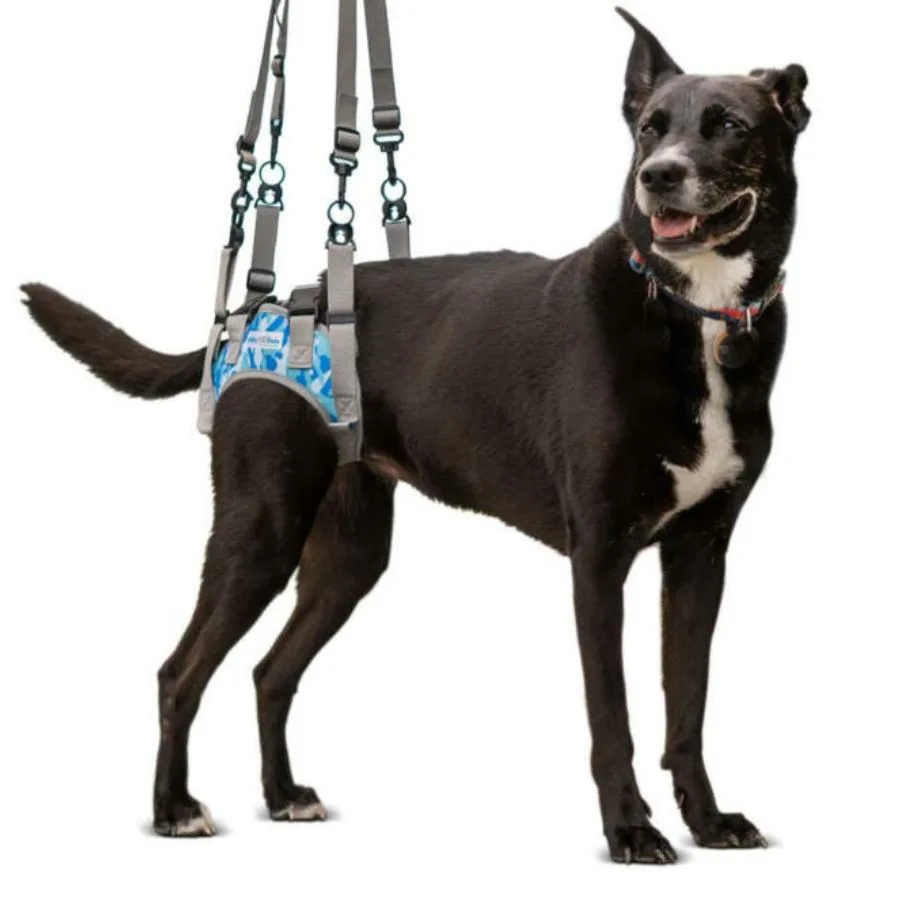
When you're ready to fit the wheelchair, work with a helper if possible. One person supports your dog's hindquarters while the other slides the harness into place. Attach the frame loosely at first, then adjust straps so they are snug but not tight. Check that no straps rub against the armpits or belly.
Let your dog stand in the wheelchair for a minute or two without moving. Watch for signs of stress like panting, trembling, or trying to sit down. If your dog seems anxious, remove the wheelchair and try again later. The goal is a calm, brief introduction.
Short Practice Sessions
Once your dog is comfortable standing in the wheelchair, encourage a few steps forward. Use a treat or a favorite toy to lure them. Keep the first session under five minutes. Gradually increase the time as your dog gains confidence, but always stop before they show fatigue or frustration.
Practice on a flat, non-slip surface like carpet or grass. Avoid slopes or stairs until your dog is fully comfortable. Consistency matters more than duration — short daily sessions are better than long, infrequent ones.
Step-by-Step Introduction Process
- Step 1: Let Your Dog Inspect the Wheelchair: Place the wheelchair on the floor and allow your dog to sniff and explore it. Reward any calm or curious behavior with treats and praise. Common mistake: rushing this step. If your dog seems scared, move the wheelchair away and try again later.
- Step 2: Fit the Harness While Stationary: With the wheelchair off your dog, gently place the harness around their chest and belly. Adjust the straps so they are snug but not tight. Let your dog wear the harness alone for a few minutes to get used to it. Checkpoint: your dog should be relaxed and able to move freely in the harness before attaching the frame.
- Step 3: Attach the Wheelchair Frame: Support your dog's hindquarters with one hand while sliding the frame into the harness with the other. Secure all clips and adjust the straps so the wheels lift the rear legs slightly off the ground. Common mistake: lifting the dog too high. The rear legs should barely clear the ground, not dangle.
- Step 4: Encourage a Few Steps: Stand in front of your dog and call them gently or show a treat. Let them take 2-3 steps on their own. Keep the first session under 5 minutes. Checkpoint: if your dog tries to sit down or refuses to move, shorten the session and try again later.
- Step 5: Gradually Increase Duration: Over the next few days, add one or two minutes per session. Watch for signs of fatigue or discomfort. Always end on a positive note with praise and a treat. Final tip: consistency beats length. Five minutes every day is more effective than 20 minutes once a week.
Product Support for a Smooth Introduction
- Walkin' Wheels MEDIUM Dog Wheelchair: The Walkin’ Wheels Medium dog wheelchair provides rear support for paralyzed and injured pets weighing between 26 to 49 lbs. Give medium sized dogs the rear leg support they need to stay active and continue to run and play. A properly fitted wheelchair reduces the risk of rubbing or pressure points, which helps your dog feel comfortable during the first few sessions.