Quick answer
Most iron scorch marks and buildup come from residue on the soleplate or mineral deposits from tap water. Clean the soleplate with a damp cloth and mild detergent after each use, and switch to distilled water if your tap water is hard. If the soleplate is scratched or the iron overheats despite cleaning, it's time to replace it.
Diagnose the problem before you scrub
Before you reach for abrasive cleaners, figure out what you're dealing with. Scorch marks are brown or black patches that appear when fabric fibers or starch burn onto the soleplate. Buildup is a chalky white or crusty deposit, usually from minerals in tap water that escape as steam and dry on the plate. The fix is different for each: scorch marks need gentle lifting, while buildup needs dissolving. Using the wrong method can scratch the soleplate and make the problem worse.
How to clean iron soleplate without damage
For scorch marks, unplug the iron and let it cool completely. Wipe the soleplate with a cloth dampened with equal parts white vinegar and water. For stubborn spots, make a paste of baking soda and water, apply it with a soft cloth, and rub gently. Never use metal scouring pads or knives. For mineral buildup, run a 50/50 vinegar-water solution through the steam vents, then flush with plain water. If your iron has a self-clean function, use it according to the manual. Always test on an old cloth first.
Prevent iron buildup with better water habits
The single best way to prevent mineral buildup is to stop using tap water. Distilled water costs a few dollars a gallon and eliminates the minerals that cause crusty deposits. If you must use tap water, empty the reservoir after every use and let the iron dry completely before storing. Never leave water sitting in the iron for days. Also, iron fabrics in order of low heat to high heat, and empty the reservoir before switching to a lower temperature setting to avoid spitting water onto delicate fabrics.
When to stop and replace your iron
If you've cleaned the soleplate and switched to distilled water but still see scorch marks on every fabric, the nonstick coating may be worn through. A scratched or peeling soleplate cannot be repaired. The same goes for an iron that leaks water constantly, trips a circuit breaker, or fails to heat evenly. At that point, replacement is safer and cheaper than repeated cleaning attempts.
Diagnosis: symptom, cause, fix, and stop point
- Brown or black scorch marks on fabric: Cause: burned starch or synthetic fibers stuck to the soleplate. Fix: cool the iron, then wipe with a vinegar-water cloth or baking soda paste. Stop if the soleplate coating is scratched or peeling. If marks persist after cleaning, replace the iron.
- White or crusty buildup on soleplate: Cause: minerals from tap water. Fix: run a vinegar-water solution through the steam vents, flush with plain water, and switch to distilled water. Stop if the iron leaks or spits after flushing. Use distilled water going forward to prevent recurrence.
- Iron spits water or leaves wet spots: Cause: overfilled reservoir or temperature too low for steam. Fix: empty reservoir, refill to max line, and increase heat. Stop if spitting continues after adjusting temperature and water type. If spitting persists, the iron's internal seals may be failing.
Product facts
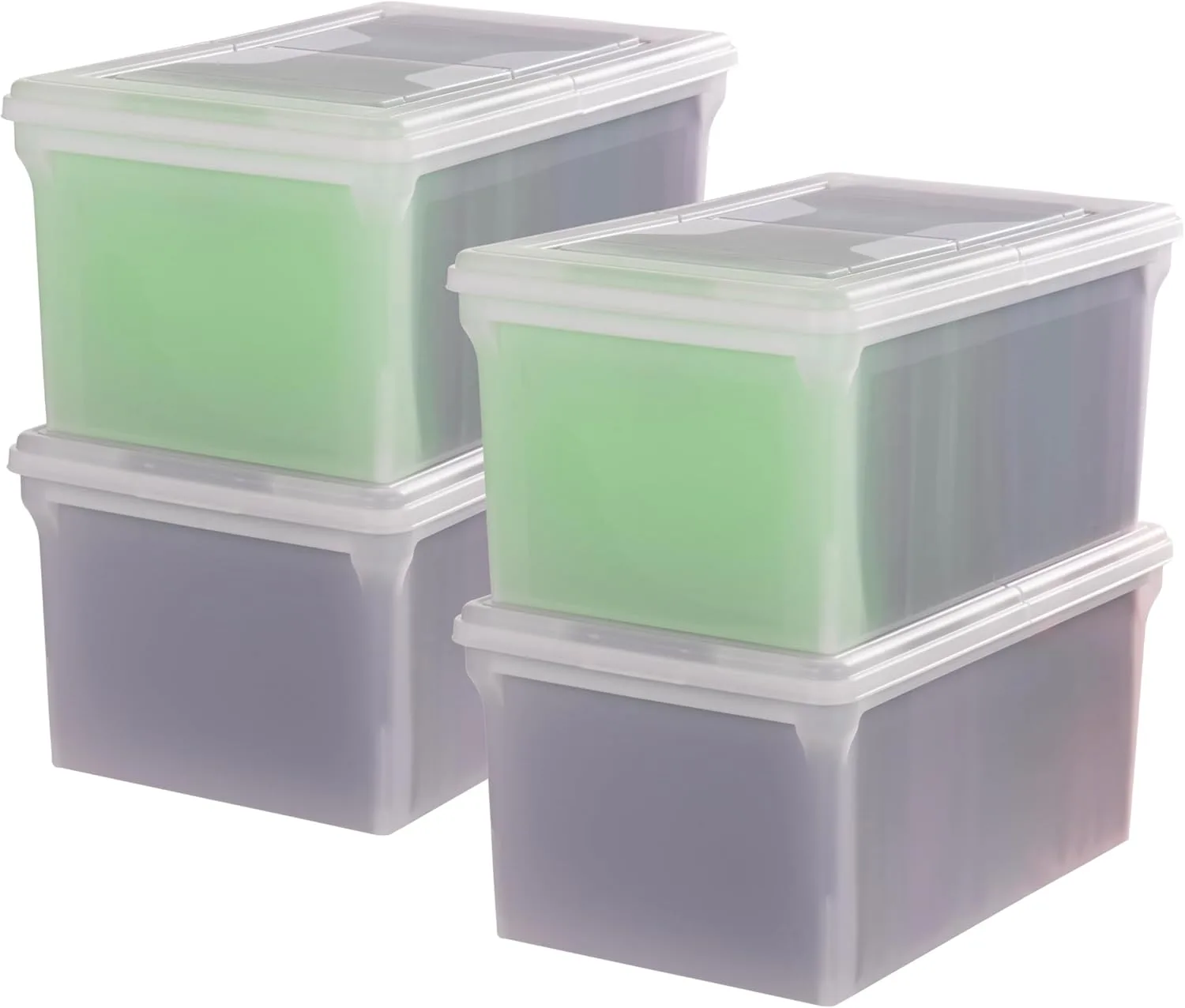
- Compact Desktop 3-Drawer System, 4 Pack, White: Compact Desktop 3-Drawer System, 4 Pack, White; dimensions 8.4"L x 6.8"W x 6.9"H; smooth to open drawers; durable and easy to clean; stackable. Use these small drawers to store ironing accessories like distilled water bottles, lint rollers, or spare soleplate covers right next to your ironing board.
- 6 Quart Compact Stacking Drawer, 4 Pack, Black: 6 Quart Compact Stacking Drawer, 4 Pack, Black; dimensions 13.1"L x 8.5"W x 5.4"H; smooth to open drawers; durable plastic; grooves in lids secure stacking. These larger stacking drawers can hold folded fabrics, pressing cloths, or even a travel iron, keeping your ironing area organized and dust-free.