Quick answer
For most cotton fabrics and fusible webs, set your iron to the wool or cotton setting (about 300°F to 350°F) with no steam. Press firmly for 10 to 15 seconds per area, lift and reposition rather than sliding. Always test on a scrap first, because the right temperature depends on both the fusible product and the fabric.
Match iron temperature to the fusible, not just the fabric
Fusible web and stabilizer manufacturers usually print a recommended temperature range on the packaging or instruction sheet. That range is your starting point, not a suggestion to ignore. If you are using a lightweight fusible for appliqué, a lower temperature often works; heavier stabilizers may need more heat and a longer press. When the packaging is missing or unclear, start at the lowest setting that will bond and increase in small increments. Cotton can typically handle the wool setting, but synthetics and blends may not, so check the fabric content before you touch the iron to it.
Steam settings for fusible: usually off
Steam is the enemy of a clean fusible bond. Moisture can cause the adhesive to cool too quickly, create bubbles, or prevent full adhesion. Unless the fusible instructions specifically call for steam, keep your iron dry. If your iron has a steam tank, empty it or switch to the dry setting and let the iron heat through before pressing. A dry iron also reduces the risk of scorching fabric, because steam flashes can leave hot spots. For stubborn wrinkles in the base fabric, press them out before you add fusible, then let the fabric cool completely before continuing.
Set up a pressing surface that protects both sides
A good pressing surface matters as much as the iron setting. Use a pressing mat or a firmly padded ironing board covered with a clean cotton cloth. If your fusible tends to stick to the iron, place a pressing sheet or a piece of parchment paper over the project. This protects your iron soleplate and prevents adhesive from transferring to other fabrics later. For appliqué shapes, a small iron accessory pressing mat can let you press detailed pieces without flattening nearby seams. Keep a scrap of the same fabric nearby so you can test the bond before committing to the final piece.
Press, lift, and repeat instead of sliding
Sliding the iron across fusible web can shift the layers and smear adhesive. Instead, set the iron down, apply firm pressure for the recommended time, then lift and move to the next spot. Overlap your pressing spots slightly so no area is missed. For large stabilizer pieces, work in sections and let each section cool before checking the bond. If an edge lifts, press it again rather than adding more heat to the whole piece. This approach also helps you avoid scorching fabric, because you are not holding the iron in one place longer than needed.
Test, cool, and check before moving on
After pressing, let the piece cool completely. The bond strengthens as it cools, so peeling too soon can give you a false sense of failure. Once cool, gently try to lift an edge. If it releases, press again for a few more seconds. If the fabric looks shiny or feels stiff, your iron was too hot or you held it too long. Adjust downward before continuing. Keep a written note of the temperature and time that worked for your fabric and fusible combination so you can repeat it on the next project.
Step-by-step pressing routine for fusible appliqué and stabilizer
- Read the fusible instructions and set a starting temperature: Check the packaging for a recommended temperature range. If none is given, start at the synthetic setting and increase gradually. Common mistake: assuming all fusibles use the same heat. Checkpoint: the fusible should look slightly glossy but not melted or smoking. Write down the temperature that works so you can repeat it.
- Test on a scrap of the same fabric: Press a small piece of fusible to a scrap for the recommended time, let it cool, then try to peel it. Common mistake: testing on a different fabric weight. Checkpoint: the bond should hold firmly without the fabric turning shiny or stiff. If the scrap scorches, lower the temperature before touching your project.
- Switch to a dry iron and clear any steam: Empty the water tank or set the iron to dry. Let it heat fully so no residual moisture remains. Common mistake: pressing with steam because it feels faster. Checkpoint: no steam should escape when you press a dry cloth. Dry heat gives a cleaner bond and reduces scorch risk.
- Press with firm, still pressure for 10 to 15 seconds: Place the iron down, hold it still, then lift and reposition. Do not slide. Common mistake: moving the iron too soon or using light pressure. Checkpoint: the fusible should be fully adhered with no lifted edges after cooling. Overlap your pressing spots to cover the whole shape.
- Let the piece cool completely before checking the bond: Cooling lets the adhesive set. Common mistake: peeling a corner while the fabric is still warm. Checkpoint: a cool edge should resist lifting. If it lifts, press again for a few seconds. If the fabric looks scorched, lower the temperature and test again.
Fabrics that work well with fusible projects
- Freaky Familiars RS5193 11 Citron Fabric: Freaky Familiars RS5193 11 Citron Fabric is a cotton fabric from Moda Fabrics by Ruby Star Society, part of a Halloween-themed collection with spooky-cute creatures and bold seasonal colors. Cotton like this handles the wool or cotton iron setting well, making it a reliable choice for fusible appliqué shapes and small seasonal projects.
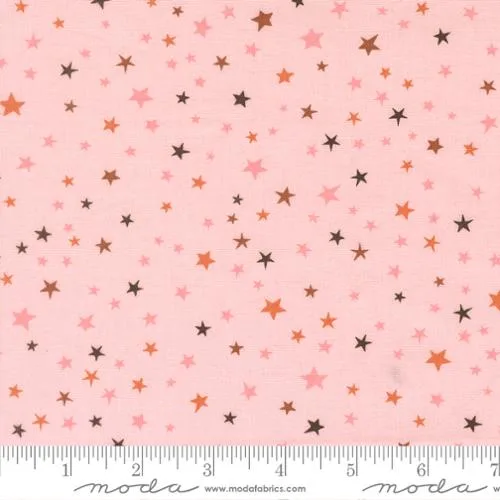
- Purrs and Boos 39066 12 Purrfect Pink Fabric: Purrs and Boos 39066 12 Purrfect Pink Fabric is a cotton fabric from Moda Fabrics designed by Elena Amo, blending kittens with playful Halloween themes. Because it is cotton, you can press it at the same temperature as most fusible webs, but always test a scrap first to avoid scorching the printed design.
- Grunge Basics Amazon Fabric: Grunge Basics Amazon Fabric is a blender fabric from Moda by BasicGrey with a dark green emerald undertone and lighter aqua blue weathered block pattern. Blenders like this are useful for backgrounds behind fusible appliqué, and the cotton content means it takes a standard dry iron setting without special handling.