Quick answer
Take iron with food if nausea is your main problem, on an empty stomach only if you tolerate it, and pair it with vitamin C to improve absorption. If constipation is the issue, increase water and fiber and split the dose rather than quitting. If symptoms persist after two weeks of adjustments, ask your clinician about a lower dose or a different iron form.
vitamin C
Why iron hits the stomach so hard
Iron is absorbed best in the upper small intestine, and unabsorbed iron continues down the digestive tract where it can irritate the lining and cause nausea, cramping, or constipation. That is why the same dose that helps your ferritin can also make you miserable. The fix is rarely 'tough it out.' It is usually a matter of changing when you take it, how much you take at once, or what form you take.
Nausea: timing and dose are the levers
Nausea usually means the dose is hitting an empty stomach too fast. Taking iron with a small meal reduces the peak concentration and often eliminates the queasiness, even though absorption drops somewhat. If you need the empty-stomach advantage, take it with a vitamin C source instead of food; the acid environment helps absorption and can offset the food effect. Splitting a single large dose into two smaller doses across the day is another reliable fix, provided your clinician agrees with the total daily amount.
Constipation and cramping: water, fiber, and form
Constipation is the most common reason people stop iron. Iron slows gut motility, and the effect compounds if you are already dehydrated or eating low-fiber. Increase water first, then add fiber gradually. If that is not enough, ask about ferrous bisglycinate or a chelated form, which some people tolerate better than ferrous sulfate. Do not add a stool softener without checking with your clinician, especially if you take other medications.
What to take with iron, and what to avoid
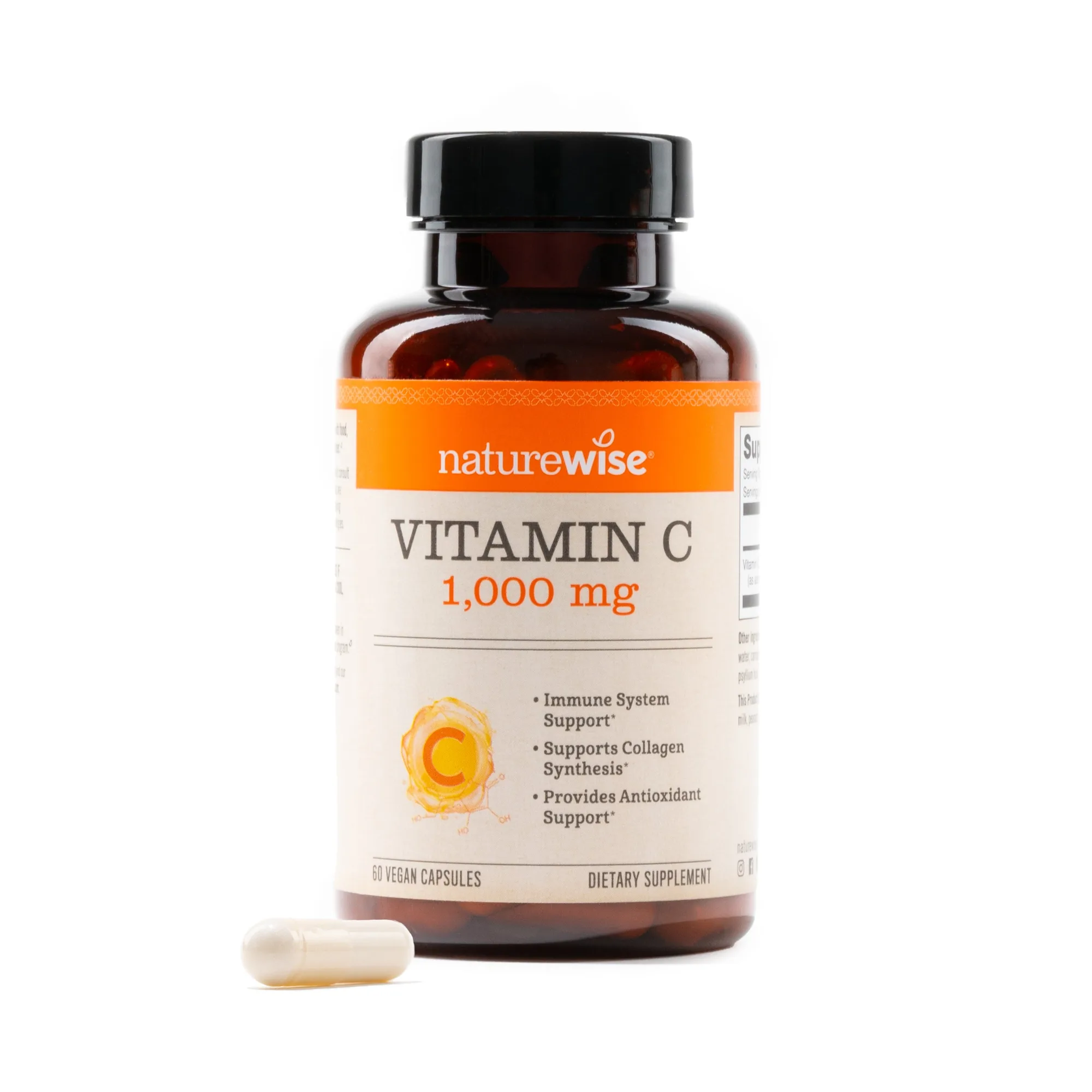
Vitamin C is the most reliable absorption partner. A glass of orange juice, a vitamin C chewable, or a citrus fruit with your dose can make a meaningful difference. Calcium, in dairy or a supplement, blocks iron absorption, so separate them by at least two hours. Coffee, tea, and high-fiber cereals do the same. If you take a multivitamin with calcium, move it to a different time of day than your iron.
When to stop adjusting and get help
If you have tried food, split doses, and a gentler form for two weeks and still have nausea, vomiting, black stools with pain, or severe constipation, stop and contact your clinician. Those symptoms can signal a dose that is too high, an interaction, or a separate issue that iron will not fix. Do not double up on the next dose to make up for missed ones.
Symptom-to-fix diagnosis
- Nausea within 30-60 minutes of your dose: The dose is likely too concentrated on an empty stomach. Take it with a small meal or split the dose in two. If nausea persists after two weeks of food and splitting, ask about a lower dose or a chelated form.
- Constipation or hard stools: Iron slows motility. Increase water and fiber gradually, and ask whether ferrous bisglycinate or a chelated form is a better fit. If you have not had a bowel movement in three days or have pain, stop and call your clinician.
- Stomach cramps or metallic taste: Often tied to ferrous sulfate or a large single dose. Try taking it with food and avoid coffee or tea at the same time. If cramps are severe or you vomit, stop the supplement and seek advice before continuing.
- No symptoms but no improvement in energy: Absorption may be blocked by calcium, coffee, tea, or fiber taken too close to your dose. Separate them by at least two hours and add vitamin C. If labs have not improved after 8-12 weeks, your clinician may need to recheck the cause or change the form.
Product facts that matter for iron tolerance
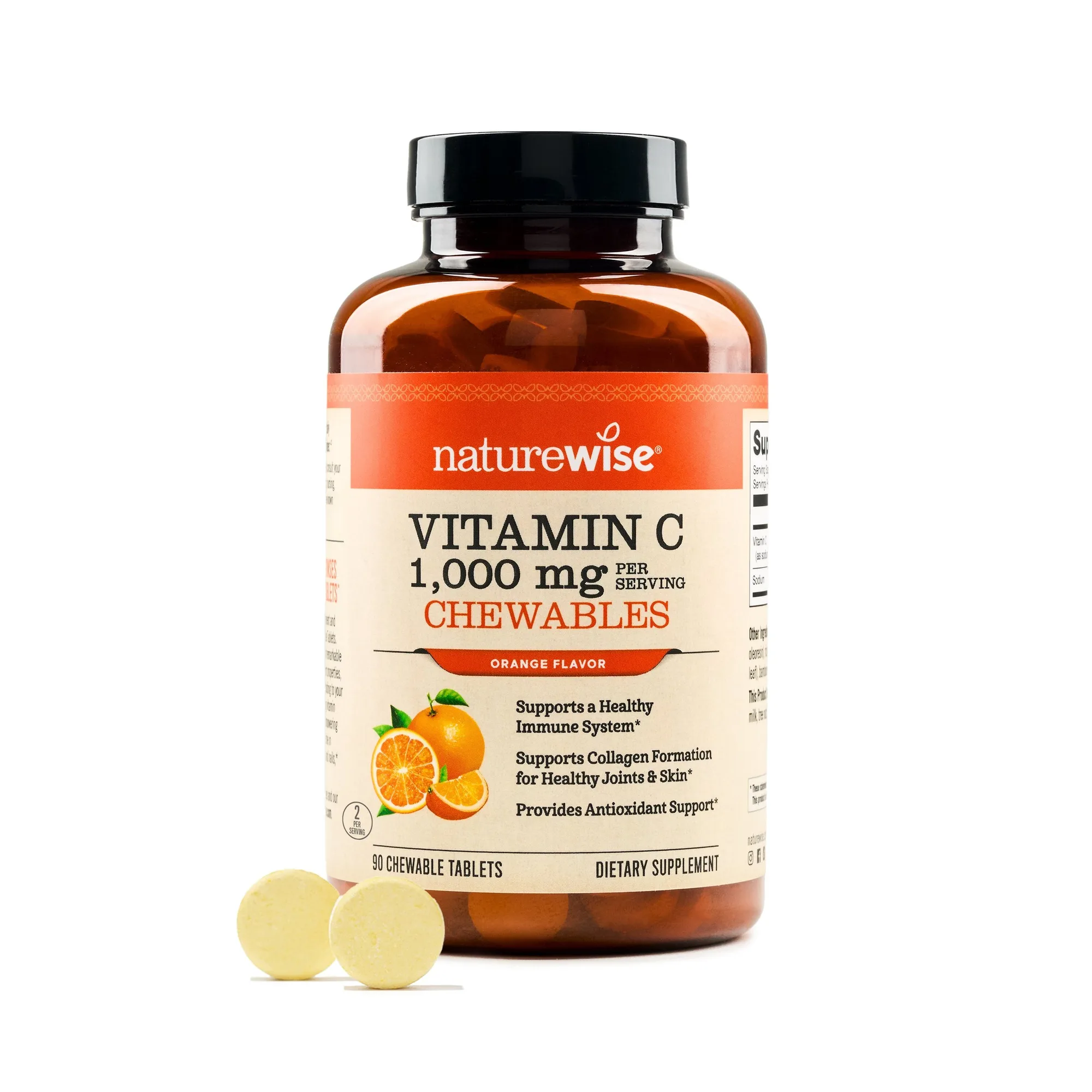
- Vitamin C Chewables: Vitamin C Chewables: gluten free, vegan, non-GMO, orange flavor, no artificial colors or flavors, serving size of 2 chewable tablets; supports immune health and collagen synthesis. A chewable vitamin C is an easy absorption partner to take alongside iron when you want to avoid a pill-and-juice routine, and the orange flavor can help mask the metallic taste some people notice with iron.
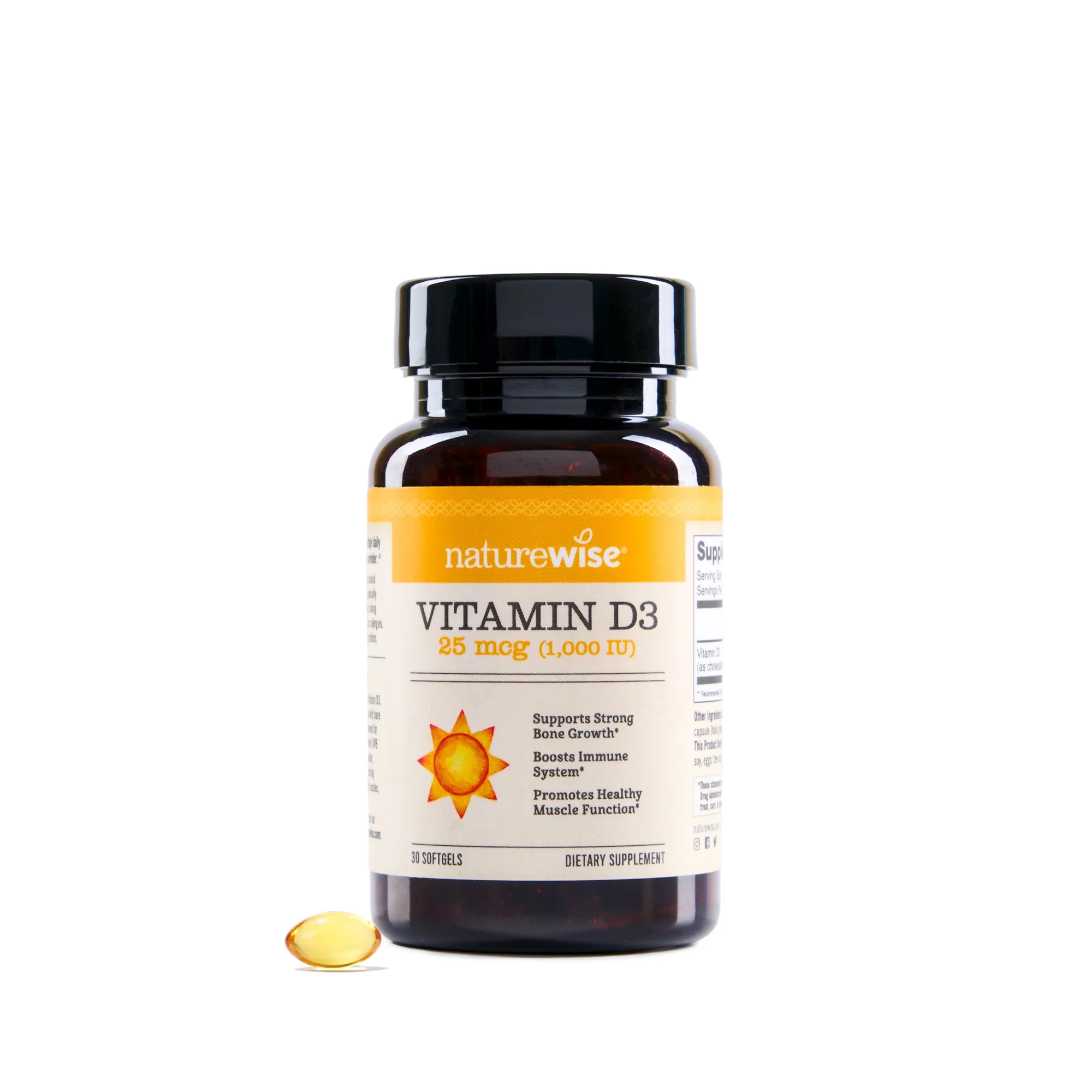
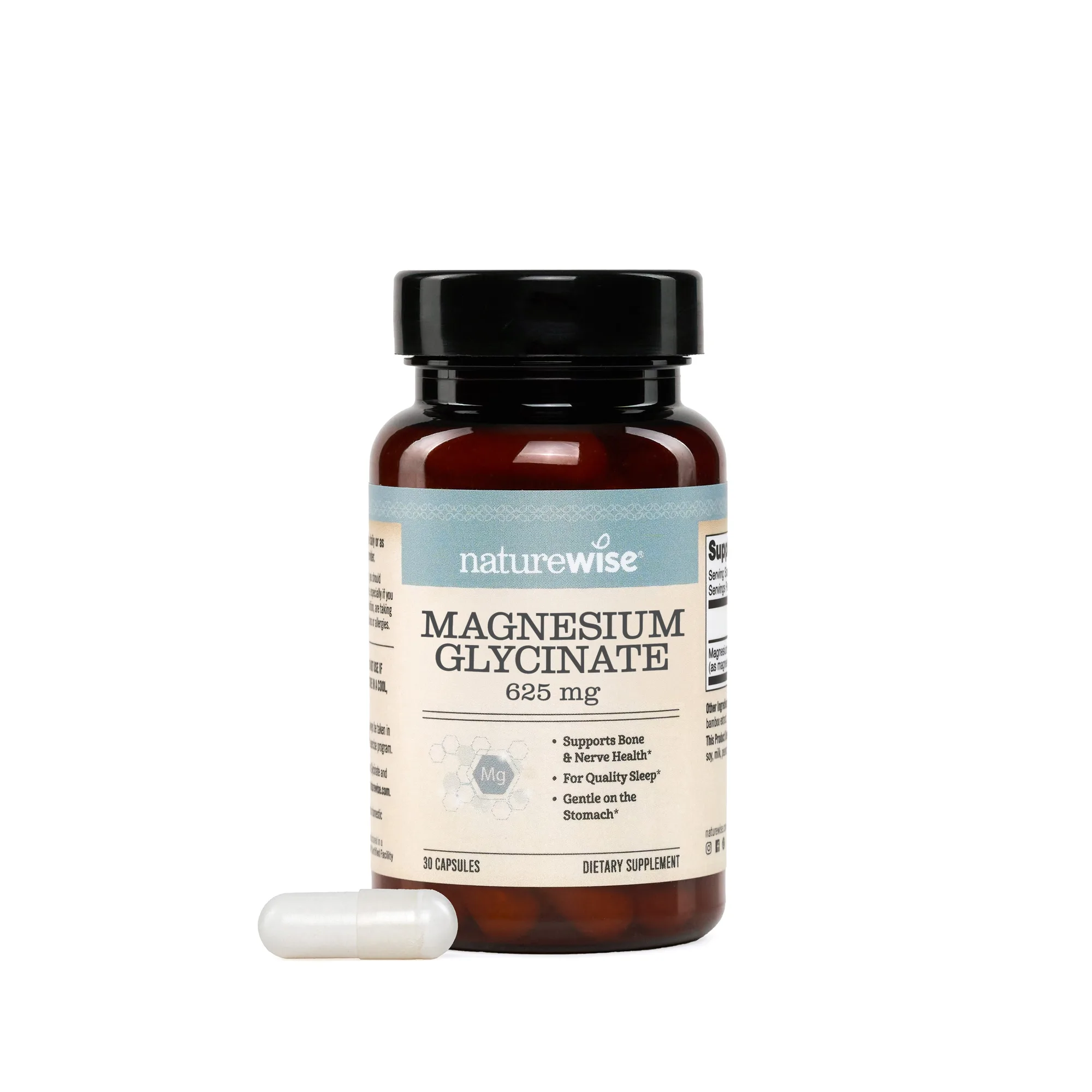
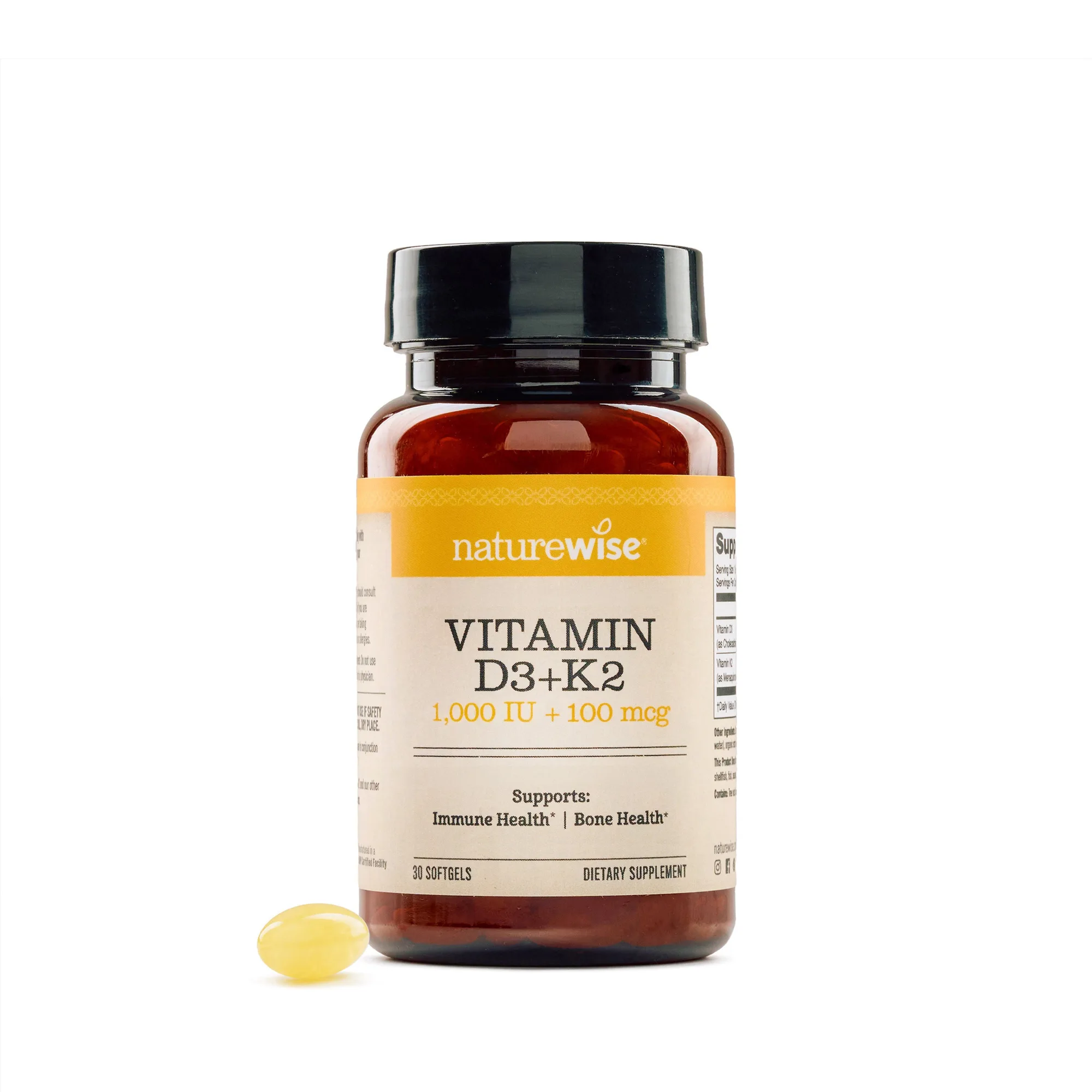
- Vitamin D3 + K2 with Magnesium Glycinate: https://naturewisenmz.com/products/d3-k2-b5064bc030b70ce7cf9f7e43-2611054Vitamin D3 + K2 with Magnesium Glycinate: 5000IU vitamin D3, 275mg chelated non-buffered magnesium glycinate, 50mcg vitamin K2 as MK-7; supports immune, bone, and heart health. Magnesium glycinate is a chelated, non-buffered form that is often chosen by people who are already managing constipation or cramping, so it can be a better fit than magnesium oxide if you are also taking iron.