Iron is a vital mineral for children's growth and development, playing a key role in carrying oxygen through the blood and supporting brain function. Yet many parents struggle to get their kids to take iron supplements, especially when the taste or texture is off-putting. The two most popular forms are iron drops (liquid) and iron gummies, often paired with vitamin C to enhance absorption. But which is truly better for your child?
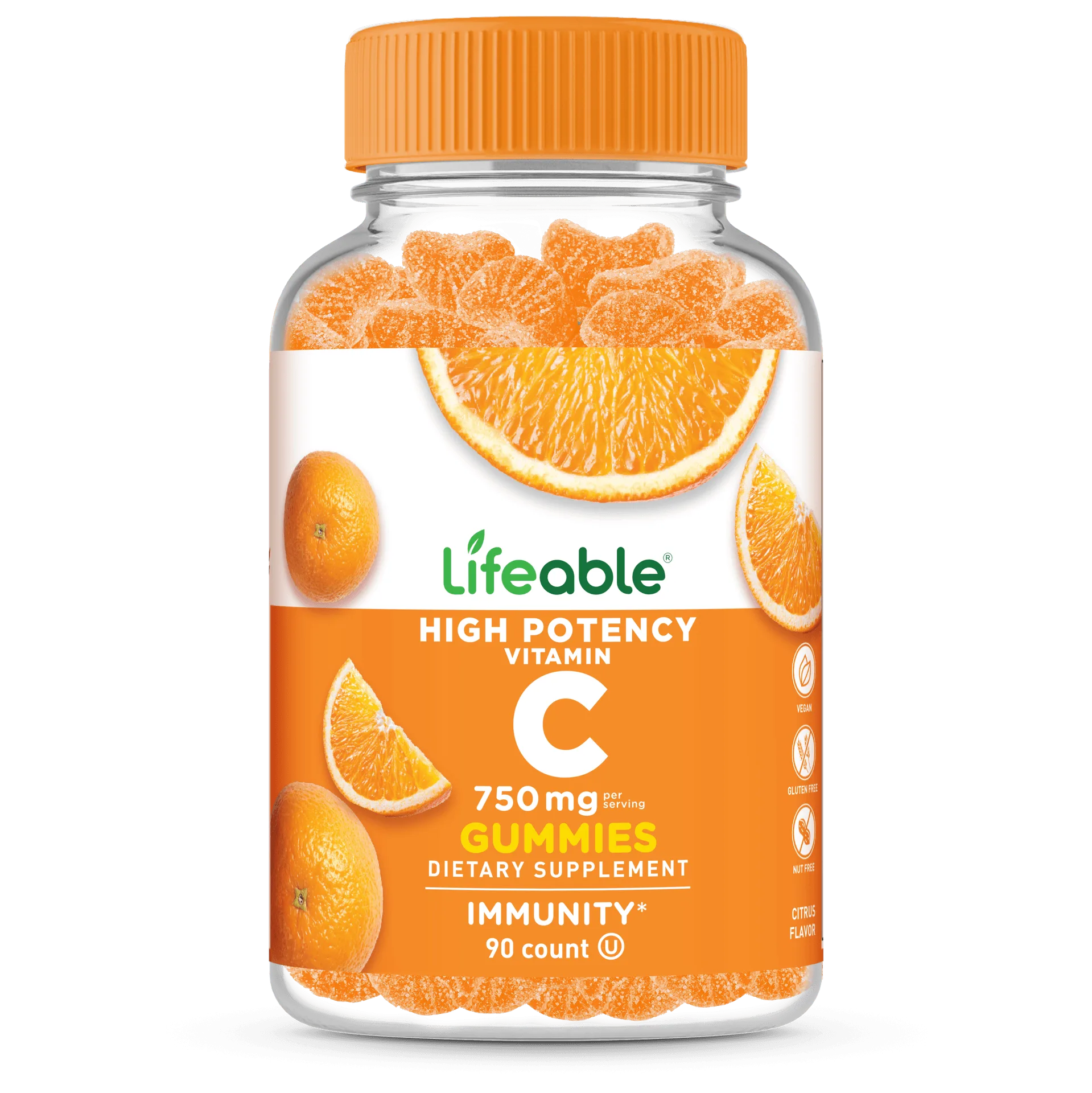
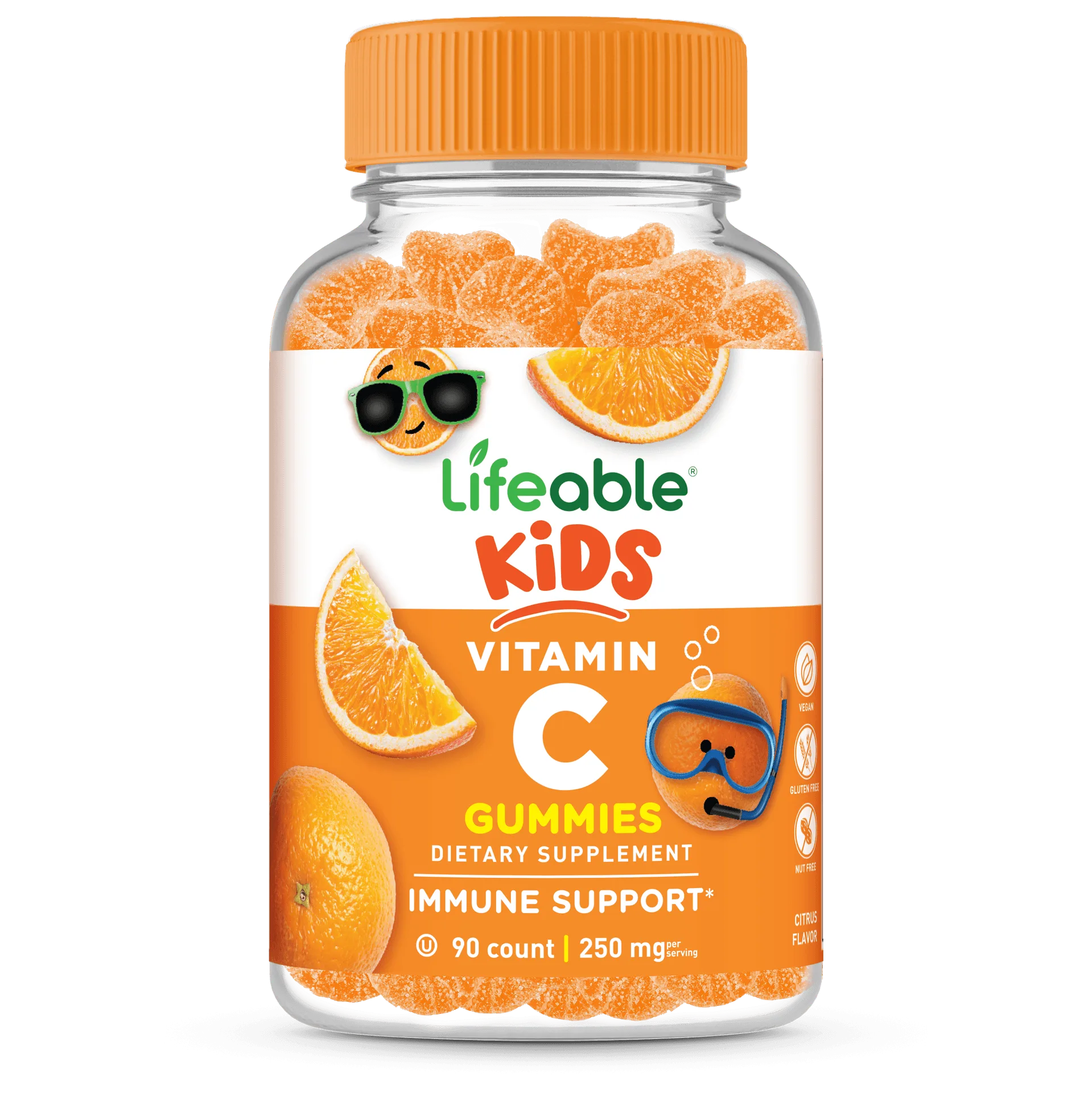
In this comparison, we'll break down the pros and cons of iron and https://lifeableyh.com/products/vitamin-c-gummies-376192vitamin C gummies versus iron drops, focusing on factors like absorption, taste, convenience, and safety. By the end, you'll have a clear idea of which form might suit your child's needs and preferences.
Why Iron and Vitamin C Are a Powerful Duo
Iron is essential for making hemoglobin, the protein in red blood cells that carries oxygen to every part of the body. Children need iron for rapid growth, cognitive development, and energy levels. However, iron absorption from supplements can be inconsistent, especially when taken with foods that inhibit absorption, like dairy or tea.
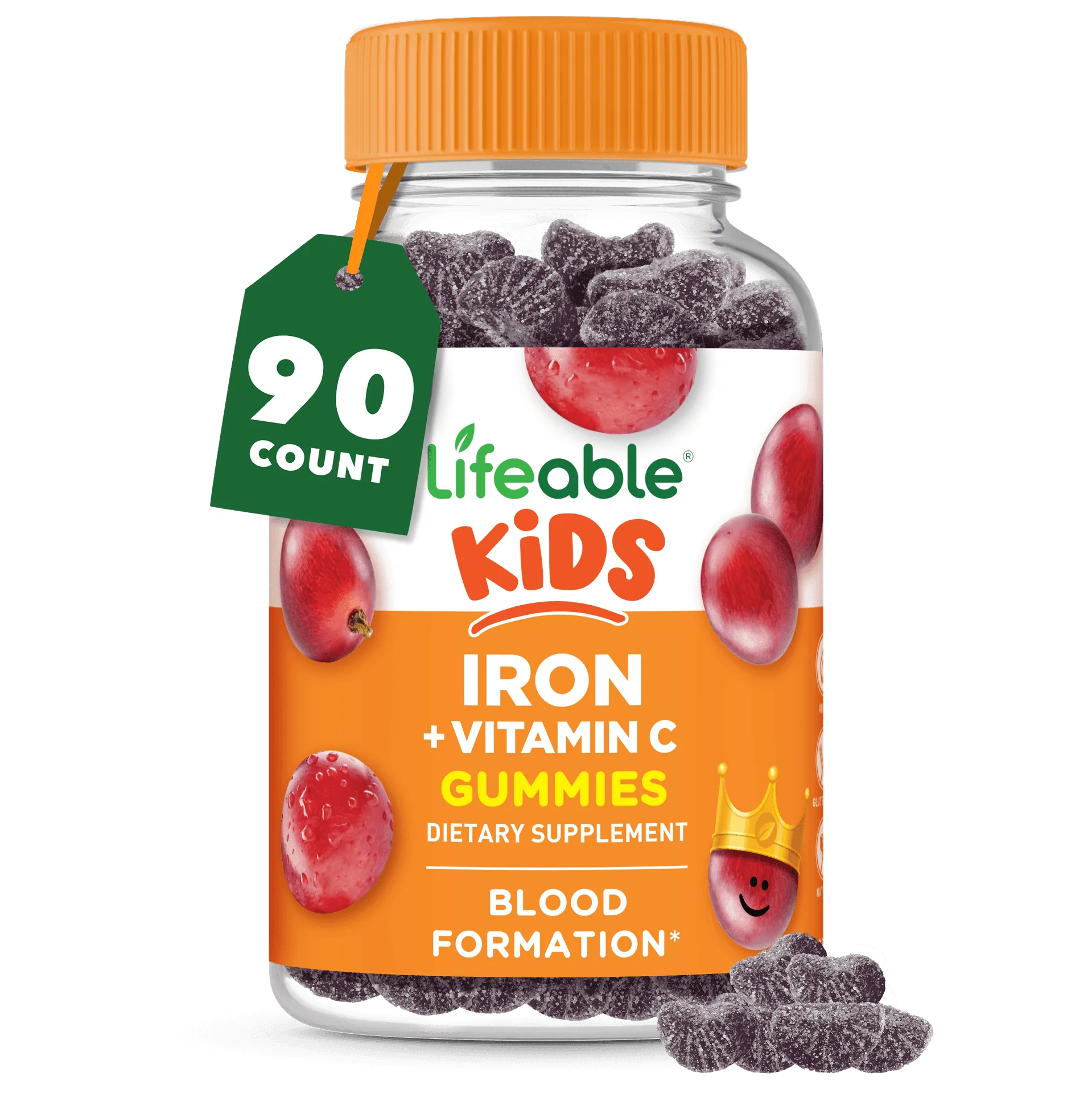
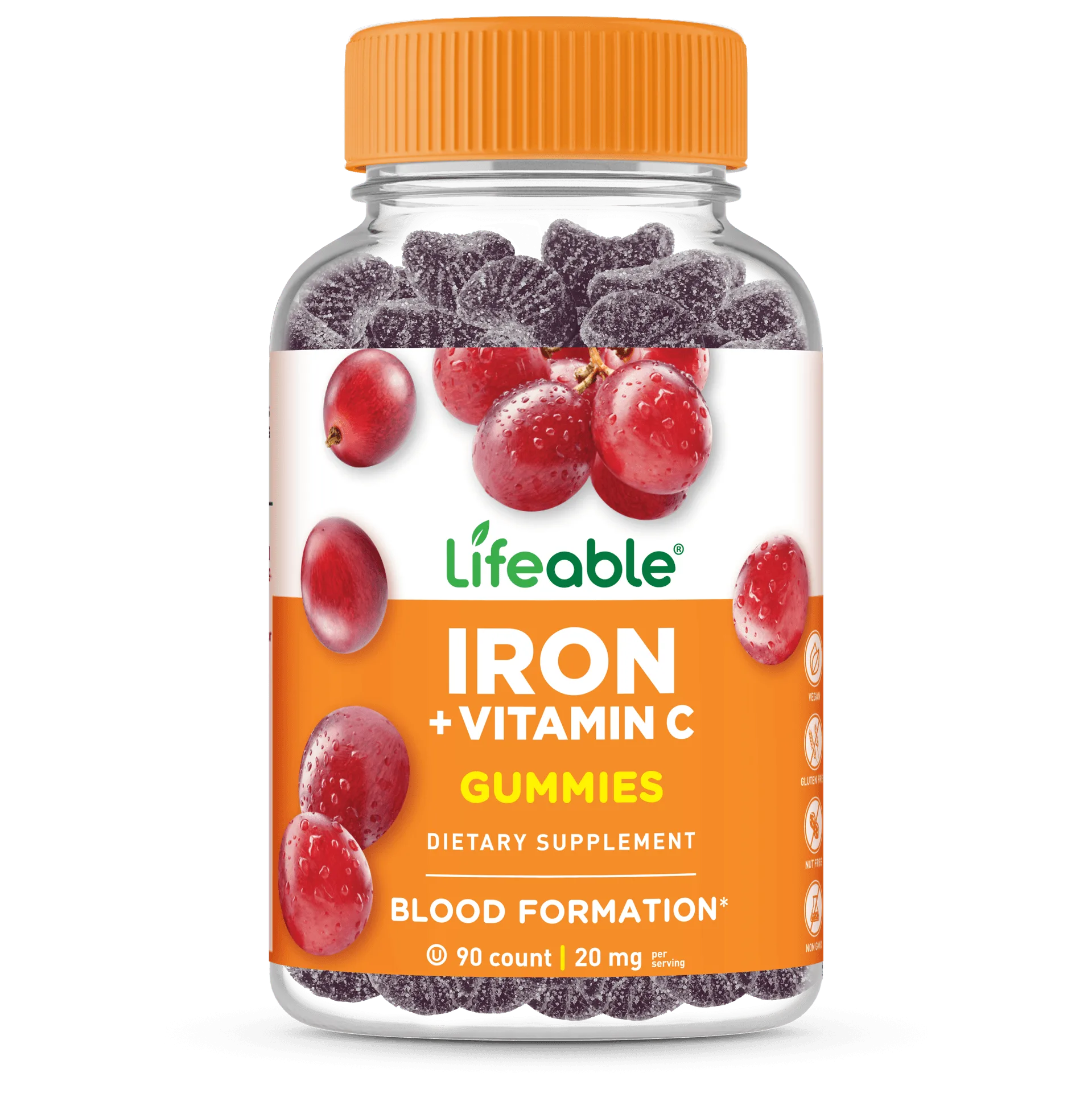
Vitamin C is a well-known enhancer of iron absorption. When taken together, vitamin C can increase the amount of iron your child's body actually uses. This is why many iron supplements, including gummies and drops, now include vitamin C. For example, our Iron and Vitamin C Gummies for Kids combine both nutrients in a tasty, chewable form, making it easier for kids to get the benefits of both in one serving.
Iron Drops: Pros and Cons
Iron drops are a traditional liquid supplement that can be easily measured and mixed into drinks or food. They are often recommended for infants and toddlers who cannot chew gummies. Drops also allow for flexible dosing, which is helpful for children who need a very specific amount of iron based on their age or deficiency level.
However, iron drops have some downsides. Many children dislike the metallic taste, which can make administration a battle. Drops can also stain teeth if not taken properly, and they require careful measuring to avoid overdosing. Additionally, some liquid iron formulas contain added sugar or artificial flavors to mask the taste, which may not be ideal for parents seeking a cleaner option.
- Mix drops with a small amount of juice or water to improve taste, but avoid dairy products that can block iron absorption.
- Use a dropper to measure precisely and consider giving drops through a straw to minimize teeth staining.
Iron Gummies: Pros and Cons
Iron gummies have become increasingly popular because they taste like candy and are easy for kids to chew. They eliminate the struggle of convincing a child to take a liquid supplement. Gummies also often include vitamin C, as seen in our Iron and Vitamin C Gummies for Kids, which not only boosts absorption but also adds a fruity flavor that kids love.
On the downside, gummies contain sugar or sugar substitutes, which can be a concern for parents monitoring sugar intake. They also have a fixed dosage, so they may not be suitable for children who need a very low or high dose. Additionally, gummies can be accidentally overconsumed if left within a child's reach, so they must be stored safely. Despite these drawbacks, many parents find the convenience and compliance of gummies outweigh the negatives.
- Always store gummies out of reach and treat them as a supplement, not a candy, to prevent overconsumption.
- Check the label for sugar content and consider sugar-free options if your child is prone to cavities or you're watching their sugar intake.
Comparative Analysis: Drops vs. Gummies
When comparing iron drops and gummies, several factors come into play: absorption, taste, convenience, and safety. In terms of absorption, both forms can be effective, but vitamin C in gummies can enhance iron uptake, making them a smart choice. Drops, on the other hand, may be better for precise dosing, especially for younger children.
Taste-wise, gummies win hands down for most kids, leading to better compliance. Convenience also favors gummies, as they can be taken anywhere without the need for measuring. Safety is a double-edged sword: drops require careful dosing to avoid toxicity, while gummies pose a risk of overconsumption if not stored properly. Ultimately, the best choice depends on your child's age, preferences, and specific needs.
- For toddlers who can't chew, drops are often the only option; for older kids, gummies are easier.
- If your child has a sensitive stomach, either form can work, but gummies may be gentler on the teeth.
How to Choose the Right Iron Supplement for Your Child
Start by consulting your pediatrician to determine if your child needs an iron supplement and at what dosage. Then consider your child's age, ability to chew, and taste preferences. If they can chew and you want a tasty option that includes vitamin C, gummies are a great choice. If you need precise dosing for an infant or toddler, drops might be more appropriate.
Also, consider any dietary restrictions. Some gummies contain allergens like gluten or gelatin, so check labels carefully. For a reliable option, our Iron and Vitamin C Gummies for Kids are made with quality ingredients and are designed to be both delicious and effective. Alternatively, if you prefer a liquid form, look for drops that are sugar-free and free from artificial colors.
- Always check the iron content per serving and compare it to your child's daily requirement.
- Look for supplements that also contain vitamin C to maximize absorption.
Both iron drops and iron gummies have their place in children's health, but for most kids, the taste and convenience of gummies make them a winning choice. If you're looking for a tasty, vitamin C-enriched option, consider trying Iron and Vitamin C Gummies for Kids. Always consult your healthcare provider before starting any new supplement, and store all supplements safely out of reach of children.