Quick answer
Foam gives you the firmest, most steam-friendly surface but can trap heat and wear faster. Felt is the traditional middle ground, offering good cushion with moderate steam pass-through. Fiber pads are the lightest and most breathable, but they compress over time. For most sewists and quilters pressing cotton, felt or a fiber-and-foam combo is the safest all-round choice.
Choosing an ironing board pad material is less about brand and more about how you press. A pad that holds too much heat can scorch fabric, while one that's too thin lets the mesh of your board telegraph through seams. The three main options — foam, felt, and fiber — each behave differently with steam, heat, and repeated use.
This comparison uses the same criteria you'd apply at the store: thickness, steam behavior, heat retention, durability, and how each material fits a standard board. If you also quilt or cut fabric, the pad you choose affects how well your rotary tools and rulers perform on the same surface.
Foam pads: firm surface, strong steam, but watch the heat
Foam ironing board pads are usually the thickest option, often 1/4 to 1/2 inch. That thickness creates a firm, flat pressing surface that resists needle marks and helps seams lie flat. Foam also blocks steam from escaping downward, so more of it passes through the fabric — a real advantage for steam-heavy pressing.
The trade-off is heat. Foam insulates well, which means the board surface can stay warm longer and potentially scorch delicate fabrics if you press at high temperatures for extended periods. Foam also tends to degrade faster than felt or fiber, especially with frequent steam use, and may develop compressed spots where you press most often.
- Best for: quilters who press seams flat and use steam regularly
- Watch for: scorch risk on synthetics and faster wear at high heat
Felt pads: the balanced traditional choice
Felt is the classic ironing board pad material. It's dense but breathable, so it holds enough heat to smooth wrinkles without trapping it the way foam can. Most felt pads are 1/4 to 3/8 inch thick, which gives a soft but supportive surface for general sewing and garment pressing.
Felt doesn't block steam as aggressively as foam, so you may need slightly more steam or a bit more time for heavy fabrics. On the plus side, it resists scorching better and tends to wear evenly. If you press a mix of cottons, linens, and blends, felt is the most forgiving middle ground.
- Best for: everyday garment sewing and mixed-fabric pressing
- Watch for: steam pass-through is moderate, not maximum
Fiber pads: light, breathable, and quick to compress
Fiber pads are made from needled or bonded fibers and are typically the thinnest option, often 1/8 to 1/4 inch. They're lightweight and highly breathable, so steam moves through quickly and the surface stays cooler. That makes fiber a good match for delicate fabrics and low-temperature pressing.
The downside is durability. Fiber compresses with repeated pressing, especially along the board's edges and center, and once it flattens it offers less cushioning. Fiber pads are also less effective at hiding the metal mesh or perforations of the board underneath, so seams can telegraph if the pad is too thin.
- Best for: delicate fabrics and low-heat pressing
- Watch for: compression over time and telegraphing on thin boards
Thickness and steam: how the numbers change your results
Thickness drives two things: cushioning and steam behavior. A 1/2-inch foam pad cushions more but insulates more, which can slow steam escape and raise surface temperature. A 1/8-inch fiber pad lets steam through fast but offers minimal cushion, so board texture can show through.
For steam-heavy work, match the pad to your iron. If you use a steam generator or burst steam often, foam or a fiber-and-foam combo handles the volume best. If you press mostly dry or with light steam, felt or fiber keeps the surface cooler and reduces scorch risk on blends.
- Measure your board before buying — pad sizes are not universal
- A pad cover with a drawstring or elastic keeps the pad from shifting
Replacement fit: what to check before you buy
Ironing board pad replacement isn't one-size-fits-all. Standard boards vary in length and width, and a pad that's too small leaves exposed mesh at the edges; too large and it bunches under the cover. Measure the board's length, width, and nose shape (rounded or squared) before ordering.
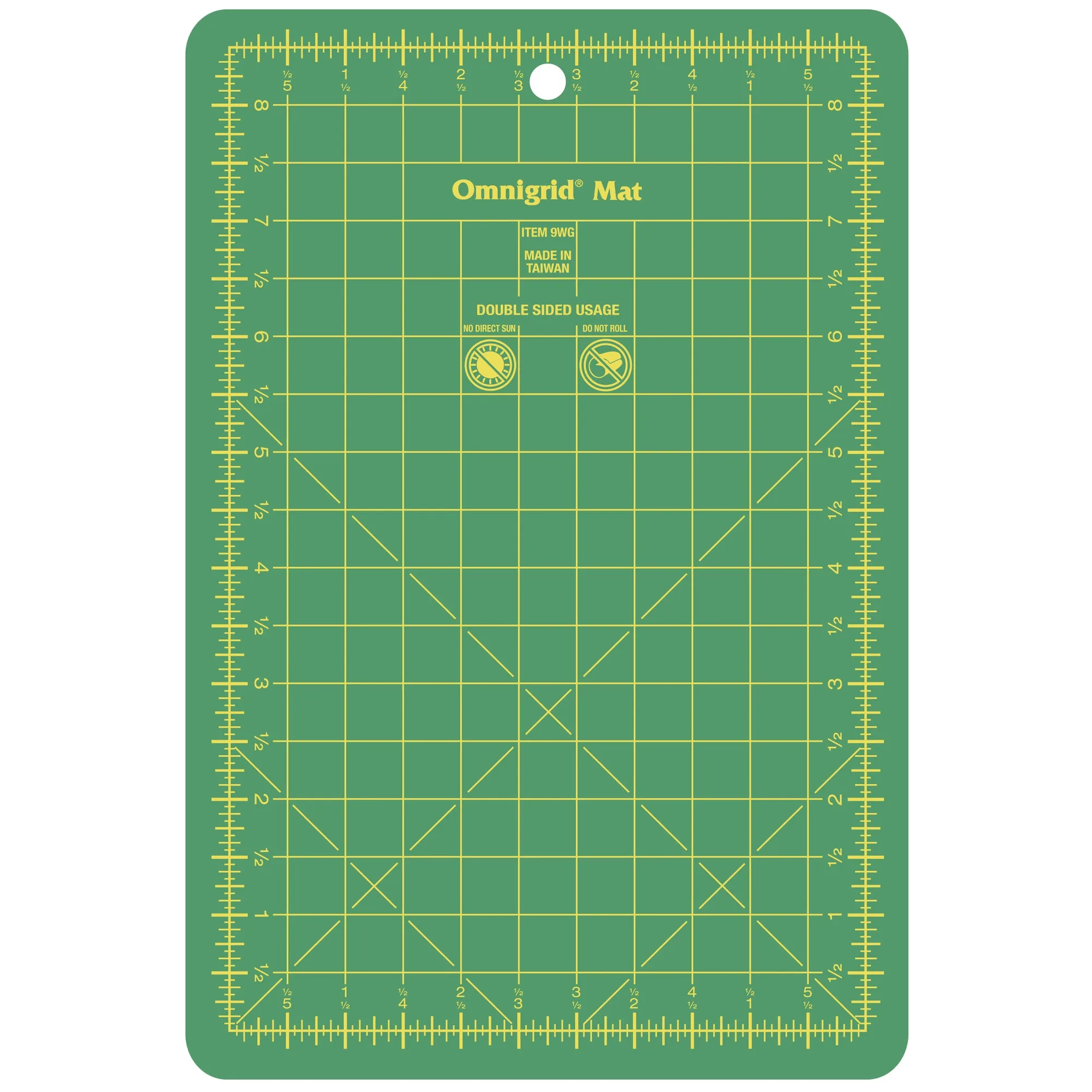
Also check how the pad attaches. Some pads rely on the cover's drawstring to hold them, while others have their own elastic or ties. If you use a rotating https://prymamerica.com/products/omnigridcmwg-f459b5fb481749673145e475-1316292cutting mat or rulers on the same table, keep the pad stored flat so it doesn't develop creases that transfer to your pressing surface.
- Measure length, width, and nose shape — not just the length
- Store pads flat or rolled loosely, never folded
Trade-offs at a glance
- Foam: Thickest cushion and best steam pass-through, but insulates heat and can scorch delicate fabrics at high temperatures. Choose foam if you press cotton with steam and want a firm, flat surface.
- Felt: Balanced heat and steam behavior with even wear, but steam moves through more slowly than foam. Choose felt for mixed-fabric pressing and everyday sewing.
- Fiber: Light and breathable with fast steam escape, but compresses over time and telegraphs board texture if too thin. Choose fiber for delicate fabrics and low-heat pressing.
Tools that pair well with a fresh pad
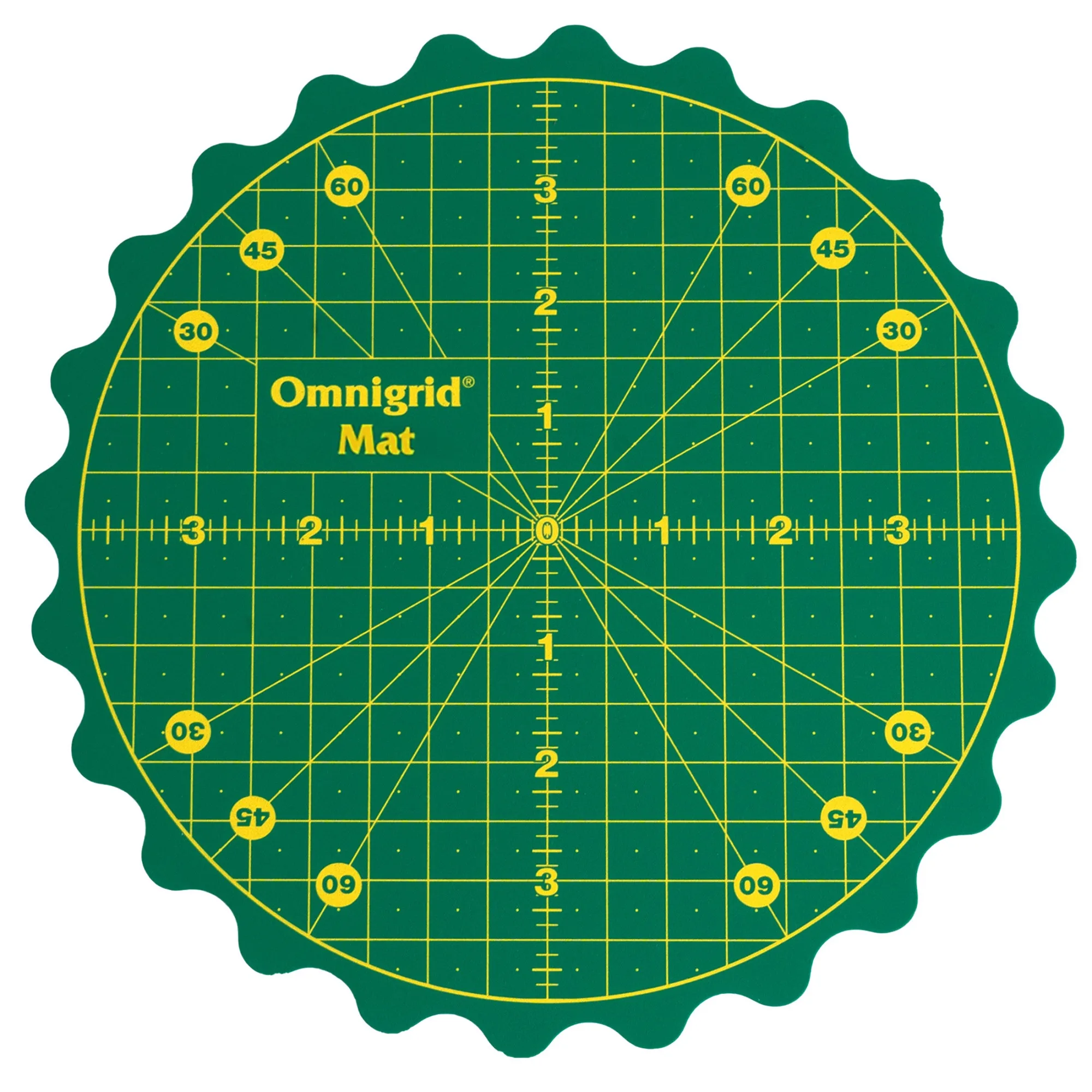
- https://prymamerica.com/products/omnigrid360rcmwg-5a64711841fe1c7d7f8e5d86-1316287360 Rotating Cutting Mat: The Omnigrid 360 Rotating Cutting Mat rotates instead of you, with a non-slip base that lightly suctions to a flat table and 30°, 45°, and 60° markings for angle cuts. If you cut and press on the same table, a rotating mat saves fatigue and keeps your angles accurate without moving your body around the board.
- Rectangle Ruler: The Omnigrid Rectangle ruler has laser cut edges and multiple degree angle lines for pivoting 30, 45, and 60 degree cuts, in heavy-duty acrylic for use with a rotary cutter or straight-edge blade. A stable ruler plus a flat, well-padded pressing surface means strips and edges stay true from cutting through pressing.
- Rotary Replacement Blades: Omnigrid rotary blades are made of tungsten-carbon steel and cut fabric, paper, leather, vinyl, mat board, and foam core in any direction; the brand advises always using a rotary cutting mat to protect your surface and blade. Fresh blades cut cleaner, which matters more when your pad and mat are both in good shape and your fabric isn't shifting.
Which pad material fits your pressing routine
Best for
- Quilters pressing seams flat with frequent steam
- Sewists who press a mix of cottons, linens, and blends
- Crafters pressing delicate fabrics at lower temperatures
Not for
- Anyone pressing synthetics at high heat for long periods — foam can scorch
- Those who need maximum cushion and minimal board texture — fiber is too thin
- Users who want a single pad to last years of heavy daily steam — all materials wear
Match the pad material to how you actually press: foam for steam and firmness, felt for balance, fiber for delicate low-heat work. Measure your board first, store the pad flat, and replace it when it compresses or scorches — a fresh pad protects your fabric and your results.